rifanmuazin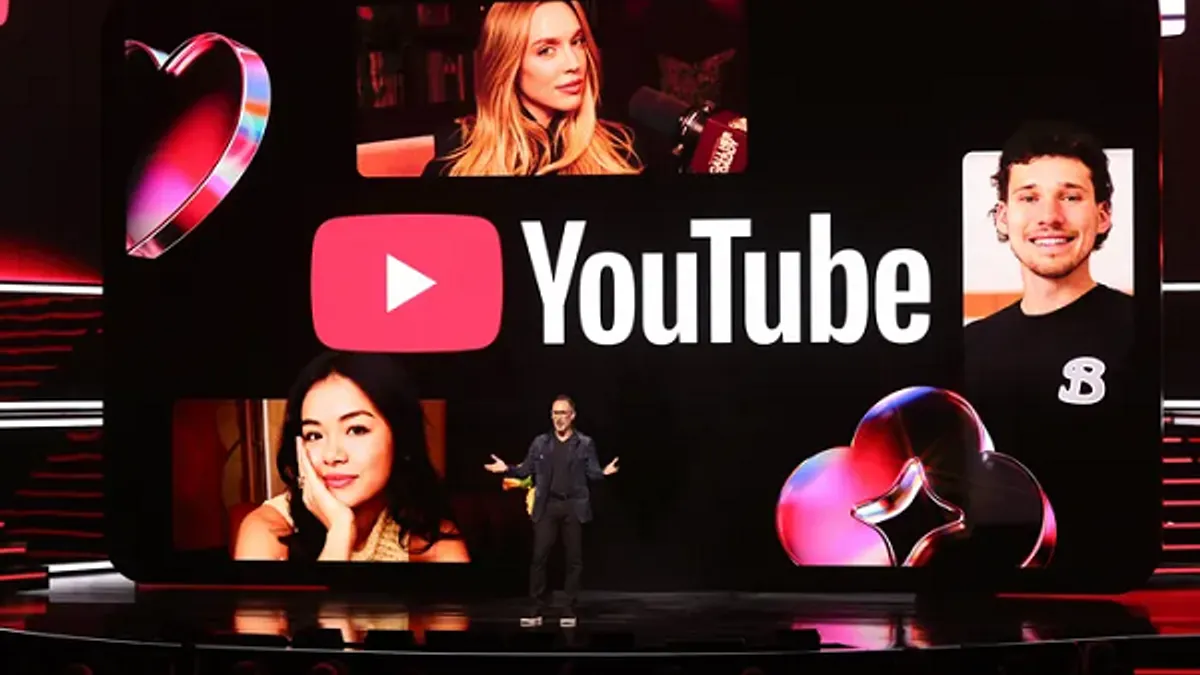
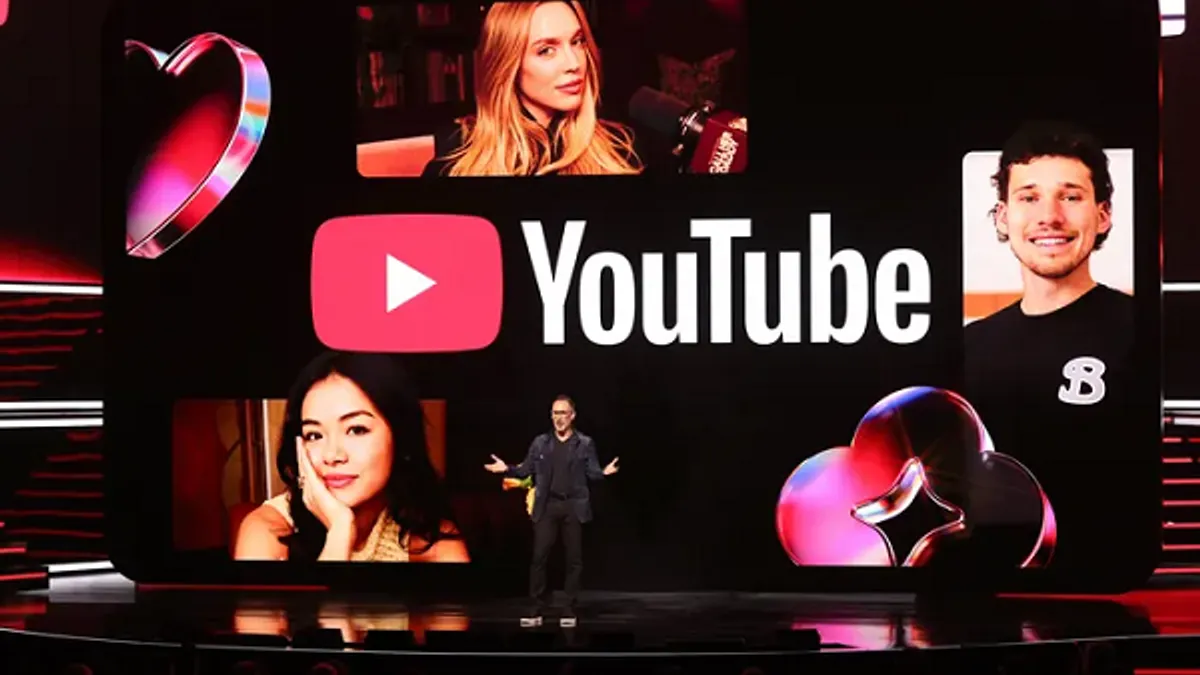
YouTube, the global video-sharing giant, hosted its highly anticipated 2026 Brandcast event in New York City, unveiling a comprehensive suite of advertising updates designed to empower marketers, elevate creators, and deepen audience engagement. The platform’s annual showcase, a pivotal moment for the digital advertising industry, highlighted emerging opportunities for brands to connect with consumers through an evolving creator economy, cutting-edge artificial intelligence, and sophisticated measurement tools. Key announcements included new sponsorship opportunities with a new generation of creators, revolutionary CTV features enabling direct purchases, and advanced AI models for ad creative generation and dynamic content surfacing, alongside groundbreaking partnerships for retail media data integration.
Understanding Brandcast: YouTube’s Annual Vision for Advertisers
Brandcast serves as YouTube’s premier annual event for advertisers, typically held during the "Upfronts" season, where major media companies present their upcoming content and advertising opportunities to brands and media buyers. Historically, it has been a platform for YouTube to articulate its strategic vision, showcase its burgeoning content ecosystem, and unveil its latest ad technology innovations. The 2026 iteration underscored YouTube’s continued commitment to cementing its position as a dominant force in video advertising, adapting to shifting consumer behaviors, and leveraging technological advancements like AI and CTV. The event traditionally draws a diverse audience, from top marketing executives and media agencies to brand representatives and industry analysts, all eager to grasp the future direction of advertising on one of the world’s most influential digital platforms. This year’s Brandcast, held on a Wednesday, was no exception, featuring an array of celebrities and prominent YouTube stars, signaling the platform’s dual focus on mainstream appeal and the unique power of its indigenous talent.
The Creator Economy: "The New Hollywood" and Enhanced Brand Partnerships
A central theme of the 2026 Brandcast was YouTube’s profound belief in the power and influence of its creator community, which it boldly proclaimed to be "the new Hollywood." This declaration reflects a growing recognition within the entertainment and advertising industries that digital creators now command audiences, build unparalleled trust, and drive cultural trends with a reach and authenticity often surpassing traditional media figures. YouTube’s strategy to amplify this influence involves several key initiatives aimed at fostering deeper collaborations between creators and brands.
Foremost among these is the launch of a series of exclusive creator shows. These premium content offerings, featuring popular YouTubers such as Kareem Rahma, Alex Cooper, and others, are designed to provide elevated production quality and structured programming. For advertisers, these shows represent prime real estate, offering integrated sponsorship opportunities within high-demand content. The move signals YouTube’s intent to create more controlled, brand-safe environments that mimic traditional television programming, but with the inherent authenticity and fan connection that defines the creator space. By curating these shows, YouTube aims to facilitate more seamless and impactful brand integrations, moving beyond conventional ad breaks into more organic content sponsorships.
YouTube underscored the tangible value of creator-brand collaborations with compelling data. The platform stated that "When creators talk about products on YouTube, viewers are 13 times more likely to search for the brand and 5 times more likely to buy." This statistic highlights the immense persuasive power of creators, whose trusted relationships with their audiences translate directly into consumer action. For marketers grappling with ad fatigue and declining trust in traditional advertising, this data point serves as a powerful incentive to invest in creator-led campaigns. Industry analysis frequently points to the authenticity and relatability of creators as key drivers of this engagement, as viewers perceive recommendations from their favorite YouTubers as more genuine than conventional advertisements.
Further enhancing the creator-brand nexus, YouTube introduced Custom Sponsorships, an innovative solution leveraging artificial intelligence. This feature is designed to dynamically identify and surface video content moments that are perfectly tailored to a brand’s desired context or message. Instead of generic placements, AI will analyze video content in real-time to find relevant scenes, topics, or emotional cues where a brand’s sponsorship would resonate most effectively. For example, a sports drink brand could have its sponsorship dynamically placed during a peak performance moment in a fitness vlog, or a travel company during a breathtaking landscape reveal in an adventure series. This precision targeting, powered by AI, promises to significantly increase the relevance and impact of sponsorships, allowing brands to integrate more organically into content that aligns with their messaging.
Complementing this, YouTube announced an Affiliate Partnerships Boost. This initiative empowers brands to amplify the organic content where their products are already tagged by creators. In essence, if a creator naturally features a brand’s product and tags it, the brand can then promote that specific piece of content, effectively leveraging user-generated testimonials and authentic endorsements. This approach capitalizes on existing creator enthusiasm and offers a scalable way for brands to benefit from genuine product advocacy, turning spontaneous mentions into measurable marketing assets. It’s a strategic move to formalize and optimize the affiliate marketing landscape within YouTube, providing a clear path for brands to boost content that already demonstrates high consumer interest and trust.

Advancing Advertising Technology: CTV, AI, and Dynamic Creative
Beyond the creator economy, YouTube’s Brandcast 2026 spotlighted significant advancements in its advertising technology stack, particularly concerning Connected TV (CTV) and artificial intelligence. These innovations reflect YouTube’s strategic response to the exponential growth of streaming consumption on larger screens and the transformative potential of AI in marketing.
CTV is receiving a major update, specifically focused on streamlining the consumer journey from discovery to purchase. YouTube viewers watching content on their TV sets will soon gain the ability to complete purchases directly on their CTV devices in just two clicks, utilizing Google Pay. This feature marks a crucial step in bridging the gap between passive viewing and active commerce on the biggest screen in the home. Historically, CTV advertising has been excellent for brand awareness but challenged by direct response attribution. By enabling direct, in-app purchases, YouTube is positioning CTV as a powerful performance marketing channel, allowing brands to shorten the sales funnel and capture immediate consumer intent. This move is particularly significant as CTV viewership continues its upward trajectory, with global ad spending on CTV projected to reach tens of billions in the coming years, driven by its expansive reach and increasingly sophisticated targeting capabilities.
The integration of artificial intelligence into ad creative and targeting was another cornerstone of the announcements. YouTube unveiled Multimodal Video Creation, an advanced capability that allows marketers to leverage Google’s latest AI models, including Gemini, Nano Banana, and Veo, to construct their ad creative directly from text prompts. This groundbreaking feature promises to revolutionize ad production, drastically reducing the time and resources required to generate diverse ad formats. Marketers can simply describe their desired ad concept, and the AI models will generate video assets, ranging from short-form clips to longer narratives, complete with relevant visuals, audio, and pacing.
- Gemini, Google’s most advanced AI model, offers multimodal reasoning capabilities, allowing it to understand and generate content across text, images, audio, and video, providing a comprehensive foundation for creative generation.
- Nano Banana (likely a specific internal codename or a playful moniker for a specialized AI model) and Veo (Google’s recently announced generative AI model for video) are expected to contribute specialized capabilities, such as realistic video synthesis, nuanced stylistic interpretations, and efficient asset manipulation.
This AI-powered creative suite is poised to democratize video ad production, enabling businesses of all sizes to create high-quality, personalized campaigns with unprecedented speed and efficiency. It also facilitates A/B testing on a massive scale, allowing brands to rapidly iterate on ad concepts and optimize for performance without incurring significant production costs. The implications for personalized advertising are immense, as AI can generate countless variations of an ad tailored to specific audience segments, maximizing relevance and engagement.
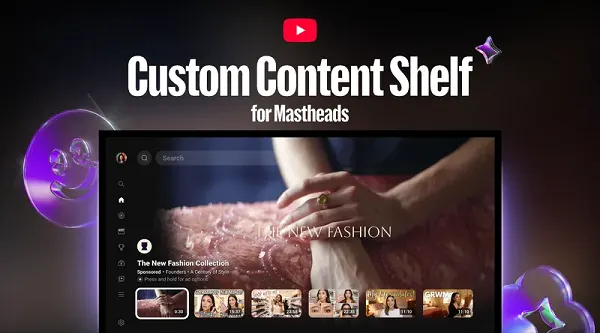
Furthermore, YouTube introduced a custom content shelf for Masthead ads. The Masthead, typically the most prominent and high-impact ad placement on the YouTube homepage, will now allow marketers to curate additional content alongside their main creative. This feature transforms the Masthead from a single-ad display into a mini-brand hub, enabling deeper storytelling and engagement. Brands can showcase multiple product videos, creator collaborations, or interactive elements, providing a richer experience for users and increasing the potential for conversion.
Enhanced Measurement and Data Integration: Proving ROI
A persistent challenge in digital advertising is accurately measuring the real-world impact of campaigns, particularly on offline sales. YouTube’s 2026 Brandcast addressed this directly with significant announcements concerning data integration and reporting, aiming to provide marketers with unparalleled insights into their return on investment.
A pivotal announcement was the integration of shopper data from major retailers Costco and Dollar General. Marketers will soon be able to leverage this valuable first-party retail data to better understand and target consumer segments. Specifically, Costco Retail Media and Dollar General Media Network are collaborating with Google’s Display & Video 360 (DV360) platform. This partnership will enable advertisers to reach and activate the specific shopper audiences of Costco and Dollar General across YouTube and third-party inventory managed through DV360. This is a game-changer for consumer packaged goods (CPG) brands and other advertisers who rely heavily on retail sales, as it allows for more precise audience targeting based on actual purchasing behavior rather than just demographics or online activity.
To "close the loop" and provide granular attribution, YouTube also announced the introduction of SKU-level conversion reporting in Display & Video 360. This highly anticipated feature will allow brands to see the precise impact of their YouTube and DV360 spend on sales at the individual product (Stock Keeping Unit) level within Costco and Dollar General. For instance, a brand running an ad campaign for a specific cereal brand on YouTube will be able to see exactly how many units of that specific cereal were sold at Costco or Dollar General as a direct result of their advertising efforts. This level of granularity moves beyond general sales uplift to specific product performance, offering invaluable insights for inventory management, product launch strategies, and campaign optimization. This data integration and reporting capability significantly enhances the value proposition of YouTube advertising, transforming it from a top-of-funnel awareness tool into a robust, measurable performance channel for retail-focused brands. It provides the concrete, sales-driven evidence that CFOs and marketing leaders increasingly demand.

Broader Industry Impact and Future Outlook
The innovations unveiled at YouTube’s 2026 Brandcast event carry significant implications for the broader digital advertising ecosystem. The intensified focus on the creator economy reflects a continuing shift in media consumption and influence, compelling brands to engage with new forms of celebrity and community. By formalizing creator partnerships and introducing AI-driven sponsorships, YouTube is striving to make creator marketing more scalable, measurable, and integrated into broader media plans, offering a strong competitive edge against platforms like TikTok and Meta, which also heavily lean into creator content.
The advancements in CTV advertising, particularly the direct purchase functionality, position YouTube at the forefront of the convergent TV landscape. As linear TV viewership declines and streaming proliferates, the ability to transact directly on CTV breaks down traditional barriers between entertainment and commerce, creating a seamless, interactive shopping experience that could set a new industry standard. This move challenges traditional e-commerce models and elevates the role of video in the purchase journey.
The integration of advanced AI models like Gemini, Nano Banana, and Veo into ad creative generation is indicative of a broader industry trend towards intelligent automation in marketing. This will empower advertisers to produce highly personalized and contextually relevant campaigns at speed, optimizing for performance and catering to the fragmented attention spans of modern consumers. It also raises questions about the future role of human creatives in advertising, suggesting a shift towards strategic oversight and prompt engineering rather than manual production.
Finally, the enhanced measurement capabilities, particularly the retail media data integration and SKU-level reporting, address a critical need for transparency and accountability in advertising spend. In an increasingly data-driven marketing environment, the ability to directly link ad impressions to specific product sales at major retailers provides an undeniable proof of return on investment. This move will likely incentivize more CPG and retail brands to allocate significant portions of their budgets to YouTube, confident in their ability to measure precise sales impact. It also positions Google’s DV360 as an even more powerful platform for cross-channel planning and attribution.
While these additions present high-value considerations for brand partners, they also signal a continuously evolving and increasingly complex advertising landscape. Marketers will need to adapt quickly to leverage these new tools effectively, integrating creator strategies, AI-powered creative workflows, and sophisticated data analytics into their overall marketing frameworks. YouTube’s 2026 Brandcast ultimately painted a picture of a platform that is not merely keeping pace with digital trends but actively shaping the future of video advertising, offering a compelling blend of human creativity, technological innovation, and measurable business outcomes.