rifanmuazin
The global technology landscape is currently undergoing a fundamental shift from passive generative artificial intelligence to active agentic systems, marking a transition from models that simply respond to prompts to systems that can reason, plan, and execute complex tasks autonomously. While the previous two years were defined by the emergence of Large Language Models (LLMs) capable of human-like text generation, the current frontier of AI development is focused on "agentic" capabilities—the ability for an AI to use external tools, browse the internet, interact with software APIs, and self-correct its own logic loops to achieve a predefined objective.
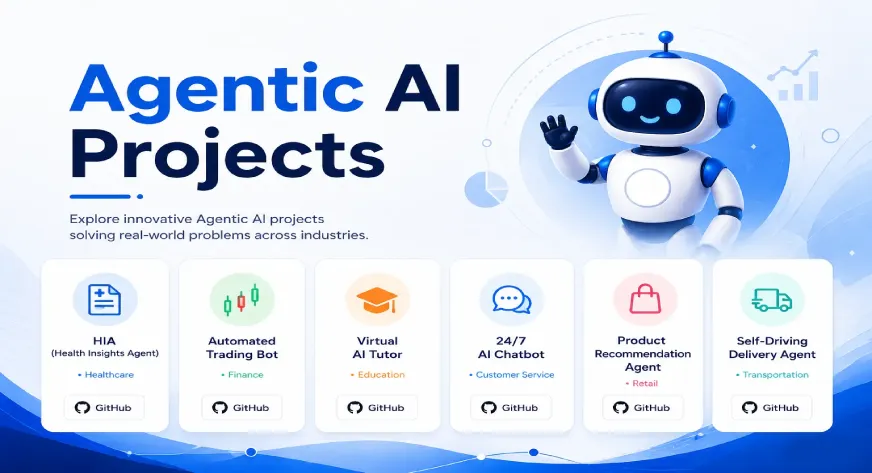
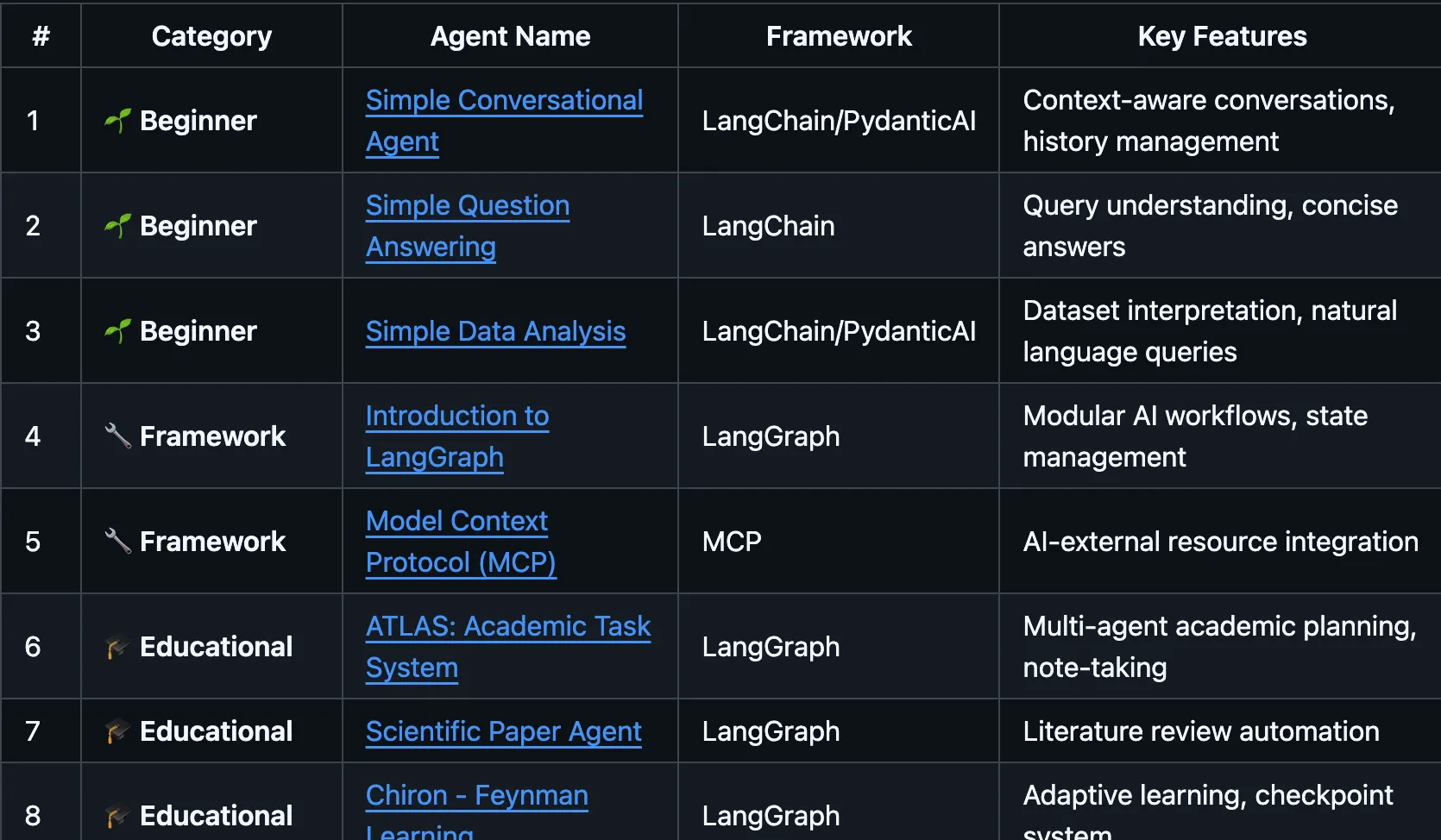
This evolution is driven by the realization that while generative AI is an excellent creative assistant, agentic AI serves as a functional employee. Industry experts and lead developers are increasingly moving toward architectures that utilize "reasoning and acting" (ReAct) frameworks. These frameworks allow AI agents to break down a high-level goal into a series of logical steps, executing each one while monitoring for errors or changes in the environment. To facilitate this transition for developers and researchers, a comprehensive roadmap of over 15 solved agentic AI projects has been compiled, providing the source code and implementation strategies necessary to build the next generation of autonomous software.
The Evolution of the AI Workflow: From Prompting to Agency
To understand the importance of these projects, one must look at the chronology of AI development over the last decade. Following the "Deep Learning" boom of the mid-2010s, the 2020 release of GPT-3 introduced the world to few-shot learning and sophisticated prompting. However, these models remained "stateless" and reactive. By 2023, the emergence of frameworks like LangChain and AutoGPT suggested a new path: wrapping LLMs in a control loop that allows them to "think" before they "speak."
Market data supports this shift. According to recent industry reports, the global autonomous AI agent market is projected to grow at a compound annual growth rate (CAGR) of over 40% through 2030. Enterprises are no longer satisfied with chatbots; they are demanding agents that can handle end-to-end recruitment, automated financial trading, and real-time industrial monitoring. The following projects represent the specific domains where agentic AI is poised to have the most significant immediate impact.
Finance, Business, and E-commerce Innovation
In the financial and commercial sectors, the objective is to move beyond data visualization and into autonomous decision-making. Agentic systems in these fields optimize revenue and pricing by reacting to market fluctuations faster than human operators.
1. Autonomous Trading Systems
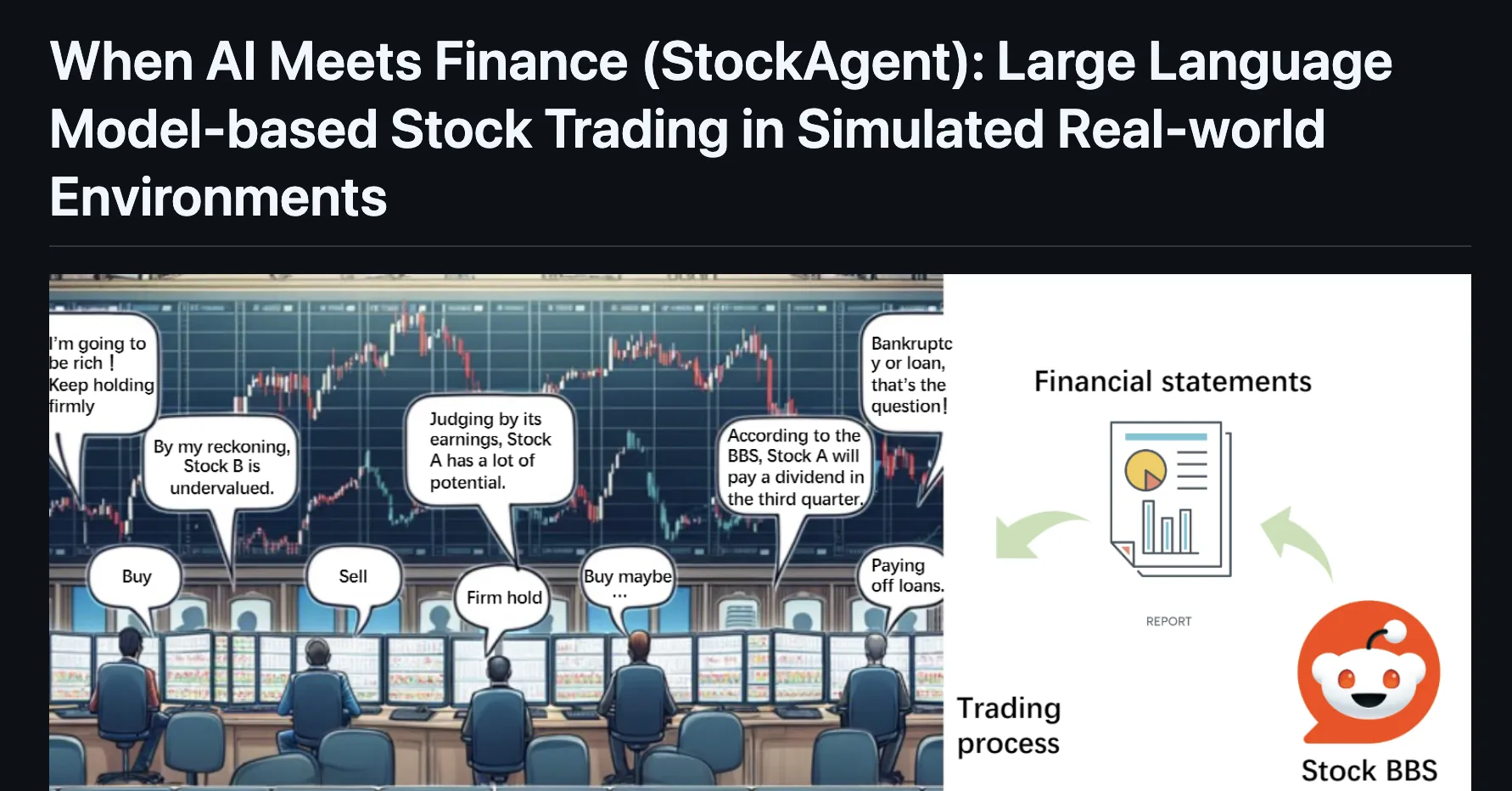
Traditional algorithmic trading relies on rigid "if-then" logic. An Agentic Trading Bot, however, utilizes real-time market analysis combined with sentiment analysis from news feeds and social media. By employing a self-correcting logic loop, the agent can decide to execute, hold, or exit trades based on its own reasoning. Advanced implementations, such as the "StockAgent" project, demonstrate how agents can manage risk by dynamically adjusting their strategies as market volatility increases.
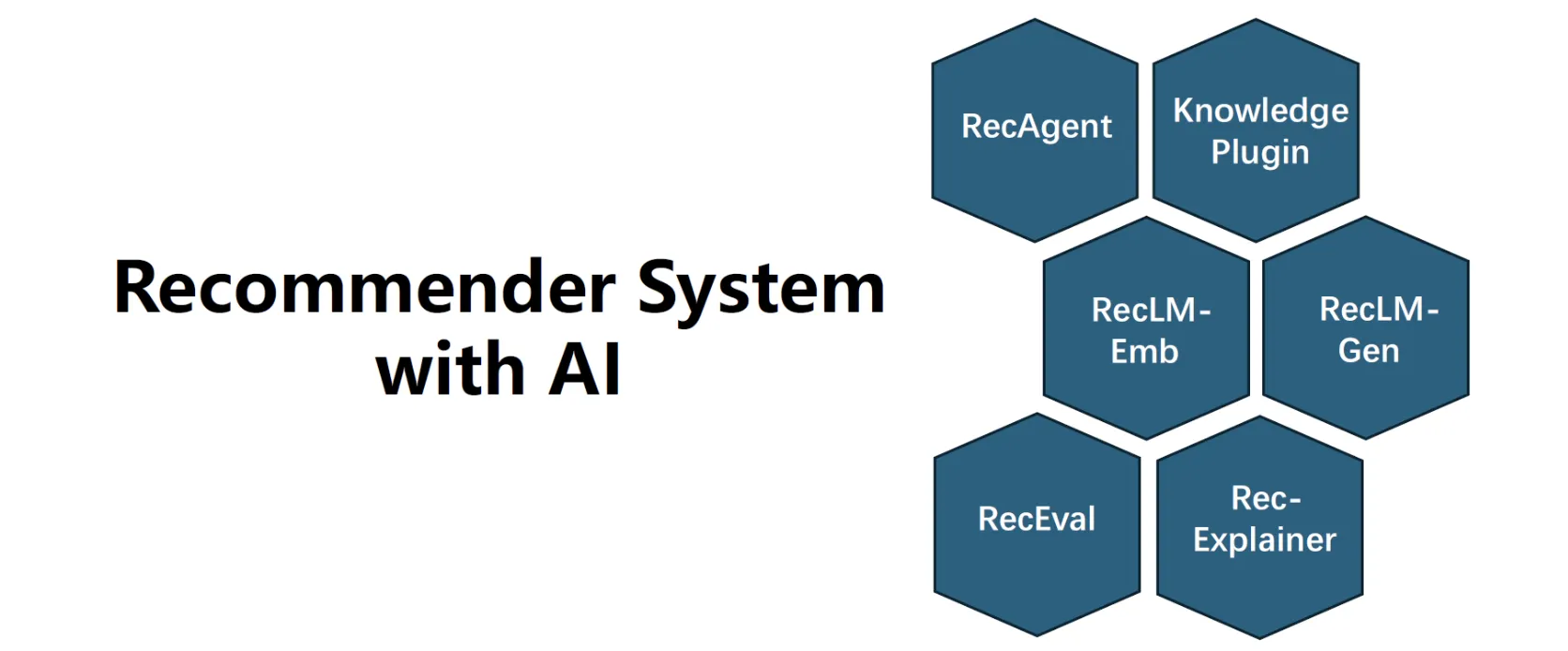
2. Intelligent Product Recommendation and Personal Shopping
The next generation of e-commerce is moving away from static "customers also bought" lists. A Product Recommendation Agent uses active learning to query users or explore new product categories when it detects a shift in user intent. Similarly, Personal Shopper Agents act as conversational negotiators. These agents can compare prices across dozens of vendors, analyze the sentiment of thousands of reviews, and reason through a user’s specific constraints (e.g., "find me a durable laptop for under $800 that is light enough for travel") to provide a curated selection.

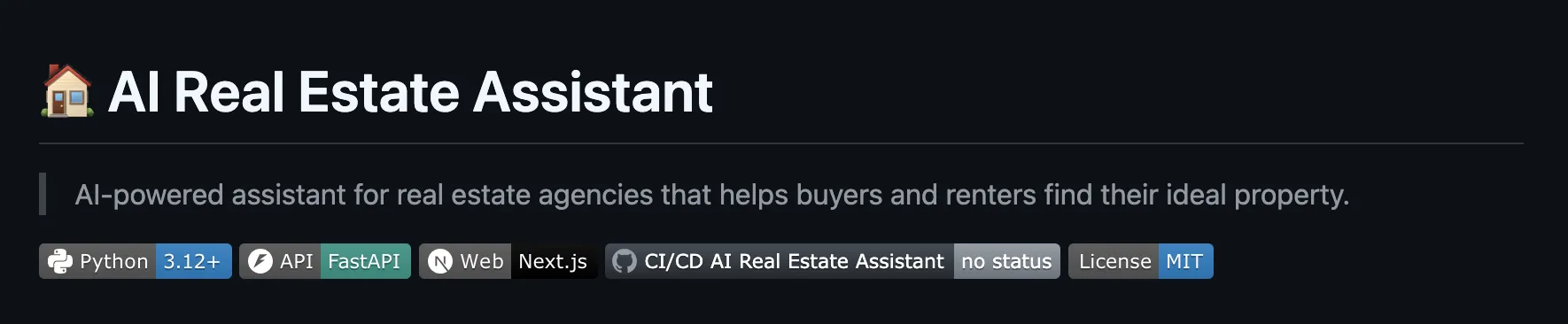
3. Recruitment and Property Pricing Agents
In human resources, Recruitment Recommendation Agents are automating the top-of-the-funnel workflow. By proactively scanning new job postings and candidate profiles, these agents rank matches and generate rationales for recruiters, explaining exactly why a candidate’s skill set fits a specific role. In real estate, Property Pricing Agents function as market observers, automatically adjusting suggested prices in response to external factors like interest rate changes or neighborhood sales trends, providing a level of dynamic pricing previously reserved for high-frequency stock markets.
Healthcare and Medical Diagnostics
Healthcare remains one of the most sensitive yet promising fields for agentic AI. The shift here is from simple medical information retrieval to continuous diagnostic monitoring.
4. AI Health Assistants and Diagnostic Loops
Unlike a standard medical chatbot, an Agentic Health Assistant functions as a diagnostic loop. By integrating with patient vitals and electronic health records, these agents can autonomously trigger alerts when data crosses specific medical thresholds. Projects like "AI Agents for Medical Diagnostics" utilize multi-agent systems where one agent might focus on image analysis (X-rays or MRIs) while another cross-references findings with the latest medical literature to suggest a potential diagnosis to a physician. This "second-brain" approach is designed to reduce diagnostic errors and improve patient outcomes in high-pressure environments.
Education, Travel, and Lifestyle Automation
Agentic AI is also personalizing the way individuals learn and plan their lives, moving away from "one-size-fits-all" software toward bespoke digital assistants.
5. Virtual AI Tutors
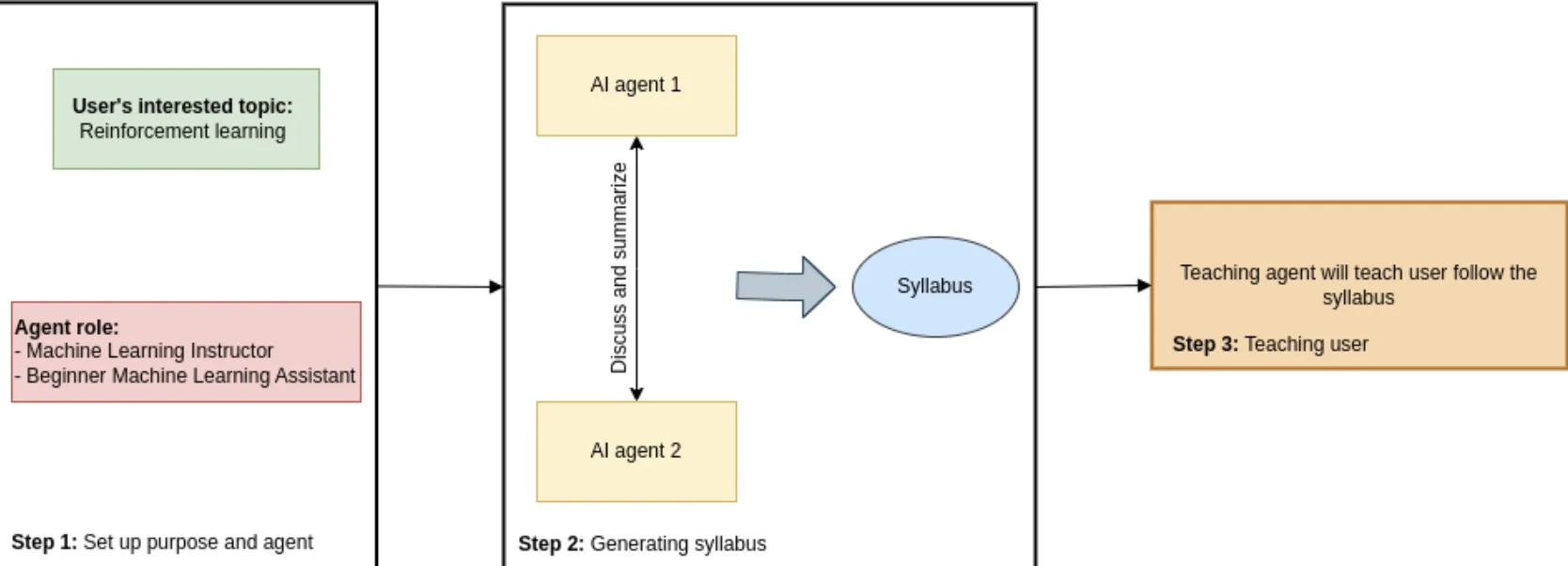
The Virtual AI Tutor acts as a guide rather than a textbook. It identifies a student’s knowledge gaps through interactive dialogue and autonomously generates a custom curriculum to bridge those gaps. If a student struggles with a specific concept in calculus, the agent might pivot its teaching strategy, introducing foundational algebra concepts before returning to the primary lesson.
6. Logistical Travel and Gaming Agents
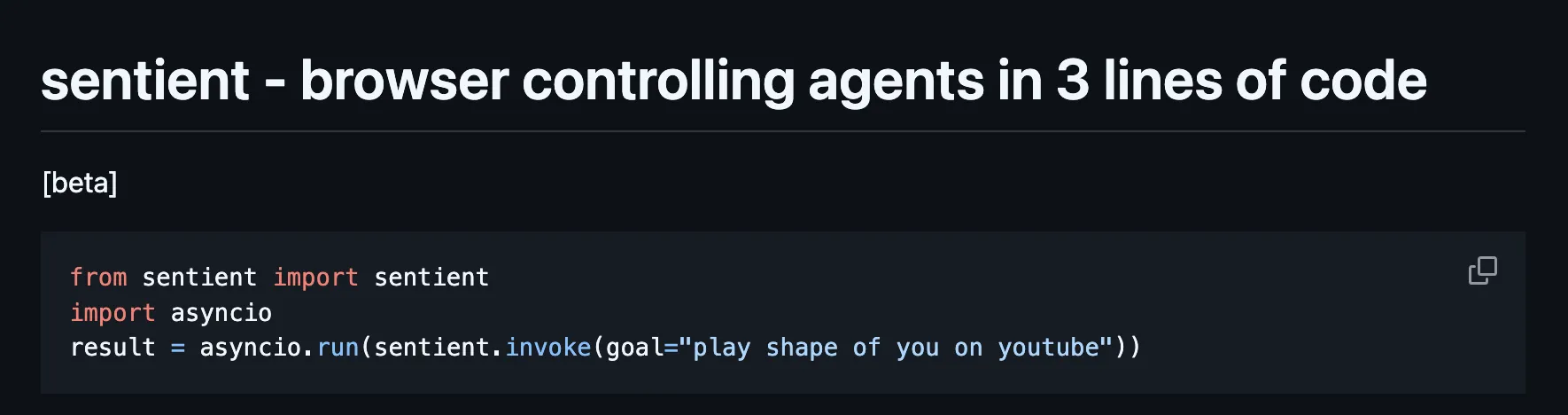
Travel planning is a high-dimensionality problem involving flights, hotels, weather, and personal preferences. An AI Travel Assistant functions as a logistical planner, cross-referencing multiple live databases to build a cohesive, viable schedule. In the realm of entertainment, AI Game Companion Agents are being developed to provide real-time strategic support. By analyzing the game state through APIs or computer vision, these agents act as a strategic advisor, helping players navigate complex decision trees in real-time.
Cybersecurity and Developer Systems
As AI becomes more capable, the systems used to secure—and attack—digital infrastructure are also evolving. The "Agentic" turn in cybersecurity involves the use of multi-agent systems for "Red-Teaming" and automated defense.
7. Automated Red-Team Testing (Vibe Hacking)
Modern security requires proactive testing. A "Vibe Hacking" agent uses a team of specialized agents: one to scout for vulnerabilities, one to exploit them, and one to report findings. This simulates a coordinated cyberattack, allowing organizations to find and patch holes in their security before malicious actors can exploit them.
8. Legal Document Review
In the legal sector, agents are being used to identify inconsistencies across thousands of pages of documentation. A Legal Document Review Assistant acts as a researcher, flagging "risky" language based on predefined legal standards. For instance, the "LegalAI" project is specifically trained on EU AI regulations, allowing it to autonomously audit corporate policies for compliance with emerging international laws.
Industrial Infrastructure, Robotics, and Agriculture
Perhaps the most tangible application of agentic AI is its integration with the physical world through IoT (Internet of Things) and robotics.

9. Self-Driving Delivery and Factory Monitoring
The Self-Driving Delivery Agent must navigate complex, non-deterministic environments. By processing visual data and planning movement paths in real-time, these agents enable autonomous delivery workflows. In a factory setting, Process Monitoring Agents connect directly to IoT sensors to observe mechanical "health." These agents can autonomously trigger maintenance requests before a machine fails, shifting the paradigm from reactive to predictive maintenance.
10. Smart Farming and Energy Forecasting
In agriculture, Smart Farming Assistants synthesize satellite imagery and soil sensor data to recommend precise irrigation and fertilization schedules. This level of autonomous oversight helps optimize crop yields while minimizing resource waste. Similarly, Energy Demand Forecasting Agents optimize grid efficiency by continuously retraining their internal logic based on weather patterns and historical usage, providing autonomous management for smart grids.
Broader Impact and the Path Ahead
The transition to agentic AI represents a significant economic opportunity. Analysts suggest that the ability of agents to handle "unstructured tasks"—those requiring judgment and multi-step planning—could unlock trillions of dollars in global productivity. However, this shift also brings challenges. The autonomy of these systems requires new frameworks for safety, transparency, and accountability.
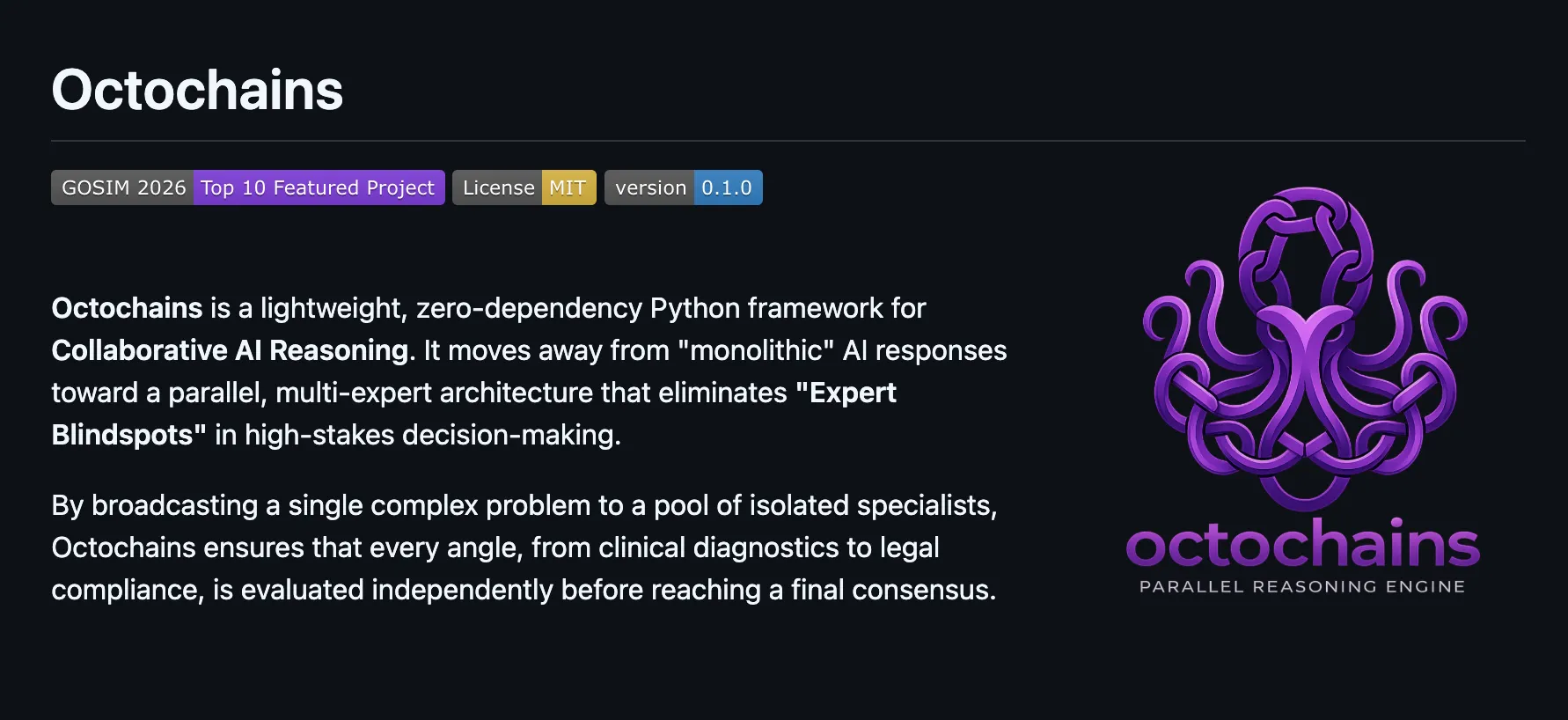
For developers, the message from the industry is clear: the era of simple "wrapper" apps is ending. To remain competitive, engineers must master the orchestration of multiple agents, the integration of long-term memory (Vector Databases), and the implementation of robust tool-calling capabilities.

Building a career in AI is increasingly becoming a marathon of implementation rather than a sprint of theoretical study. By engaging with these 16 solved projects, developers can move from understanding the theory of AI to building systems that can act on that understanding. Whether it is an automated trading bot or a smart farming assistant, each project represents a building block toward a future where AI is not just a tool we talk to, but a system that works alongside us to solve the world’s most complex problems. The most critical step for any professional in this space is to begin building, documenting the process, and contributing to the growing ecosystem of autonomous intelligence.