rifanmuazin
The modern digital landscape demands sophisticated strategies for capturing audience attention and building lasting customer relationships. Central to this endeavor is the meticulously crafted lead magnet, a free, high-value resource offered in exchange for a prospect’s contact information, typically an email address. While many businesses recognize the necessity of lead magnets, the prevailing misconception often centers on their complexity and the extensive time commitment required for their development. However, industry insights reveal that the most effective lead magnets are not necessarily the most voluminous, but rather those that precisely address a single, urgent problem faced by the target audience, delivering a complete solution with efficiency and authority.

The Strategic Imperative: Understanding Audience Pain Points
The foundational step in developing a high-converting lead magnet lies in a deep understanding of the target audience’s most pressing challenges. Prospects do not willingly surrender their contact details merely to populate an already crowded inbox; they do so in anticipation of a tangible solution to a specific problem. This fundamental principle underscores the efficacy of lead magnets: they bridge the gap between a perceived need and a readily available answer. Without accurately identifying these "pain points," even a well-produced lead magnet risks irrelevance and low conversion rates.

To move beyond assumptions and wild guesses, robust audience research is indispensable. This research need not be arduous but must be systematic:
- Direct Audience Surveys: Engaging current subscribers or a defined segment of the target market with surveys designed to uncover their primary struggles and information gaps yields invaluable qualitative data. Tools like SurveyMonkey or Google Forms can facilitate this. For businesses without an existing list, leveraging professional networks or industry meetups can provide initial insights.
- Social Listening and Community Engagement: Platforms like Quora, Reddit, and specialized Facebook groups serve as organic forums where individuals openly discuss problems, seek advice, and express frustrations. Monitoring these discussions allows marketers to identify recurring questions, gauge interest levels (e.g., by comment or upvote counts), and even test potential lead magnet ideas by posing direct questions. Reddit, in particular, offers unfiltered insights into genuine pain points due to its community-driven nature.
- Customer Support and Review Analysis: For businesses with an existing customer base, customer support tickets, frequently asked questions (FAQs), and product reviews are treasure troves of unaddressed problems and common queries. Repeated questions signal areas of confusion or unmet needs that a lead magnet can directly address. Similarly, one-star reviews often articulate specific frustrations that, when resolved, can significantly enhance customer satisfaction and attract new prospects. This internal data offers a direct pipeline to customer needs, eliminating the need for external guesswork.
- Competitor Analysis: Observing what types of lead magnets competitors offer, and the engagement they receive, can provide benchmarks and highlight areas where an organization can differentiate its offering or identify underserved niches. This competitive intelligence helps refine the value proposition.
Crafting the Offer: Diverse Formats for Maximum Impact
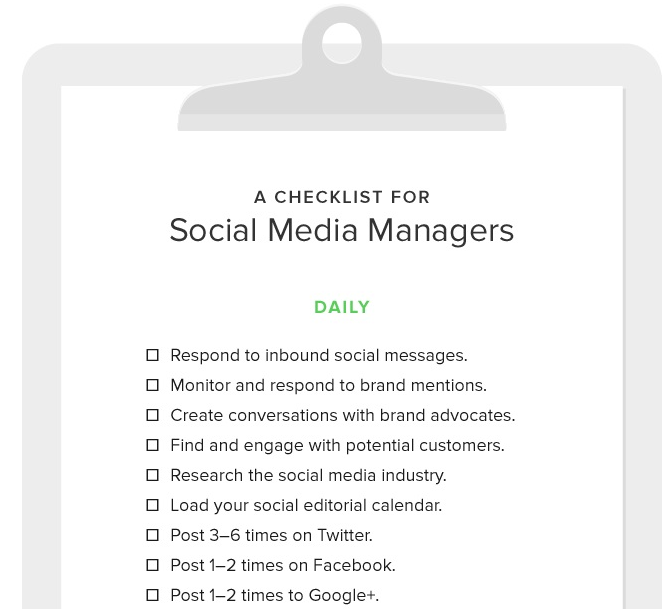
Once a critical audience problem has been identified, the next step involves selecting the most appropriate format for the lead magnet. The overarching principle here is brevity coupled with comprehensive information on a narrow topic. The goal is to be as concise as possible while still delivering a complete, actionable solution. Lengthy ebooks or multi-day courses, while seemingly generous, can be daunting for both creator and consumer, often leading to low completion rates. The most effective formats prioritize quick wins and immediate value.
Several proven lead magnet types cater to different needs and industries, each with distinct advantages:
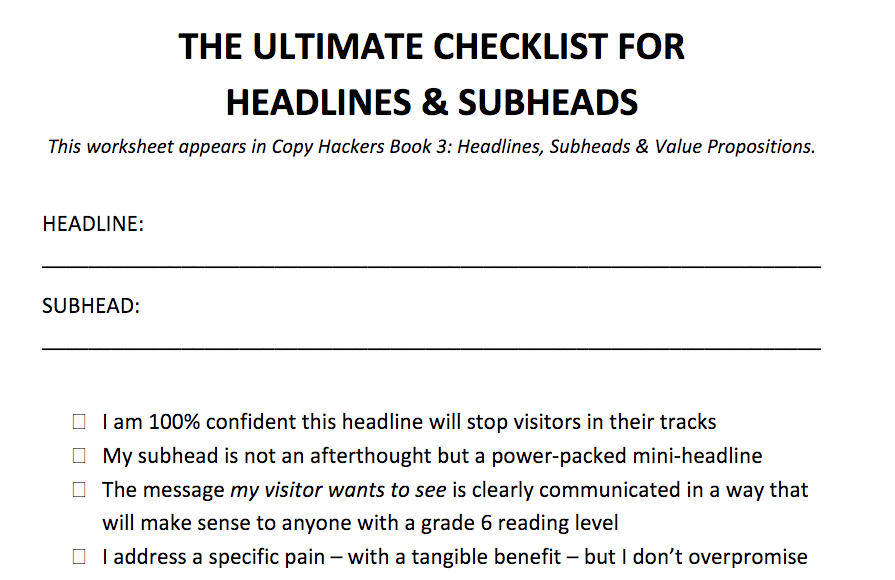
- Checklists/Worksheets: Ideal for audiences seeking structured guidance to accomplish a task. Examples include a "Social Media Content Checklist" for marketers or a "Financial Planning Worksheet" for advisors. These provide actionable steps and a sense of progress, making complex processes manageable. Industry data suggests checklists often have some of the highest engagement rates because they are easy to digest and immediately applicable.
- Coupons/Discounts: A direct transactional incentive particularly effective for e-commerce and physical retail. Offering a percentage off a first purchase or a free trial immediately before or after subscription leverages direct motivation. This immediate value exchange is a powerful driver for list growth, with studies indicating that well-placed discounts can increase sign-up rates by 20-50%.
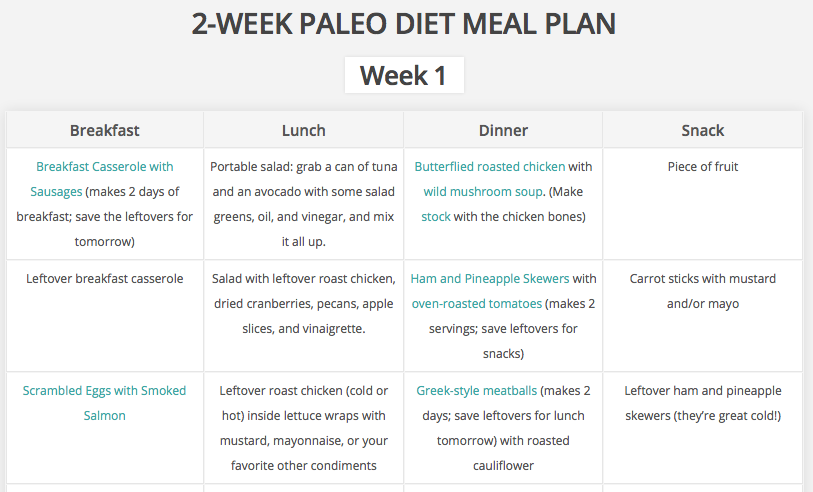
- Plans/Schedules: Best suited for industries like fitness, health, consulting, and marketing where audiences benefit from structured routines or strategic roadmaps. A "2-Week Paleo Diet Meal Plan" or a "30-Day Content Calendar" provides a clear path to achieving a desired outcome, positioning the creator as a knowledgeable guide and simplifying execution for the recipient.
- Templates: Highly valued by professionals in marketing, finance, tech, and coaching. Templates (e.g., email sequence templates, social media caption banks, spreadsheet dashboards) eliminate the burden of creation for the user, offering a "done-for-you" solution. The perceived value is exceptionally high because they save significant time and effort, making them exceptionally high-converting. For instance, a "Swipe File of High-Converting Sales Email Sequences" can be invaluable to a small business owner.
- Quizzes: Engaging and highly personalized, quizzes work well for coaches, consultants, and educators where the solution depends on individual circumstances. A quiz like "What’s Your Ideal Business Growth Strategy?" provides an immediate, personalized result, often followed by tailored advice delivered via email. This interactive format builds trust and allows for immediate segmentation of the audience, leading to higher engagement in subsequent communications.
- Free Email Courses: Delivering content in a drip-feed fashion over several days trains subscribers to anticipate and open emails. Each lesson is typically short (300-500 words) and focuses on a single concept with an actionable step. This format establishes the creator’s teaching style and expertise, making future offers (e.g., paid courses, consultations) a natural progression. A "5-Day Email Marketing Kickstart" exemplifies this, building skill and trust over time.
- Done-for-you Assets: These are an evolution of templates, providing even more pre-built content. Examples include pre-written email sequences, AI prompt libraries, or scripts. They address the common request: "Can you just give me something I can use right now?" and convert at higher rates due to their ultimate convenience.
Content Development: Efficiency, Authority, and Originality
With the problem identified and format chosen, the focus shifts to content creation. The process should be streamlined, especially for shorter formats. A common strategy involves dedicated, focused writing sprints (e.g., one hour of non-stop drafting) followed by thorough editing.

Key principles for effective lead magnet content include:
- Specificity: The content must directly and completely solve the single problem identified in the research phase. Avoid tangents or attempting to cover too much ground. A precise focus ensures the lead magnet is cohesive, easy to consume, and delivers immediate, tangible value.
- Efficiency through Repurposing: Smart marketers leverage existing content. Blog posts, past emails, presentations, or even internal documents can be repurposed, updated, and condensed to form the core of a new lead magnet, significantly reducing creation time. This strategy maximizes the return on existing content investments and ensures consistency in messaging.
- Authoritative Voice: The lead magnet serves as a trust-building mechanism, positioning the creator as an expert. The language used must convey certainty and confidence. Phrases like "in my opinion" or "I think" dilute authority. Instead, direct, declarative statements reinforce expertise, making the advice more credible and compelling. For example, a financial advisor stating "Invest in Amazon stocks this quarter" is far more impactful than "In my opinion, you should invest in Amazon stocks this quarter."
- Originality and Unique Insights: The most valuable lead magnets offer information that cannot be readily found elsewhere through a simple search engine query. Sharing proprietary frameworks, unique case studies, original research, or innovative approaches elevates the lead magnet from a generic offering to an indispensable resource. This uniqueness justifies the exchange of an email address and fosters a deeper appreciation for the creator’s expertise.
Technical Implementation: Seamless Delivery and Engagement
Once the lead magnet is complete, effective delivery mechanisms are crucial. The goal is to provide instant access while seamlessly integrating the new subscriber into the email list.
Common hosting and delivery methods include:
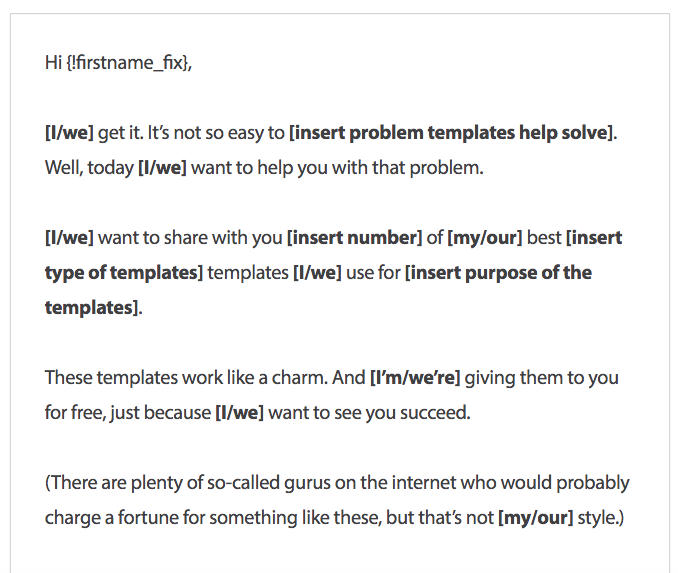
- Cloud-Based Document Sharing (e.g., Google Sheets/Docs): For interactive lead magnets like checklists or worksheets, hosting on platforms like Google Sheets with "view-only" permissions and instructing users to "make a copy" is highly effective. This allows for live, editable resources without complex downloads.
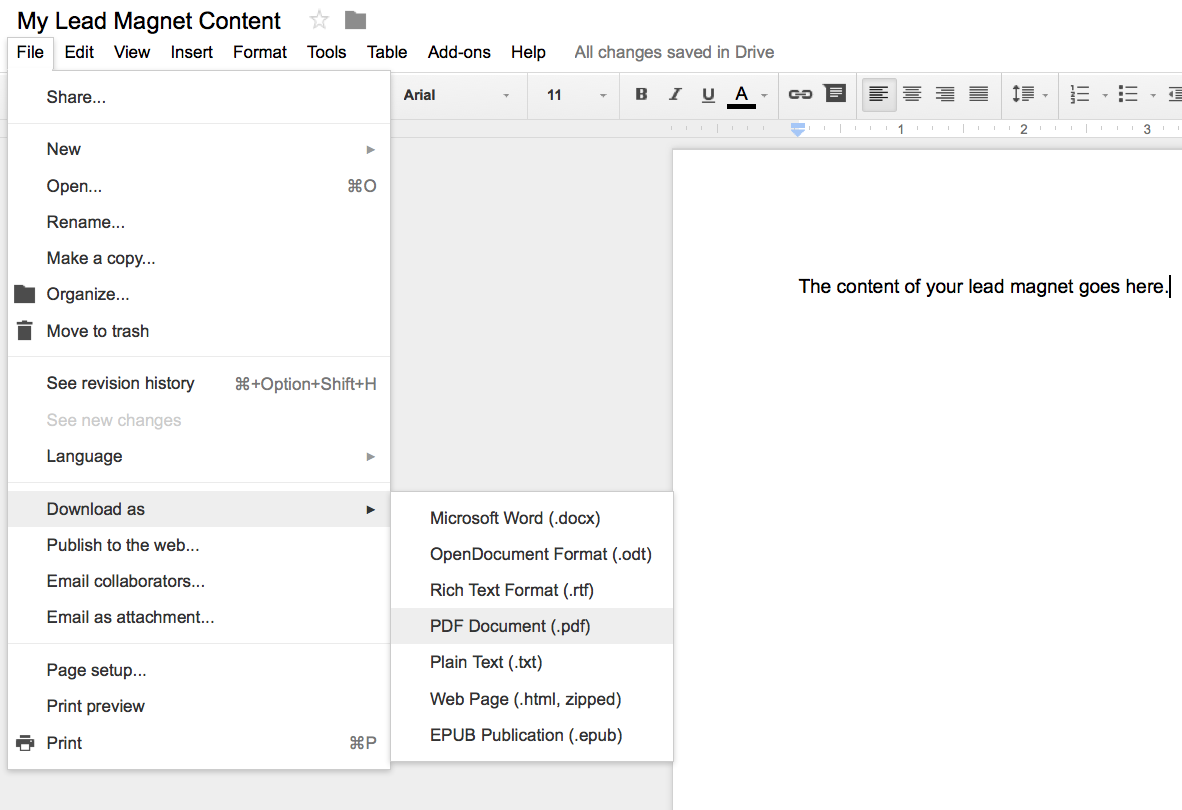
- Hosted PDFs: For guides, templates, or reports, converting the content into a PDF and hosting it on a website server or cloud storage (e.g., Dropbox, Google Drive) allows for easy hyperlinking within a welcome email. This is a standard and widely accepted method.
- Direct Email Content: For simple coupons or brief templates, the content can be directly embedded within the welcome email itself, offering immediate gratification without an extra click.
- Integration with Email Automation Platforms: Modern email marketing platforms are designed to automate lead magnet delivery. A welcome email, triggered immediately upon sign-up, delivers the resource link. Furthermore, these platforms facilitate the creation of automated follow-up sequences.
Beyond Delivery: The Critical Follow-Up Sequence
A common pitfall in lead magnet strategy is the absence of a structured follow-up. While the welcome email delivers the promised resource, the subsequent emails are instrumental in nurturing the lead and guiding them toward a buying decision. Neglecting this step often results in high download numbers but low sales conversions. Industry analysis indicates that businesses that implement robust post-lead magnet email sequences see significantly higher conversion rates, often turning 1-5% of new subscribers into customers within the first 30-90 days, compared to less than 0.5% for those without such sequences.
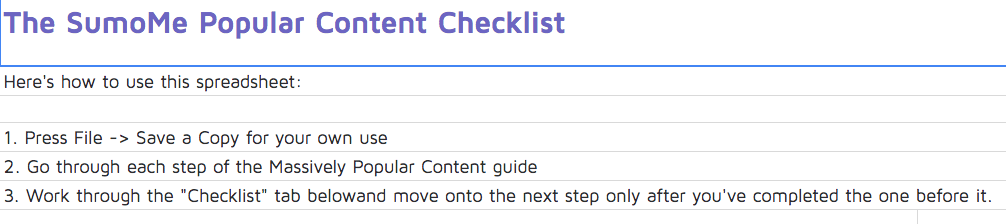
A robust, automated three-to-four email sequence is highly recommended:
- Email 1 (Immediate): The welcome email, delivering the lead magnet and thanking the subscriber for joining.
- Email 2 (Day 2-3): Offers guidance on how to best utilize the lead magnet, provides additional tips, or shares a related quick win. The aim is to ensure the subscriber actually uses the resource and experiences its value, thereby reinforcing the initial positive interaction.
- Email 3 (Day 4-5): Presents a relevant success story, testimonial, or case study demonstrating the broader impact of the creator’s work, building further trust and social proof. This helps subscribers visualize their own success with the business’s solutions.
- Email 4 (Day 6-7): Introduces the creator’s core offer (e.g., a product, service, or consultation) as the natural next step for those who found value in the lead magnet and are ready for a deeper solution. This email clearly connects the free resource to the paid offering, making the transition logical and value-driven.
This automated drip campaign, configured once within an email workflow editor, ensures consistent engagement and systematically moves subscribers through the sales funnel, transforming one-time downloads into engaged prospects and potential customers.
Optimizing Conversion: The Role of Sign-Up Forms and Landing Pages
The final component of a successful lead magnet strategy is the entry point for subscribers: the sign-up form. Its design and placement significantly influence conversion rates.

- Website Integration: Embedding sign-up forms directly onto a website (e.g., as pop-ups, inline forms, or sticky bars) allows for organic lead capture. These forms should be visually appealing, clearly state the value proposition of the lead magnet, and be easy to complete, typically requiring only an email address and sometimes a first name.
- Dedicated Landing Pages: For maximum conversion, a dedicated landing page for the lead magnet is often superior. Landing pages are designed with a singular focus: compelling visitors to subscribe. By removing navigation menus, external links, and other distractions, a landing page keeps the visitor focused solely on the lead magnet’s offer, significantly increasing opt-in rates. These pages typically feature compelling headlines, clear benefit statements, an enticing image of the lead magnet, and a simple sign-up form. Many email marketing platforms offer customizable landing page templates to simplify this process, emphasizing a single call to action.
Broader Implications and Future Trends
The strategic creation and deployment of lead magnets have far-reaching implications for business growth and sustainability. A well-executed lead magnet strategy:

- Boosts Email List Growth: Directly expands a business’s most valuable marketing asset – its email list – at an accelerated pace. Email marketing consistently delivers one of the highest returns on investment in digital marketing, often cited at an average of $36 for every $1 spent, according to studies by Litmus and Campaign Monitor. Lead magnets are the primary gateway to harnessing this power.
- Qualifies Leads: Attracts individuals genuinely interested in the specific problem the business solves, leading to a higher quality subscriber base more likely to convert into paying customers. This pre-qualification reduces wasted marketing efforts.
- Establishes Authority and Trust: Positions the business as an expert and a reliable source of solutions, building credibility from the very first interaction. This trust is invaluable for long-term customer relationships.
- Generates ROI: By nurturing leads through automated sequences, lead magnets contribute directly to increased sales and customer lifetime value.
Looking ahead, the evolution of lead magnets will likely see increased personalization, leveraging AI and data analytics to tailor offers based on browsing behavior, demographic data, or previous interactions. Interactive content, such as advanced quizzes, personalized diagnostic tools, or generative AI-powered content creation tools, will continue to gain prominence, offering deeper engagement and immediate, custom value. Furthermore, the emphasis on immediate, hyper-specific value will only intensify, as audiences become increasingly discerning about the information they consume and the personal data they share. Businesses that prioritize genuine value and efficient delivery will lead in the competitive digital landscape.
In conclusion, creating a high-converting lead magnet is not a monumental task but a strategic exercise in identifying audience needs, delivering focused value, and nurturing relationships. By adhering to principles of specificity, efficiency, authority, and systematic follow-up, businesses can transform simple freebies into powerful engines for list growth, trust-building, and ultimately, sustainable revenue generation. The era of the cumbersome, generic lead magnet is fading; the future belongs to targeted, impactful, and easily consumable solutions that truly serve the audience.