rifanmuazin
The digital ecosystem stands on the precipice of a transformative shift, driven by the emergence of agentic artificial intelligence (AI). Moving beyond conventional prompt-and-response interactions, these advanced AI systems are capable of autonomous action, identifying opportunities, suggesting improvements, and adapting to dynamic digital trends with minimal human intervention. This evolution heralds a profound reshaping of Search Engine Optimization (SEO), compelling a re-evaluation of how continuous discoverability is achieved and maintained in an increasingly AI-mediated web.
Understanding the Web’s Transformation: From Open Graph to Agentic Layers
For decades, the internet has functioned as a sprawling, interconnected graph of entities—websites representing individuals, businesses, concepts, and ideas, all linked through content, context, and trust. This foundational structure, often referred to as the "open web," has remained remarkably stable, with humans creating content and users discovering it primarily through direct search engine queries or inbound links. Meaning was forged through individual exploration and synthesis of information.
However, a significant paradigm shift is underway, not in the fundamental structure of the web itself, but in how it is accessed and consumed. Historically, discovery was a largely direct interaction between a human user and a website. Users searched, clicked, read, compared, and drew their own conclusions. Today, AI systems are increasingly interceding in this journey, positioned between the user and the vast expanse of the web. These systems interpret, summarize, and, in some cases, actively decide which information to surface, fundamentally altering the user’s interaction with online content.
This intermediary role is precisely where the concept of AI agents takes root. These are not merely tools designed to generate text or images; they are sophisticated systems capable of navigating the web, retrieving information autonomously, and potentially acting upon it to fulfill user objectives. Early conceptualizations, such as experiments in natural language interfaces like NLWeb, offer a glimpse into a future where web interaction becomes more conversational and goal-oriented, without necessarily sacrificing the open and interconnected nature of the underlying web. The collaboration between entities like Yoast and Microsoft on initiatives to help AI understand the Open Web further underscores this direction, highlighting industry efforts to ensure AI agents can effectively interact with and leverage the existing web’s rich data.
Some industry observers have termed this evolving landscape the "agentic web." It is crucial, however, to perceive this not as a wholesale transformation that replaces the existing internet, but rather as an intelligent layer forming on top of it. The core tenets of the open web persist: content creation by human authors remains paramount, and the significance of links for establishing authority and relevance continues. What is undeniably evolving is the intricate process through which that content is discovered, interpreted, and ultimately utilized by both human and artificial intelligence. This shift in interaction patterns bears profound implications for the discipline of SEO.
SEO in the Agentic Era: A Paradigm Shift in Discoverability
If AI agents are fundamentally reshaping human interaction with the web, the logical corollary is a re-evaluation of SEO’s role. For years, SEO has predominantly focused on enhancing content discoverability for human users, primarily through optimizing for search engine rankings, improving visibility, and driving user clicks. However, as AI agents increasingly mediate this journey—not just retrieving information but actively interpreting and acting on it—SEO’s mandate must expand. This expansion is not about replacing existing practices but building strategically upon them.
Beyond Rankings: The Imperative of System Selection
In a highly agent-driven environment, discoverability may no longer be solely contingent on a website’s ranking position in a traditional search results page. Instead, it will increasingly depend on whether an AI system selects, trusts, and integrates specific content into its responses or workflows. This introduces a subtle yet critical shift in optimization objectives. Traditional SEO aimed at maximizing clicks and direct traffic; agentic SEO will aim for content to be recognized, processed, and utilized by AI agents as a credible and relevant source.
AI agents interact with the web differently than humans. They do not typically "browse" pages in the conventional sense. Instead, they parse vast datasets, extract structured information, identify entities and their relationships, and often process information programmatically. This means that optimizing solely for human readability and direct engagement will be insufficient. SEO strategies must also account for machine interpretability, ensuring content is not only comprehensible to humans but also easily digestible and actionable for AI systems. The goal shifts from merely appearing high in search results to being intrinsically valuable to an AI agent seeking to synthesize information or perform a task.
Optimizing for AI Inclusion:
The new frontier for SEO involves optimizing for inclusion in AI-generated responses and automated workflows. This could manifest as content being cited in an AI’s summary, integrated into a personalized recommendation, or utilized by an agent executing a complex task for a user. The metrics of success may expand beyond traditional traffic and conversion rates to include new measures of content utility and citation by AI systems. This conceptual chronology illustrates the progression:
- Traditional SEO (Pre-AI): Focus on keywords, backlinks, on-page optimization for human search queries, aiming for high SERP rankings to drive clicks.
- AI-Mediated SEO (Current Phase): Adapting to AI-generated summaries (e.g., Google’s Search Generative Experience), optimizing for featured snippets, and ensuring content clarity for summarization. Still largely about direct human consumption via AI.
- Agentic SEO (Emerging Phase): Optimizing for machine selection, interpretability, and actionable integration by autonomous AI agents, where content might be used by an agent without direct human interaction.
Evolving SEO Fundamentals: What Endures, What Adapts, What Emerges
The advent of agentic AI does not render traditional SEO obsolete; rather, it elevates certain fundamentals while demanding evolution in others and introducing entirely new areas of focus. As Alex Moss aptly describes it, the web is evolving into "two parallel experiences: the ‘human’ web and the ‘agentic’ web." SEO professionals are now tasked with serving both.
Core Tenets Remain Relevant:
Several foundational elements of SEO will continue to be critical because AI systems, much like human users, still rely on the web as their ultimate source of truth.
- Experience, Expertise, Authoritativeness, and Trust (E-E-A-T): AI agents, in their quest for reliable information, will prioritize content from authoritative and trustworthy sources, making E-E-A-T more crucial than ever. Building a strong brand identity and demonstrating genuine expertise will signal credibility to both humans and machines.
- Core Web Vitals and Technical Health: Page speed, interactivity, and visual stability remain vital for both human user experience and machine crawlability. A slow, unstable site hinders AI agents from efficiently processing content.
- High-Quality, Comprehensive Content: Well-researched, accurate, and valuable content that thoroughly addresses user intent will always be the bedrock. AI agents will seek out content that provides definitive answers and deep insights.
- Semantic SEO: Understanding the relationships between entities, concepts, and topics within content will become even more pronounced. AI agents excel at processing semantic connections, making a coherent and logically structured content strategy essential.
- Mobile-Friendliness: With a significant portion of web interactions occurring on mobile devices, ensuring content is responsive and accessible across all screen sizes remains non-negotiable for both human and AI access.
Adaptations in Established Practices:
Some traditional SEO practices will evolve to meet the demands of an agentic web.
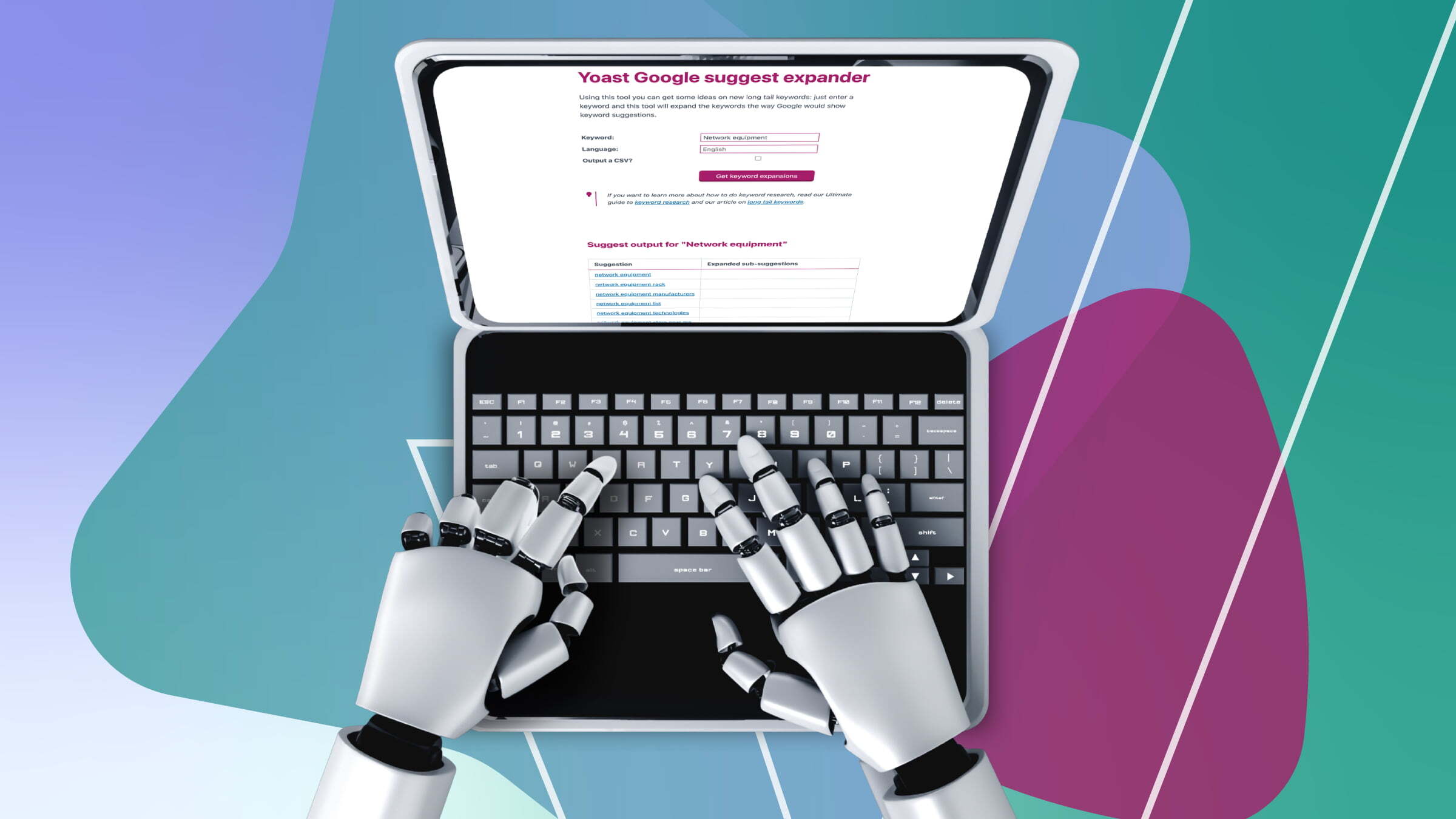
- Keyword Research: This will shift from merely identifying high-volume search terms to understanding the underlying intent and context of queries. AI agents operate on a deeper understanding of language, necessitating a more nuanced, conversational, and entity-focused approach to keyword strategy.
- Link Building: While still crucial for authority, the focus may broaden to building links that explicitly signal trust and relevance to AI systems. Links might be evaluated not just for "PageRank" but for their ability to connect entities and reinforce semantic networks, contributing to a holistic understanding of a website’s authority by AI.
- Traditional Technical SEO: This will evolve beyond basic crawlability and indexing to emphasize machine interpretability. Ensuring content is easily understood by AI parsers will be paramount.
New Frontiers for Optimization:
The agentic web introduces entirely new areas of focus for SEO.
- Entity Optimization: Clearly defining and connecting entities (people, places, organizations, concepts) within content will be essential. AI agents operate based on entity graphs, and content that explicitly maps these entities will be more discoverable and actionable.
- Advanced Structured Data (Schema Markup): While already important, structured data will become foundational. Implementing rich schema markup that accurately describes content, relationships, and intent will directly inform AI agents, allowing them to precisely extract and utilize information. The use of schema aggregation, as seen in tools like Yoast SEO, which connects disparate pieces of structured data into a unified graph, exemplifies this critical shift.
- Content Adaptation for AI Consumption: Content may need to be structured in ways that facilitate AI summarization, extraction, and reuse. This could involve clear headings, concise paragraphs, Q&A formats, and explicit definitions.
- User Journey Optimization for AI: Understanding how AI agents might guide users through complex tasks and optimizing content to fit various stages of these AI-mediated journeys.
Agentic AI in SEO Workflows: Reshaping Operational Paradigms
The integration of agentic AI into SEO workflows promises a transformation from periodic, reactive tasks to continuous, proactive, and adaptive processes. This shift doesn’t imply the replacement of SEO teams but rather a powerful augmentation and redistribution of labor.
- From Periodic Audits to Continuous Optimization: Traditionally, SEO teams conduct audits at fixed intervals using manual tools. Issues identified are then manually prioritized and fixed. With agentic AI, systems can continuously monitor site performance, identify issues (e.g., broken links, missing metadata, slow load times) in real-time, and either suggest or even implement fixes immediately. This transforms optimization into an ongoing, dynamic process, less dependent on scheduled audits.
- Anticipation Over Reaction: Current SEO often responds to visible changes—a drop in rankings, an algorithm update. Agentic AI can analyze vast patterns in search behavior, performance data, and emerging trends to detect early signals. This allows for the proactive identification of new topics, shifting user intent, or declining engagement before they significantly impact visibility.
- Guided Systems and Automated Execution: Tasks such as in-depth keyword research, content clustering, on-page optimization, and internal linking are typically performed manually or with assistance from static tools. Agentic AI can assist by identifying granular keyword opportunities, intelligently grouping topics, suggesting precise content optimizations, and even applying specific changes directly. This empowers SEO specialists to elevate their focus to strategy, reviewing AI outputs, and setting overarching priorities.
- Dynamic and Adaptive Content Strategies: Content creation often involves a publish-and-revisit cycle, with updates triggered by performance drops or scheduled refreshes. Agentic AI can enable content to evolve dynamically. Systems can recommend real-time updates based on performance metrics, refine sections for clarity, or restructure content to better align with evolving user intent and AI consumption patterns, ensuring evergreen relevance.
- Intelligent Infrastructure for Technical SEO: Technical SEO traditionally involves periodic checks for crawl errors, indexing issues, and schema gaps, with manual prioritization of fixes. Agentic AI systems can continuously monitor technical health, automatically prioritize critical issues, suggest solutions, and, in some cases, implement them directly. Structured data, internal linking strategies, and overall site architecture can be dynamically optimized based on real-time data and AI-driven insights.
Industry experts widely acknowledge that while AI can automate many repetitive and data-intensive tasks, human oversight remains indispensable. The nuanced understanding of brand voice, strategic intent, and ethical considerations are areas where human judgment will continue to play a critical role, guiding the intelligent infrastructure.
Strategic Implications for SEO Professionals and Teams
The evolving landscape suggests not a displacement, but a significant redistribution of tasks and a reshaping of required skill sets for SEO professionals.
Redistribution of Expertise: Agentic AI is poised to take on:
- Repetitive Data Analysis: Sifting through vast datasets for trends and anomalies.
- Routine Monitoring: Continuous checks for technical issues or performance fluctuations.
- Content Generation (Drafting): Producing initial content drafts, summaries, or specific sections based on parameters.
- Minor Technical Adjustments: Implementing basic schema markup, internal link suggestions, or canonical tags.
- Personalized Content Delivery: Tailoring experiences based on real-time user behavior.
This liberation from mundane tasks allows human SEO professionals to focus more on:
- Brand Building and Storytelling: Crafting compelling narratives that resonate emotionally with human audiences.
- Strategic Vision and Goal Setting: Defining long-term SEO objectives and aligning them with overall business goals.
- Ethical Considerations and Governance: Establishing guardrails for AI agent behavior, ensuring transparency, and mitigating bias.
- Deep User Empathy and Intent Understanding: Deciphering complex user needs that AI might miss, and translating them into strategy.
- Creative Problem Solving: Tackling novel or highly complex SEO challenges that require human ingenuity.
- Cross-Functional Collaboration: Working with content, development, and marketing teams to integrate SEO strategy holistically.
Developing New Skill Sets: The shift necessitates that SEO professionals develop a hybrid skill set, combining traditional SEO expertise with an understanding of AI capabilities, data science, prompt engineering, and governance frameworks. The ability to "talk to" and effectively guide AI agents will become a core competency.
Navigating the Challenges: Risks and Complexities of Agentic AI Adoption
While the potential benefits of agentic AI in SEO are considerable, its adoption is not without significant risks and challenges. These trade-offs introduce new dependencies, layers of complexity, and critical decisions for SEO teams.
- Technical and Integration Hurdles: Agentic systems rarely operate in isolation. They require deep integration with existing Content Management Systems (CMS), analytics platforms, customer relationship management (CRM) tools, and various other data sources. This complexity can lead to significant development costs, compatibility issues, data silos, and a steep learning curve for implementation and maintenance. For many organizations, a simple "plug-and-play" solution is unlikely, demanding substantial investment in time, expertise, and cross-departmental coordination.
- The Crucial Role of Data Quality: Agentic AI’s efficacy is profoundly dependent on the quality of the data it receives. If the input data is incomplete, inaccurate, biased, or inconsistent, the resulting outputs—whether content recommendations, technical fixes, or strategic insights—will reflect these flaws. At scale, even minor inconsistencies can cascade, influencing numerous decisions and potentially leading to detrimental outcomes. Therefore, establishing robust data governance, ensuring clean and reliable data sources, and continuous data validation will become paramount.
- Risk Amplification and Governance: One of agentic AI’s greatest strengths is its speed and ability to execute tasks rapidly. However, this same velocity can amplify unintended consequences if not properly managed. Without clear guardrails and robust governance frameworks, an agent might inadvertently implement changes that negatively impact rankings, user experience, or brand reputation. For instance, an agent tasked with optimizing content could inadvertently alter brand voice or introduce factual inaccuracies if not properly constrained. Approval checkpoints and human oversight will be essential to ensure alignment with strategic objectives and ethical guidelines.
- Addressing Hallucinations and Accuracy: AI systems, particularly large language models, are known to occasionally "hallucinate," generating plausible but factually incorrect information. In an SEO context, this could manifest as an agent recommending keyword strategies based on non-existent trends, optimizing content with misleading information, or making technical changes that are technically unsound. Identifying these inaccuracies can be challenging, requiring ongoing human validation and source-checking to maintain content integrity and trust.
- Nuance and Contextual Understanding: SEO often extends beyond quantifiable data, encompassing subjective elements like tone, brand voice, cultural context, and subtle user intent. Agentic systems may struggle to fully capture these nuances, potentially leading to outputs that are technically correct but contextually misaligned or lacking in human appeal. For example, an AI might optimize an article for keywords but miss the subtle emotional resonance required for a specific audience. Human input will remain crucial for injecting this level of sophisticated understanding.
- The Automation-Human Judgment Balance: A central challenge will be determining the optimal balance between automation and human judgment. Deciding which tasks to fully automate, which require human review, and which should remain entirely human-driven will be a continuous strategic decision. Over-automation risks losing control and nuance, while under-automation negates the efficiency benefits of AI.
- Investment and Learning Curve: The initial investment in agentic AI systems—covering software, integration, infrastructure, and training—can be substantial. The technology is still rapidly evolving, meaning that costs, capabilities, and best practices are in constant flux, introducing a degree of uncertainty. For many teams, adoption will likely be a gradual process, involving extensive testing, iteration, and continuous learning.
- Zero-Click Experiences and Traffic Measurement: As AI systems become more adept at synthesizing information and providing direct answers, zero-click experiences—where users find their answer directly from the AI without visiting a website—are likely to become more prevalent. This doesn’t diminish the importance of SEO for content discoverability, but it does shift how success is measured. Metrics such as visibility, brand mentions, and AI citation rates may become as crucial as direct website traffic and conversions.
The Future of Discoverability: A Collaborative Human-AI Ecosystem
Agentic AI opens up unprecedented possibilities for SEO, but it also introduces complex considerations. Its successful integration will require adaptability, a willingness to rethink established processes, and a commitment to continuous learning. The ultimate goal may not be full automation but rather a more sophisticated and effective collaboration between human intelligence and artificial intelligence.
Even as agents assume more executive functions, the fundamental responsibilities for strategic direction, factual accuracy, and fostering trust will undoubtedly remain with human SEO professionals. This profound shift redefines what constitutes "good SEO." It is no longer solely about achieving top rankings but about ensuring content is selected, interpreted, and effectively reused by intelligent systems. SEO must evolve to prepare content for existence and discoverability across multiple, increasingly layered iterations of the web.
The core question for SEO professionals is evolving from "How do we rank?" to a more expansive inquiry: "How do we ensure our content is understood, selected, and trusted by both humans and AI agents across the evolving web, and how do we measure its impact in an increasingly AI-mediated discovery landscape?" The answers to these questions are still unfolding. This is not a static destination but an ongoing journey, where SEO, far from disappearing or being replaced, will continue to adapt, stretch, and innovate alongside a web that is becoming more dynamic, more layered, and profoundly more intelligent.