rifanmuazin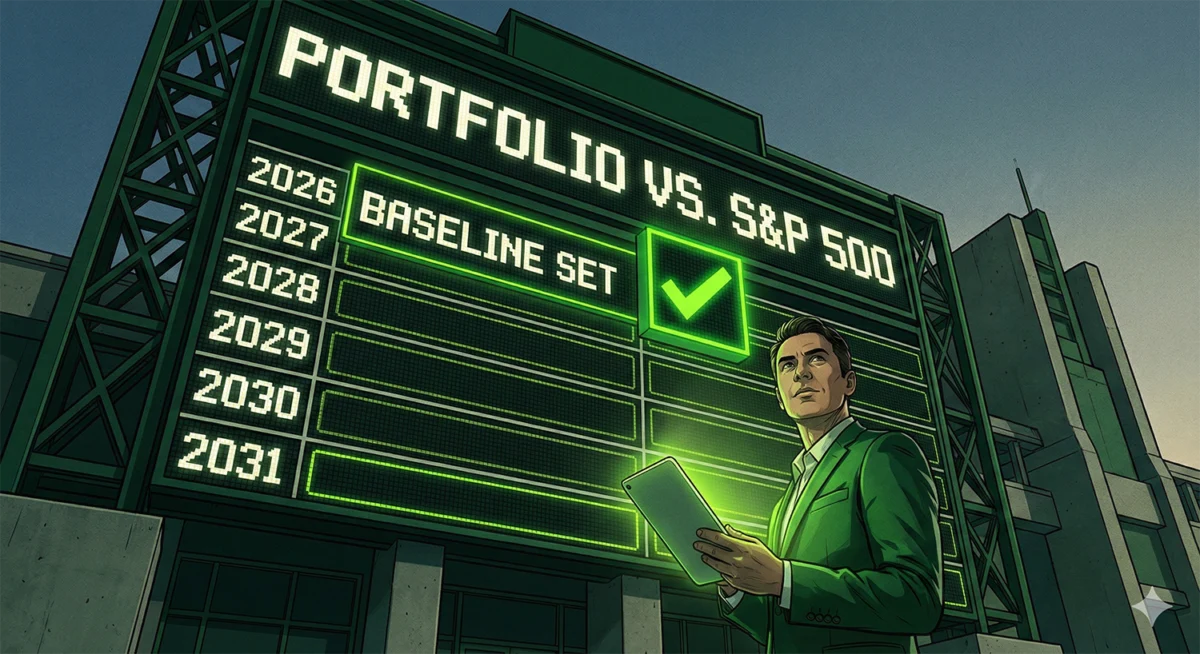
A prominent figure in the e-commerce entrepreneurial community has outlined a comprehensive strategy for building personal wealth in parallel with business growth, emphasizing the critical importance of a diversified personal balance sheet for long-term financial security and strategic decision-making. This approach, detailed in a recent financial mastery framework, argues against solely relying on the future sale of a business for financial independence, citing the inherent risks associated with such a singular focus.
The entrepreneur, who chooses to remain anonymous for the purpose of this report but is a recognized voice within the e-commerce sector, shared a detailed breakdown of their personal investment portfolio as a baseline for the year 2026. This disclosure aims to demystify personal financial planning for business owners and to track performance against a widely recognized market benchmark, the S&P 500 index. The core tenet of this strategy is to create "optionality and security" by not being "desperate" when business decisions or market conditions necessitate action.
The Rationale: Beyond Business Exit as Sole Financial Goal
The prevailing narrative for many entrepreneurs centers on a lucrative exit event as the primary pathway to financial freedom. However, this perspective carries substantial risk. Exit valuations are subject to market fluctuations, economic conditions, and the specific performance and appeal of the business at a given time. A failed exit or a sale at a valuation lower than anticipated can have devastating consequences for an individual’s financial future if their entire net worth is tied to that single event.
By contrast, the strategy advocates for the simultaneous development of a personal balance sheet. This involves actively investing in assets separate from the business, creating a buffer against unforeseen circumstances and empowering the entrepreneur to make more strategic, rather than reactive, decisions. This dual-pillar approach to wealth building is presented as a cornerstone of true financial mastery for business owners.
Defining the Personal Balance Sheet: What’s In and What’s Out
For the purpose of this financial reporting, the entrepreneur has established clear parameters for what constitutes their personal investment portfolio. Notably excluded are:
- Primary Residence: The family home is categorized as a consumption asset, not an investment intended for capital appreciation or income generation within this specific framework. Its value, while significant, does not factor into the liquid investment portfolio being tracked.
- Physical Possessions: Personal belongings, vehicles, and other tangible assets are not considered investable in this context, as they generally depreciate and are not readily convertible to cash without significant loss of value.
- The Business Itself: The entrepreneur’s own business is deliberately omitted from the personal balance sheet calculations. This exclusion is crucial because, until an actual sale and liquidation, the business represents an illiquid and volatile asset. Including it could create a misleading sense of security and inflate perceived net worth prematurely. The focus is on assets that can be readily managed and valued independently of the business’s operational status.
This disciplined approach ensures that the reported figures reflect actual liquid investment performance, providing a clearer picture of financial progress and risk exposure.
Portfolio Allocation: A Diversified Approach
The 2026 baseline personal balance sheet reveals a thoughtfully constructed portfolio designed for growth and resilience. The allocation is as follows:
-
3.5% Individual Stocks: This segment represents a deliberate, albeit small, allocation to high-conviction individual stock picks. The philosophy here is that investing should be predominantly "boring and intentional," with only a small percentage dedicated to "bold" bets. These bold bets are reserved for areas where the investor possesses deep conviction in outperformance, and the position size is substantial enough to make a meaningful impact if the thesis proves correct. The current individual stock holdings are:

- Shopify: Identified as a near-monopoly in the e-commerce hosted software space, second only to Amazon. Its increasing entrenchment and lack of viable alternatives in its niche are key drivers for this investment.
- Cloudflare: While internal operational details are less understood, positive feedback from industry contacts and personal experience with the service have fostered confidence. The company is recognized for its strong performance across multiple areas and a robust company culture.
-
63% Index Funds: The vast majority of the portfolio is invested in broad-market index funds. This allocation is primarily focused on the U.S. total market, with approximately 15% allocated to international stocks. There are currently no bond holdings. This "boring but intentional" strategy emphasizes low fees and a long-term holding period. Efforts are underway to slightly increase international exposure, driven by strong recent international stock performance and the belief in ongoing valuation potential and diversification benefits. The core principle remains: invest in broad market index funds, minimize fees, and hold for the long term.
-
12% Cryptocurrency: This allocation is primarily concentrated in Bitcoin and Ethereum. The enduring belief in these assets as a non-institutional store of value and a hedge against potential monetary policy missteps by governments remains a key rationale. However, a notable observation is the increasing correlation of cryptocurrency with risk assets, rather than its perceived role as "digital gold." The performance of Bitcoin relative to gold, which saw significant gains over the past year, has been a point of concern. Despite this, the long-term fundamentals are viewed favorably, and existing gains are being held to avoid immediate tax implications, while also serving as a meaningful diversification play against institutional financial systems. The growth of institutional adoption is acknowledged as a factor that could moderate future upside potential and increase volatility.
-
11% Real Estate: This portion of the portfolio is represented by a single rental property. The investor acknowledges that this is not a purely optimal investment but rather a property they personally value and are renting out temporarily. The experience of managing a short-term rental, even with third-party management, has provided a newfound appreciation for the operational complexities involved. This has also, paradoxically, led to a greater appreciation for the value proposition offered to travelers by platforms like Airbnb, who can utilize such services without the burden of property management.
-
9% Cash: A cash cushion is maintained, particularly given that market valuations are at historical highs. Half of this cash is earmarked for a "big bets" fund, reserved for high-conviction opportunities where a significant investment can be made. The investor is actively seeking such opportunities in 2026.
-
Less Than 1% Private Investments: This small allocation is spread across three early-stage companies founded by individuals the investor trusts: IntelliGems, Postpilot, and Kanpai Foods. While the investor recognizes the value of private investments when possessing domain expertise and having access to trusted founders, this segment remains a minor component of the overall portfolio.
Strategic Divestments: Lessons Learned from Two Key Sales
In the reporting period leading up to the 2026 baseline, two significant divestments were made from the portfolio:
-
Tesla: After approximately four years of ownership, Tesla was sold. The initial investment thesis was driven by the superior product and customer satisfaction with their electric vehicles. However, a perceived shift in the company’s strategic focus from automotive manufacturing to ambitious ventures in robotics, self-driving technology, and automated taxis prompted a re-evaluation. The investor, not having conducted the in-depth due diligence required to assess the trillion-dollar valuation potential of these new ventures, felt their original investment thesis was no longer aligned with the company’s direction. Furthermore, increasing "key man risk" associated with Elon Musk, given his age, intense workload across multiple companies, and the growing risk associated with his multifaceted leadership, contributed to the decision to exit. At a valuation exceeding one trillion dollars and with a changed investment thesis, the timing was deemed appropriate for divestment.
-
Airbnb: This sale is characterized as one of the investor’s more recent poor decisions. The initial investment was a "knee-jerk" reaction, made without sufficient conviction after hearing a recommendation. The stock was held for approximately six to twelve months, resulting in a near break-even outcome before being sold. The personal experience of setting up an Airbnb rental highlighted a lack of conviction in the company’s future growth trajectory. While not deemed a poor operator, the company’s multi-year track record of lackluster growth and an unclear catalyst for significant future acceleration led to the divestment. The key takeaway from this experience is the importance of making investment decisions with high conviction, advocating that any investment lacking such conviction should be allocated to a broad-market index fund.
Looking Ahead: A Commitment to Transparency and Growth
The entrepreneur plans to provide annual updates on the performance of this personal balance sheet against the S&P 500 index. This commitment to transparency is intended to serve as a valuable resource for other entrepreneurs seeking to navigate the complexities of personal financial management alongside their business endeavors. The ultimate goal is to foster a community of financially empowered business owners capable of making informed, strategic decisions that lead to sustained wealth and security.