rifanmuazin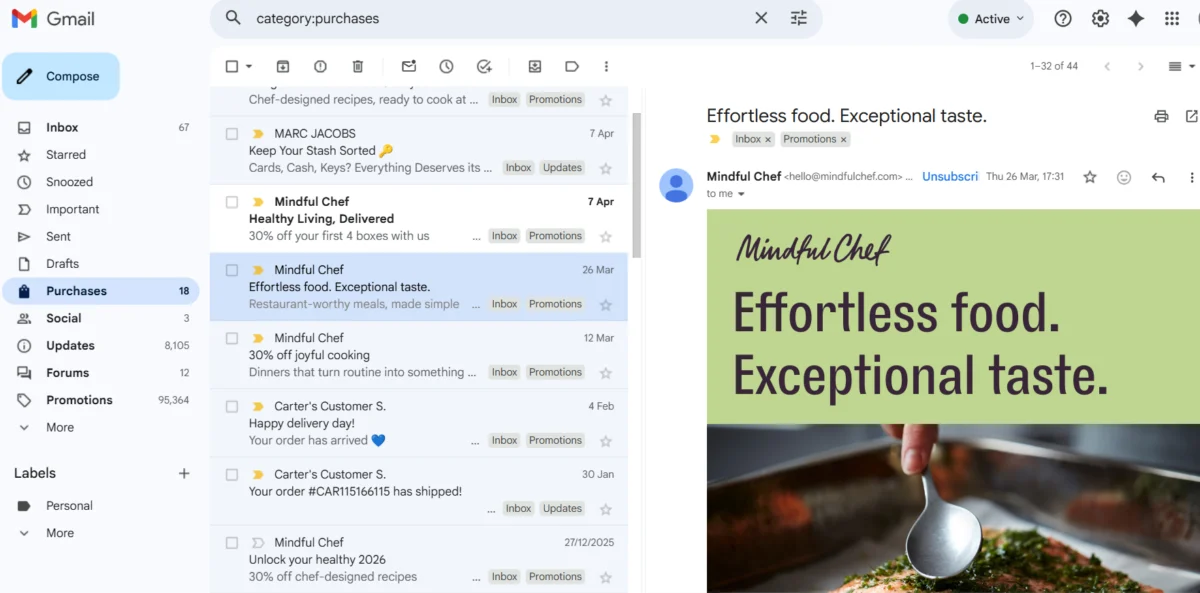
The digital marketing landscape is currently navigating a significant shift as email senders report substantial declines in Gmail open rates, a trend that began in late 2025 and has accelerated into 2026. This phenomenon, which has seen some Validity customers experiencing quarter-over-quarter drops exceeding 30 percent, signals not a breakdown in email deliverability, but rather a profound evolution in how Gmail processes and presents messages to its users. Validity’s own comprehensive engagement data corroborates this observation, revealing a marked decrease of approximately one-third in Gmail image loading activity—including the crucial tracking pixels—by late November 2025. This downturn is widely attributed to Gmail’s likely reduction in the frequency of image prefetching, a process that has routed through their proxy servers since 2013. Fewer prefetched pixels inherently translate to fewer recorded opens, even if the actual human readership of emails remains largely unchanged. While this technical adjustment is a primary driver, industry experts and data analysts at Validity emphasize that it merely scratches the surface of a broader, more intentional transformation within the Gmail ecosystem, one that echoes similar shifts previously observed at other major mailbox providers like Apple and Yahoo.
A Shifting Paradigm: The Chronology of Gmail’s Transformation
The current changes in Gmail are not isolated incidents but rather the culmination of a multi-year strategy by Google to enhance user experience, privacy, and engagement quality. This mirrors a larger industry trend where mailbox providers are increasingly empowering users with greater control over their inboxes and leveraging advanced technologies like artificial intelligence to filter and present information more intelligently.

2013: The Genesis of Proxy Servers
The journey towards the current state began subtly in 2013 when Gmail introduced proxy servers for image loading. This move, primarily aimed at protecting user privacy by masking IP addresses and scanning images for malware, inadvertently introduced a mechanism that could lead to "false opens." By prefetching images (including tracking pixels) through their servers, Gmail would sometimes trigger an open event even if a user hadn’t actively engaged with the email. This laid the groundwork for the current reduction in prefetching.
2021: Apple Mail Privacy Protection (MPP) as a Precursor
A significant precedent for the current Gmail shifts was established in 2021 with the introduction of Apple Mail Privacy Protection (MPP). MPP fundamentally altered how email open rates were measured for users accessing their mail through Apple’s Mail app. By pre-loading all emails via proxy servers, regardless of whether the user actually opened them, MPP caused a significant inflation of reported open rates. This phenomenon directly impacted many Gmail users, as a substantial portion access their Gmail accounts through Apple Mail. The "false opens" generated by MPP highlighted the growing unreliability of open rates as a sole metric for engagement, pushing the industry to reconsider its measurement strategies.
Mid-2025: Empowering User Control with Subscriptions Manager
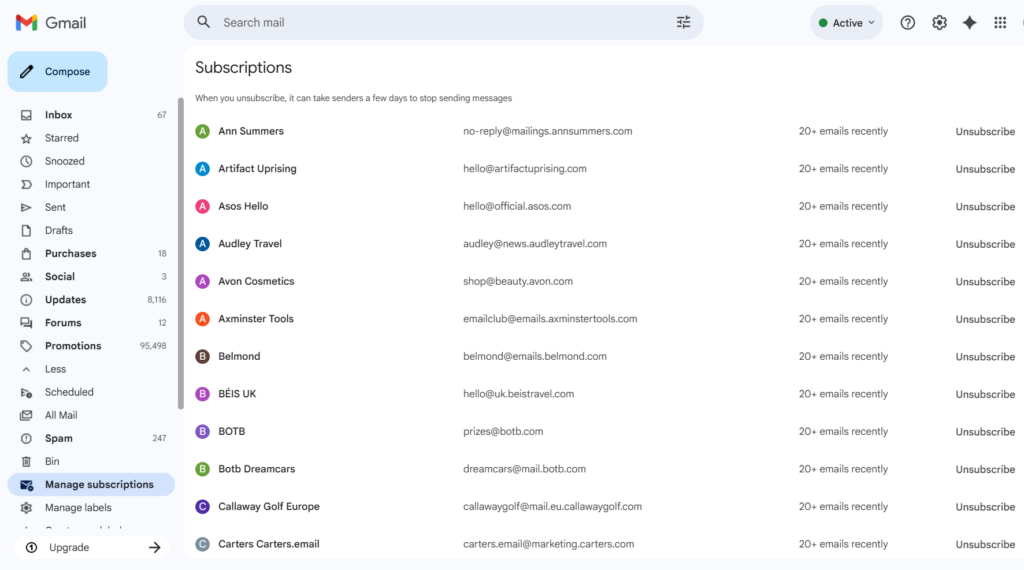
In mid-2025, Gmail rolled out its Subscriptions Manager, a feature designed to give users a consolidated dashboard of all marketing senders, ranked by sending frequency. This tool allows users to unsubscribe from individual mail streams with a single click, directly from the dashboard, without needing to open any emails. While this might lead to list shrinkage, the underlying benefit is a more engaged and self-curated inbox for the user, potentially leading to higher quality interactions with the remaining emails.
Late 2025: Stricter Enforcement and New Organizational Tabs
Late 2025 marked a pivotal period for Gmail’s email ecosystem.

- Stricter Bulk Sender Requirements: Gmail transitioned from a "soft enforcement" policy for non-compliant bulk email traffic to active rejection. This resulted in an increase in hard SMTP-level rejection codes, directly impacting inbox placement rates. Validity’s Intelligence Network reported an approximate three percent drop in Gmail inbox placement rates during this period, indicating that a portion of the decline in open rates is simply due to emails not reaching the inbox at all.
- Purchases Tab: A dedicated "Purchases" view was introduced, consolidating transactional emails such as order confirmations and shipping updates. While intended to streamline post-purchase communication, some marketing emails inadvertently found their way into this tab, leading to reduced visibility and potentially eroding user trust if the content was not genuinely transactional.
- Image Prefetching Adjustment: The reduction in image prefetching frequency, the primary technical cause for the observed drop in recorded open rates, was implemented around late November 2025. This strategic adjustment by Gmail directly influenced how tracking pixels, embedded within email images, were loaded and thus, how open events were registered.
Early 2026: The Dawn of AI Integration
The start of 2026 heralded Gmail’s deeper integration of artificial intelligence into the user experience.
- AI-Generated Email Summaries: Beginning January 2026, Gmail started rolling out AI-generated summaries. These snippets, typically 1-2 sentences, automatically display the key message of an email upon opening. While the impact on open rate metrics is still being debated (some speculate auto-opening for summarization might inflate them, others suggest it reduces the need to fully engage), it undeniably provides users with immediate value without deep interaction.
- Gemini Integration for Inbox Search and Management: Also in January 2026, Gmail integrated Gemini, Google’s advanced AI model, to power conversational, natural-language search across the inbox. Users can now query their email history with prompts like "What discount codes do I have for sportswear?" and receive compiled answers from multiple emails without needing to open them individually. This feature fundamentally alters how users extract information from their inbox, further diminishing the necessity of an "open" action.
These developments, collectively, paint a clear picture of Gmail’s strategic direction: an emphasis on user privacy, actionable information, and a personalized, less cluttered inbox experience.
Understanding the Impact: Beyond the Vanity Metric
While the reported drops in open rates are certainly alarming for marketers accustomed to traditional metrics, a deeper analysis reveals a silver lining. Industry analysts, including those at Validity, argue that these changes are ultimately beneficial, fostering a healthier and more authentic email ecosystem.
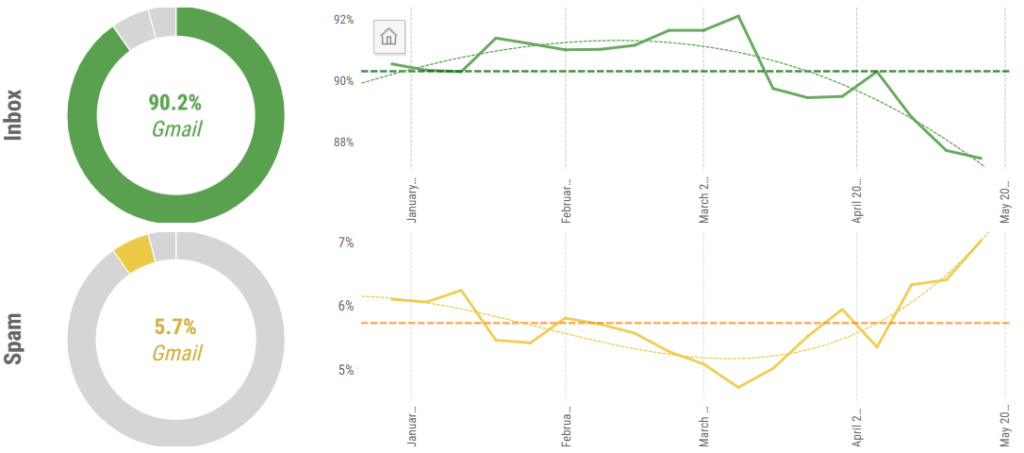
The primary reason for this optimism is the observed disconnect between declining open rates and stable click-through rates (CTR) and revenue figures. If email readership were genuinely decreasing, marketers would expect a corresponding drop in clicks and conversions. The fact that these metrics remain relatively stable suggests that the "opens" being lost were often "false opens" – those generated by automated prefetching or by inactive subscribers through Apple Mail Privacy Protection.
"These adjustments by Gmail are effectively stripping away the noise, forcing marketers to focus on genuine engagement," stated a Validity spokesperson during a recent industry webinar. "While the initial shock to open rate metrics is undeniable, the underlying health signals of clicks and conversions tell a more accurate story about subscriber interest and content relevance." This shift encourages a pivot from optimizing for a potentially misleading vanity metric to a focus on delivering value that drives tangible actions.
Strategic Imperatives for Email Marketers
In response to Gmail’s evolving landscape, email marketers must adapt their strategies across several key areas to maintain deliverability, engagement, and ultimately, ROI.
1. Enhanced Compliance with Bulk Sender Requirements
Gmail’s stricter enforcement of its bulk sender guidelines necessitates a thorough audit of current practices. Marketers must go beyond merely implementing DMARC, List-Unsubscribe headers, and monitoring complaint rates. A holistic review includes:
- Technical Authentication: Ensuring robust Sender Policy Framework (SPF), DomainKeys Identified Mail (DKIM), and Domain-based Message Authentication, Reporting, and Conformance (DMARC) implementation.
- Low Spam Complaint Rates: Google now requires senders to maintain a spam complaint rate below 0.1%. Exceeding 0.3% will result in messages being blocked. This requires continuous list hygiene and relevant content.
- One-Click Unsubscribe: The List-Unsubscribe header should be easily accessible and enable a single-click unsubscribe process.
- User Engagement: While not explicitly a "requirement," consistent engagement (opens, clicks, replies) is crucial for positive sender reputation.
Actionable Response: Leverage Google Postmaster Tools V2 to monitor critical compliance indicators. Scrutinize bounce logs for Gmail-specific error codes that flag non-compliance. Prioritize list cleaning to remove inactive subscribers who contribute to low engagement and higher complaint rates.
2. Optimizing for the Relevance-Sorted Promotions Tab
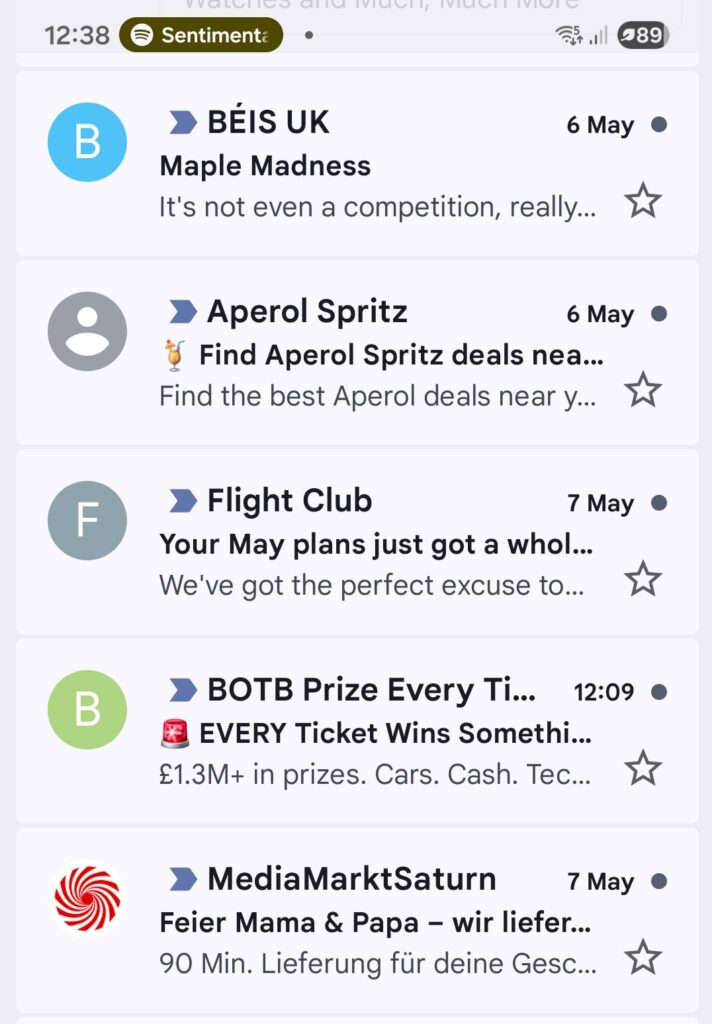
With the Promotions tab now sorted by engagement rather than recency, content relevance and personalization have become paramount. Generic broadcast campaigns are less likely to be surfaced, creating a potential "vicious circle" where low engagement leads to lower visibility, which further reduces engagement.
Actionable Response: Segment Gmail recipients by engagement recency and define more aggressive suppression thresholds for inactive users. Focus on hyper-personalization, dynamic content, and behavioral triggers to ensure emails are highly relevant to individual subscribers. A/B test subject lines and preview text rigorously to maximize initial interest.
3. Mastering Auto-Annotations for Enhanced Previews
Gmail’s ability to automatically extract deal details, images, and discount codes for display in the Promotions tab means subscribers can gain value without opening the email. While this might depress open rates, it also presents an opportunity to capture attention immediately.
Actionable Response: Proactively implement Annotations markup schemas. This provides full control over what information (e.g., deal badges, expiration dates, product carousels) is surfaced in previews. Test offers that require an actual click to redeem, rather than simply displaying a discount code, encouraging deeper engagement.
4. Adapting to the Subscriptions Manager
The Subscriptions Manager’s one-click unsubscribe functionality places a premium on managing sending frequency and providing granular control over preferences.
Actionable Response: Brands with high sending frequency (daily or near-daily) should evaluate if a reduced cadence could maintain revenue while lowering visibility in the Subscriptions Manager. For brands using multiple "From" addresses for different content streams, ensure each has a unique List-Unsubscribe header. This allows subscribers to opt down from specific content types (e.g., newsletters vs. promotional offers) rather than a blanket unsubscribe from the brand entirely. Implementing a preference center is also crucial.

5. Crafting Content for AI-Generated Summaries
The rollout of AI-generated summaries means that the initial impression of an email can be formed even before a full open.
Actionable Response: Place the most important content and a clear call-to-action (CTA) in the opening lines of the email body. AI summaries pull from the earliest readable text, so front-loading value and spelling out the next step is critical to convert a summary into a click. A well-crafted summary should pique interest, not replace the need to engage with the full email.
6. Structuring for Gemini’s Conversational Search
Gemini’s natural-language search allows users to query their email history without opening messages. This impacts emails containing actionable information like discount codes, event details, or shipping updates.
Actionable Response: Structure time-sensitive content to be easily legible for AI extraction. Use specific deadlines, named actions, structured data markup (like Schema.org), and clean HTML. This ensures that Gemini can accurately retrieve and present information. Marketers should monitor the ratio of opens between highly engaged and lapsed segments, as this feature is expected to disproportionately impact low-engagement senders, further reducing human interaction and potentially exacerbating disengagement.
7. Avoiding Message Clipping
While not a new development, message clipping remains a critical factor impacting open rates and deliverability. Gmail clips messages with HTML file sizes exceeding 1,024 bytes, often hiding tracking pixels and unsubscribe links.
Actionable Response: Incorporate HTML file size review into all pre-send QA processes. Compress images, streamline HTML code, and avoid excessive inline CSS to stay under the 1KB threshold. Crucially, place the open tracking pixel as early as possible in the HTML file to ensure it triggers even if the message is clipped. Ensure unsubscribe links are visible within the unclipped portion of the email or, ideally, leverage the List-Unsubscribe header.
8. Managing Gmail’s Address Change Feature
Gmail’s address change capability means that old email addresses cease to deliver to an active inbox, directly impacting open rates from those addresses.
Actionable Response: Implement robust monitoring for hard bounces and sustained non-engagement from previously active Gmail addresses. These could be indicators of an address change. Engagement-based suppression thresholds should be aggressive enough to catch these newly inactive addresses promptly. Beyond email, marketers should focus on developing relationship-building strategies that transcend the email address, such as loyalty programs, first-party identity resolution initiatives, and progressive profiling to gather alternative contact points or preferences.
9. Ensuring Correct Routing to the Purchases Tab
The dedicated Purchases tab, while useful for transactional messages, can inadvertently capture promotional emails, leading to missed opportunities and eroded trust.
Actionable Response: Regularly audit email sends to identify if any promotional emails are being misclassified and routed to the Purchases tab. Strictly separate transactional and promotional email streams by using distinct "From" addresses, sub-domains (e.g., orders.yourbrand.com vs. marketing.yourbrand.com), subject line conventions, and content structures. Avoid embedding promotional content within transactional emails to maintain correct routing and uphold subscriber trust, which is also a legal compliance requirement in many jurisdictions.
10. Proactive Management of Inactive Accounts
Google’s policy of deleting accounts inactive for two years or more is a stark reminder of the importance of list hygiene.
Actionable Response: While Google’s policy is two years, marketers should be suppressing inactive addresses much sooner – ideally within 6-12 months of no engagement. Sending to truly inactive accounts damages sender reputation, wastes resources, and can lead to higher bounce and complaint rates. This serves as a public service announcement for robust, ongoing list hygiene practices.
The Broader Implications: A Call for Strategic Adaptation
The current shifts within Gmail are not isolated technical glitches but rather a reflection of a profound industry-wide movement towards greater user control, privacy, and the intelligent curation of digital content. This evolution compels email marketers to fundamentally rethink their strategies, moving away from volume-based metrics and towards a quality-centric approach.

The decline in recorded open rates, particularly those generated by automated processes, forces marketers to focus on the true indicators of subscriber interest: clicks, conversions, and sustained engagement with content. This is an opportunity to cultivate more meaningful relationships with subscribers, delivering highly relevant and personalized experiences that truly resonate. Brands that embrace these changes by sharpening their segmentation, enhancing content relevance, ensuring technical compliance, and prioritizing genuine engagement will not only mitigate the impact of declining open rates but will also emerge stronger and more effective in their email marketing endeavors. The future of email lies in intelligent, user-centric communication, and Gmail is simply accelerating this inevitable transformation.