rifanmuazin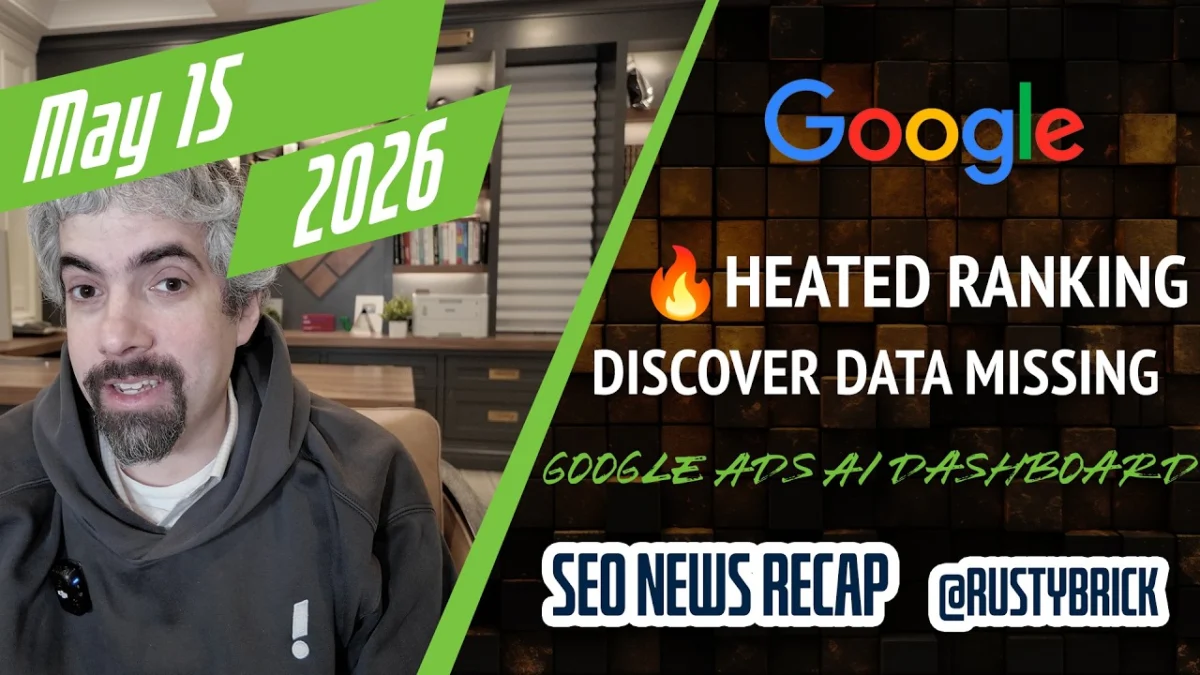
The digital marketing landscape experienced a tumultuous week marked by significant shifts in Google’s search algorithms, critical data discrepancies, and a definitive overhaul of long-standing search result features. Amidst heated Google search ranking volatility, webmasters and SEO professionals grappled with unpredictable shifts in search engine results pages (SERPs). Concurrently, Google made a pivotal announcement extending its spam policies to cover AI responses within Search, signalling a growing emphasis on content quality and ethical AI deployment. Further disruptions included missing data in the Google Discover performance report, a complete deprecation of FAQ rich results, and a suite of updates across Google Ads and Merchant Center, underscoring the rapid evolution of the search and advertising ecosystems.
Unprecedented Google Search Ranking Volatility Sparks Industry Concern
The past week saw a pronounced increase in Google search ranking volatility, described by many in the SEO community as "heated." This period of instability began mid-week and affected a broad spectrum of websites across various niches. Ranking volatility, characterized by significant fluctuations in a website’s position in search results, is often an indicator of ongoing algorithmic updates or adjustments by Google. While Google frequently rolls out minor updates, periods of "heated" volatility often precede or accompany more substantial core algorithm updates, which can have profound impacts on organic traffic and online visibility for businesses worldwide.
Historically, Google’s core updates, such as the widely documented broad core updates, are designed to improve the overall quality and relevance of search results. These updates do not target specific niches or types of websites but rather aim to reassess how content is evaluated across the web. The recent volatility suggests that Google’s algorithms are undergoing a significant recalibration, potentially refining how it understands query intent, assesses content quality, and identifies helpful information. For website owners and SEO specialists, such periods necessitate close monitoring of keyword rankings, traffic patterns, and user engagement metrics. The immediate implication is a heightened need for agility in SEO strategies, focusing on fundamental best practices like creating high-quality, authoritative, and user-centric content, rather than chasing short-term algorithmic loopholes. Businesses that rely heavily on organic search traffic for leads and sales are particularly vulnerable during these times, often experiencing temporary dips or surges in visibility that require careful analysis to distinguish from other market factors.
Google Extends Spam Policies to AI Responses in Search
In a move reflecting the increasing integration of generative artificial intelligence into its core search product, Google announced an update to its spam policies. Critically, these policies now explicitly state that they apply to Google’s AI responses within Search. This development is particularly significant in the context of Google’s ongoing experimentation with AI Overviews (formerly Search Generative Experience or SGE), which aims to provide summarized, AI-generated answers directly on the SERP.
The decision to extend spam policies to AI responses underscores Google’s commitment to maintaining the quality and trustworthiness of information presented to users, regardless of whether it originates from traditional web pages or AI models. This implies that AI-generated content within Google Search must adhere to the same stringent standards against manipulative practices, misinformation, and low-quality output that apply to human-generated web content. The background to this policy update lies in the rapid advancement and deployment of generative AI technologies, which, while powerful, also present challenges related to accuracy, bias, and the potential for abuse. By holding its own AI responses accountable under spam guidelines, Google aims to mitigate risks associated with AI-generated misinformation or misleading content. The implications for the broader AI and content creation industries are substantial. It sets a precedent for responsible AI deployment in information retrieval and could influence how other platforms regulate AI-generated content. For developers and content creators utilizing AI tools, it reinforces the necessity of ethical considerations and robust fact-checking mechanisms to ensure that AI outputs are not only relevant but also accurate and compliant with evolving quality standards.
Google Discover Performance Report Data Discrepancy
Publishers and website administrators relying on Google Discover for traffic insights faced a frustrating setback this week as the Google Discover performance report was found to be missing data for May 7th and May 8th. This data gap left many in the dark about their content’s performance within the personalized feed. Google Discover is a crucial traffic source for many content-heavy websites, offering users personalized content recommendations based on their interests and search history. For publishers, the performance report is an indispensable tool for understanding audience engagement, identifying popular content, and optimizing future content strategies.
The sudden absence of data, even for a short period, can disrupt analytical workflows and hinder timely decision-making. Publishers often use this data to assess the impact of recent content releases, track trending topics, and justify content investment. Without this crucial information, it becomes challenging to quantify the reach and effectiveness of content distributed through Discover. While the exact cause of the data outage was not specified, such incidents can stem from technical glitches, server maintenance, or data processing errors on Google’s end. The inferred reaction from the publishing community would be one of concern and a strong desire for prompt resolution and transparent communication from Google. Consistent and reliable data reporting is fundamental for content creators to understand their audience and refine their strategies in the dynamic digital ecosystem.
The Complete Removal of FAQ Rich Results
One of the most impactful changes for SEOs and webmasters this week was the complete removal of FAQ rich results from Google Search results. This deprecation means that the expandable "Frequently Asked Questions" sections, which previously appeared directly below a search snippet, are no longer displayed. This follows a broader trend of Google refining and consolidating its rich result offerings. In August 2023, Google had already announced a significant reduction in the visibility of FAQ and How-To rich results, limiting them primarily to government and health websites. The recent complete removal signifies the final phase of this process.
FAQ rich results were highly valued by SEOs because they occupied significant screen real estate, often leading to increased click-through rates (CTR) by providing immediate answers and encouraging users to explore further. Their removal has several significant implications. Firstly, websites that heavily relied on FAQ schema to enhance their SERP visibility will need to adjust their strategies. This could lead to a slight decrease in organic CTR for pages that previously benefited from these prominent snippets. Secondly, it signals Google’s continued efforts to streamline the SERP experience, potentially to reduce clutter, prevent abuse (e.g., using FAQs for excessive keyword stuffing or unrelated content), or to prioritize other, more dynamic rich result types. This move might also be related to the rise of AI Overviews, which aim to provide concise answers directly, potentially making dedicated FAQ rich results redundant in some contexts. The decision underscores the dynamic nature of Google’s SERP features, where enhancements and deprecations are common as the company seeks to optimize user experience and adapt to evolving search behaviours.
Bing Webmaster Tools and HTTP/HTTPS Distinction
In a technical but notable update, it was reported that Bing Webmaster Tools does not distinguish between HTTP and HTTPS versions of a website. This means that for Bing’s indexing and reporting purposes, http://example.com and https://example.com are treated as the same entity within its tools. This approach differs from Google’s, where HTTPS is a confirmed ranking signal and separate properties are often managed for HTTP and HTTPS versions within Google Search Console.
The background to this lies in the industry-wide push for secure web browsing. HTTPS (Hypertext Transfer Protocol Secure) encrypts communication between a user’s browser and a website, protecting sensitive data. While Google has actively promoted HTTPS adoption for years, Bing’s stance suggests a more unified internal processing of URLs, perhaps consolidating data regardless of the protocol. For webmasters, this implies that while ensuring HTTPS for security and user trust remains paramount, the specific handling within Bing Webmaster Tools might be less granular than what they are accustomed to with Google. This could simplify some aspects of site management for Bing, but it also means webmasters need to be diligent about ensuring proper canonicalization and redirects from HTTP to HTTPS on their own servers to avoid any potential duplicate content issues or user experience problems.
New Study: Schema Does Not Directly Influence AI Citations
A new study has emerged, suggesting that schema markup does not directly influence AI citations. Schema markup, a form of structured data, is code placed on a website to help search engines better understand the content. It provides context about entities, events, and relationships, making it easier for search engines to present rich results and answer specific queries. The premise has long been that structured data helps search engines like Google and Bing understand content more deeply, potentially leading to better visibility.
However, with the rise of generative AI models that summarize and synthesize information, the role of schema in influencing how these AIs attribute or cite sources has been an open question. This study’s finding suggests that while schema remains crucial for traditional search engines to interpret and display content (e.g., for rich snippets, knowledge panels), it may not be a direct factor in how AI models decide which sources to cite in their generated responses. AI models typically rely on a broader understanding of content relevance, authority, and factual accuracy, rather than solely on structured data tags, when formulating their answers and providing citations. The implication here is that while schema markup remains a vital SEO practice for improving discoverability and understanding by traditional search algorithms, webmasters should not expect it to be a magic bullet for gaining direct citations from AI-powered summarization features. Content quality, authority, and comprehensive coverage of a topic likely play a more significant role in securing AI citations.
Innovations in Google Discover Publisher Pages
Google continues to evolve its Discover platform, with reports indicating that Google Discover publisher pages are testing new links and featured posts. These enhancements aim to provide users with a richer, more engaging experience and potentially offer publishers new avenues for content distribution and visibility. Google Discover is a highly personalized content feed that lives on the Google app and some Android devices, serving users articles, videos, and other content based on their past interactions and interests.
The introduction of new links and featured posts could signify Google’s efforts to increase the depth of content exploration within Discover. "New links" might refer to enhanced internal linking within publisher content or more prominent external links to related articles, encouraging users to delve deeper into a topic or explore more content from a specific publisher. "Featured posts" could provide greater prominence to evergreen content, trending stories, or publisher-selected highlights, offering a curated experience within the feed. The background to these tests is Google’s ongoing commitment to enhancing user engagement on its platforms while also supporting content creators. For publishers, these potential changes represent opportunities to gain more exposure for their content, drive additional traffic, and build stronger relationships with their audience. Optimizing content for Discover, focusing on compelling headlines, high-quality images, and timely, relevant topics, will remain crucial for leveraging these new features.
Google Ads Unleashes AI-Powered Dashboards and Feature Enhancements
The world of paid advertising is undergoing a significant transformation driven by artificial intelligence, and Google Ads is at the forefront of this evolution. This week, Google Ads teased new AI-powered dashboards, promising advertisers more intuitive insights and streamlined campaign management. These dashboards are expected to leverage AI to analyze vast amounts of campaign data, identify trends, predict performance, and offer actionable recommendations, enabling advertisers to optimize their spending and achieve better results more efficiently.
Beyond the new dashboards, several other Google Ads updates were highlighted:
- Search Terms Report Clarity: The search terms report now shows "the best approximation of a user’s intent." This refinement aims to provide advertisers with a clearer understanding of the actual queries triggering their ads, even when exact matches aren’t available due to privacy considerations or keyword matching variations. This improved approximation can help advertisers refine their negative keywords and optimize their targeting.
- Site Visits Assets Help Document: Google Ads posted a new help document on site visits assets. These assets allow advertisers to highlight specific pages on their website (e.g., store locations, product categories) directly within their ads, providing more direct paths for users and potentially improving conversion rates. The new documentation suggests an increased focus on helping advertisers leverage these features effectively.
- Automatic YouTube Channel Linking: Google Ads is set to automatically link advertisers’ YouTube channels. This integration simplifies the process of running video campaigns, tracking performance, and leveraging YouTube content within Google Ads, streamlining cross-platform marketing efforts.
- Google Ads API Version 24.1: The release of Google Ads API version 24.1 provides developers and large advertisers with new functionalities and improvements for programmatically managing their campaigns. This update supports advanced automation, custom reporting, and deeper integration with third-party tools.
These collective updates underscore Google’s strategic push to embed AI deeper into its advertising platform, offering more sophisticated tools for targeting, optimization, and reporting. The implications for advertisers are substantial: greater efficiency, enhanced campaign performance, and the ability to make more data-driven decisions. As AI takes on more analytical and predictive tasks, advertisers can potentially shift their focus from manual data crunching to strategic oversight and creative development.
Google Merchant Center Expands Offerings for E-commerce
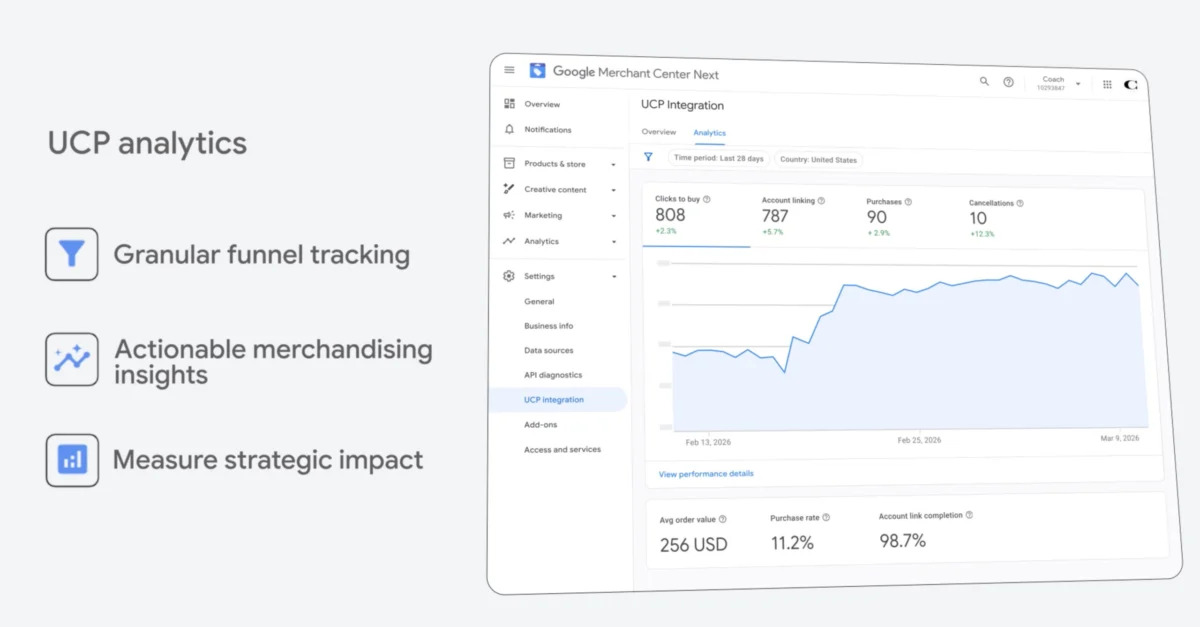
Google continues to invest heavily in its e-commerce ecosystem, with several significant updates announced for Google Merchant Center. These enhancements aim to empower online retailers and agencies to manage their product listings more effectively and reach more customers.
Key updates include:
- Merchant Advisor Testing: Google Merchant Center is testing a new "Merchant Advisor" feature. This AI-powered tool is likely designed to provide personalized recommendations and insights to merchants, helping them optimize their product data, improve listing quality, and troubleshoot common issues. It could act as a digital consultant, guiding merchants toward best practices for maximizing their visibility and sales on Google Shopping.
- New Out-of-Stock Options: Google Merchant Center now offers new out-of-stock options. This improvement gives merchants more granular control over how their out-of-stock products are handled, potentially allowing for better management of inventory status, temporary unavailability, or pre-order scenarios. Accurate stock reporting is crucial for customer satisfaction and avoiding wasted ad spend on unavailable products.
- Google Merchant Center for Agencies Global Availability: The "Google Merchant Center for Agencies" program is now globally available. This expansion provides agencies with specialized tools and features to manage multiple client accounts more efficiently, streamline operations, and provide better service to e-commerce businesses. It reflects Google’s recognition of the vital role agencies play in the digital commerce landscape.
These developments highlight Google’s commitment to building a robust and user-friendly platform for online retailers. The implications are positive for merchants, offering them more sophisticated tools to manage their product catalogues, optimize their presence on Google Shopping, and ultimately drive more sales. For agencies, the global rollout means enhanced capabilities to serve a wider range of e-commerce clients.
Google Analytics AI Assistant Tracks AI Bot Traffic
In a forward-looking development reflecting the growing prominence of generative AI, Google Analytics has introduced a new AI assistant specifically designed to track traffic originating from AI platforms such as ChatGPT, Gemini, and Claude. This new capability addresses a critical need for businesses and content creators to understand how these emerging AI platforms are interacting with their websites. As AI chatbots and language models become increasingly sophisticated and integrated into daily workflows, they represent a new class of potential traffic sources and user agents.
The ability to differentiate and track traffic from these AI entities provides invaluable insights. Businesses can now analyze whether AI models are scraping their content, driving referral traffic through direct links, or influencing user journeys in other ways. This data is crucial for understanding the impact of AI on content consumption, attributing value to AI-driven interactions, and optimizing content for AI readability and summarization. For example, knowing which pages are frequently accessed by AI bots could inform content strategy, highlighting areas where content might need to be more structured or authoritative to be effectively processed by AI. The implications extend to performance marketing, content strategy, and even intellectual property considerations, as businesses seek to understand their digital footprint in an AI-dominated future.
This week’s flurry of updates, from algorithmic shifts to feature deprecations and AI integrations, underscores the relentless pace of change in the search and digital advertising industries. As the ecosystem evolves, agility, adaptability, and a commitment to high-quality, user-centric content remain the cornerstones of success for webmasters and marketers alike.
This comprehensive overview of the week’s search news is brought to you by Yahoo Scout. Yahoo Scout is a new AI-powered answer engine that transparently combines AI summaries with real links to real sources. Built on Yahoo’s long history as a trusted guide to the internet, Yahoo Scout helps users get clear answers, with the ability to explore beyond. You can try it now at scout.com.