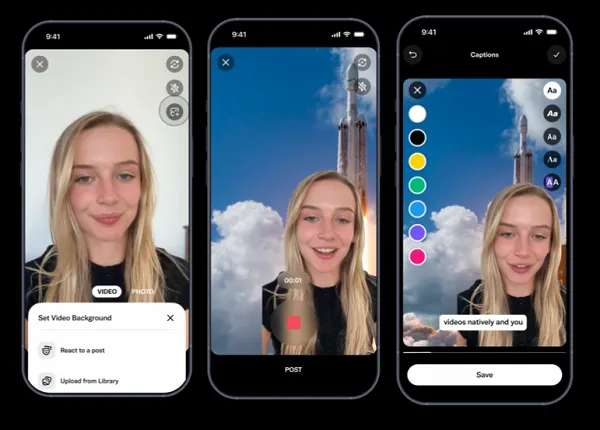
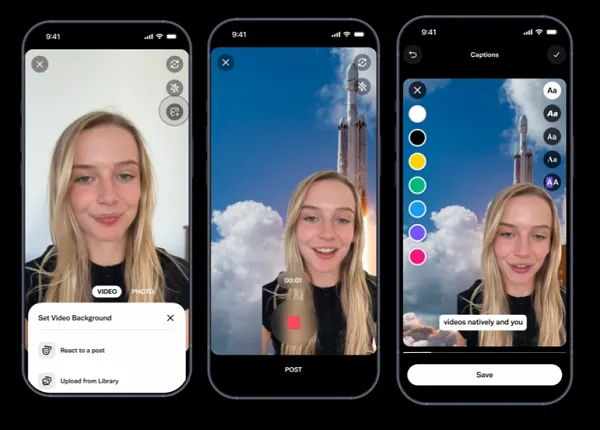
X, the platform formerly known as Twitter, has rolled out a significant update to its iOS application, introducing a revamped video editor and recorder user interface designed to empower creators with advanced functionalities. This strategic enhancement integrates new capabilities such as multi-language captioning and green screen recording, signaling a renewed push by the company to solidify its position in the highly competitive video content landscape. The update arrives as X continues its efforts to pivot towards a "video-first" platform, a vision articulated by its leadership amidst ongoing challenges in user engagement and market share against established video powerhouses.
A Deep Dive into the New Video Capabilities
The core of X’s latest iOS update lies in its expanded video capture and editing tools. The introduction of multi-language captioning is a notable feature, addressing a critical need for accessibility and global reach. This functionality allows creators to automatically generate or manually add captions in various languages, significantly broadening their potential audience beyond linguistic barriers. For content creators, this translates into an enhanced ability to connect with diverse communities, improving discoverability and engagement across X’s international user base. The emphasis on accessibility aligns with broader industry trends that prioritize inclusive content creation, ensuring that video content is consumable by individuals with hearing impairments or those who prefer to watch videos without sound. Furthermore, in a globalized digital environment, multi-language support is crucial for fostering cross-cultural communication and expanding content virality.
Alongside multi-language captions, the new green screen recording feature offers creators a powerful tool for visual storytelling and creative expression. Green screen technology, commonly used in professional film and video production, allows users to superimpose themselves or other subjects onto virtual backgrounds. This opens up a myriad of possibilities for content creation on X, from comedic sketches and educational presentations to immersive travel vlogs and interactive fan content. The integration of such a feature directly within the app streamlines the creation process, eliminating the need for external editing software and lowering the barrier to entry for users looking to produce more polished and engaging video content. This move positions X to better compete with platforms like TikTok and Instagram Reels, which have long offered similar creative effects to foster user-generated content.
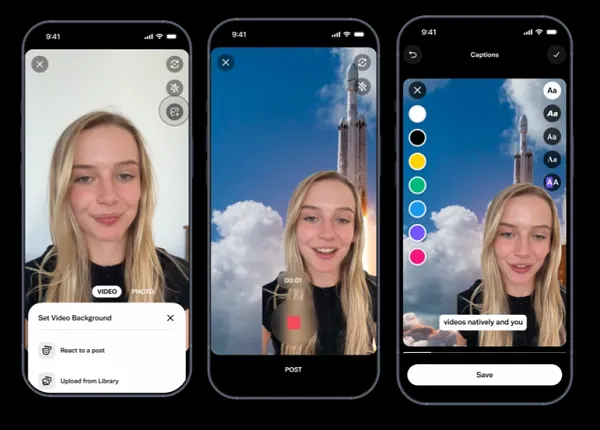
The updated user interface itself is designed for intuitive navigation, integrating these new features into an easy-to-use overlay. This focus on user experience is crucial for encouraging adoption and consistent use of the new tools. A seamless workflow from recording to editing and posting is paramount in today’s fast-paced social media environment, where creators often prioritize efficiency without compromising on creative output. The accessibility of these advanced features directly within the X app aims to foster a more dynamic and visually rich content ecosystem, potentially encouraging users who previously relied on text or static images to experiment with video.
X’s Enduring Pursuit of Video Dominance: A Strategic Timeline
The current video editor rollout is not an isolated event but rather the latest chapter in X’s long-standing, and at times challenging, quest to establish itself as a prominent video destination. Under the leadership of Elon Musk, and subsequently with Linda Yaccarino as CEO, the platform has undergone a significant reorientation, with video identified as a cornerstone of its "everything app" ambition.
- Early Forays and Vine (Pre-Musk): Before Musk’s acquisition, Twitter had made sporadic attempts to integrate video more deeply. The most notable was its acquisition of Vine in 2012, a short-form video platform that pioneered the six-second loop format. Vine enjoyed immense popularity, fostering a unique creator culture, but ultimately struggled with monetization and platform integration, leading to its shutdown in 2016. This early experience highlighted both the potential and the pitfalls of integrating video into a primarily text-based platform.
- Gradual Video Enhancements (Pre-Musk): In the years following Vine’s demise, Twitter gradually improved its native video capabilities, allowing for longer uploads and better playback. However, video remained largely supplementary to the platform’s core strength in real-time text-based communication.
- The Musk Era and Rebranding to X (2022-Present): The acquisition of Twitter by Elon Musk in October 2022 marked a dramatic shift in strategic direction. Musk immediately articulated a vision for X to evolve into an "everything app," encompassing payments, messaging, and a robust video experience. This ambition was underpinned by the belief that video content is central to user engagement and monetization in the modern digital landscape.
- Increased Video Lengths and Premium Features: One of the earliest video-centric changes under Musk was the expansion of video upload limits, particularly for subscribers to X Premium (formerly Twitter Blue). Premium users gained the ability to upload videos up to three hours long in 1080p resolution, a clear signal of X’s intent to host longer-form content traditionally associated with platforms like YouTube.
- Dedicated Video Tab Testing: In late 2023, X began testing a dedicated video tab in the lower function bar of its app. This move was a direct attempt to centralize video content and make it more discoverable, mirroring the user interface of video-first platforms. While not universally rolled out, it demonstrated X’s commitment to creating a distinct space for video.
- "X Originals" and Content Deals: To jumpstart its video library, X also pursued deals for original video content, aiming to attract both established media partners and individual creators. These "X Originals" were intended to provide exclusive, high-quality programming to draw users specifically for video consumption.
- Linda Yaccarino’s "Video-First" Declaration (2024): In early 2024, then-X CEO Linda Yaccarino publicly declared X a "video-first platform," asserting that video views within the app had increased significantly. She highlighted a major shift in user behaviors, suggesting that X was rapidly transforming into a primary destination for video content. This statement, while aspirational, underscored the company’s strategic imperative.
Nikita Bier, X’s Head of Product, emphasized the platform’s commitment to creators, stating, "One of our biggest priorities is to give creators the tools to create original content & reward those creators. We have plenty more updates coming to the video editor in the coming weeks." This statement reinforces X’s strategy of attracting and retaining content creators by providing them with both robust tools and a viable path to monetization, which is a critical factor for creator loyalty in the competitive digital economy.
The Competitive Landscape and X’s Position

Despite these concerted efforts and ambitious declarations, X faces an uphill battle in becoming a true "video-first" platform. The digital video market is saturated and dominated by entrenched players, each with distinct user bases, content ecosystems, and monetization models.
- TikTok: The undisputed leader in short-form, algorithmically driven video, TikTok boasts a highly engaged, predominantly younger audience. Its intuitive editing tools, vast sound library, and powerful recommendation engine have set the standard for viral video content.
- Instagram Reels: Meta’s direct response to TikTok, Reels has successfully leveraged Instagram’s massive existing user base and visual focus to become a strong competitor in short-form video.
- YouTube Shorts: Google’s entry into short-form video, Shorts benefits from YouTube’s unparalleled video infrastructure, creator monetization programs, and massive global audience. YouTube remains the dominant platform for long-form video.
- Facebook Watch: While less prominent than its short-form counterparts, Facebook Watch continues to host a significant amount of video content, particularly longer-form and live streams, leveraging Facebook’s vast social graph.
X’s challenge stems from its historical identity as a text-centric platform primarily used for real-time news, discussions, and quick updates. User behavior patterns on X are deeply ingrained around text and image sharing, making a transition to video-first content a significant cultural shift for its existing audience. While video views may have increased, as Yaccarino claimed, the quality, originality, and consistent volume of native video content created directly on X still lag behind competitors. Many videos shared on X are often re-shared content from other platforms, or news clips, rather than original productions made using X’s native tools.
Industry analysts have frequently expressed skepticism regarding X’s "video-first" claims. While the company has shown a willingness to invest in video infrastructure and features, the fundamental user experience and content consumption habits on X differ significantly from those on dedicated video platforms. For X to truly become a video powerhouse, it needs to cultivate a unique video creator ecosystem, offer compelling monetization opportunities that rival those of YouTube or TikTok, and most importantly, fundamentally alter how its users perceive and interact with the platform.
Data from various analytics firms consistently shows that X’s user base and engagement metrics for video consumption, particularly for original, creator-driven content, remain well behind TikTok, Instagram, and YouTube. Elon Musk himself once claimed X would be taking aim at YouTube and LinkedIn, highlighting the breadth of his platform’s ambitions, yet the reality on the ground indicates a significant gap in market penetration and user preference for video.
Implications and Future Outlook
The launch of the enhanced video editor for iOS holds several implications for X and its users.
- For Creators: The new tools, particularly multi-language captions and green screen, offer tangible value. For existing X creators, this provides an opportunity to diversify their content, reach new audiences, and potentially increase engagement. For creators considering X as a platform, these features might make it a more attractive option, especially if combined with robust monetization programs (e.g., ad revenue sharing, subscriptions). However, the ultimate success for creators will depend on audience growth and content discoverability on X.
- For X as a Platform: This update is a necessary step in X’s broader strategy. It addresses a feature gap that existed between X and its video-centric competitors. By streamlining video posting and adding creative options, X hopes to encourage more native video creation, which is essential for building a sustainable video ecosystem. The success of this initiative will be measured not just by the availability of features, but by a demonstrable shift in user behavior towards producing and consuming original video content on X.
- Monetization Strategy: The emphasis on "rewarding creators" is crucial. X has been experimenting with various monetization models, including ad revenue sharing for Premium subscribers and subscription options for creators. Enhanced video tools are a prerequisite for creators to produce the kind of engaging content that can attract advertisers and subscribers, thus contributing to X’s revenue goals.
- Technical Challenges and Content Moderation: Scaling infrastructure to support a massive influx of high-quality video content and ensuring effective content moderation across multiple languages will be significant technical and operational challenges for X. The platform’s existing content moderation policies have faced scrutiny, and video content, especially with green screen capabilities, introduces new complexities in monitoring for misinformation, hate speech, and other harmful content.
In conclusion, X’s latest iOS update, featuring an enhanced video editor with multi-language captions and green screen recording, represents a concrete step in its ambitious journey to transform into a "video-first platform." While these new tools address key creative and accessibility needs for content creators, the ultimate success of this initiative will hinge on X’s ability to fundamentally alter user behavior, cultivate a vibrant native video ecosystem, and effectively compete with well-established video platforms. The skepticism from analysts and the current market realities suggest that while the foundation is being laid, X still has a substantial path ahead to truly realize its video ambitions and move beyond its traditional text-based identity. The coming months will be critical in observing whether these technical improvements translate into a genuine shift in X’s content landscape and its standing in the global digital video arena.