The shift towards independent e-commerce reflects a broader maturation of the digital retail sector. Merchants are increasingly prioritizing direct-to-consumer (D2C) models, which offer higher profit margins, direct access to customer data, and the ability to build a unique brand identity unconstrained by marketplace rules or competition. This trend is further fueled by the desire to diversify sales channels, mitigate risks associated with reliance on a single platform, and harness advanced marketing and customization tools that proprietary marketplaces often limit. In this context, the choice of a foundational e-commerce platform becomes a critical business decision, impacting everything from initial setup costs and ongoing operational expenses to scalability and long-term growth potential.
The Evolving E-commerce Landscape and Platform Architectures
The global e-commerce market has witnessed explosive growth over the past decade, accelerated by technological advancements and shifting consumer behaviors. Projections indicate continued expansion, with global retail e-commerce sales expected to exceed several trillion dollars annually. Within this dynamic environment, platforms like WooCommerce and BigCommerce cater to distinct segments of the market while collectively empowering millions of businesses.
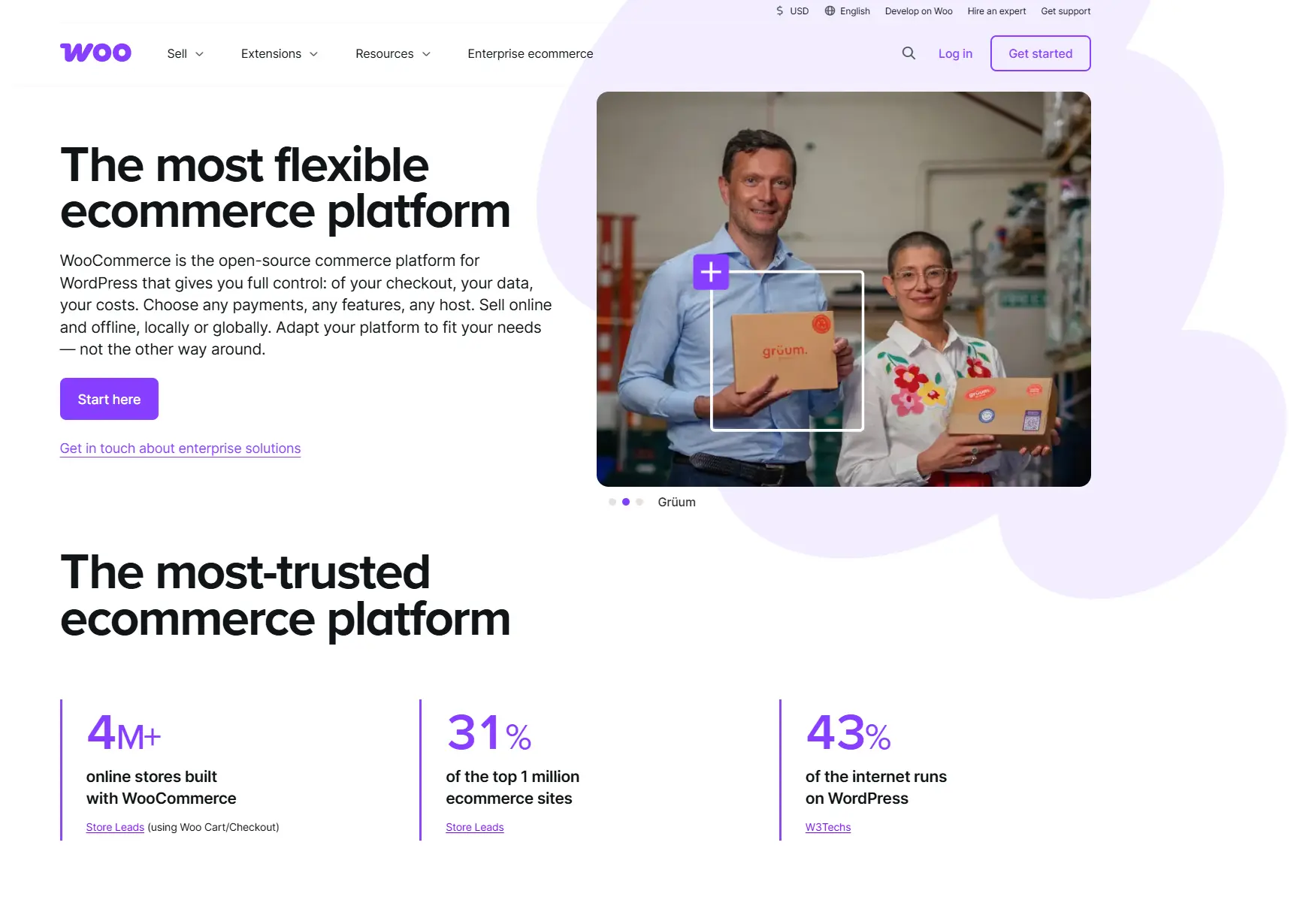
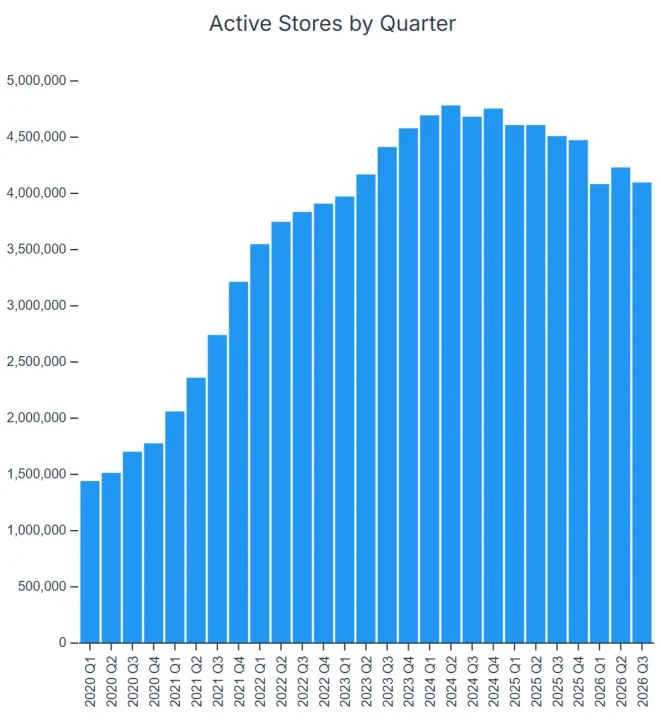
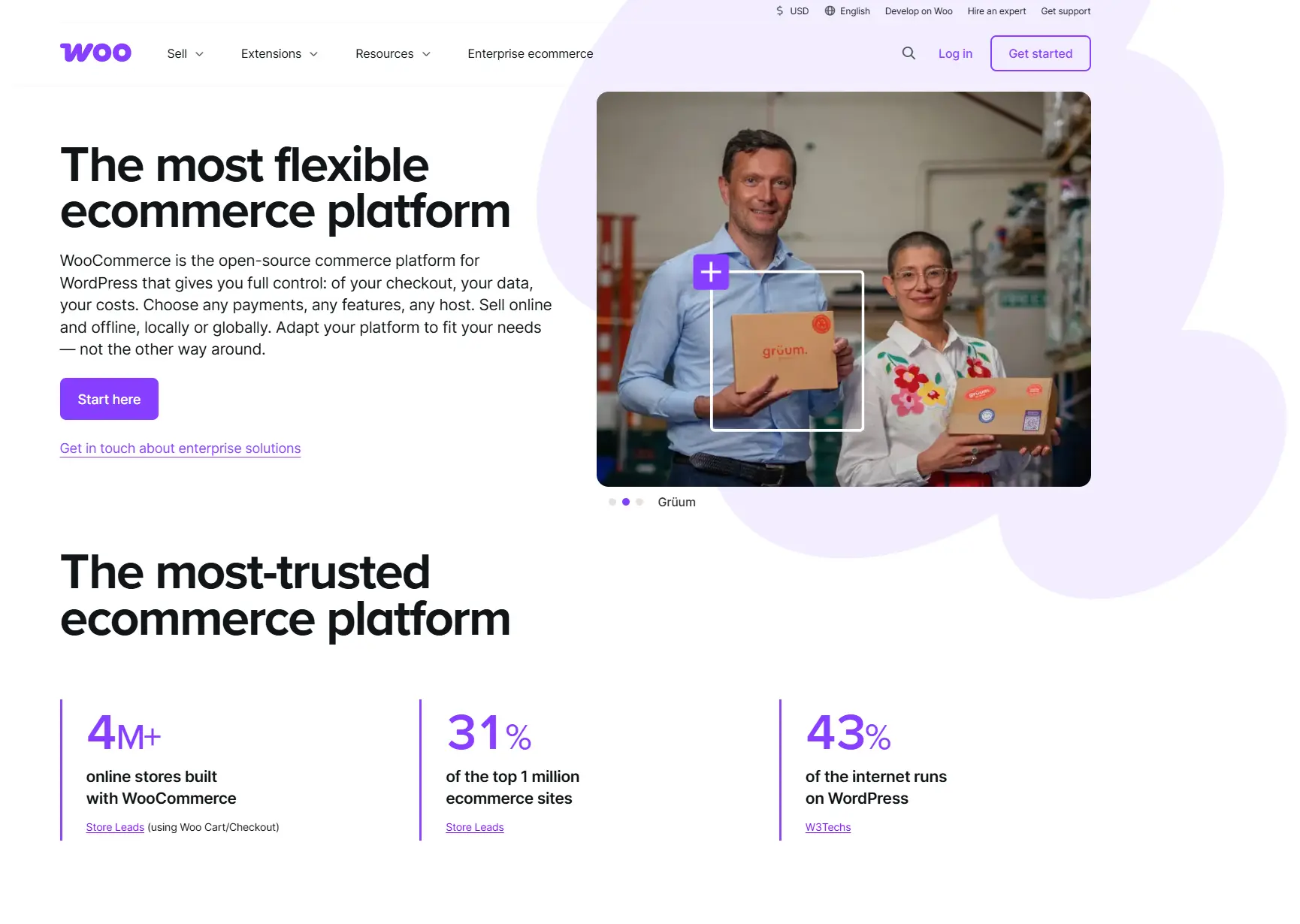
WooCommerce, launched in 2011, is a powerful open-source plugin that seamlessly integrates with WordPress, transforming a standard content management system into a fully functional online store. Its origins are deeply intertwined with the rise of WordPress as the world’s most popular website builder, currently powering over 43% of all websites on the internet. This foundational link gives WooCommerce a unique position, benefiting from WordPress’s vast ecosystem of themes, plugins, and developer community. As of mid-2026, Store Leads reports approximately 4.1 million live WooCommerce stores, making it the most widely used e-commerce platform by store count globally. This figure highlights its immense popularity, particularly among small to medium-sized businesses (SMBs) and those already invested in the WordPress environment. The platform experienced significant growth from 1.4 million active stores in early 2020, peaking near 4.8 million in 2024, before stabilizing around its current substantial base.
In contrast, BigCommerce, established in 2009, operates as a standalone, software-as-a-service (SaaS) platform. It provides a comprehensive, hosted solution that offers a broad suite of features out-of-the-box, encompassing everything from hosting and security to payment processing and marketing tools. While significantly smaller in terms of raw store count, with approximately 37,000 live stores tracked by Store Leads, BigCommerce strategically targets mid-market and enterprise-level businesses. Its SaaS model emphasizes ease of management, scalability, and robust infrastructure, appealing to companies that prefer a fully managed solution with predictable costs and minimal technical overhead. This divergence in architecture—open-source plugin versus managed SaaS—forms the core of the comparison, influencing every aspect of a merchant’s e-commerce journey.
Deep Dive: WooCommerce – Flexibility and Control
WooCommerce’s primary appeal lies in its unparalleled flexibility and the degree of control it offers merchants. Being an open-source WordPress plugin, it grants users the freedom to customize virtually every aspect of their online store, from design and functionality to data ownership and hosting choices.
- Integration with WordPress: For businesses already operating a WordPress site, integrating WooCommerce is a logical and often cost-effective step. It leverages the familiar WordPress dashboard, simplifying content management and e-commerce operations under one roof. The WordPress ecosystem, with its millions of themes and plugins, allows for extensive customization that goes beyond basic e-commerce functionality, enabling unique content marketing strategies and complex website designs.
- Customization and Extensibility: The open-source nature means developers can modify the core code, create bespoke features, and integrate with virtually any third-party service. This level of extensibility is a significant advantage for businesses with highly specific requirements or unique product offerings. The WooCommerce marketplace boasts an expansive library of extensions covering everything from advanced shipping calculations and subscription services to sophisticated CRM integrations and multi-vendor marketplaces.
- Cost Structure: On the surface, WooCommerce appears to be a "free" plugin, which can be highly attractive to startups and budget-conscious entrepreneurs. However, this initial perception requires a deeper understanding of the total cost of ownership. While the plugin itself is free, users are responsible for procuring and managing various essential components:
- Hosting: This is a recurring expense, with costs varying widely based on traffic, storage needs, and performance requirements. Shared hosting might be cheap initially, but dedicated or managed WordPress hosting becomes necessary for scaling.
- Domain Name: An annual recurring cost.
- SSL Certificate: Essential for secure transactions; while some hosts provide free SSL, dedicated certificates may incur costs.
- Themes: While free themes exist, premium themes (often starting from $39) offer enhanced design, features, and professional support.
- Extensions and Plugins: Many advanced functionalities require paid extensions, which can be one-time purchases or recurring subscriptions. These costs can accumulate quickly depending on the desired feature set.
- Maintenance and Security: As an open-source platform, the responsibility for updates, backups, and security measures falls squarely on the merchant or their hired developer. This can involve significant time, technical expertise, or additional costs for managed services.
Deep Dive: BigCommerce – Power and Predictability
BigCommerce presents itself as a robust, fully hosted SaaS solution designed for scalability and operational simplicity, particularly appealing to businesses seeking a comprehensive, hands-off approach to their e-commerce infrastructure. Its value proposition centers on providing a managed environment where core technical concerns are handled by the platform provider.
- Built-in Features and Functionality: A key differentiator for BigCommerce is its extensive array of built-in features, minimizing the immediate need for third-party integrations. This includes a native drag-and-drop website builder, a built-in blogging platform, over 70 discount options, abandoned cart recovery (on higher tiers), and comprehensive inventory management. For shipping, it offers built-in multi-carrier shipping label generation and real-time quotes from major carriers like UPS, USPS, and FedEx across all plans. Its payment gateway integrations cover over 230 countries and 140+ currencies, offering broad international reach without requiring additional extensions.
- Scalability and Performance: As a fully hosted SaaS platform, BigCommerce manages all aspects of server infrastructure, security, backups, and updates. This ensures high uptime, fast loading speeds, and seamless scaling as a business grows, without the merchant needing to worry about server capacity or technical maintenance. Its tiered pricing plans are structured to accommodate growth, unlocking more advanced features and higher API limits as a business expands.
- Customer Support and Security: BigCommerce offers 24/7 customer support via email, chat, and US-based phone across all plans, with priority support for higher tiers. This centralized support model is a significant advantage, providing a single point of contact for technical issues. From a security standpoint, BigCommerce is ISO/IEC 27001:2013 and PCI DSS 3.2, Level 1 certified, indicating adherence to rigorous security standards. It employs multiple security layers, including firewalls, file integrity scanners, and intrusion detection, all managed by the platform, alleviating security concerns for merchants.
- Predictable Pricing: BigCommerce operates on a subscription model with four main tiers: Core ($39/month, or $29/month annually), Growth ($105/month, or $79/month annually), Scale ($399/month, or $299/month annually), and Performance (custom pricing, starting from $1,499/month). These prices include hosting, SSL certificates, and customer support. While seemingly higher than the "free" WooCommerce plugin, the all-inclusive nature of BigCommerce’s plans often results in a more predictable total monthly expenditure, especially when considering the hidden costs of self-hosting and managing WooCommerce.
Comparative Analysis: Key Feature Areas
The choice between WooCommerce and BigCommerce often hinges on a detailed comparison across critical operational and strategic dimensions.

- Built-in Marketing Features: BigCommerce clearly holds an advantage here, offering more native marketing tools such as comprehensive discount options, abandoned cart recovery (on Growth+ plans), and newsletter signup forms. WooCommerce primarily relies on WordPress’s blogging capabilities for content marketing and requires extensions for most other marketing functionalities, including email marketing and lead generation. This difference means a BigCommerce marketing strategy can be implemented with fewer initial integrations.
- E-commerce and Shipping Features: BigCommerce integrates most core e-commerce functionalities, including order and inventory management, multi-carrier shipping label generation, and real-time shipping quotes across all plans. This streamlines operations for merchants. WooCommerce requires extensions for these capabilities, offering freedom of choice but potentially increasing complexity and cost. For example, while a free USPS and DHL label extension exists for WooCommerce, broader multi-carrier support often necessitates paid third-party solutions.
- Payment Features: Both platforms support a wide array of popular payment gateways (PayPal, Stripe, credit cards, etc.). BigCommerce boasts pre-integrations covering over 230 countries and 140+ currencies, simplifying international sales. WooCommerce natively supports payments in 30 countries and 135+ currencies, but expanding global reach often requires additional payment gateway extensions.
- Ease of Use: BigCommerce generally offers a smoother onboarding experience. Its guided setup tour and intuitive drag-and-drop page builder allow new users to launch a store and customize its appearance within minutes, without requiring coding knowledge. WooCommerce, as a plugin, necessitates an existing WordPress installation, which involves setting up hosting, a domain, and security first. While its setup wizard is helpful, a basic understanding of WordPress and managing plugins is beneficial, giving BigCommerce a slight edge for absolute beginners or those less technically inclined.
- Apps and Integrations: While BigCommerce offers a solid app marketplace, WooCommerce’s ecosystem, being part of WordPress, is significantly larger. The sheer volume of plugins and extensions available for WooCommerce means that if a specific integration exists, it’s likely to be found within the WordPress/WooCommerce community. This vast library is a major draw for users seeking niche functionalities or advanced customizations. Both platforms support essential integrations like Omnisend for email and SMS marketing, allowing merchants to build powerful omnichannel campaigns regardless of their chosen platform.
- Themes and Customization: WooCommerce offers a broader and more diverse selection of themes, many of which are grouped by niche, streamlining the design process. While premium WooCommerce themes start from a competitive $39, BigCommerce offers 10 free themes and paid options ranging from $150 to $399. Both allow for extensive visual customization through editing interfaces, but deep code-level customization on WooCommerce is more accessible to those with technical skills.
Strategic Implications and Ideal Use Cases
The choice between WooCommerce and BigCommerce ultimately depends on a business’s unique circumstances, technical capabilities, budget, and long-term strategic vision.
-
Choose WooCommerce if:
- You already have a WordPress site or are deeply familiar with the WordPress ecosystem. Leveraging existing infrastructure and knowledge can save time and resources.
- You require maximum control and customization over every aspect of your store. Businesses with complex or highly specialized needs, or those wishing to avoid vendor lock-in, will appreciate WooCommerce’s open-source flexibility.
- You have technical skills, an in-house developer, or a trusted agency. Managing hosting, security, updates, and custom development requires expertise.
- You are comfortable managing multiple components and potentially varied costs. The "brick-by-brick" approach to building a WooCommerce store means costs can be highly controlled, but also variable.
- Your primary focus is content marketing and integration with other WordPress functionalities.
-
Choose BigCommerce if:
- You are starting from scratch and prioritize ease of setup and management. The all-in-one SaaS model simplifies launching an online store.
- You prefer a fully managed solution with built-in features, security, and 24/7 support. Businesses that want to focus solely on sales and marketing, without technical distractions, will benefit.
- You need predictable monthly costs and transparent pricing. The subscription model covers most essential services.
- You are a mid-market or enterprise-level business requiring robust scalability, high performance, and advanced B2B functionalities. BigCommerce’s architecture is built to handle significant transaction volumes and complex business logic.
- You value centralized customer support and robust, platform-managed security.
Conclusion
The debate between WooCommerce and BigCommerce is not about which platform is inherently "better," but rather which is the superior fit for a given merchant’s specific requirements. Both platforms are highly capable, constantly evolving, and have successfully powered millions of online businesses. WooCommerce offers unparalleled flexibility, deep customization potential, and the advantage of the vast WordPress ecosystem, making it ideal for those who value control and have the technical acumen or resources to manage its various components. BigCommerce, on the other hand, provides a powerful, fully managed SaaS solution with extensive built-in features, robust scalability, and comprehensive support, catering to businesses that prioritize operational simplicity, predictable costs, and a hands-off approach to technical infrastructure.
As e-commerce continues its trajectory of growth and diversification, the strategic decision to move beyond marketplace reliance empowers merchants with greater autonomy and brand identity. Whether choosing the open-source freedom of WooCommerce or the managed convenience of BigCommerce, leveraging dedicated e-commerce platforms is a crucial step towards building a sustainable and thriving online business in the competitive digital retail landscape. To further optimize store performance, both platforms seamlessly integrate with specialist tools like Omnisend, enabling merchants to build sophisticated email and SMS marketing campaigns that drive audience engagement and increase sales, regardless of their foundational platform choice.