"Target" is a paramount concept in modern marketing, representing the focused effort to connect with specific consumer segments. While traditional segmentation approaches like behavioral, psychographic, demographic, and geographic targeting remain crucial, an increasingly vital dimension is generational marketing. As brands strive to optimize their digital outreach, comprehending the unique characteristics and consumption patterns of different age cohorts is no longer optional, but a strategic necessity. This comprehensive series delves into the nuances of digital marketing to distinct generations: Gen Z (born 1995-2010), Millennials (1980-1994), Gen X (1960-1979), and Baby Boomers (1940-1959). By dissecting their digital behaviors and preferences, marketers can ensure their messages resonate effectively and their campaigns are deployed on the most impactful platforms. We commence this series by focusing on the youngest adult demographic, Generation Z, a cohort rapidly ascending in influence and economic power.
Generation Z, often characterized by a shorthand that can feel like a marketing buzzword, is a generation defined by its unprecedented digital immersion from birth. Emerging as the first true "digital natives," they have navigated a world shaped by constant connectivity, smartphones, and ubiquitous internet access. Their formative years have been marked by significant global events, including the post-9/11 era, the lingering effects of the Great Recession on their families, and the profound disruption of the COVID-19 pandemic as they entered higher education and the workforce. These experiences have collectively forged a generation that is demonstrably realistic, open-minded, and pragmatic.
The Gen Z Mindset: Digital Natives Shaping the Future
The foundational characteristic of Generation Z is their inherent fluency with digital technologies. Unlike preceding generations who adopted technology, Gen Z grew up with it. This constant exposure has shaped their cognitive processes, attention spans, and expectations of digital interactions. They are mobile-first consumers, accustomed to seamless, intuitive digital experiences. Their access to information has also fostered a high degree of skepticism towards traditional advertising. Having witnessed the evolution of online advertising across their favorite platforms, they are adept at discerning inauthentic or intrusive marketing efforts.
This inherent skepticism is coupled with a strong ethical compass. Gen Z consumers are highly conscious of brand values and societal impact. They are more likely to support brands that align with their principles, demonstrating a preference for ethical sourcing, sustainability, and social responsibility. This makes them highly discerning buyers who will research a company’s practices before making a purchase.

Furthermore, Gen Z places a significant premium on uniqueness and authenticity. They are less inclined to conform to mainstream trends and more likely to celebrate individuality. This manifests in their consumption choices, their engagement with content, and their expectations of brands. In a crowded digital landscape, brands that can offer a distinct voice and celebrate personal expression are more likely to capture their attention.
Gen Z Consumption Patterns: Data-Driven Insights
Recent research offers valuable insights into the consumption habits of Generation Z. A comprehensive study by McKinsey & Company highlighted several key aspects of their purchasing behavior:
- Digital Dominance: Gen Z overwhelmingly prefers to discover and purchase products online. E-commerce platforms, social media marketplaces, and direct-to-consumer (DTC) websites are their primary shopping destinations.
- Value-Conscious and Savvy: While they may not always possess significant disposable income, Gen Z is highly adept at seeking value. They are price-sensitive but also willing to invest in quality and brands that offer a compelling narrative or align with their values. They are adept at using online tools for price comparison and seeking out deals.
- Influence of Social Proof and Peers: Recommendations from friends, influencers, and online reviews hold significant sway. User-generated content and authentic testimonials are far more persuasive than polished corporate messaging.
- Experience Over Possession: For many in this generation, experiences hold greater value than material possessions. This translates to a willingness to spend on travel, events, and activities that offer unique and memorable moments.
These consumption patterns underscore the need for brands to adapt their strategies to meet Gen Z where they are, both digitally and philosophically.
Marketing to Gen Z: Strategic Approaches for Digital Engagement
Understanding the Gen Z mindset and consumption habits is the first step; translating this knowledge into effective digital marketing strategies is the critical next phase. This requires a nuanced approach that prioritizes authenticity, engagement, and platform relevance.
Platforms to Reach Gen Z
The digital ecosystem inhabited by Gen Z is dynamic and multifaceted. While older platforms may still hold relevance, newer, rapidly evolving spaces are critical for effective engagement.

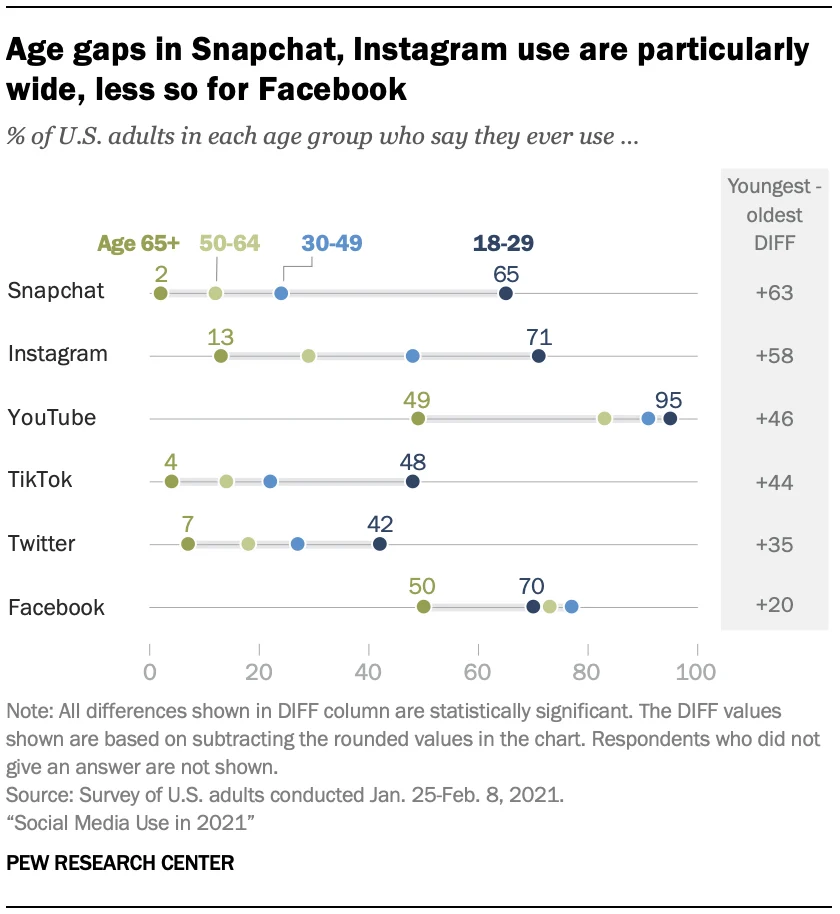
- TikTok: This short-form video platform has become synonymous with Gen Z culture. Its algorithm-driven discovery engine and emphasis on trends, challenges, and user-generated content make it a powerful tool for viral marketing and authentic brand storytelling. Brands can leverage TikTok for creative campaigns, influencer collaborations, and direct engagement with their audience.
- Instagram: While its user base is diversifying, Instagram remains a significant platform for Gen Z, particularly for visual content. Stories, Reels, and shoppable posts offer diverse avenues for brands to showcase products, build community, and drive conversions. The emphasis on aesthetics and lifestyle content resonates well with this demographic.
- YouTube: This enduring platform continues to be a go-to for in-depth content, entertainment, and product reviews. Gen Z utilizes YouTube for educational purposes, entertainment, and research, making it an ideal space for longer-form content, tutorials, and influencer collaborations that offer genuine value.
- Snapchat: Known for its ephemeral messaging and augmented reality (AR) filters, Snapchat offers a more informal and playful way to connect with Gen Z. Brands can utilize AR lenses for interactive campaigns, run engaging ads, and leverage its audience for quick, visually driven content.
- Discord: This voice, video, and text communication platform has gained significant traction among Gen Z for building communities around shared interests. Brands that can establish a presence on Discord can foster deeper connections, gather feedback, and cultivate loyal advocates.
- Twitch: Primarily known for live streaming of video games, Twitch has expanded to include a variety of content creators and communities. For brands targeting niche interests within Gen Z, Twitch offers an opportunity for authentic engagement through live sponsorships and creator collaborations.
The key takeaway for platform selection is not to simply be present, but to understand the unique culture and content consumption patterns of each platform and tailor strategies accordingly.
Messaging That Speaks to Gen Z
Crafting messages that resonate with Gen Z requires a departure from traditional, hard-sell advertising. Their skepticism and demand for authenticity necessitate a more sophisticated approach.
- Authenticity and Transparency: Gen Z values genuine communication. Brands should avoid overly polished or corporate language and instead adopt a voice that is relatable, honest, and transparent. Sharing behind-the-scenes content, admitting mistakes, and being open about brand values can build trust.
- Purpose-Driven Messaging: As mentioned, Gen Z is highly attuned to social and environmental issues. Messaging that highlights a brand’s commitment to sustainability, ethical practices, or social causes will resonate deeply. Demonstrating a genuine desire to make a positive impact is far more persuasive than superficial claims.
- User-Generated Content (UGC) and Influencer Marketing: Empowering customers to create and share content related to the brand is highly effective. This can include running contests, encouraging reviews, or collaborating with micro-influencers who have genuine connections with their followers. Authentic endorsements from trusted voices are paramount.
- Humor and Relatability: While often characterized by a dark sense of humor, Gen Z also appreciates lightheartedness and relatable content. Memes, trending audio, and content that reflects everyday experiences can be highly engaging. The key is to be clever and contextually relevant, rather than forced.
- Interactive and Engaging Content: Gen Z is an active participant in the digital space. Messages that encourage interaction, such as polls, Q&A sessions, challenges, or quizzes, are more likely to capture their attention and foster engagement.
- Short-Form and Visually Driven: Given their shorter attention spans, content needs to be concise, impactful, and visually appealing. This aligns with the dominance of platforms like TikTok and Instagram Reels, where quick, digestible content thrives.
The Broader Implications for Marketing Strategies
The rise of Generation Z presents a fundamental shift in the marketing landscape. Brands that fail to adapt to their digital fluency, ethical considerations, and unique consumption patterns risk becoming irrelevant. The emphasis has moved from broad-stroke advertising to nuanced, personalized, and value-driven engagement.
For businesses, this means a re-evaluation of their digital marketing budgets, a greater investment in content creation that prioritizes authenticity and engagement, and a commitment to understanding the evolving digital platforms where Gen Z congregates. The ability to foster genuine connections, demonstrate social responsibility, and provide unique value will be the hallmarks of successful brands in the coming years.
Ultimately, marketing to Generation Z is not simply about adopting new tactics; it’s about embracing a new philosophy. It requires a deep understanding of their worldview, a commitment to ethical practices, and a willingness to engage with them on their terms. As this generation continues to grow in influence, mastering the art of connecting with them will be a decisive factor in long-term brand success. For further assistance in crafting tailored digital marketing solutions to effectively reach and convert your Gen Z audience, engaging with expert teams specializing in this demographic is a prudent step.