Nila Kartika Wati
Large marketing organizations, by their very nature, grapple with immense complexity. The intricate dance of go-to-market strategies, cross-functional teams, and multifaceted campaigns often necessitates the adoption of robust work management platforms. However, a critical oversight can transform these powerful tools from facilitators of efficiency into unintentional architects of operational chaos. When the fundamental processes and workflows are not clearly defined outside the platform, the tool itself gradually and insidiously becomes the de facto operating model, dictating how work should flow rather than supporting a predetermined structure. This phenomenon, while often unintentional, can lead to significant inefficiencies, communication breakdowns, and unreliable data. This analysis will explore five telltale signs that a work management platform has usurped the role of a defined operating model, and offer a proactive approach to ensure these tools serve organizational strategy, not the other way around.
The Challenge of Modern Marketing Orchestration
In today’s hyper-competitive business landscape, marketing departments are tasked with an ever-increasing scope of responsibilities. Companies with sophisticated go-to-market strategies often organize around distinct solution pillars, each supported by a dedicated cross-functional team. These teams, in turn, draw upon shared central functions such as creative services, digital marketing, event management, and corporate communications. The result is a highly interconnected ecosystem where a single marketing campaign can easily involve a dozen or more individuals, each with their unique requests, approval cycles, and crucial handoffs. When this complexity is multiplied across every solution pillar and every active campaign, the need for a centralized system to oversee, organize, and propel this work forward becomes paramount.
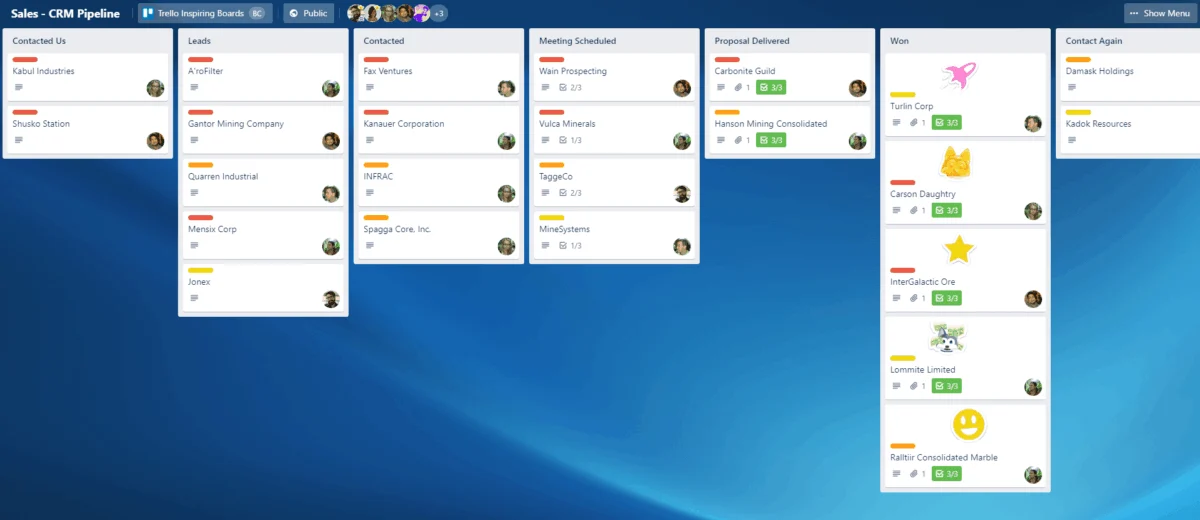
This is precisely where work management platforms enter the picture. Recognizing the overwhelming demands, organizations invest in these solutions to bring order to the chaos. Boards are created, forms are meticulously designed, and requests, at long last, find a designated home. Initially, this provides a much-needed sense of control and visibility. However, the true challenge arises not in the implementation of the platform itself, but in the foundational understanding of how work should operate.
The Subtle Erosion of Process Definition
Over time, the initial promise of streamlined operations can begin to fray. Leadership may still find themselves struggling to gain a comprehensive overview of ongoing initiatives without resorting to informal inquiries. The same campaign request might appear on multiple boards, each with its own distinct status, leading to confusion and conflicting information. Crucially, the vital conversations that define project parameters – the specific requirements, the individuals responsible for approvals, or even confirmation of initial greenlighting – often migrate away from the platform, resurfacing in disparate chat threads and side emails.
The core issue is that a work management platform excels at tracking work, but it is not inherently designed to define how that work should flow, who owns each critical handoff, or what constitutes a definitive state of "done." When these fundamental operational decisions are never explicitly articulated and agreed upon outside the confines of the tool, the platform begins to make these decisions by default. Before long, the tool itself becomes the operating model, a structure that was never consciously chosen or designed by the organization. This presents a significant risk, as it means critical operational frameworks are being dictated by software configurations rather than strategic intent.
The five symptoms outlined below serve as clear indicators that this shift has occurred, allowing organizations to identify the problem and implement corrective measures.
Symptom 1: The Chaos of Inconsistent Naming Conventions
One of the most immediate and pervasive signs of a platform dictating the operating model is the absence of consistent naming conventions. When searching for a specific campaign, team members might encounter the same initiative listed under three or more different names. Without a standardized system for identifying requests or a unique identifier for each project, locating necessary information devolves into a laborious process of scrolling, educated guessing, or repeatedly querying the individual who initially submitted the request.
While seemingly a superficial issue, inconsistent naming has profound implications. If work cannot be reliably located, it cannot be accurately tracked or reported on. This forces leadership to rely on manual reconstructions of project statuses, a time-consuming and error-prone endeavor. The solution lies not within the platform’s search functionality, but in establishing clear protocols before any configuration takes place. This involves agreeing on standardized terminology for requests, defining what constitutes a unique identifier, and, crucially, designating an individual or team responsible for enforcing these standards. Once these external decisions are made, the work management platform can then be configured to automate and enforce them.
Symptom 2: The Ambiguity of Mismatched Statuses
Work naturally progresses through various stages, from initial strategy and ideation through to production and deployment. In a system where the platform dictates the operating model, tasks often traverse multiple boards, each possessing its own unique set of status options. The term "In Progress," for instance, might signify the drafting phase for one team, while for another, it could mean the task is awaiting approval. As a request transitions between teams, its original meaning can become diluted or entirely lost in transit.
The direct consequence of this ambiguity is the inability for anyone to definitively answer a simple yet critical question: "Where is this initiative, really?" The absence of shared stage definitions, agreed upon prior to board configuration, deprives work of a common language as it moves through the organization. While individual teams may still need to manage their internal workflows and specific task statuses, the handoff points between teams must possess consistent and universally understood meanings. Establishing these shared stage definitions is crucial for maintaining clarity and accountability across departmental boundaries.
Symptom 3: The Deluge of Notification Noise
In a platform-driven operating model, the tendency is to automate task creation and notifications as broadly as possible. This often results in individuals being tagged on work that has not yet received formal approval, or receiving alerts for tasks that lack sufficient foundational information. Overwhelmed by this constant stream of alerts, team members inevitably begin to disregard them, including those that carry genuine importance.
This issue is frequently misdiagnosed as a settings problem when, in reality, it stems from a triage and prioritization deficit. When every submitted request automatically generates tasks within the system, the platform quickly becomes populated with work that may never materialize or progress. Implementing a robust qualification and prioritization process before requests enter the platform can significantly reduce notification noise. When only greenlit and well-defined work generates actionable tasks, each notification becomes meaningful, signaling a genuine need for attention.

Symptom 4: The Disconnect of Conversations in Side Channels
A clear indicator that the operating model has not been adequately defined outside the work management tool is when critical conversations migrate to external channels. For example, a designer might require specific image dimensions for a banner ad, or a writer may be uncertain about the final approver for a piece of copy. Lacking a clear point of reference within the platform, individuals naturally gravitate towards the fastest channels for answers – chat threads, side emails, or impromptu meetings. Consequently, the actual work and the decisions made to facilitate it occur outside the system, rendering the platform’s record incomplete and potentially inaccurate.
This symptom underscores a fundamental breakdown in process definition. When team members lack clear answers regarding format, ownership, and approval workflows, they will seek those answers wherever they can be found most readily. Documenting explicit deliverable definitions and clearly outlining decision-making rights at each handoff point is essential to reintegrate these vital conversations back into the visible workflow.
Symptom 5: The Erosion of Trust in Data
The inability to trust the data generated by a work management platform is often a consequence of underlying accountability issues. Tasks may remain un-marked as complete, subtasks may linger as overdue long after the parent task has been wrapped up, or duplicate tasks might proliferate across teams for the same initiative. When leadership attempts to pull reports on key metrics such as turnaround times or workload distribution, the resulting numbers are demonstrably incorrect, a fact that is widely recognized throughout the organization.
This problem is rarely a reporting issue at its core; rather, it points to a deficit in accountability upstream. The absence of a clearly designated owner for maintaining work currency and a lack of shared understanding regarding what constitutes a "done" task are primary contributors. Before investing in more sophisticated dashboards or reporting tools, organizations must first define who is responsible for data hygiene at each stage of the workflow and ensure that the timely closure of work is an integrated part of the process, not an afterthought.
The Root Cause: Undefined Decisions
When examined collectively, these five symptoms reveal a consistent underlying pattern: the absence of deliberate decisions at the operating model level. None of these issues are inherent flaws of the work management platform itself. Instead, each symptom traces back to a fundamental decision that should have been made and documented before the platform was configured. These include decisions about nomenclature, the meaning of each stage in the workflow, the criteria for qualifying work as "real," the allocation of responsibilities for answering specific questions, and the protocols for maintaining accurate records.
The prevalence of this pattern is understandable. Work management platforms are often implemented under duress, typically when the volume of work has already become overwhelming. In such scenarios, each team tends to configure its own space to address its immediate, localized problems. Subsequent reorganizations may shift personnel and responsibilities, but the platform configurations often remain static, failing to adapt to the new organizational structure. While no individual is typically at fault, the absence of shared, organization-wide decisions means that each team’s local configuration becomes a partial solution to a problem that the entire organization needed to address collaboratively.
The Path to Resolution: Defining the Operating Model
The effective solution to these challenges lies not in adopting a new tool or undertaking an extensive platform rollout. Instead, the focus must shift to making these critical operational decisions explicitly and collaboratively outside the platform. Once these foundational elements are clearly defined, the work management platform can then be configured to accurately reflect and support them. The platform should serve as the mechanism for executing defined handoffs, while the people within the organization should be responsible for making the strategic decisions that guide those handoffs.
A proactive approach is essential. Before embarking on any significant reconfiguration of boards, the implementation of new automations, or the consideration of a platform change, organizations should engage in a critical self-assessment. Key questions to address include:
- What constitutes a "request" in our marketing organization? (e.g., a brief, a specific asset, a campaign idea)
- What are the distinct stages a marketing initiative moves through from conception to completion?
- What are the standard naming conventions for all marketing projects and assets?
- What are the key deliverables and their associated formats at each stage?
- Who is accountable for approving each deliverable at each stage?
- What information is required for a request to be considered "ready" for the next stage?
- Who is responsible for updating task statuses and ensuring data accuracy?
- What is the defined process for escalating issues or roadblocks?
- How are dependencies between tasks and initiatives managed?
- What constitutes a "completed" task or project?
Answering these questions transparently and reaching consensus is the crucial first step. If more than a couple of these questions elicit uncertain or negative responses, the immediate priority should not be platform reconfiguration, but the methodical definition of the operating model that the platform is intended to support.
Conclusion: From Tool to True Orchestration
The inherent complexity of large marketing organizations, characterized by multiple strategic pillars, shared functional resources, and extensive campaign collaboration, demands effective management. Work management platforms can be invaluable allies in this endeavor, transforming potential chaos into manageable operations. However, their efficacy is entirely contingent upon their foundation: they must be built upon a bedrock of clearly articulated and organizationally agreed-upon decisions. When these fundamental decisions are absent, the symptoms of a platform-dictated operating model – inconsistent naming, ambiguous statuses, notification overload, fragmented conversations, and untrustworthy data – inevitably emerge.
Fortunately, these challenges are not insurmountable, and the solutions are often less costly and complex than implementing a new technology. The path forward begins with defining how work should flow, establishing a clear and documented operating model, and then configuring the work management platform to faithfully support that model. This strategic alignment ensures that the tool serves as a true enabler of marketing orchestration, rather than an accidental architect of inefficiency.
Organizations seeking to gauge their current standing in marketing orchestration can utilize complimentary self-assessment tools or explore specialized services designed to refine these critical operational frameworks. By prioritizing strategic process definition over tool-centric configuration, marketing departments can unlock the full potential of their work management platforms, fostering greater efficiency, clearer communication, and ultimately, better results.

 Lina Irawan

 Nana