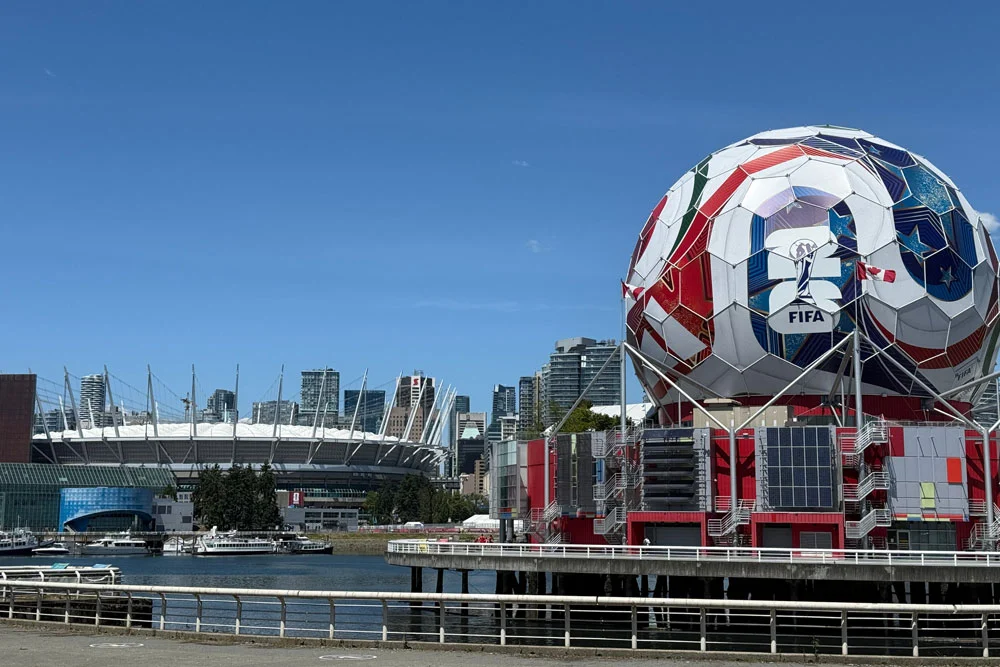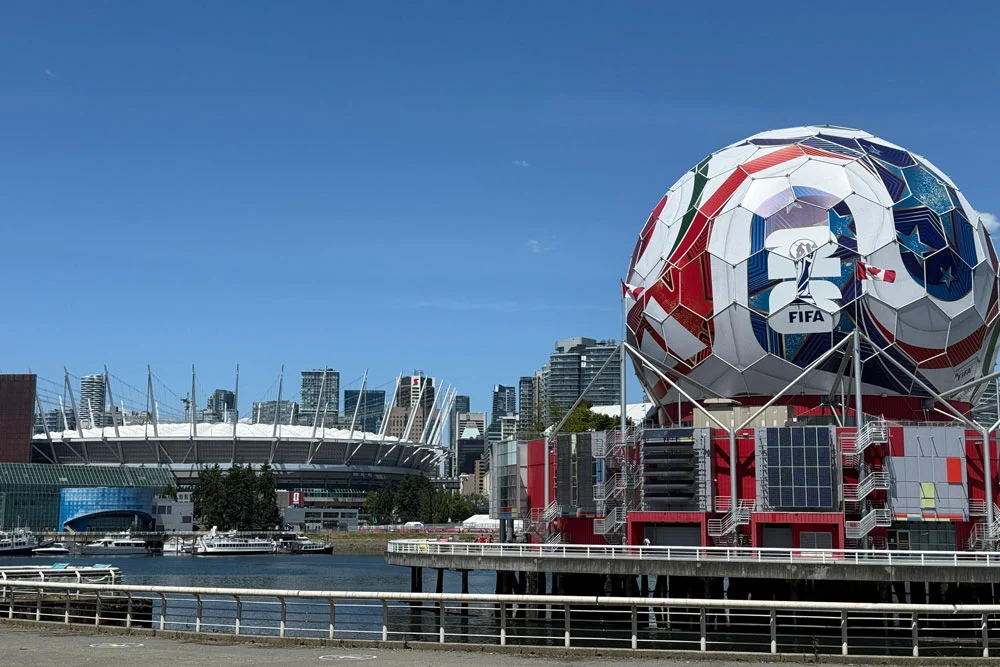
The 2026 FIFA World Cup, a historic tournament hosted across 16 cities in Canada, Mexico, and the United States, represents more than just the pinnacle of international soccer; it serves as a massive case study in logistics, strategy, and performance. As the first edition to feature an expanded format of 48 teams, the tournament has provided a unique vantage point for observing how high-stakes competition mirrors the complexities of the digital economy. For industry observers and marketing professionals, the parallels between the pitch and the performance marketing landscape are striking. From the arrival of the "Tartan Army"—Scotland’s loyal supporters—on transatlantic flights to the tactical upsets witnessed in the group stages, the tournament underscores a fundamental truth: the principles of success are universal, whether one is managing a national sports team or a multi-million dollar affiliate marketing program.
The Evolution of the FIFA World Cup 2026
The road to the 2026 FIFA World Cup was marked by significant structural changes, most notably the expansion from a 32-team format to 48. This decision, ratified by the FIFA Council, was designed to increase global representation, particularly for nations in Africa and Asia. The tournament’s logistics involve 104 matches, a significant increase from the 64-match schedule of previous years. This expansion has created a broader "playing field," much like the digital marketing landscape, which has seen an explosion of new platforms, creators, and marketing channels over the last decade.
The economic impact of the tournament is projected to reach billions of dollars, with host cities like Boston, New York, and Los Angeles seeing unprecedented surges in tourism and local commerce. This macro-environment sets the stage for a deeper analysis of performance. Just as FIFA must manage a vast ecosystem of stakeholders, sponsors, and athletes, affiliate managers must navigate an increasingly fragmented digital world where consumer behavior is constantly shifting.
The Power of Collective Effort: Beyond Individual Brilliance
A primary takeaway from the 2026 tournament has been the realization that individual stardom, while marketable, is rarely sufficient to secure a championship. In the Round of 16, the world watched as legendary figures such as Cristiano Ronaldo and Luka Modrić struggled to carry their respective nations, Portugal and Croatia, past well-organized opponents. Despite their undisputed talent and decades of experience, the absence of a cohesive team structure led to their eventual exits. Portugal’s loss to Spain and Croatia’s inability to overcome tactical hurdles highlighted a critical sports reality: a "golden generation" of talent is ineffective without a functional support system.
This phenomenon is directly applicable to the world of affiliate marketing. For over twenty-five years, industry leaders have observed that the strength of an affiliate management agency is not derived from a single "super affiliate" or a lone star manager, but from the collective synergy of the team. In the context of an affiliate program, the "team" consists of a diverse array of partners, including content creators, review sites, loyalty portals, and social media influencers.
Data from the 2024–2025 marketing cycles suggests that programs relying on a single marketing channel for more than 50% of their revenue are at a 40% higher risk of collapse during market volatility. To protect revenue and ensure the quality of referrals, professional affiliate programs must diversify their affiliate bases across multiple marketing channels. Just as a soccer coach balances a roster with defenders, midfielders, and strikers, an affiliate manager must balance a program with high-intent search affiliates, broad-reach influencers, and high-conversion coupon or loyalty partners.
The Rise of the Underdog: A Study in Market Disruption
One of the most compelling narratives of the FIFA World Cup 2026 has been the performance of perceived "underdogs." The tournament saw Curaçao, a debutant on the world stage, hold a formidable Ecuadorian side to a 0-0 draw in the Group Stage. Similarly, Egypt shocked the world in the Round of 16 by leading 2-0 for the majority of their match against Argentina, the defending world champions. These moments serve as a reminder of the warning attributed to ancient strategists like Sun Tzu: there is no greater danger than underestimating an opponent.
In the business world, this "underdog" scenario is frequently replicated through market disruption. A notable example is the case of Nectar Sleep. When AM Navigator launched the Nectar Sleep affiliate program in early 2017, the "mattress-in-a-box" vertical was already dominated by established giants like Casper, Saatva, and Purple. These competitors had larger budgets, established brand recognition, and a significant head start in the affiliate space.
However, through aggressive optimization, strategic partnerships, and a relentless focus on performance data, Nectar Sleep’s program achieved a historic milestone. In exactly one year and five days post-launch, it became the number one program on its affiliate network, surpassing over 5,000 brands, including household names like Wayfair, Reebok, and the NFL. This case study proves that being an underdog is not a sentence to mediocrity. In both sports and commerce, agility and a superior strategy can allow a smaller player to outmaneuver a complacent giant.
The Danger of Stagnation: Why Past Success Does Not Guarantee Future Results
The 2026 World Cup has also been a graveyard for traditional powerhouses who failed to adapt. Italy, a four-time world champion, suffered the ultimate indignity of failing to qualify for the tournament altogether. The Netherlands were eliminated in the Round of 32 by Morocco, and Brazil, often considered the gold standard of soccer, was knocked out by Norway in the Round of 16. Norway’s progression to the Quarterfinals is particularly noteworthy, as the nation had not qualified for a World Cup in nearly three decades prior to 2026.
These upsets underscore the "dynamic" nature of performance. In affiliate marketing, resting on one’s laurels is a precursor to obsolescence. The digital landscape is in a state of constant flux, driven by changes in search engine algorithms, privacy regulations (such as the deprecation of third-party cookies), and the rise of artificial intelligence. Strategies that generated significant returns five years ago—or even last year—may no longer be viable today.
Professional analysis suggests that the most successful affiliate programs are those that view education as a continuous journey rather than a destination. Industry conferences, such as Affiliate Summit in New York, serve as critical hubs for this ongoing education. They provide a platform for managers to discuss emerging trends, such as the integration of AI in affiliate recruitment and the shift toward "brand-to-brand" partnerships. The failure of "giant" brands in the affiliate space often stems from a lack of innovation and a refusal to acknowledge that the competitive landscape has shifted.
Strategic Implications and Broader Impact
The parallels between the FIFA World Cup 2026 and affiliate marketing highlight a broader shift toward data-driven performance. In modern soccer, teams utilize advanced analytics and Video Assistant Referee (VAR) technology to make split-second decisions. In affiliate marketing, sophisticated attribution models and real-time tracking platforms provide the data necessary to optimize campaigns.
Key Analytical Takeaways:
- Diversification is Security: Just as a team cannot rely on one striker, a brand cannot rely on one affiliate type. A healthy mix of "top-of-funnel" and "bottom-of-funnel" partners is essential for long-term sustainability.
- Agility Over Size: The success of Norway and Nectar Sleep demonstrates that size is secondary to strategy. Small, agile teams can often implement changes faster than large, bureaucratic organizations.
- Continuous Monitoring: The exclusion of Italy from the World Cup serves as a cautionary tale for any market leader. Regular audits of affiliate programs and marketing strategies are necessary to identify weaknesses before they lead to failure.
As the 2026 FIFA World Cup reaches its final stages, the lessons learned on the North American pitches will continue to resonate in boardrooms and marketing agencies worldwide. The tournament has proven that success is a product of teamwork, respect for the competition, and an unwavering commitment to evolution. Whether navigating the knockout rounds of a global tournament or the competitive cycles of an affiliate network, the path to the top is reserved for those who remain disciplined, adaptable, and perpetually hungry for improvement. In the high-velocity world of digital commerce, there is no final whistle; there is only the next opportunity to innovate and excel.