rifanmuazin
In the modern global marketplace, characterized by extreme fragmentation and rapid technological shifts, holistic marketing has emerged as a fundamental strategic framework for corporations seeking to maintain competitive advantages. This approach, which advocates for the seamless alignment of every business facet—from internal operations to external messaging—represents a departure from traditional, siloed marketing tactics. By ensuring that sales, marketing, customer service, and operations function as a singular, cohesive unit, organizations can deliver a unified brand promise that resonates across every consumer touchpoint. The adoption of this strategy is increasingly viewed not merely as an elective choice for brand building, but as a survival mechanism in an era where consumer trust is hard-earned and easily lost.
The Evolution and Theoretical Foundations of Holistic Marketing
The concept of holistic marketing was popularized in the early 21st century, most notably by marketing theorist Philip Kotler. It was developed as a response to the limitations of traditional marketing, which often treated various communication channels as independent silos. Historically, a company’s advertising department might operate with a different set of priorities than its customer service or product development teams. This lack of synchronization often resulted in disjointed brand experiences that confused consumers and diluted market impact.
The holistic framework is built upon four primary dimensions: internal marketing, relationship marketing, societal marketing, and integrated marketing. This multidimensional approach recognizes that the "buyer journey" is not a linear path but a complex web of interactions. Data from recent industry analyses suggests that companies utilizing integrated marketing strategies see up to a 20% increase in marketing efficiency and a significant boost in overall brand equity.
Internal Marketing: The Foundation of Employee Advocacy
A critical, yet often overlooked, dimension of the holistic approach is internal marketing. This involves treating employees as the first and most important "customers" of the brand. For a brand message to be authentic to the public, it must first be embraced by the workforce. Internal marketing ensures that every staff member, from entry-level customer service representatives to executive leadership, understands the company’s vision, values, and core offerings.
Research indicates that organizations with high employee engagement report 21% higher profitability. When employees are aligned with the brand’s identity, they act as instinctive ambassadors. This is particularly vital in service-oriented sectors and affiliate management, where the human element is the primary driver of the partner experience. By fostering a culture of transparency and shared goals, businesses ensure that their representatives do not just "sell" a product, but embody the brand’s mission in every interaction.
Relationship Marketing and the Economics of Customer Loyalty
Relationship marketing shifts the focus from transactional gains to long-term value creation. In the current economic climate, the cost of acquiring a new customer is estimated to be five to twenty-five times higher than the cost of retaining an existing one. Holistic marketing prioritizes the cultivation of deep, enduring relationships with all stakeholders, including customers, suppliers, and affiliate partners.

By focusing on Customer Lifetime Value (CLV), businesses can transition from a cycle of constant acquisition to one of sustainable growth. This dimension extends beyond basic customer support to include personalized engagement and community building. When customers feel a sense of loyalty and mutual benefit, they are more likely to become brand advocates, effectively acting as an unpaid extension of the company’s marketing department. In the realm of affiliate marketing, this translates to higher retention rates for high-performing partners who value reliability and brand consistency over short-term commission spikes.
Societal Marketing: Corporate Responsibility as a Strategic Asset
The third dimension, societal marketing, addresses the ethical and social implications of business practices. Modern consumers—particularly Millennials and Gen Z—increasingly favor brands that demonstrate a commitment to social responsibility and environmental sustainability. A 2023 consumer sentiment report found that 70% of shoppers are willing to pay a premium for products from companies that are transparent about their ethical standards.
Societal marketing is not merely about corporate philanthropy; it is about integrating social and environmental concerns into the core business strategy. Whether through supporting local communities, ensuring supply chain equity, or adopting sustainable manufacturing processes, these initiatives enhance a company’s reputation. Furthermore, these efforts provide valuable content for PR and social media channels, creating a "virtuous cycle" where ethical behavior drives brand awareness and consumer trust.
Integrated Marketing and Brand Consistency
Integrated marketing ensures that all communication channels—digital, print, social media, and affiliate networks—deliver a synchronized message. This consistency is the bedrock of brand trust. If a company’s website portrays a luxury image while its affiliate partners promote it through discount-heavy, low-quality creatives, the brand identity becomes fractured.
To achieve successful integration, companies must establish clear brand guidelines that dictate everything from visual aesthetics (logos, fonts, colors) to the tone of voice used in customer interactions. When every channel emphasizes the same unique selling propositions (USPs), the brand message becomes reinforced in the consumer’s subconscious. For affiliate programs, this means providing partners with high-quality, pre-approved assets that align with the broader corporate strategy, ensuring that the traffic they refer encounters a seamless transition from the affiliate site to the brand’s landing page.
Case Study: The Apple Model of Holistic Excellence
Apple Inc. serves as the industry benchmark for holistic marketing execution. The company’s success is not attributed solely to its hardware design, but to the meticulous coordination of its entire ecosystem. Apple’s internal marketing ensures that store employees are highly knowledgeable and passionate, creating a distinct "Apple Store experience" that is replicated globally.
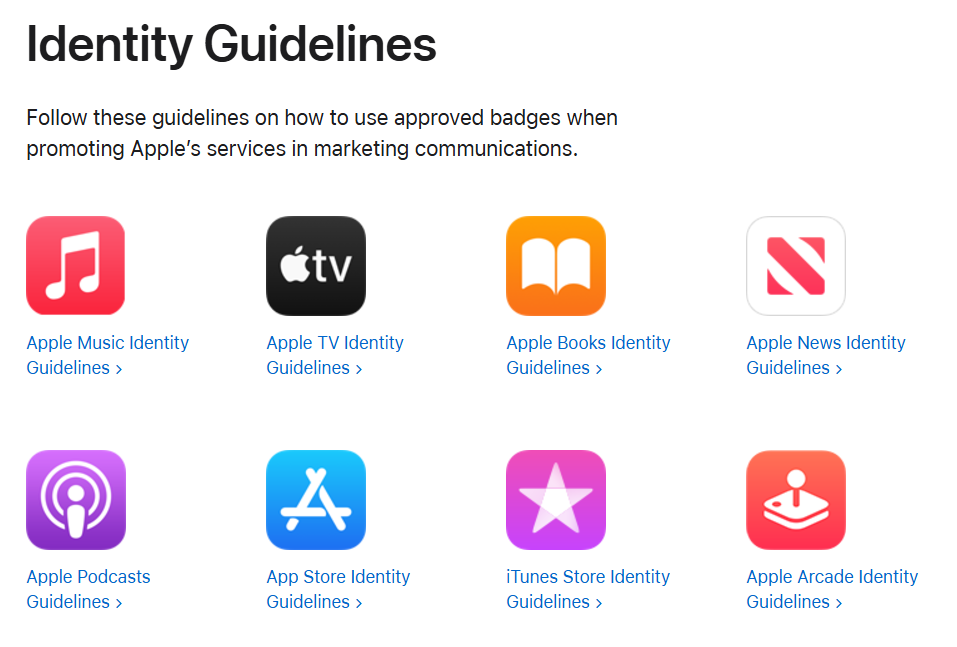
Furthermore, Apple’s commitment to societal marketing is evident in its focus on privacy, environmental protection, and accessibility. These values are promoted across all channels, from keynote speeches to the "Apple Services Performance Partners Program." By providing affiliates with rigorous guidelines and educational resources, Apple ensures that its brand identity remains untarnished across thousands of independent partner websites. This unified front has allowed Apple to maintain one of the highest customer retention rates in the technology sector, proving that a holistic approach can drive both market dominance and long-term loyalty.
Data-Driven Optimization and the Role of Analytics
The implementation of a holistic strategy requires a robust technological infrastructure. In the era of Big Data, companies must leverage analytics to monitor the performance of their integrated campaigns. Data-driven decision-making allows firms to identify which touchpoints are most effective and where the customer journey may be experiencing friction.
By analyzing customer behavior across multiple platforms, businesses can refine their messaging in real-time. For example, if data shows that customers referred by affiliates have a higher churn rate than those from organic search, the company can investigate the discrepancy. It may find that affiliate messaging is setting unrealistic expectations, prompting a need for better alignment and partner education. This iterative process of measurement and optimization is essential for maintaining the health of a holistic marketing ecosystem.
Future Outlook: AI, Personalization, and Sustainability
As the digital landscape evolves, the future of holistic marketing will be defined by advancements in Artificial Intelligence (AI) and Machine Learning. These technologies enable hyper-personalization, allowing brands to deliver tailored messages to individual consumers while maintaining a consistent overall brand identity. AI can also streamline internal marketing by automating routine tasks, freeing up employees to focus on high-value human interactions.
Moreover, the emphasis on sustainability is expected to intensify. Future holistic strategies will likely place even greater weight on "circular economy" principles, where the entire lifecycle of a product—from sourcing to disposal—is marketed as part of the brand’s commitment to the planet. Companies that fail to integrate these societal expectations into their holistic framework risk obsolescence as consumer values continue to shift toward ethical consumption.
Conclusion: The Path to Operational Cohesion
The transition to a holistic marketing model is a complex undertaking that requires a fundamental shift in organizational culture. It demands open communication between departments that have historically operated in isolation. Like a medical treatment plan that must consider the entire health of a patient, a marketing strategy must consider the entire health of the business.
By breaking down internal barriers and focusing on the "big picture," companies can create a straightforward and enjoyable customer journey that drives sustainable growth. Holistic marketing is no longer a luxury reserved for global giants like Apple; it is a strategic necessity for any business aiming to thrive in a hyper-competitive, transparent, and rapidly changing global market. The organizations that successfully embrace this unified approach will be the ones that build the most resilient and trusted brands of the future.