

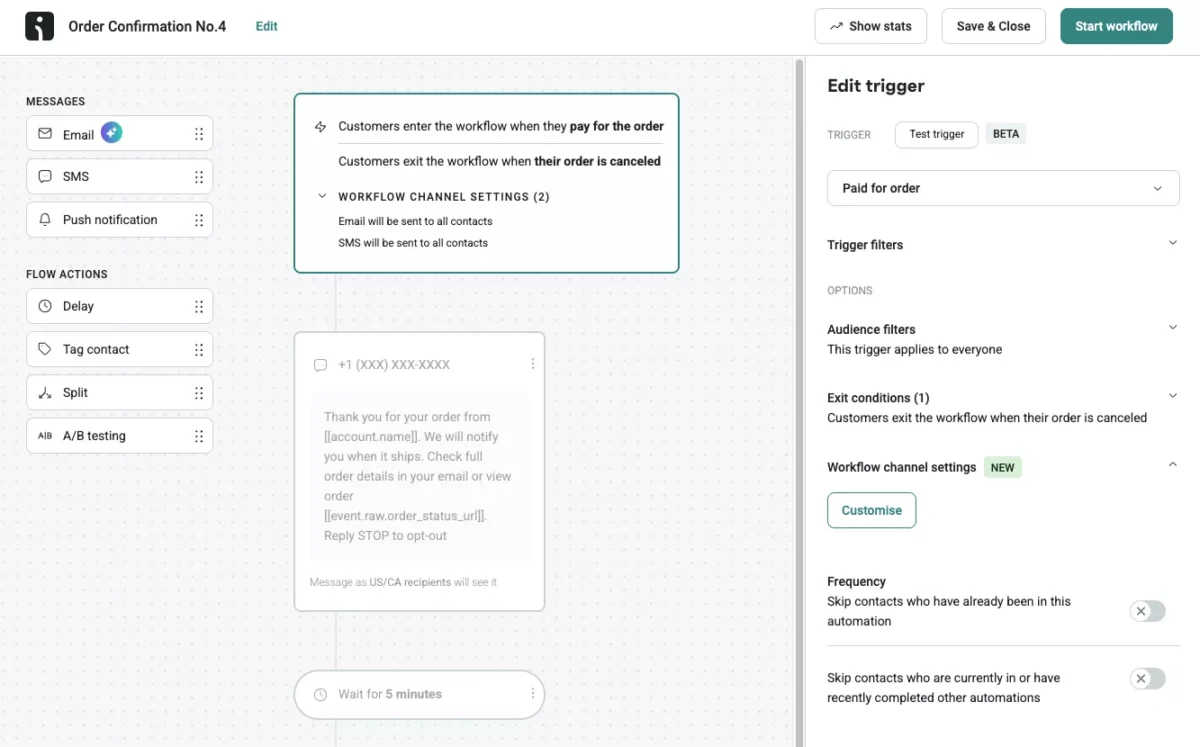
In the dynamic landscape of modern e-commerce, an SMS flow represents an automated sequence of text messages meticulously orchestrated to respond to specific customer behaviors, transforming passive interactions into profitable engagements. This sophisticated approach moves beyond traditional broadcast messaging, offering a powerful tool for businesses to connect with consumers at pivotal moments throughout their shopping journey. The core principle revolves around triggers – predefined customer actions or inactions – that initiate a personalized series of messages, ranging from welcoming new subscribers to recovering abandoned carts or confirming orders. The inherent “set-and-forget” nature of these automations allows e-commerce brands to maintain consistent, timely communication without continuous manual intervention, fostering efficiency and driving measurable results.
Understanding the Mechanics of SMS Automation
At its heart, an SMS flow is a meticulously designed communication pathway, where each step is contingent on a customer’s interaction or a specified time delay. Unlike ad-hoc SMS campaigns, which are typically one-off promotions sent to a broad audience, flows are deeply integrated into the customer lifecycle. A common example illustrates this perfectly: if a customer adds items to their online shopping cart but fails to complete the purchase within a predetermined timeframe (e.g., 30 minutes), an automated reminder text is dispatched. Similarly, a “win-back” sequence might target customers who haven’t engaged with the brand in 60 days, offering incentives to rekindle their interest.
These automated sequences are built upon four fundamental components:
- Triggers: The specific events or conditions that initiate a flow. These can be action-based (e.g., adding to cart), time-based (e.g., 60 days since last purchase), or inaction-based (e.g., opened SMS but didn’t click).
- Delays: Configurable waiting periods between messages, ensuring that communications are timely but not overwhelming.
- Branching Logic: Advanced pathways that adapt the message sequence based on customer responses or further actions, creating a truly personalized experience. For instance, if a customer clicks a link in a cart abandonment message, the flow might branch to a “thank you” or “follow-up” message, rather than sending another reminder.
- Message Content: The actual text messages, often incorporating personalization tags (e.g.,
first_name,product_name) to enhance relevance.
Once configured, these flows operate autonomously, requiring only periodic review and optimization to ensure peak performance. Other industry terms, such as SMS automations, triggered SMS marketing campaigns, or SMS drip campaigns, all refer to this same strategic approach.
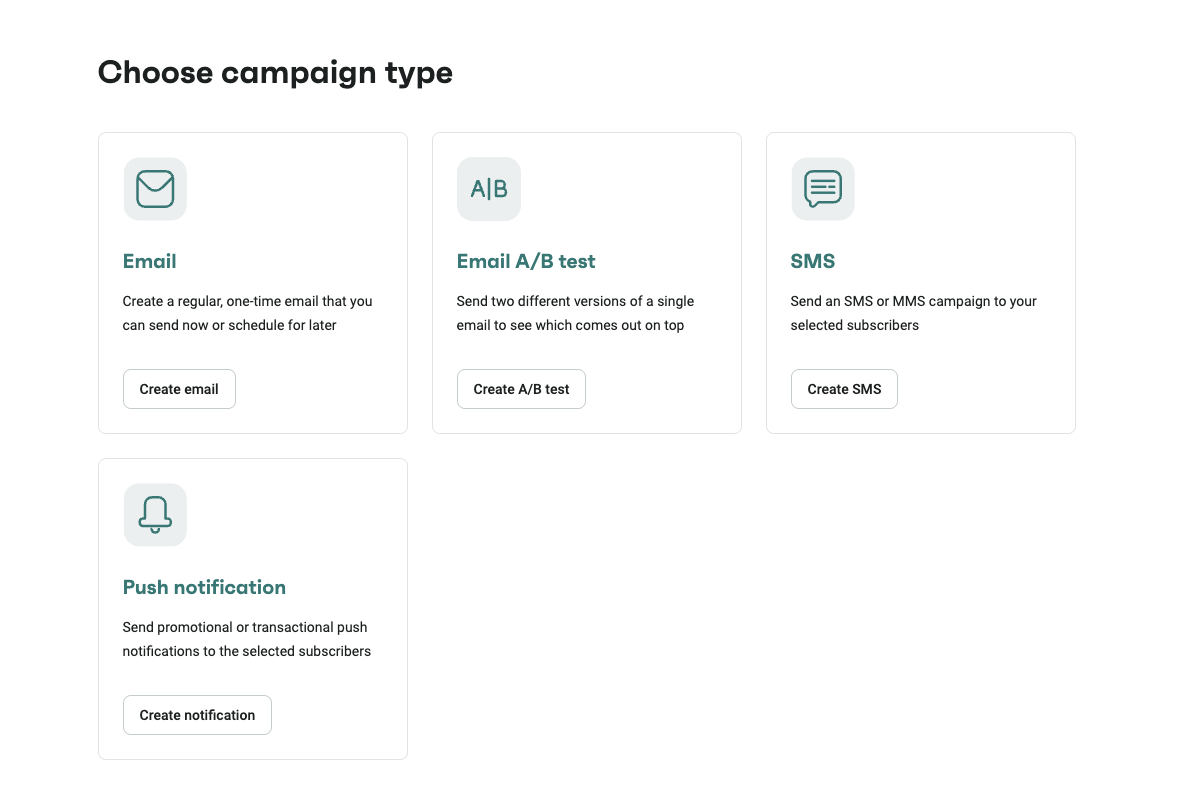
The Unparalleled Effectiveness of Automated SMS Flows
The efficacy of automated SMS flows in e-commerce is not merely anecdotal; it is substantiated by compelling data that consistently demonstrates their superior performance over manual, one-off campaigns. Industry analyses, including data from platforms like Omnisend, reveal a significant disparity in revenue generation. Automated texts generate an average of $0.74 per send, starkly contrasting with the $0.15 generated by manual campaigns. This nearly five-fold increase underscores the power of precision targeting and timely delivery.
Specific triggers often yield even more impressive results. Abandoned cart recovery texts, for example, boast conversion rates ranging from 3.7% to an exceptional 10.2%. Similarly, back-in-stock alerts, which capitalize on immediate consumer demand, achieve conversion rates between 6.0% and 14.3%. These figures are not a product of chance but rather a direct consequence of addressing customers at their precise moment of intent. By leveraging behavioral data, businesses can ensure their messages resonate, leading to higher engagement and conversion rates. The underlying principle is simple: customers are far more receptive to communications that directly relate to their recent actions or expressed interests, making automated flows an indispensable tool for maximizing marketing ROI.
Navigating the Regulatory Landscape: SMS Compliance
While the revenue potential of SMS flows is undeniable, their implementation must strictly adhere to regulatory guidelines to avoid severe penalties and maintain consumer trust. In the United States, the Telephone Consumer Protection Act (TCPA) is the cornerstone of SMS marketing compliance, mandating “prior express written consent” before sending any marketing messages. Violations of the TCPA are costly, ranging from $500 to $1,500 per message, and litigation filings have seen a significant surge, with a 95% increase observed in 2025. This rising legal scrutiny highlights the critical importance of robust compliance measures.
Key compliance considerations include:
- Explicit Opt-in: Customers must actively and clearly consent to receive SMS messages. This often involves a double opt-in process, where subscribers confirm their intent after an initial signup.
- Clear Disclosure: Signup forms must explicitly state what kind of messages customers will receive (e.g., promotional offers, order updates) and how frequently.
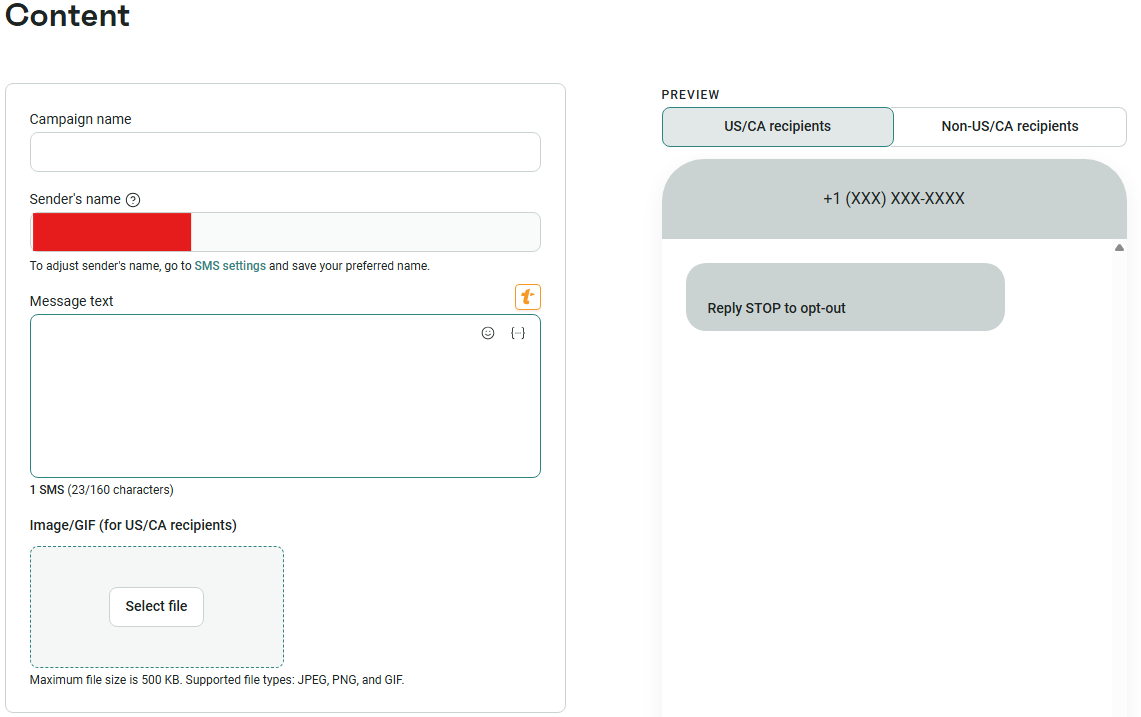
- Easy Opt-out: Every marketing SMS must include a clear and functional opt-out mechanism, typically by replying “STOP.” Platforms like Omnisend are designed to process these opt-out requests instantly, ensuring compliance and maintaining a clean subscriber list.
- Age Verification: For certain products or services, age verification may be required during the opt-in process.
The quality and compliance of an SMS list directly correlate with the revenue generated by automated flows. A meticulously curated, compliant list ensures that messages reach an engaged and receptive audience, mitigating legal risks and maximizing profitability. Leveraging integrated platforms that handle both SMS consent and email sign-ups in a single step can streamline this process significantly.
Strategic Implementation: Essential SMS Flows for E-commerce
To harness the full potential of SMS automation, e-commerce brands should prioritize a foundational set of flows designed to address critical points in the customer journey. These 10 types of SMS flows form the bedrock of a successful SMS marketing strategy:
-
Welcome Series:
- Trigger: New subscriber joins the SMS list via signup forms or checkout.
- Purpose: Convert new subscribers into first-time buyers and set clear expectations for future communications.
- Timing: Immediately upon signup.
- Example: “Welcome to [Brand Name], first_name! Here’s 15% off your first order with code NEW15: shop_url Reply STOP to opt out.”
- Benefit: Establishes immediate engagement and incentivizes initial purchase, crucial for customer acquisition.
-
Browse Abandonment:
- Trigger: Customer views a product page but does not add the item to their cart.
- Purpose: Re-engage potential customers who showed interest but didn’t proceed to the next step.
- Timing: 30-60 minutes after viewing a product.
- Example: “Still considering the product_name, first_name? Here’s why you shouldn’t miss out: product_benefits_url Reply STOP to opt out.”
- Benefit: Recaptures lost interest, especially effective for higher-priced items requiring more consideration.
-
Cart Abandonment:
- Trigger: Items are added to the cart, but the checkout process is not completed.
- Purpose: Recover lost revenue from high-intent shoppers on the verge of purchase.
- Timing: 30 minutes, then 3 hours, then 24 hours after abandonment.
- Example: “Hey first_name! You left product_name in your cart. Complete your order now: abandoned_cart_url Reply STOP to opt out.”
- Benefit: Directly addresses the most lucrative abandonment scenario, often converting a significant percentage of otherwise lost sales.
-
Order Confirmation:
- Trigger: Customer successfully completes a purchase.
- Purpose: Provide immediate reassurance and build trust post-purchase.
- Timing: Immediately after purchase is processed.
- Example: “Order confirmed! Thanks, first_name. Order #order_number ships within 24 hours. Track progress: tracking_url. Any questions, just email us. Reply STOP to opt out.”
- Benefit: Enhances customer experience, reduces anxiety, and builds loyalty.
-
Shipping Confirmation:
- Trigger: Order status changes to “shipped.”
- Purpose: Provide tracking information and reduce customer service inquiries.
- Timing: Right after the product ships from the warehouse.
- Example: “Your order #order_number is on the way, first_name! Expected delivery: delivery_date. Track here: tracking_url Reply STOP to opt out.”
- Benefit: Keeps customers informed and manages delivery expectations proactively.
-
Post-Purchase/Review Request:
- Trigger: Product delivery estimated.
- Purpose: Collect genuine social proof through reviews and create opportunities for future sales.
- Timing: 3-5 days after estimated delivery (or longer for products requiring extended use).
- Example: “How’s your product_name, first_name? Share your experience and get 10% off next time: review_url Reply STOP to opt out.”
- Benefit: Generates valuable user-generated content and encourages repeat business.
-
Winback Campaign:
- Trigger: No purchase in 60-90 days.
- Purpose: Re-engage inactive or dormant customers.
- Timing: 60 days after the last purchase date.
- Example: “We miss you, first_name! Here’s 25% off to welcome you back. Code: RETURN25. Shop now: shop_url Reply STOP to opt out.”
- Benefit: Recaptures valuable past customers, which is often more cost-effective than acquiring new ones.
-
Back-in-Stock Alert:
- Trigger: Customer subscribes to notifications for out-of-stock products, which then become available.
- Purpose: Notify interested shoppers immediately when a desired item is restocked.
- Timing: Immediately once the product becomes available.
- Example: “Great news, first_name! The product_name is back. Limited stock available: product_url Reply STOP to opt out.”
- Benefit: Converts latent demand into immediate sales, leveraging expressed interest.
-
Replenishment Reminder:
- Trigger: Based on typical product consumption cycles.
- Purpose: Remind customers to reorder consumable products before they run out, preventing them from seeking competitors.
- Timing: Varies by product (e.g., 30 days for skincare, 90 days for supplements).
- Example: “Running low on product_name, first_name? Replenish it now with free shipping: reorder_url Reply STOP to opt out.”
- Benefit: Drives consistent repeat purchases for subscription-based or consumable goods.
-
Special Occasion (Birthday/Anniversary):
- Trigger: Customer’s birthday or account anniversary date.
- Purpose: Build brand loyalty and drive sales with personalized, celebratory offers.
- Timing: On the birthday or anniversary date.
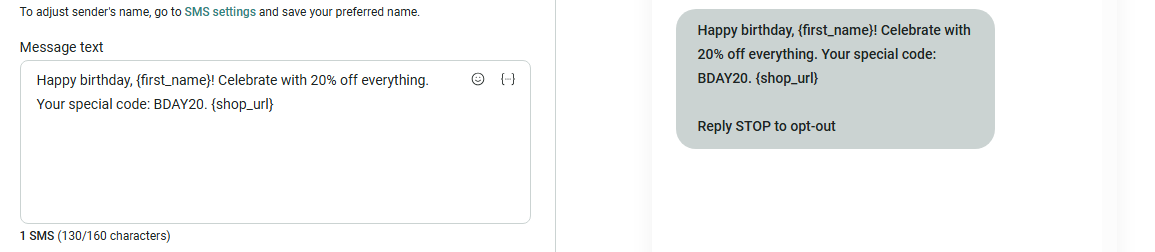
- Example: “Happy birthday, first_name! Celebrate with 20% off everything. Your special code: BDAY20. shop_url Reply STOP to opt out.”
- Benefit: Creates a personal connection and rewards loyalty, increasing customer lifetime value.
Building Your Automated SMS Strategy: A Step-by-Step Guide
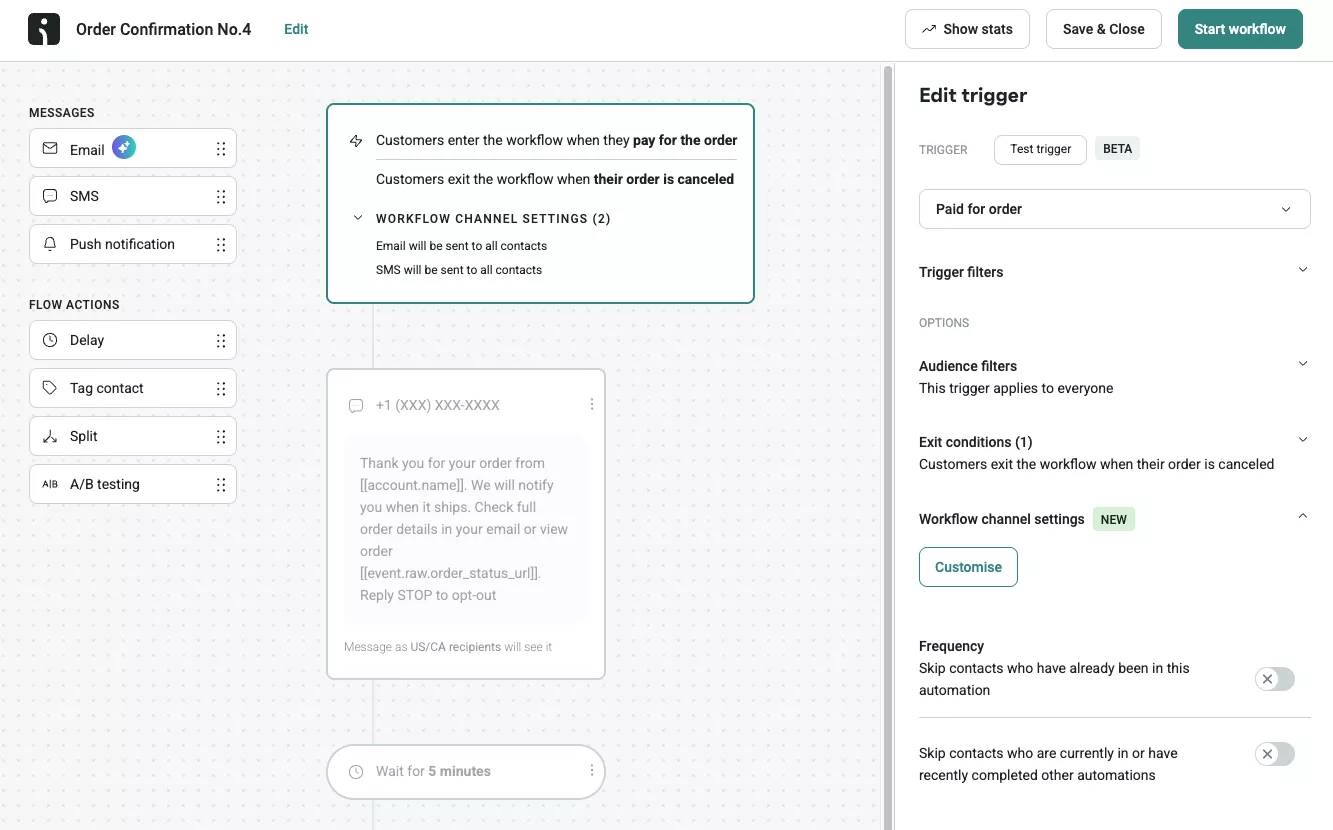
Implementing an SMS flow, particularly with intuitive platforms like Omnisend, can be straightforward. The process typically involves these five steps:
- Choose a Pre-built Workflow or Start from Scratch: Most advanced platforms offer extensive libraries of pre-built automation sequences for common e-commerce scenarios (e.g., cart abandonment, welcome series). These templates significantly reduce setup time and ensure compliance. Alternatively, for unique business requirements, a custom workflow can be built from the ground up.
- Add an SMS Block to Your Workflow: Utilizing a drag-and-drop workflow builder, SMS or MMS messages can be strategically placed anywhere within the automation sequence. This visual interface allows for a clear understanding of the flow’s logic, including delays and branching conditions. The ability to combine SMS with email and push notifications within the same workflow maximizes impact.
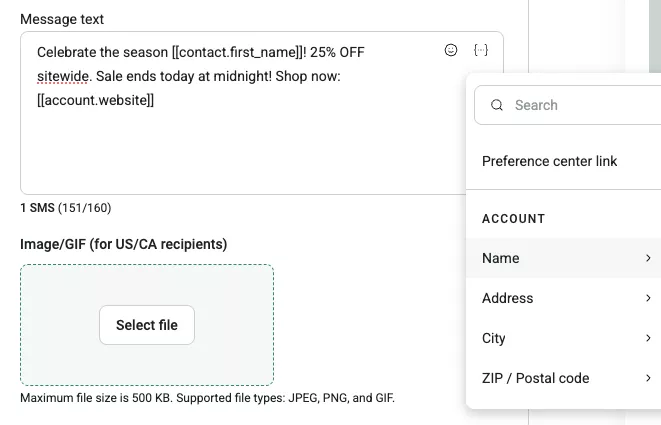
- Craft Your Message and Personalize: The message editor facilitates the creation of compelling SMS content. Crucially, dynamic personalization tags (e.g.,
first_name,product_name,abandoned_cart_url) should be used to make messages highly relevant and personal. Personalization is a key driver of SMS performance, as customers respond more favorably to content tailored to their individual context. - Configure Channel Settings for Compliance: Within the workflow channel settings, it is imperative to select the appropriate subscription status. For marketing SMS flows, “Subscribed” should be chosen to ensure messages are only sent to customers who have explicitly opted in. For transactional messages, such as order confirmations, “Any subscription status” can be selected, as these are essential communications for all customers. This step is vital for preventing compliance violations.
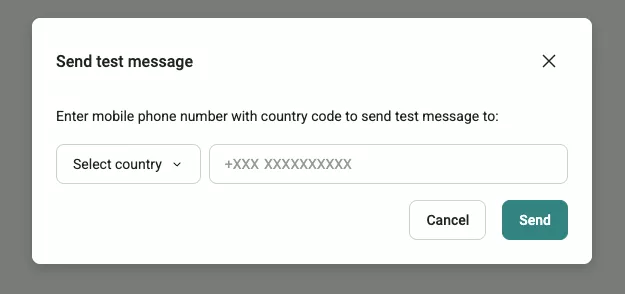
- Test and Activate Your SMS Flow: Before launching any flow, rigorous testing is critical. Send test messages to verify that all personalization tags populate correctly, links are functional, and message formatting is optimized across various mobile devices. Once confirmed that everything is working as intended, the SMS flow can be activated, initiating its continuous operation without further manual intervention.
Measuring Success: Key Performance Indicators for SMS Flows
To truly understand the impact of SMS flows, businesses must focus on key performance indicators (KPIs) that directly link to revenue and customer engagement. These metrics provide actionable insights for optimization:
- SMS Revenue: The total revenue generated directly from SMS campaigns and flows. This is the ultimate measure of financial success.
- Return on Investment (ROI): The revenue generated compared to the cost of SMS sends, offering a clear picture of profitability.
- Conversion Rate: The percentage of recipients who complete a desired action (e.g., purchase) after receiving an SMS.
- Click-Through Rate (CTR): The percentage of recipients who click on a link within the SMS, indicating engagement.
- Opt-out Rate: The percentage of recipients who choose to unsubscribe. A high opt-out rate can signal issues with message relevance, frequency, or compliance.
- Revenue Per Message Sent: A granular metric that helps assess the efficiency of individual messages or entire flows.
Intuitive dashboards provided by platforms like Omnisend offer visual presentations of these metrics, allowing businesses to monitor performance at a glance and identify areas for improvement. For example, a dashboard might display total SMS revenue, number of placed orders, revenue per order, and revenue per message sent, offering a comprehensive view of channel effectiveness.
Industry Insights and Best Practices
The success of automated SMS flows is not confined to large enterprises; even smaller businesses are achieving remarkable results. Vagari Bags, an e-commerce brand, reported a 6-7% click-through rate and a 5.18x return on ad spend from their best-performing SMS campaigns. Their co-founder, Jake Hughes, noted a phenomenal £121.38 return for every £1 spent on Omnisend, highlighting SMS as a key part of their strategy for building customer loyalty. This case study underscores the accessibility and high ROI potential of strategic SMS campaigns for businesses of all sizes.
Expert tips for maximizing SMS flow performance include:
- Set Quiet Hours and Smart Sending: Configure these features within your platform to prevent messages from being sent during inappropriate times (e.g., late at night or early morning) and to avoid over-contacting customers who have recently received another message. This significantly reduces unsubscribes.
- Prioritize Foundational Flows: Begin with the most impactful flows: welcome series, cart abandonment, post-purchase follow-ups, and shipping updates. These four flows are pre-built with templates and compliance-ready settings in many platforms, making them easy to launch.
- A/B Test SMS vs. MMS: While SMS is generally more reliable and cost-effective, MMS (Multimedia Messaging Service) can be powerful when visuals are crucial. Start with SMS and then A/B test MMS to determine if images or GIFs enhance conversions for your specific brand.
The Future of E-commerce Communication
Automated SMS flows represent a pivotal shift in how e-commerce businesses engage with their customer base. They embody the evolution towards hyper-personalized, timely, and behavior-driven communication. As mobile commerce continues its exponential growth, the ability to reach customers directly on their most personal device, with messages that are relevant and action-oriented, will become an even greater competitive differentiator. The emphasis on compliance, data-driven optimization, and strategic implementation ensures that SMS will remain a potent channel for driving sales, fostering loyalty, and building lasting customer relationships in the ever-evolving digital marketplace.
Frequently Asked Questions About SMS Flows
What are SMS flows?
SMS flows are automated sequences of text messages triggered by specific customer actions or time intervals. They enable e-commerce businesses to send personalized and relevant communications, such as welcome messages, cart reminders, and order confirmations, without manual intervention.
What is the best time of day to send an SMS flow message?
Generally, SMS flows perform best when messages are delivered between 10 AM and 8 PM in the customer’s local time zone. It is advisable to avoid sending messages before 9 AM and after 9 PM to respect customer privacy and prevent disturbances. Testing different send times is crucial for identifying optimal periods for specific audiences.
Can I use SMS flows for transactional messages globally?
Yes, transactional SMS messages, such as order confirmations and shipping updates, can typically be sent globally. However, marketing SMS flows are subject to varying regulations in different countries and regions. It is essential for businesses to thoroughly research and comply with local SMS marketing regulations before launching promotional campaigns in international markets.
Should I use SMS or MMS in my flows?
For most e-commerce flows, SMS is generally more effective due to its higher reliability and lower cost per message. MMS is best utilized when product images or other visuals are known to significantly drive conversions for a brand. A recommended strategy is to start with SMS and then conduct A/B tests to determine if MMS messages yield superior results for specific campaigns.
What’s the difference between an SMS flow and an SMS campaign?
An SMS campaign is a scheduled, one-time message sent to a broad audience, typically for promotional purposes (e.g., a weekend sale). In contrast, an SMS flow is an automated sequence of messages triggered by individual customer actions, such as abandoning a cart or subscribing to a list. Flows are generally more effective than campaigns because they deliver personalized messages at moments when customers are most receptive and likely to act.








