The traditional benchmarks for B2B Search Engine Optimization (SEO) tools are undergoing a profound transformation, moving beyond mere page-one rankings to encompass visibility within AI-generated answers and a direct contribution to sales pipeline and revenue. This shift reflects a dynamic evolution in how B2B buyers discover and evaluate vendors, necessitating a recalibration of SEO strategies to align with modern digital discovery pathways and measurable business outcomes. A strong presence in conventional Google search remains vital, but equally crucial is optimized visibility within the burgeoning domain of artificial intelligence (AI) search, ensuring that B2B marketing efforts yield traffic that demonstrably converts into genuine opportunities.

The Paradigm Shift in B2B Search: From Rankings to Revenue and AI Visibility
For decades, the success of B2B SEO was primarily measured by keyword rankings and organic traffic volume. However, the advent of sophisticated AI models and large language models (LLMs) has fundamentally altered the digital discovery process. A recent whitepaper, "Inside the B2B Buyer’s Mind 2025" by Responsive.io, highlights that B2B buyers are increasingly relying on AI-generated answers to inform their initial vendor research. This means that brands must now optimize their content not only for search engine algorithms but also for AI systems that synthesize information to provide concise, direct answers.

This evolution presents a dual challenge and opportunity for B2B teams. While maintaining a strong Google ranking is still a foundational element of digital presence, the ability to appear prominently and accurately in AI summaries and recommendations has become a critical differentiator. The ultimate goal is no longer just to attract visitors but to convert them into qualified leads and, ultimately, revenue-generating customers. This requires SEO tools that extend their capabilities to address the complexities of the B2B buyer’s journey, which is often characterized by longer sales cycles, multiple decision-makers, and a need for highly targeted, intent-driven content.
Navigating the Evolving B2B Buyer Journey in an AI Era
The B2B buying journey is inherently more intricate than its B2C counterpart. It typically involves a committee of stakeholders, each with distinct informational needs and concerns, from end-users to technical teams and financial approvers. The decision-making process can span months or even years, requiring a sustained and relevant digital presence across various touchpoints. In this environment, AI-generated answers are increasingly serving as the initial filtering mechanism, influencing which vendors make it onto a buyer’s shortlist even before a direct website visit occurs.
This necessitates a strategic approach to SEO that integrates what is now often referred to as Answer Engine Optimization (AEO). AEO focuses on structuring content and data in a way that AI systems can easily parse, understand, and cite, thereby increasing a brand’s likelihood of appearing in AI-generated summaries. For B2B companies, this means ensuring that their unique value propositions, product specifications, and solutions to common industry problems are clearly articulated and discoverable by both traditional search engines and advanced AI models. The success of B2B marketing teams is increasingly tied to their ability to map content precisely to these complex buying journeys and to demonstrate a clear contribution to the sales pipeline, a task made challenging by the extended nature of B2B decision cycles.
Essential Capabilities for Modern B2B SEO Tools
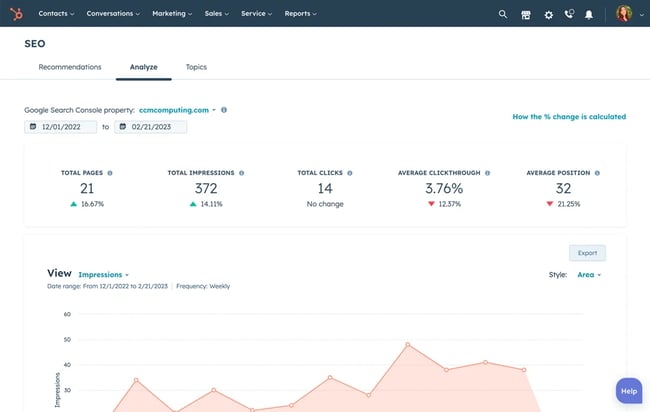
To effectively navigate this evolving landscape, B2B SEO tools must possess a sophisticated set of features that go beyond basic keyword tracking and site audits. Five core capabilities have emerged as indispensable for driving pipeline and revenue in the AI-driven search era:
-
Precision Keyword Research with Buyer-Intent Filters: B2B purchases are rarely impulsive. SEO specialists require tools that can distinguish between various layers of buyer intent—informational (problem research), navigational (brand-specific searches), and commercial (solution comparison, demo requests). The most effective tools move beyond simple search volume, surfacing terms that precisely indicate where a potential buyer is in their journey. This enables marketing teams to create content that targets genuine prospects, aligning content strategies with the nuanced stages of the B2B sales funnel and the specific needs of diverse stakeholders.
-
Seamless CRM Integration and Pipeline Attribution: This is arguably the most critical feature for B2B SEO success. Historically, proving the direct impact of organic search on closed revenue has been a significant challenge, often requiring manual data consolidation and speculative connections. Modern B2B SEO platforms must integrate directly with Customer Relationship Management (CRM) systems. This integration closes the loop between organic traffic and actual sales, allowing SEO teams to attribute specific content pieces and keywords to marketing-qualified leads (MQLs), sales-qualified leads (SQLs), and ultimately, closed-won deals. Such clear attribution is vital for securing stakeholder buy-in and continued investment in SEO initiatives, shifting the focus from vanity metrics to tangible business outcomes.
-
Strategic Competitor and Content Gap Analysis: Understanding the competitive landscape is paramount in B2B. Effective SEO tools must provide robust competitor analysis, identifying which keywords rivals rank for, their content strategies, and areas where a company’s own site may have content gaps. This intelligence allows B2B marketing teams to strategically prioritize topics, create differentiated content, and capture qualified traffic that might otherwise go to competitors. In an AI-driven world, this also extends to analyzing how competitors are represented in AI-generated answers, providing insights into their AEO strategies.
-
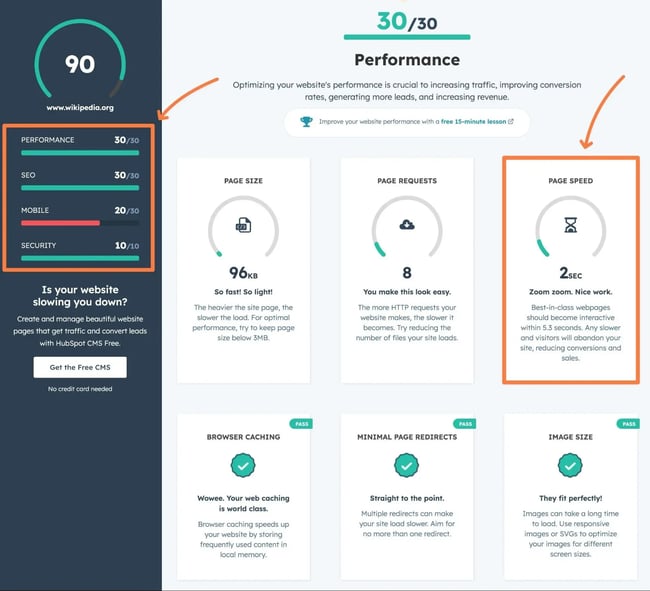
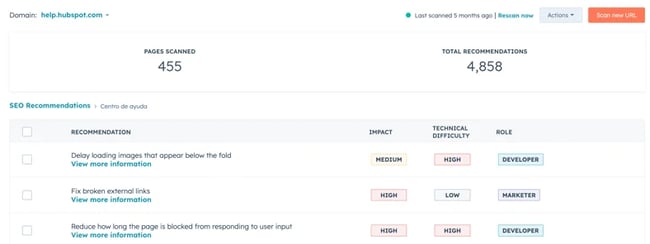
Robust Technical SEO Monitoring: A technically sound website is the foundation of any successful B2B SEO strategy. In a high-stakes B2B environment, where buyers are evaluating multiple vendors simultaneously, a slow, broken, or poorly structured website can quietly erode trust and conversion rates. The right tools offer continuous crawl monitoring, track Core Web Vitals (such as loading performance, interactivity, and visual stability), and provide prioritized, actionable recommendations. This ensures that technical issues are addressed proactively, improving user experience, search engine crawlability, and overall site health, which directly impacts conversion potential.

-
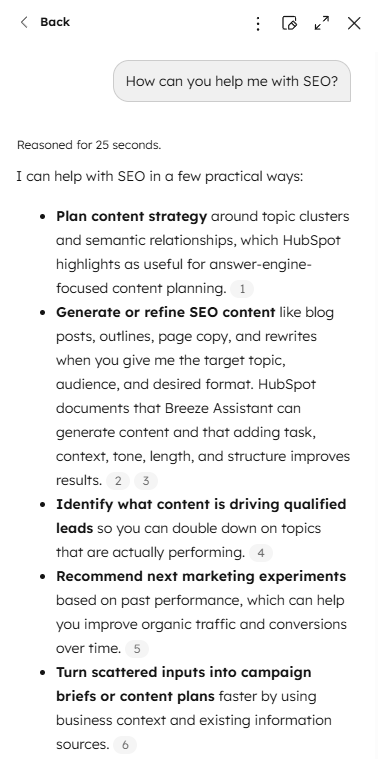
Intelligent Content Optimization with AI Augmentation: The demand for high-quality, relevant content across a full B2B buying journey is substantial. Leading content marketing tools now incorporate AI capabilities to assist teams in optimizing existing pages, identifying new content opportunities, and maintaining quality and consistency at scale. This includes AI-powered suggestions for content structure, keyword integration, tone, and even drafting, enabling B2B marketers to enhance their content output and effectiveness without necessarily increasing headcount at the same rate. Ethical considerations and human oversight remain crucial in leveraging AI for content creation.
A Deep Dive into Leading B2B SEO Solutions
The market offers a range of tools, each with unique strengths, designed to empower B2B businesses in this evolving search environment.
HubSpot Marketing Hub: The Integrated Powerhouse for B2B Pipeline Growth
HubSpot Marketing Hub stands out as an AI-powered marketing platform engineered for B2B SEO, particularly for teams aiming to consolidate their SEO workflow within a single, integrated environment. Its strength lies in its ability to connect SEO activities directly to the sales pipeline. HubSpot’s SEO tools provide actionable recommendations throughout the content lifecycle, from initial topic planning to ongoing performance analysis, eliminating the need for separate tools and complex integrations. Key features include comprehensive SEO recommendations that scan entire websites (even pages hosted outside HubSpot) and prioritize actions based on impact, difficulty, and role. Crucially, its native Smart CRM integration allows for direct SEO-to-pipeline attribution, enabling marketing teams to demonstrate precisely how organic search contributes to demos, opportunities, and closed revenue. Furthermore, Breeze Copilot, an integral AI feature, accelerates SEO and content tasks, offering assistance with content briefs, optimization recommendations, and performance analysis tailored to specific account data. This holistic approach makes HubSpot Marketing Hub ideal for B2B teams focused on measurable pipeline growth.
HubSpot Content Hub: SEO-Driven Content Management at Scale
Complementing the Marketing Hub, HubSpot’s Content Hub serves as an SEO-integrated Content Management System (CMS) tailored for B2B content teams. What distinguishes it is the embedding of real-time SEO suggestions directly into the editing experience. As content creators write, the platform provides live feedback, addressing most SEO considerations without requiring constant input from a dedicated SEO specialist. This streamlines content workflows and ensures optimization from the outset. Content Hub is particularly powerful for B2B teams investing in AEO, offering robust support for structured data and schema markup. By facilitating the creation of schema-ready content, it ensures that information is easily digestible and citable by AI crawlers, enhancing visibility in AI-generated answers. Its integrated AI content writer further supports AI-assisted drafting, enabling B2B content teams to scale output efficiently while maintaining quality and SEO alignment.
HubSpot AEO Grader: Pioneering AI Search Visibility Analysis
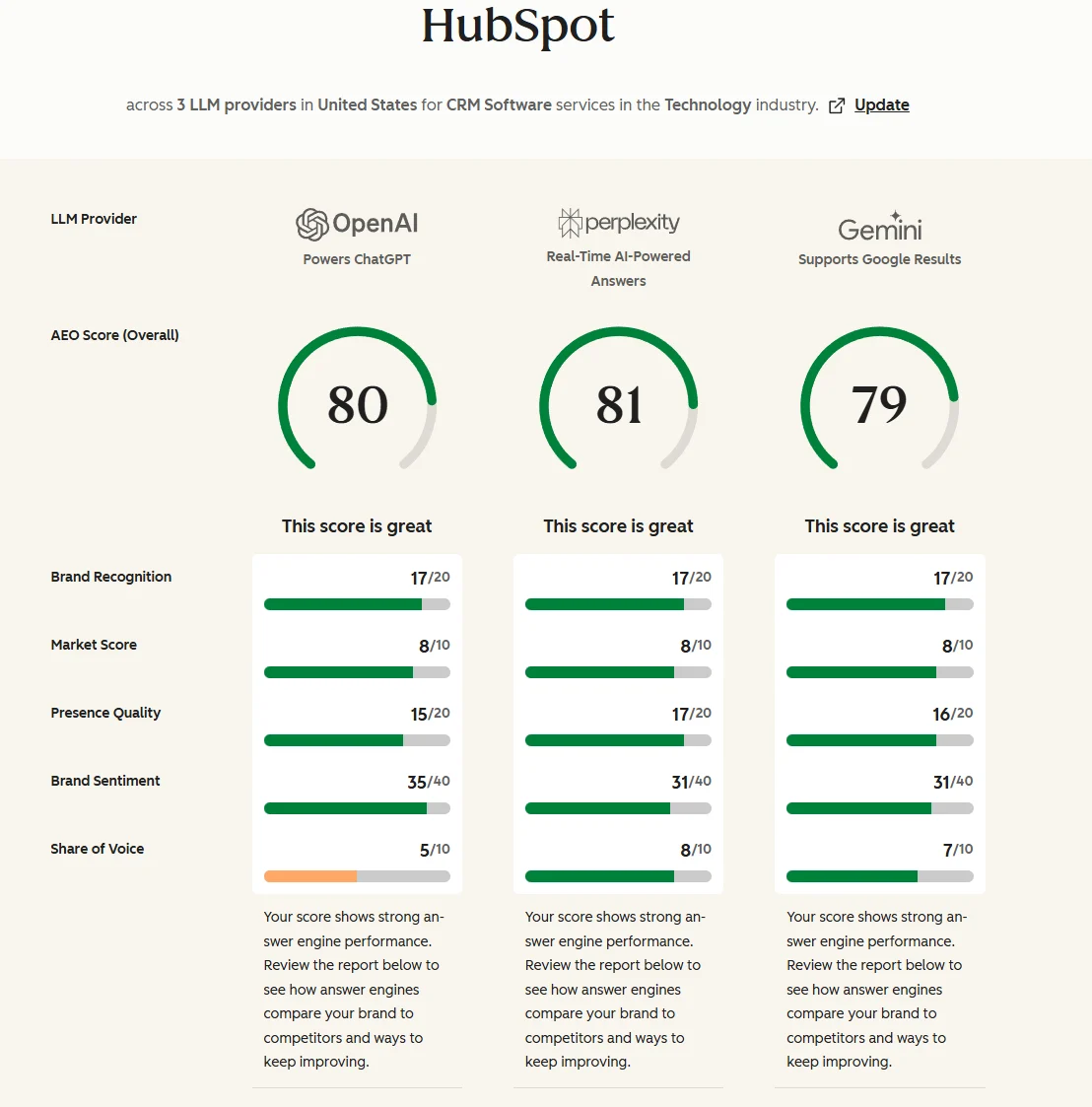
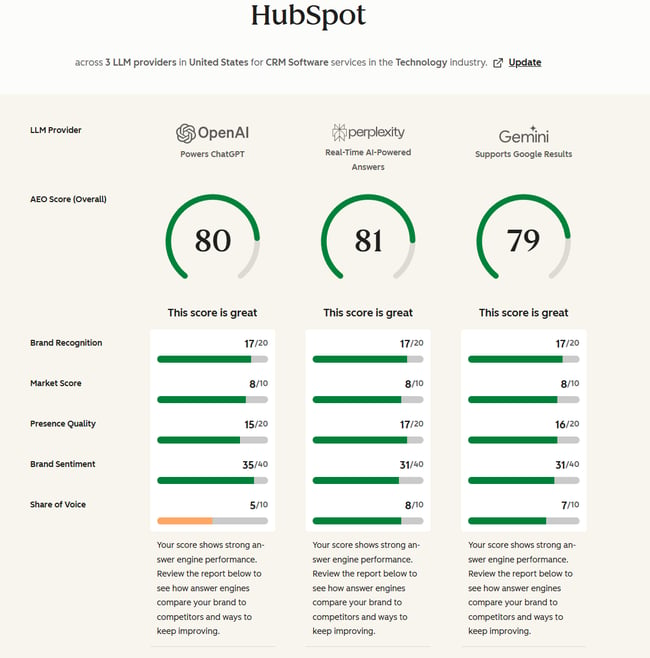
Recognizing the growing importance of AI search, HubSpot offers its AEO Grader as a free, invaluable tool for B2B marketers. This grader assesses a brand’s visibility in AI search environments, including leading platforms like ChatGPT, Perplexity, and Gemini. It generates a comprehensive brand performance score across dimensions such as brand visibility, sentiment, messaging alignment, competitive differentiation, and content authority. A key advantage is its competitive analysis capability, allowing users to benchmark their AI search positioning against any competitor in their category. For B2B teams venturing into AEO, the AEO Grader provides critical insights into how AI engines represent their brand versus the market, informing strategic content and messaging adjustments. This risk-free tool offers immediate, actionable intelligence for adapting to the AI search paradigm.
Semrush: Comprehensive Market Intelligence for B2B
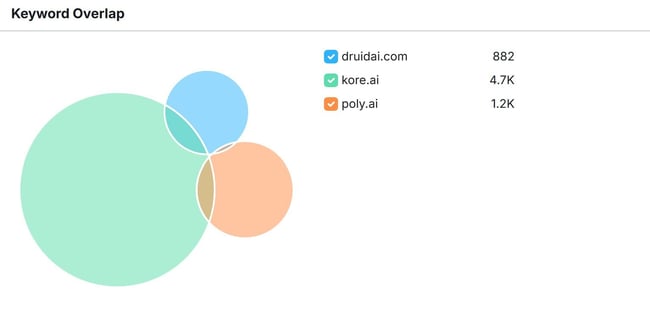
Semrush remains one of the most comprehensive and widely adopted SEO tools for B2B teams, functioning as an all-in-one platform for research and auditing. Its capabilities span keyword research, competitor analysis, content strategy, and increasingly, AI search monitoring. Ramona Joita, an SEO Consultant and Founder of Marketez, highly rates Semrush for its integrated workflow, particularly highlighting the Keyword Overlap/Gap analysis tool. This feature allows businesses to compare their keyword performance against multiple competitors, identifying strategic gaps and opportunities. "I analyze the content that’s already ranking and build a data-backed content plan focused on high-intent topics that can drive pipeline, not just traffic," Joita states, underscoring Semrush’s utility in developing revenue-focused content strategies. Its continuous evolution to incorporate AI features ensures its relevance in the changing search landscape.
Contentsquare (formerly Hotjar): Unveiling On-Page Buyer Behavior
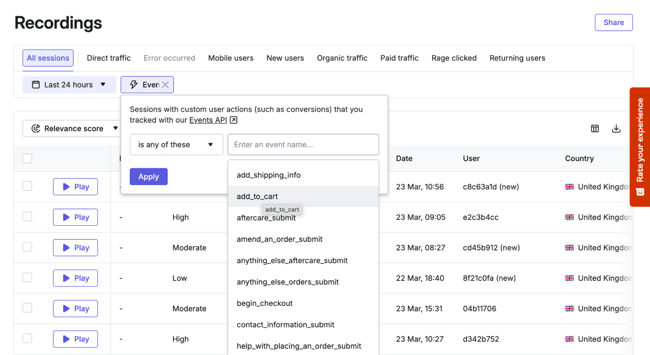
Contentsquare, having acquired Hotjar, provides B2B teams with deep insights into user behavior on their websites. Through heatmapping, scroll depth analysis, click patterns, and session recordings, it helps marketers understand how organic visitors interact with content once they land on a page. Emina Demiri-Watson, Head of Digital Marketing at Vixen Digital, recounts a compelling case study where combining GA4 and Contentsquare data for a B2B e-commerce client led to a single navigation label change that resulted in a "217% uplift in menu clicks, key events jumping from 24 to 421, revenue up 64%, and new users engaging with that section up by 566%." She noted that these new clicks primarily came from new visitors in an early buying cycle, highlighting the tool’s power in removing friction and accelerating conversions. Contentsquare is crucial for pipeline-focused SEO, revealing why new visitors might not be engaging and identifying opportunities to optimize the on-page experience.
Lead Forensics: Bridging Organic Traffic to Sales Pipeline
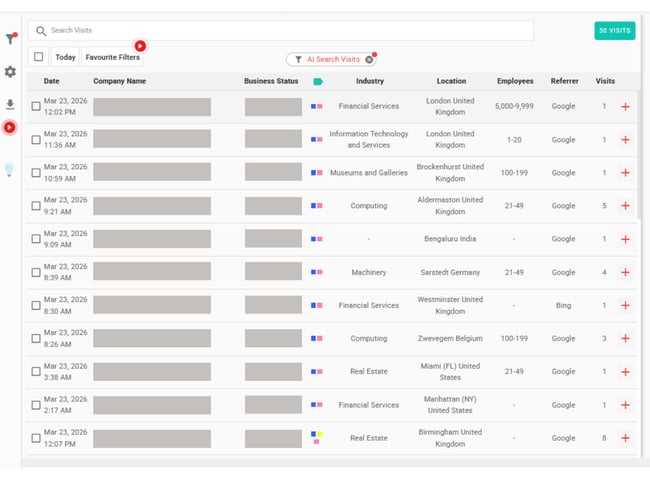
Lead Forensics is a powerful B2B SEO tool designed to identify the companies visiting a website and connect those visits directly to the sales pipeline. This capability is instrumental for B2B teams needing to demonstrate the tangible revenue impact of their organic search efforts. Laura Nineham, Head of Organic Search and Content at Lead Forensics, emphasizes its core value in attribution. "Connecting companies to visits and following them through to closed deals can transform SEO attribution and help us get fair credit for how our activity influences pipeline," Nineham explains. The tool enables teams to identify companies arriving via organic search or AI referrals, apply firmographic filters to confirm alignment with ideal customer profiles, and track these leads through the sales funnel. Integration with CRM systems like HubSpot further enhances its utility, allowing for automated record creation or enrichment based on visitor behavior and firmographics, providing a clear line of sight from organic visit to pipeline contribution.
Trendos: Longitudinal Tracking of AI Search Presence
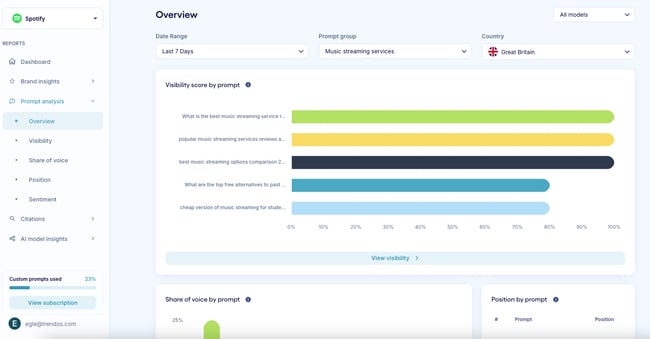
As AI-generated answers become a primary discovery channel, Trendos offers a specialized solution for monitoring a brand’s appearance and sentiment within these AI environments over time. Eglė Kliukevičienė, Marketing Lead at Trendos, frames AI search visibility as a direct pipeline issue, asserting that platforms like ChatGPT and Gemini now shape how buyers discover and compare B2B brands long before they reach a vendor’s site. "You can see not only where your brand shows up now, but how its presence and sentiment have shifted over time," Kliukevičienė notes. A practical application involves tracking how brands surface in AI-generated "best tools" or "top platforms" lists, which are crucial touchpoints for B2B buyers forming their shortlists. Trendos provides competitive analysis and tracks advertising presence in AI search, offering strategic insights for proactive AEO.
Google Keyword Planner + Claude: Accessible Intent Analysis
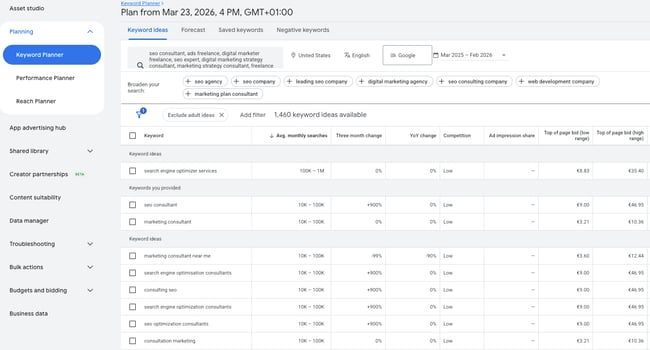
For teams seeking a cost-effective yet powerful approach to buyer intent analysis, combining Google Keyword Planner with an advanced AI like Claude offers a compelling workflow. Google Keyword Planner provides raw keyword data, including search volume and variations, while Claude interprets the nuanced language signals embedded within these terms to reveal buyer intent. Laura I. Abreu, Lead Generation, Ads, and SEO Manager at Global and Search, champions this workflow for large keyword datasets. She argues that many B2B teams stop at search volume, overlooking the deeper insights in language choice. Abreu provides the example of buyers searching "SEO expert" versus "SEO specialist." While seemingly similar, "expert" often signals a willingness to pay a premium and a pre-qualification on value, a distinction Claude can clearly flag. This free combination provides robust data and sophisticated interpretation for highly targeted B2B content strategies.
The Strategic Imperative: Adapting to the New B2B Search Reality
The strategic imperative for B2B companies to adapt their SEO strategies is undeniable. The risks of clinging to outdated metrics and ignoring the rise of AI-driven discovery are substantial, potentially leading to lost visibility in critical early-stage discovery phases and missed pipeline opportunities. The convergence of SEO, content marketing, and sales enablement is accelerating, demanding tools that can seamlessly integrate these functions and provide a holistic view of marketing’s impact. Data-driven decision-making, supported by advanced analytics and clear attribution, is no longer a luxury but a necessity for securing marketing budgets and proving tangible ROI to leadership.
Ultimately, the best tools for B2B SEO share a common objective: to directly connect organic visibility to revenue. Whether through HubSpot’s Marketing Hub attributing a closed deal to a specific blog post, or Lead Forensics identifying target accounts arriving via organic search, the focus has shifted irrevocably from mere traffic generation to measurable business contribution. The current landscape demands a proactive approach, integrating AI-aware strategies and tools that offer comprehensive insights and seamless workflows. For any B2B business looking to enhance its digital presence and demonstrate clear value in the evolving search environment, investing in a robust, integrated, and AI-ready SEO tool stack is a competitive necessity.


 Nana
Nana
 Laily UPN