admin
admin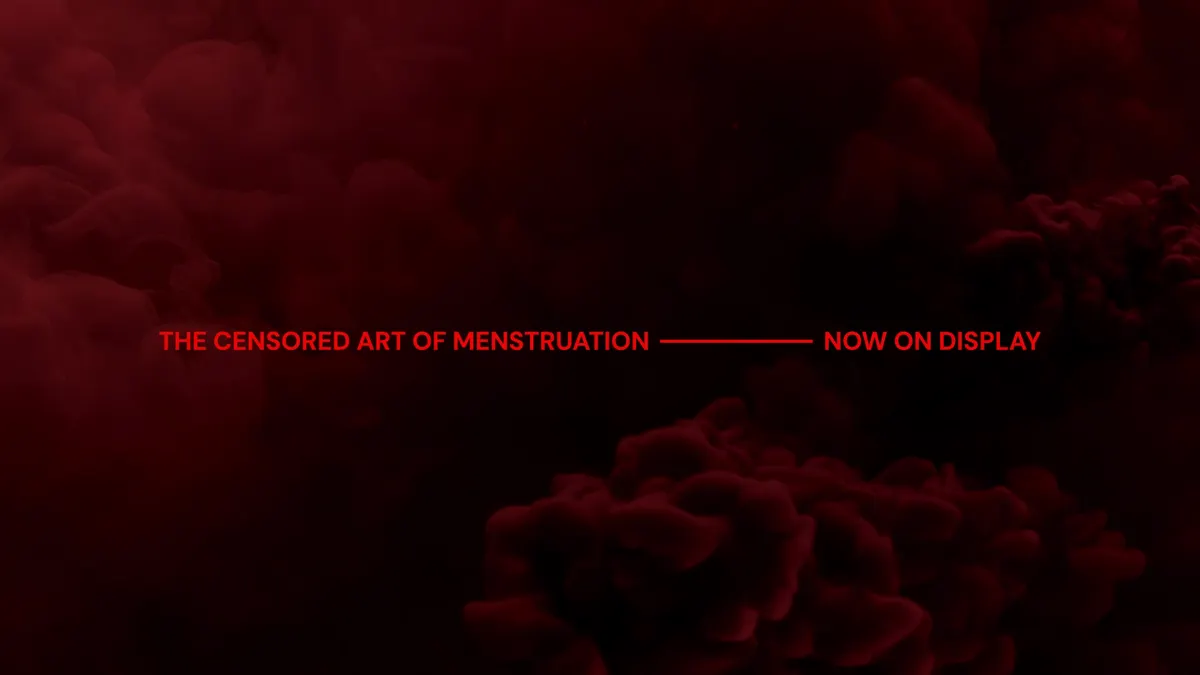
Kotex has launched an innovative campaign titled "Art’s Missing Period," aiming to dismantle the long-standing societal taboo surrounding menstruation by highlighting its historical underrepresentation and censorship in the art world. The initiative, spearheaded by Kotex and developed in collaboration with the creative agency David London, features a virtual gallery accessible via strategically placed QR codes on outdoor advertising. This campaign seeks to challenge the double standard where depictions of blood in art are often celebrated in contexts of violence but deemed inappropriate when related to the natural bodily function of menstruation.
The campaign, which commenced publication on April 9, 2026, arrives a few months after Kotex introduced its refreshed brand platform, "Own Your Flow," in late February. This new platform underscores the brand’s commitment to empowering individuals and normalizing conversations around periods. "Art’s Missing Period" serves as a powerful visual and educational extension of this broader brand message, aiming to reclaim narratives and bring attention to art that has historically been marginalized due to its subject matter.
A Virtual Gallery and a Documentary Unveiling Historical Injustices
At the heart of "Art’s Missing Period" is a virtual gallery that curates a diverse collection of artworks spanning millennia, from prehistoric etchings dating back to 35,000 BCE to contemporary pieces. This collection, made accessible through QR codes affixed to billboards and other out-of-home placements, showcases art that has, in many instances, been excluded from mainstream galleries and exhibitions. The rationale behind these exclusions, as highlighted by the campaign, often stems from the discomfort and stigma associated with depicting menstruation.
Complementing the virtual gallery is an eight-minute documentary, expertly crafted by Emmy-award winning filmmaker Kathryn Everett. The film features narration by esteemed journalist and producer Noor Tagourito, who guides viewers through the historical context of menstruation’s absence in art. The documentary delves deeply into the inherent double standard: the art world readily embraces the visual representation of blood when it signifies violence, warfare, or sacrifice, yet recoils from its depiction when it is a natural biological marker of female reproductive health. This selective censorship, the film argues, perpetuates a harmful societal silence and shame around a fundamental aspect of human experience.
The documentary explores how this bias has impacted artistic expression throughout history. Works that dared to represent menstruation, whether through direct imagery or symbolic association, often faced censorship, ridicule, or outright rejection. This campaign seeks to rectify that by bringing these suppressed narratives to light and demonstrating the artistic merit and cultural significance of such works.
Strategic Placements and Amplification
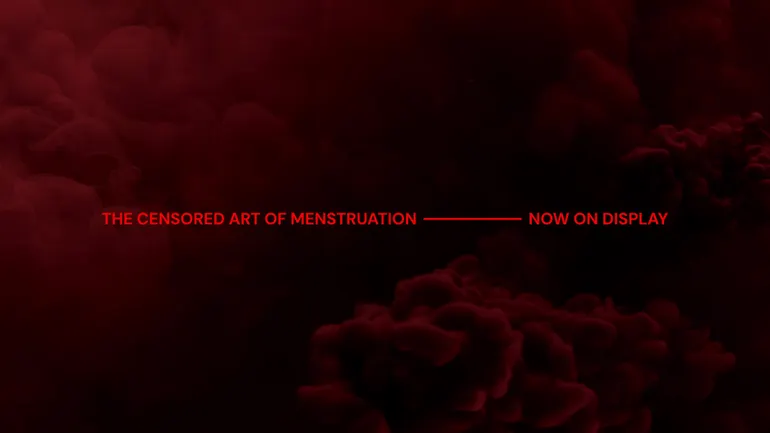
The campaign’s out-of-home advertising employs a striking visual aesthetic, with billboards featuring the bold declaration, "The Censored Art of Menstruation – Now On Display," rendered in stark red lettering against a textured, evocative background. These billboards are strategically positioned in prominent urban areas, with particular emphasis placed in the vicinity of esteemed cultural institutions. For example, placements near New York City’s Metropolitan Museum of Art and the Whitney Museum are designed to provoke thought and encourage dialogue among art patrons and the general public.
The QR codes embedded within these advertisements serve as direct gateways to the virtual gallery. This interactive element allows individuals to seamlessly transition from the physical world to the digital exhibition, fostering immediate engagement and making the art accessible to a wide audience. Passersby are invited to scan the codes with their smartphones, instantly accessing a curated collection that challenges conventional perceptions and historical omissions in art.
Reinforcing Brand Identity and Broader Industry Trends
Selma Ahmed, Executive Creative Director at David London, emphasized the campaign’s purpose beyond mere marketing. "This is not just a campaign," Ahmed stated in press materials. "It is a restoration of voices, narrative and art that deserves to be seen." This sentiment underscores Kotex’s commitment to actively participating in cultural conversations and advocating for greater inclusivity and representation.
The "Art’s Missing Period" initiative aligns with a broader trend observed across various industries, where brands are increasingly investing in creating and owning intellectual property through compelling content, particularly documentaries and short films. This strategy aims to capture consumer attention and foster deeper brand loyalty by engaging audiences on an emotional and intellectual level, moving beyond traditional advertising.

Heineken, for instance, recently released its own documentary, "The Pub That Refused To Die," which chronicled a community’s effort to save its local pub with the brand’s support. This type of content marketing allows brands to associate themselves with meaningful stories and cultural preservation, thereby enhancing their brand image and resonance.
For Kotex, the campaign reinforces its long-standing dedication to destigmatizing periods. The brand has a history of pioneering efforts in this area. Notably, U by Kotex was the first feminine hygiene brand to feature red liquid in its commercials, a departure from the industry norm of using blue to represent menstrual fluid. This bold move was instrumental in normalizing conversations around periods and has been followed by numerous campaigns where women openly discuss their menstrual cycles, challenging societal taboos. The "Own Your Flow" platform further builds on this legacy, using metaphors like tennis to represent the challenges women overcome and empowering them to embrace their natural cycles.
Financial Context and Market Performance
While the creative and social impact of "Art’s Missing Period" is significant, it is also worth noting the financial context within which Kotex operates. Kimberly-Clark, the parent company of Kotex, reported a fourth-quarter revenue of $4.08 billion. While this represents a notable 17.21% decrease from the previous year, as indicated in an earnings transcript, the company’s strategic investments in brand-building initiatives like "Art’s Missing Period" are crucial for maintaining market relevance and long-term growth in a competitive landscape. Such campaigns not only address social issues but also aim to cultivate a strong emotional connection with consumers, fostering brand loyalty that can translate into sustained sales performance.
Analysis of Implications and Future Outlook
The "Art’s Missing Period" campaign by Kotex is a multifaceted endeavor with significant implications. Firstly, it directly confronts a cultural bias that has historically marginalized female experiences in the realm of art. By bringing these censored works to the forefront, Kotex is not only promoting its brand but also contributing to a broader cultural dialogue about gender, representation, and artistic freedom. The campaign challenges art institutions and critics to re-evaluate their historical biases and to consider the value of art that depicts female biological realities.
Secondly, the use of QR codes and virtual galleries represents a forward-thinking approach to marketing. It leverages technology to create accessible and interactive experiences that transcend geographical limitations and traditional exhibition spaces. This model of digital engagement allows for broader reach and deeper immersion, offering a compelling alternative or complement to physical art displays.

Thirdly, the campaign reinforces Kotex’s position as a progressive brand that is unafraid to tackle sensitive topics. By aligning itself with the normalization of menstruation and the reclamation of artistic narratives, Kotex is fostering a strong connection with consumers who value authenticity, empowerment, and social consciousness. This can translate into increased brand loyalty and a competitive edge in the market.
The campaign’s success will likely be measured not only by its reach and engagement metrics but also by its contribution to shifting societal perceptions. By encouraging open discussion and challenging historical censorship, "Art’s Missing Period" has the potential to leave a lasting impact on how menstruation is viewed in both art and society at large. As brands continue to explore more meaningful and impactful ways to connect with their audiences, Kotex’s initiative serves as a powerful example of how marketing can be a vehicle for cultural change and artistic restoration. The integration of a documentary and a virtual exhibition also provides a robust content ecosystem that can be leveraged across multiple platforms, extending the campaign’s lifespan and impact. The ongoing efforts by Kotex to champion open dialogue around periods, coupled with this innovative artistic campaign, position the brand as a leader in advocating for a more inclusive and representative cultural landscape.