
 rifanmuazin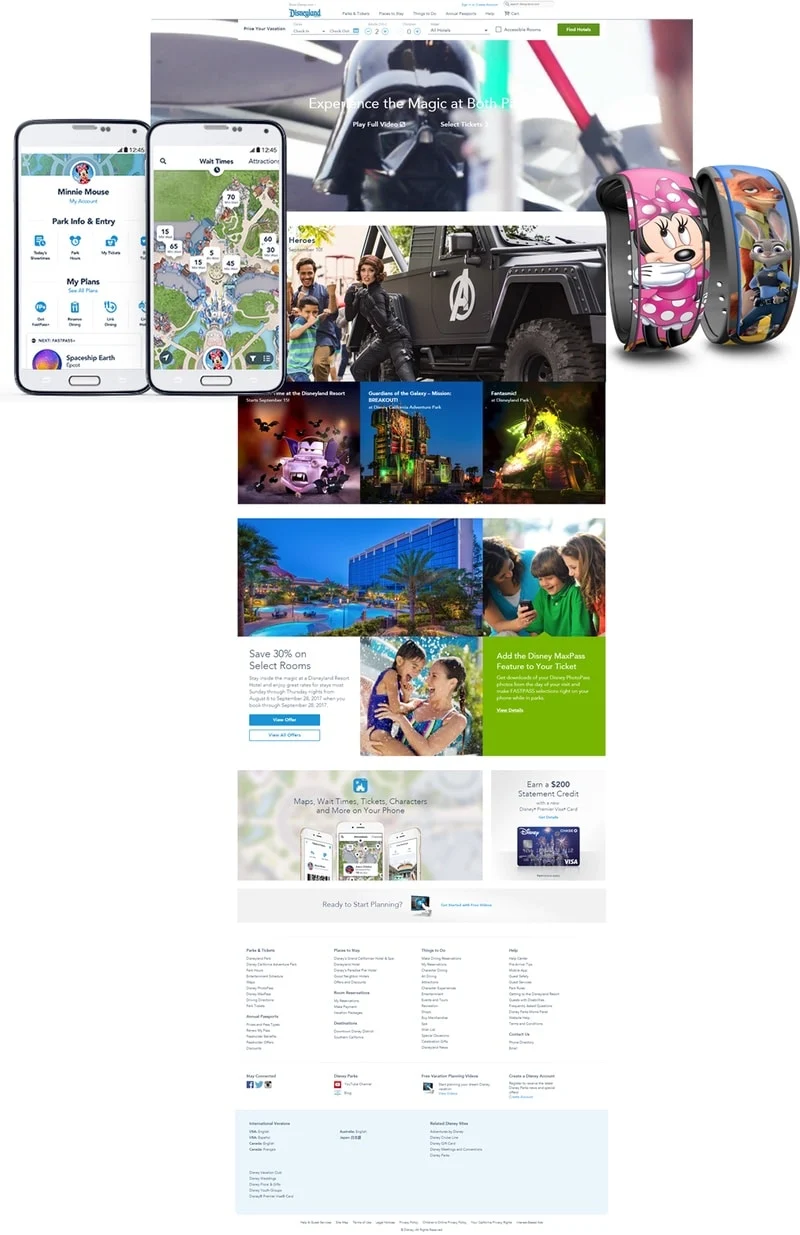
In the contemporary digital landscape, traditional marketing methodologies are increasingly proving insufficient for businesses seeking to maintain a competitive edge in the global ecommerce sector. Growth marketing, a data-driven approach focusing on the entire customer lifecycle, has emerged as the standard for achieving sustainable expansion. To future-proof these efforts, industry leaders are prioritizing deep market analysis, technological integration, and an unwavering focus on customer experience (CX). The shift from short-term customer acquisition to long-term customer lifetime value (LTV) signifies a maturation of the digital economy, where brand loyalty and technological agility dictate market dominance.
The Evolution of the Ecommerce Landscape: A Chronological Context
The transition to current growth marketing strategies has been shaped by over two decades of digital evolution. In the early 2000s, ecommerce was largely transactional and desktop-oriented, with marketing focused on basic search engine visibility. By the 2010s, the rise of social media and the proliferation of smartphones introduced the “mobile-first” era, forcing brands to optimize for smaller screens and shorter attention spans.
The period between 2020 and 2023 acted as a catalyst, accelerating digital adoption by an estimated five years in a matter of months. This surge led to a saturated market where Customer Acquisition Costs (CAC) skyrocketed. Consequently, the industry has entered a new phase in 2024, where the focus has shifted from merely capturing traffic to cultivating deep, data-informed relationships with consumers. Industry analysts observe that the current era is defined by “precision commerce,” where AI-driven personalization and omnichannel consistency are no longer luxuries but foundational requirements.
Data-Driven Consumer Insights and Demographic Shifts
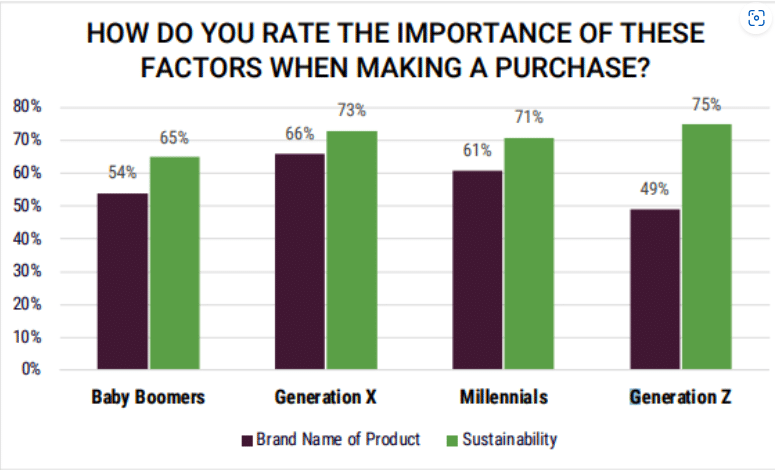
A robust growth marketing strategy is predicated on a granular understanding of the target audience. Recent data from the World Economic Forum indicates a significant generational shift in purchasing behavior. Approximately 75% of Generation Z consumers—those born between 1995 and 2010—now prioritize sustainability and ethical brand practices over mere brand recognition. This demographic shift necessitates a move toward “values-based marketing,” where transparency in the supply chain and corporate social responsibility (CSR) become core components of the growth strategy.
To navigate these shifts, firms are employing advanced market analysis techniques, including:
- Behavioral Segmentation: Moving beyond basic demographics (age, location) to analyze psychographics (values, interests) and behavioral triggers (purchase frequency, browsing patterns).
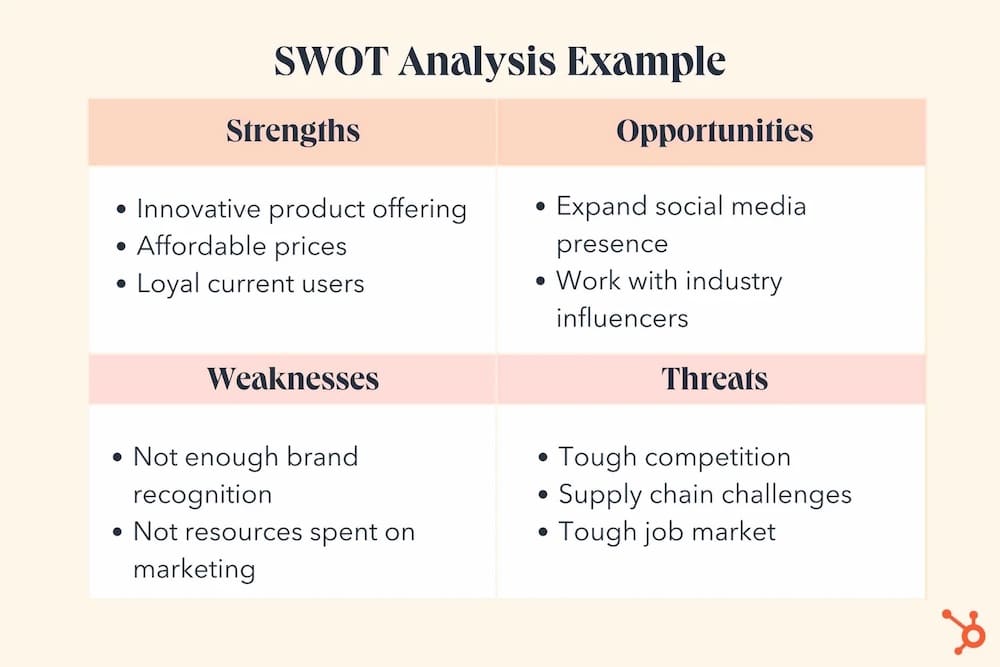
- Competitive Gap Analysis: Using SWOT (Strengths, Weaknesses, Opportunities, Threats) frameworks to identify underserved market segments. Amazon’s historical dominance is frequently cited by analysts as a result of identifying the “speed gap,” leading to the infrastructure that supports Amazon Prime.
- Sentiment Analysis: Utilizing social listening tools to monitor real-time consumer reactions to products and industry trends.
The Technological Infrastructure of Modern Growth
The scalability of an ecommerce enterprise is tethered to its technological foundation. Professional growth marketers emphasize the importance of investing in secure, scalable platforms such as Shopify and Magento. Shopify currently supports millions of businesses across 175 countries, providing a user-friendly entry point, while Magento offers open-source flexibility for complex, high-volume enterprises.
Beyond the storefront, the integration of Artificial Intelligence (AI) and Machine Learning (ML) has revolutionized personalization. Stitch Fix, the online personal styling service, serves as a primary case study for this trend. By utilizing AI to analyze individual customer preferences and style data, the company has transformed the shopping experience from a search-based activity into a curated service. This level of personalization is becoming the benchmark for consumer expectations.
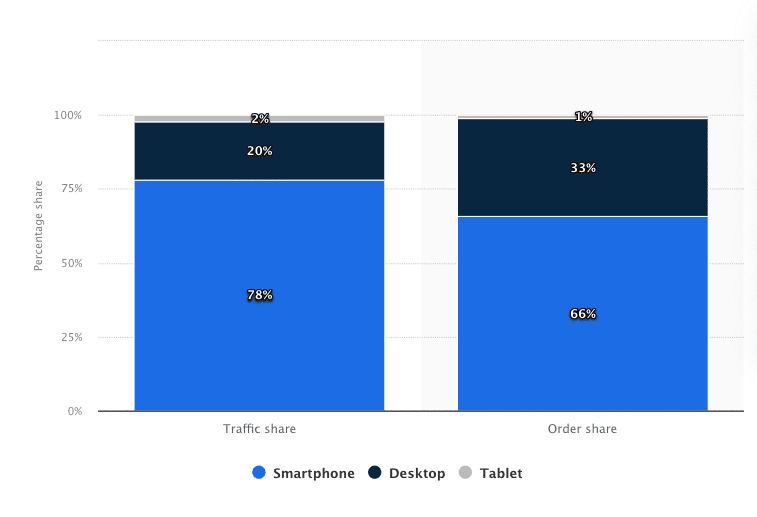
Furthermore, the “mobile-first” mandate is supported by rigorous data. According to Statista, smartphones accounted for approximately 78% of global retail site traffic in the final quarter of 2023, generating two-thirds of all online shopping orders. Experts suggest that any growth strategy failing to prioritize mobile optimization—including page load speeds and simplified checkout processes—is effectively obsolete in the current market.
The Omnichannel Imperative and Integrated Marketing
The modern consumer journey is rarely linear. A shopper may discover a product on Instagram, research it on a desktop site, and eventually complete the purchase via a mobile app. This multi-touchpoint reality has given rise to omnichannel marketing. Data suggests that businesses with strong omnichannel engagement strategies retain an average of 89% of their customers, compared to a 33% retention rate for those with fragmented strategies.
The Walt Disney Company is frequently highlighted as a leader in this space. Their “My Disney Experience” ecosystem integrates web interfaces, mobile applications, and physical RFID technology (MagicBands) to create a frictionless experience that spans digital and physical environments. For ecommerce brands, this level of integration requires:
- Unified Messaging: Ensuring brand voice and promotional offers are consistent across email, social media, and SMS.
- Synchronized Data: Centralizing customer data so that interactions on one channel inform the experience on another.
- Cross-Channel Fulfillment: Implementing features like “buy online, pick up in-store” (BOPIS) to bridge the gap between digital convenience and physical immediacy.
Content Strategy: Leveraging Evergreen Value
In an era of “content fatigue,” growth marketers are pivoting toward high-quality, evergreen content to drive organic traffic and establish authority. Unlike seasonal promotions, evergreen content—such as “how-to” guides, educational whitepapers, and comprehensive product comparisons—continues to provide value long after its initial publication.
The success of platforms like wikiHow demonstrates the power of utility-based content. By addressing specific consumer pain points and providing actionable solutions, brands can reduce their reliance on paid advertising. This strategy not only improves Search Engine Optimization (SEO) rankings but also builds a “trust reserve” with the audience, making them more likely to convert when they eventually enter the buying phase.
Nurturing Customer Loyalty as a Growth Engine
Economic analysis consistently shows that acquiring a new customer is five to twenty-five times more expensive than retaining an existing one. Therefore, fostering customer loyalty is a critical pillar of future-proof growth. Research indicates that 73% of consumers cite a positive customer experience as a primary factor in their brand loyalty.
Successful brands are moving beyond basic points-based loyalty programs toward “emotional loyalty.” This is achieved through:
- Proactive Customer Service: Utilizing AI chatbots for immediate support and human agents for complex problem-solving.
- Personalized Rewards: Offering incentives based on individual purchase history rather than generic discounts.
- Community Building: Encouraging user-generated content and creating forums for customer interaction, which turns buyers into brand advocates.
Performance Analysis and the Role of Optimization
A future-proof strategy is never static; it requires a continuous loop of analysis and optimization. Key Performance Indicators (KPIs) such as Conversion Rate (CR), Average Order Value (AOV), and Customer Acquisition Cost (CAC) remain the primary metrics for success. However, advanced growth marketers are also looking at qualitative data to refine their approach.
Tools like Google Analytics provide the “what” of user behavior, while platforms like FigPii provide the “why” through heatmaps and A/B testing. By visualizing where users drop off in the sales funnel or which website elements cause friction, businesses can make iterative improvements that lead to significant cumulative gains. This culture of experimentation—testing everything from email subject lines to checkout button colors—is what separates market leaders from their competitors.
Broader Impact and Industry Implications
The shift toward sophisticated ecommerce growth marketing has broader implications for the global economy. As businesses become more efficient at targeting and retention, the barrier to entry for new players increases, requiring higher levels of initial investment in technology and data science. Simultaneously, the emphasis on sustainability and ethics is forcing a transformation in global supply chains, as marketing promises must be backed by operational reality.
In conclusion, securing a position in the future ecommerce marketplace requires a holistic approach that balances technological prowess with human-centric marketing. By grounding strategies in deep consumer insights, maintaining a flexible technological stack, and prioritizing the customer experience at every touchpoint, businesses can transition from reactive survival to proactive, sustainable growth. The organizations that thrive will be those that view growth not as a series of hacks, but as a rigorous, data-driven discipline focused on delivering genuine value to the consumer.








