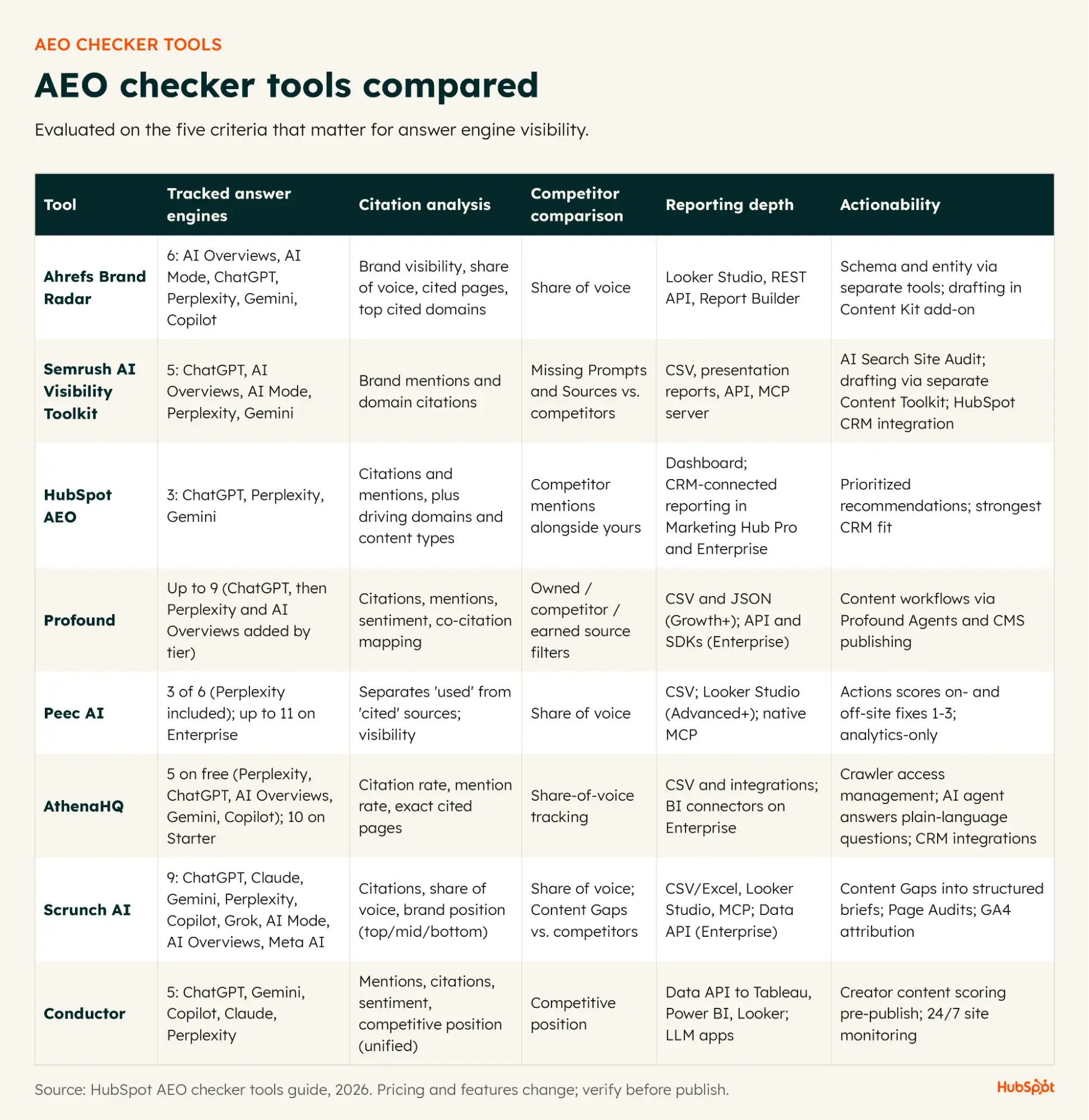
Semrush, a leading online visibility management SaaS platform, has strategically pivoted its content marketing efforts from ad-hoc data studies to a formalized, repeatable data thought leadership program. This significant shift aims to solidify its position as an industry authority, drive sustained organic traffic, secure valuable citations, and ultimately convert brand awareness into tangible business growth amidst an increasingly saturated digital landscape. The move reflects a broader industry trend where unique, data-backed insights are becoming paramount for differentiation and sustained engagement.
Background: The Shifting Sands of Content Marketing
For years, Semrush, like many data-rich companies, approached data studies opportunistically. Research projects were initiated when a compelling idea arose or when internal resources permitted, typically culminating in one or two substantial reports annually. While these efforts yielded valuable insights, their sporadic nature limited their cumulative impact and consistency in establishing Semrush as a continuous fount of original data. This traditional approach, prevalent across many sectors, often struggled to cut through the escalating volume of online content, much of which recycled existing information or offered subjective opinions.
The inflection point for Semrush arrived as the content marketing ecosystem experienced profound changes. The sheer volume of content published daily surged, creating an unprecedented level of noise. Concurrently, the rise of advanced artificial intelligence tools began to democratize content creation, making it easier for competitors to generate high-quality, but often unoriginal, articles. This dual pressure – content saturation and AI-driven commoditization – rendered generic content less impactful, forcing companies to seek new avenues for distinction. Semrush recognized the urgent need to elevate its voice, attract sustained attention, and remain a top-of-mind resource for its target audience. The solution was not merely to produce a single, better study, but to institutionalize data studies as an ongoing, strategic program, complete with dedicated ownership, a structured topic pipeline, a streamlined production process, and a robust distribution engine.

The Strategic Imperative: Why Data Studies Now?
High-quality, original data studies represent a potent differentiator in the modern content marketing arena. They offer something genuinely novel, filling knowledge gaps and providing fresh perspectives that cannot be easily replicated by AI or competitors. In an era where information is abundant but original insight is scarce, proprietary data becomes a unique asset. This strategic emphasis on data-driven thought leadership, as implemented by Semrush, yields several critical advantages:
- Enhanced Credibility and Authority: Publishing original research positions a company as an expert and a trusted source within its industry, fostering deeper trust with its audience.
- Increased Organic Visibility: Unique data studies naturally attract backlinks, media mentions, and social shares, significantly boosting search engine rankings and overall organic visibility without relying on paid promotion.
- Lead Generation and Customer Acquisition: Compelling research can serve as valuable lead magnets, encouraging registrations for reports, webinars, or demonstrations, directly contributing to the sales pipeline.
- Competitive Advantage: By uncovering and presenting new data, a company can shape industry narratives, anticipate trends, and establish a leadership position that is difficult for rivals to challenge.
- Product Alignment and Messaging Reinforcement: Data studies can directly support a company’s product roadmap, messaging, and overall value proposition, demonstrating the real-world impact and relevance of its offerings.
Semrush’s experience underscores these benefits. Since formalizing its data-driven thought leadership program, it has consistently attracted thousands of unique visitors to its research pieces without any paid promotion, generated hundreds of registrations, and directly contributed to a substantial number of new customer acquisitions. This demonstrates that the impact extends far beyond mere brand awareness, translating into measurable business results.
Building the Program: A Phased Approach to Data Thought Leadership
Semrush’s transformation from sporadic data releases to an "always-on" data thought leadership program involved a meticulous, multi-step process. This framework offers a replicable playbook for other organizations aiming to leverage their internal data for strategic growth.

1. Making it an Official Priority and Allocating Resources:
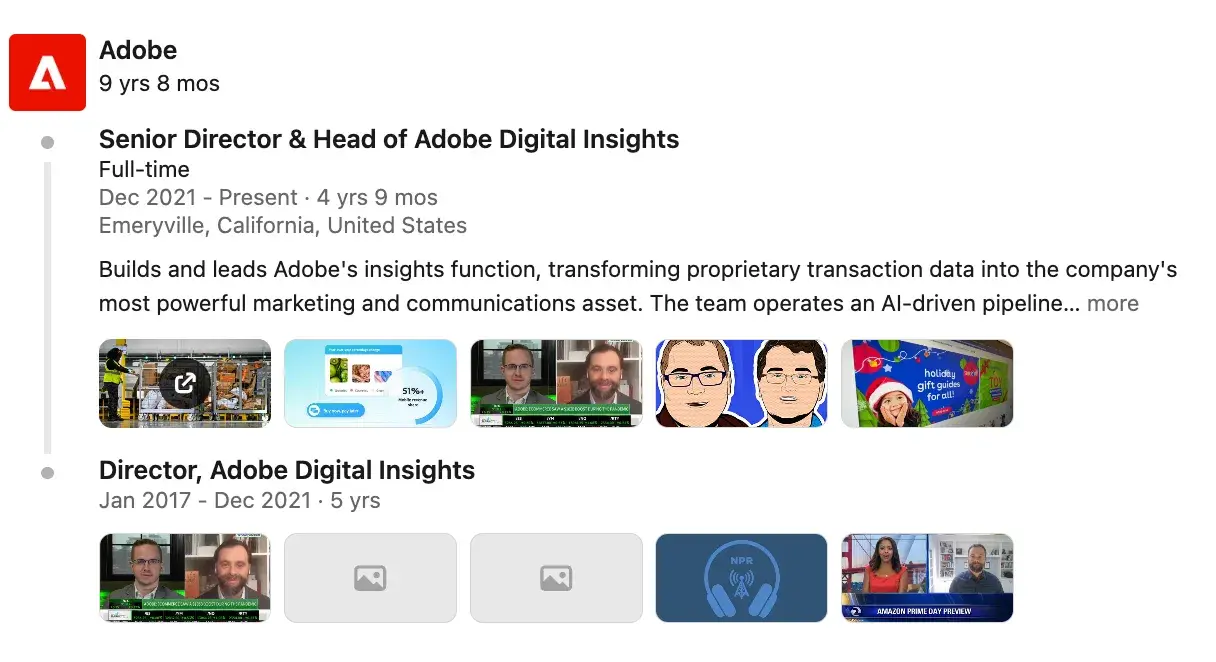
The foundational step was to elevate data thought leadership from an experimental endeavor to an official, strategic priority. This required executive buy-in and the allocation of dedicated resources. For Semrush, this materialized in two key ways: assigning a dedicated Directly Responsible Individual (DRI) within the content or marketing team, and, critically, securing bandwidth from the data science department. This cross-functional collaboration is essential, as robust data studies require specialized expertise in data extraction, analysis, and interpretation. Larger organizations, like Adobe with its Digital Insights team led by Taylor Schreiner, often go further by establishing entire dedicated teams for this function. Additionally, ensuring awareness and alignment across other departments—such as design, campaigns, and email marketing—is crucial for prioritizing promotional activities and production support, guaranteeing maximum impact for each study.
2. Building a Strategic Research Content Plan:
To ensure data studies deliver genuine business value, they must be strategically planned, not merely based on "good ideas." Semrush’s approach involves developing quarterly research plans that are meticulously aligned with industry trends, overarching business priorities, the product roadmap, and, most importantly, customer needs. Key factors considered include:
- Market Gaps: Identifying areas where existing research is lacking or outdated.
- Industry Trends: Tying research to emerging shifts and hot topics.
- Customer Pain Points: Directly addressing challenges faced by the target audience.
- Product Alignment: Showcasing how Semrush’s tools or insights can solve specific problems.
- Brand Messaging: Reinforcing Semrush’s core values and unique selling propositions.
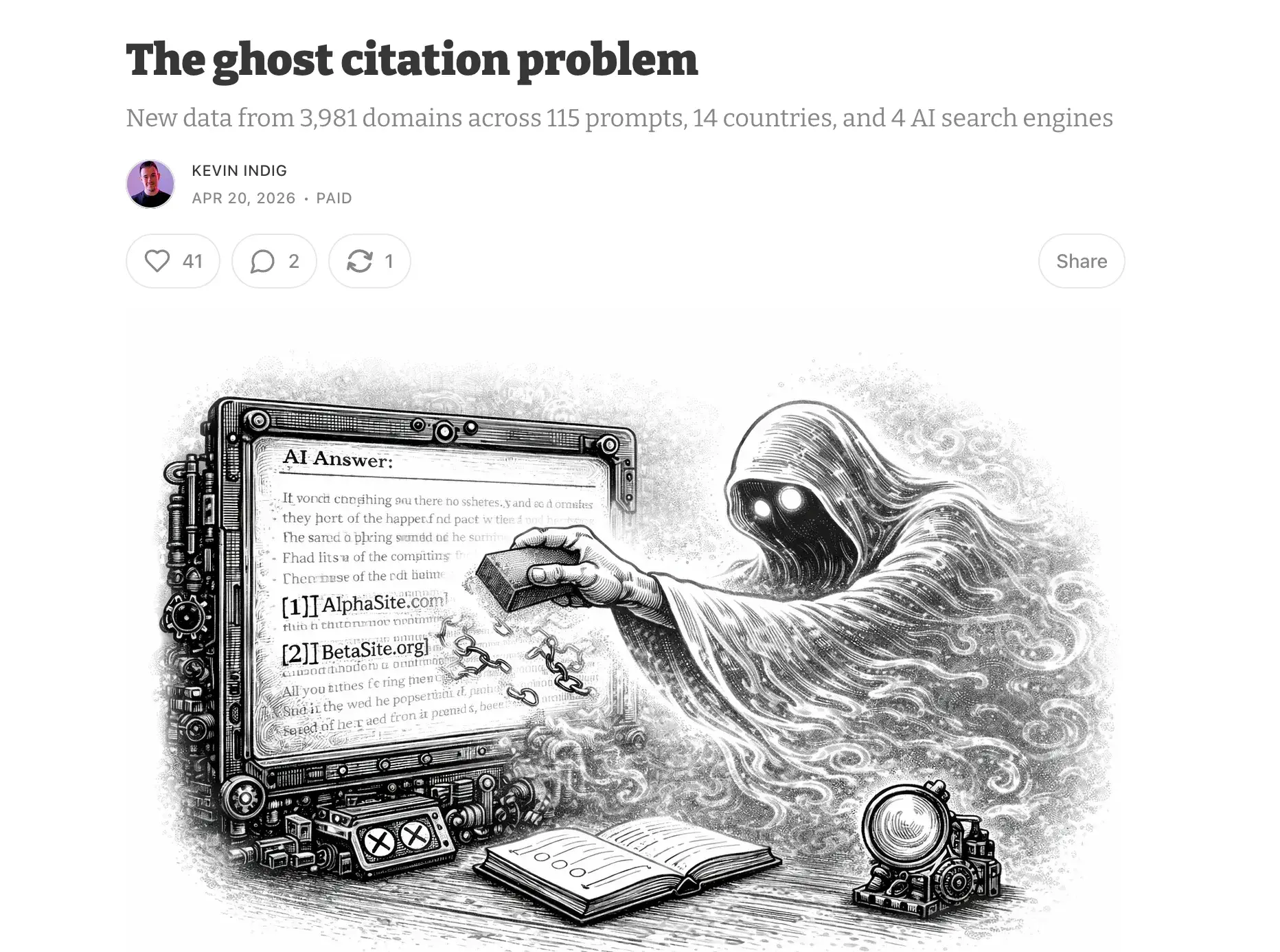
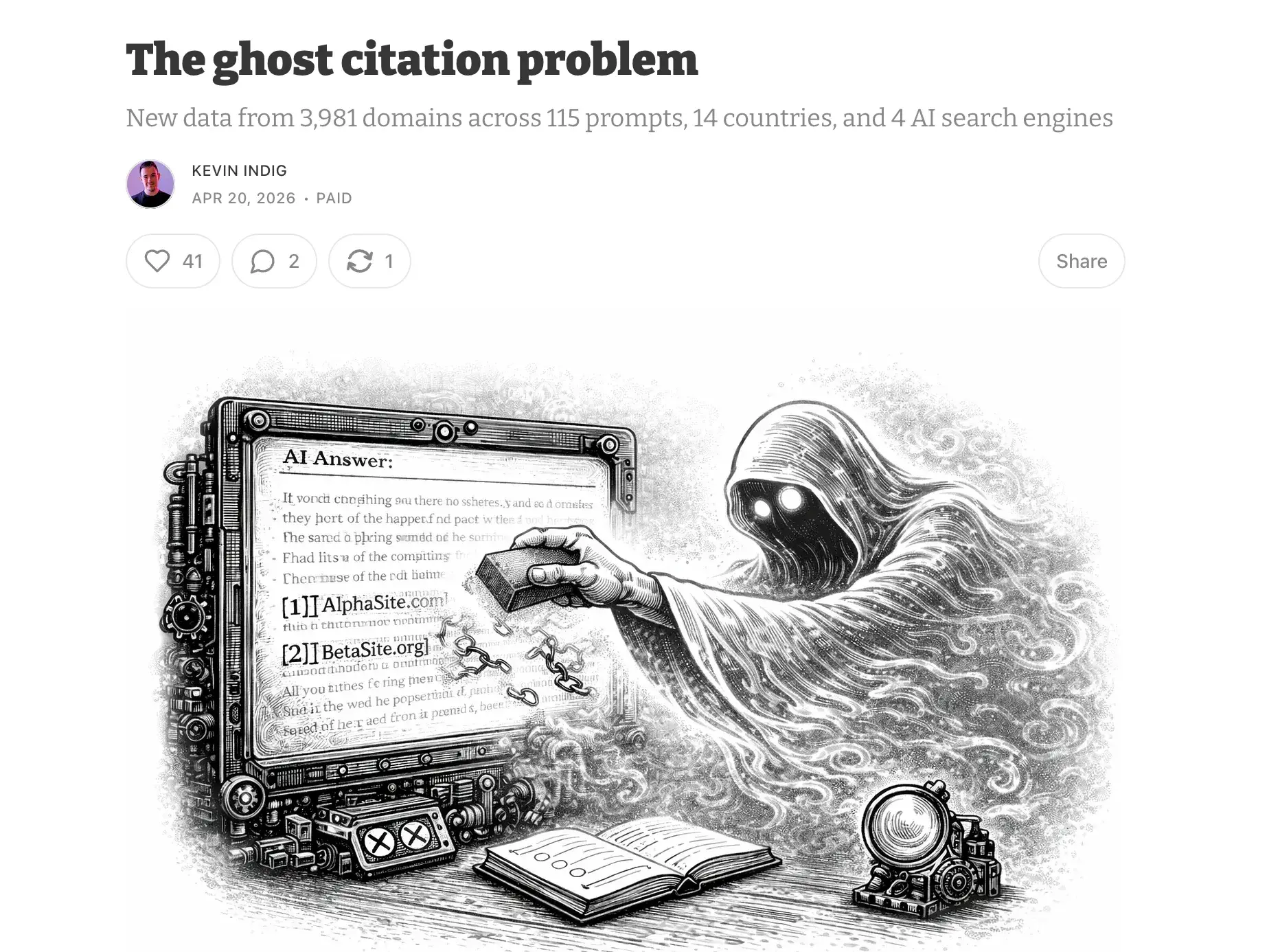
A critical filter for Semrush is alignment with its core messaging and brand perception. For instance, the company’s belief in unifying SEO and AI visibility efforts directly informs its research agenda, reinforcing its value proposition. Proactive customer engagement, such as interviewing users, is invaluable for uncovering the precise questions that research should answer. A prime example is Semrush’s collaboration with industry expert Kevin Indig to investigate the "ghost citation problem"—where brands receive citations without direct mentions—a common pain point identified through user feedback. This direct responsiveness to customer needs ensures the research is not only interesting but also highly relevant and actionable.
3. Ensuring Practical Value and Originality:
The increasing volume of proprietary data being published by various companies means that simply having unique data is no longer sufficient. Semrush emphasizes that its data must offer genuine practical value, uncover something genuinely new, or provoke follow-up questions. This involves a two-pronged approach:
- Competitive Analysis: Thoroughly reviewing existing research in the space to identify unexplored angles.
- Actionable Insights: Ensuring each study provides concrete takeaways, playbooks, or alternative decision-making frameworks.
The fundamental principle is that the data itself is not the ultimate value; rather, it is what the data helps someone understand or do. Every Semrush study is designed to include the "why" (the problem or context), the "what" (the findings), and the "how" (the actionable implications). Data without a clear "so what" risks becoming mere noise in an already crowded information landscape.
4. Designing an Efficient Production Process:
Speed and efficiency are crucial for maintaining relevance and capturing first-mover advantage in data-driven content. Semrush experienced initial challenges with study ideas languishing in backlogs, leading to missed opportunities. To overcome this, a clear, standardized operating procedure (SOP) was developed, focusing on:
- Clear Briefing: Defining the scope, methodology, and desired outcomes for each study.
- Dedicated Resources: Ensuring data scientists and content creators have allocated time.
- Realistic Timelines: Setting achievable deadlines and managing expectations.
- Cross-functional Collaboration: Streamlining communication between research, content, design, and legal teams.
- Flexible Workflows: Adapting processes based on the complexity and nature of the study.
Semrush categorizes its studies into four main types, each with tailored workflows:
- Data Science-Intensive Studies: Requiring detailed briefs and significant data science team involvement.
- Collaborations with Industry Experts: Leveraging external analysts to broaden perspectives and reach.
- Marketer-Led Studies: Including surveys and lighter analyses that don’t require engineering support.
- Co-branded Studies with Other Companies: Highly rewarding for expanded reach and unique insights, despite being more time-consuming. An exemplary success was the co-branded research with LinkedIn, which combined Semrush’s AI-citation data with LinkedIn’s content and engagement data. This collaboration explored how AI tools resurface professional profiles, resulting in Semrush’s most viral research piece to date, extensively featured by media, promoted by LinkedIn, and widely reshared by influencers.
5. Creating a Robust Distribution Engine:
Even the most groundbreaking research will fail to make an impact without an effective distribution strategy. Semrush recognized that a solid plan for disseminating content is as crucial as its creation. The distribution engine aims to ensure each study has a long and impactful life beyond its initial publication, utilizing a multi-channel approach:
- Organic Search Optimization: Ensuring content is structured for discoverability.
- Email Marketing: Leveraging subscriber lists for direct engagement.
- Social Media Promotion: Crafting tailored messages for different platforms.
- Media Outreach: Pitching findings to relevant journalists and industry publications.
- Partner Promotion: Collaborating with co-branding partners for amplified reach.
- Repurposing Content: Transforming studies into webinars, infographics, blog posts, and short-form videos.
This holistic approach ensures maximum exposure and engagement across various audience segments, extending the lifecycle and impact of each research piece.
6. Measuring Success with a Balanced Approach:
Effective measurement is critical, yet often mismanaged, either by over-analyzing every metric or by neglecting measurement entirely. Semrush advocates for a balanced approach, recognizing that data thought leadership often yields subtle, long-term indicators of success that are not always immediately attributable to the bottom line. While direct lead generation and customer acquisition are tracked, the primary focus for data content often lies in building brand authority and influence.
Key metrics for Semrush include:
- Organic Traffic: Monitoring unique visitors to research pages.
- Backlinks and Mentions: Tracking citations from authoritative sources.
- Social Engagement: Analyzing shares, comments, and discussions on social platforms.
- Lead Generation: Measuring registrations for reports or related content.
- Brand Sentiment: Observing qualitative feedback from industry professionals and customers.
While monitoring downstream revenue like new Monthly Recurring Revenue (MRR) and cross-sell MRR where traceable is valuable, it is understood that the full impact of a data program compounds over time and requires patience. The goal is to build a sustained channel for growth, rather than optimizing for immediate, transactional conversions.
Industry Implications and Future Outlook
Semrush’s successful transition to a formalized data thought leadership program offers significant implications for the broader content marketing industry. It underscores a crucial evolution: in an era of abundant, AI-generated content, true differentiation comes from original, data-backed insights. Companies that can consistently produce and effectively distribute proprietary research will gain a substantial competitive edge in credibility, organic visibility, and ultimately, market share.
This shift also highlights the increasing importance of cross-functional collaboration within organizations. The synergy between data science, content marketing, product marketing, and distribution teams is no longer a luxury but a necessity for producing high-impact, data-driven content. Industry analysts suggest that this model will become a benchmark for SaaS companies and other data-rich businesses seeking to establish enduring authority and drive sustainable growth. As content saturation continues and AI tools become more sophisticated, the ability to generate and communicate unique findings will be the ultimate arbiter of thought leadership, making Semrush’s strategic pivot a timely and prescient move for navigating the future of digital marketing.