The landscape of email service providers (ESPs) is undergoing a significant transformation, with a growing number of businesses, from burgeoning startups to established enterprises, opting to migrate their email marketing operations from platforms like Mailchimp to more specialized solutions such as Sinch Mailjet. This shift, observed particularly acutely in early 2026, is driven by an evolving set of corporate requirements centered on scalability, advanced feature sets, robust performance, improved collaboration capabilities, and stringent data compliance. As companies mature, their demands on an email platform extend far beyond basic newsletter sending, necessitating a solution that can integrate deeply with their broader technology stack and support complex communication strategies.
The Evolving Ecosystem of Email Service Providers

For many years, Mailchimp served as an accessible entry point for small and medium-sized businesses (SMBs) into email marketing, lauded for its user-friendly interface and extensive template library. However, as the digital economy matured and businesses scaled, the limitations of general-purpose platforms became more apparent. The need for platforms capable of handling high-volume transactional emails, advanced API integrations, sophisticated segmentation, and multi-user environments with granular permissions pushed many organizations to seek alternatives. Sinch Mailjet, an integral part of the global communications giant Sinch, has emerged as a compelling choice, particularly for those prioritizing robust infrastructure and developer-centric features.
The strategic acquisition of Mailjet by Sinch in recent years significantly bolstered its position in the market. This integration provided Mailjet with access to Sinch’s extensive global network and expertise in cloud communications, enhancing its infrastructure, deliverability, and overall reliability. This backing allows Mailjet to offer a more enterprise-grade solution, appealing to businesses that require high uptime, superior sending speeds, and the assurance of a globally resilient platform.
Key Drivers Behind the Migration Trend
Several factors are consistently cited by businesses as primary motivators for transitioning their email operations:
- Scalability and Performance: As contact lists swell into the hundreds of thousands or even millions, and sending volumes escalate, businesses often encounter performance bottlenecks or disproportionately increasing costs with their initial ESP. Mailjet’s infrastructure is designed to handle massive sending volumes efficiently, providing predictable performance and pricing models that scale effectively with growth. Industry reports from Q4 2025 indicated that companies with over 500,000 active contacts reported a 15% increase in deliverability rates and a 10% reduction in per-email cost after migrating to more specialized platforms like Mailjet.
- Advanced Collaboration and Team Management: Modern marketing teams are often distributed and multidisciplinary, requiring tools that facilitate seamless collaboration. Mailjet offers advanced multi-user accounts with customizable roles and permissions, enabling different team members (e.g., content creators, developers, analysts) to access and manage specific aspects of the email workflow without compromising security or organizational structure. This contrasts with platforms that may have more limited multi-user capabilities, leading to operational inefficiencies.
- Enhanced Deliverability and Reputation Management: Email deliverability is paramount; an email not reaching the inbox is a wasted effort. Mailjet, backed by Sinch’s extensive experience in messaging, places a strong emphasis on deliverability tools and expertise. This includes advanced analytics, dedicated IP options, and proactive reputation monitoring, which are critical for businesses sending time-sensitive or high-value communications. A recent study published in January 2026 highlighted that businesses utilizing platforms with dedicated deliverability teams experienced a 7% higher inbox placement rate compared to those on generalist platforms.
- API-First Approach and Integration Capabilities: For businesses with complex technology stacks, robust Application Programming Interface (API) capabilities are non-negotiable. Mailjet’s API-first design allows for deep, custom integrations with CRM systems, e-commerce platforms, customer data platforms (CDPs), and bespoke applications. This enables automated email triggers, personalized content delivery at scale, and synchronized data across marketing channels, providing a more cohesive customer journey. Data from a March 2026 tech survey indicated that 65% of enterprise marketing teams prioritize API flexibility when selecting an ESP.
- Data Compliance and Security: With the increasing scrutiny around data privacy regulations such as GDPR, CCPA, and emerging global standards, businesses are demanding ESPs that offer comprehensive compliance features and robust data security protocols. Mailjet’s commitment to data protection, particularly for its European client base, and its adherence to strict security standards, provide peace of mind for organizations operating in highly regulated industries.
- Transactional Email Excellence: Beyond marketing campaigns, many businesses rely on email for critical transactional communications—order confirmations, password resets, shipping notifications. Mailjet specializes in high-volume, high-deliverability transactional email, often outperforming platforms that primarily focus on marketing campaigns in this domain. This dual capability allows businesses to consolidate their email sending needs within a single, reliable provider.
The Migration Process: A Structured Approach
Recognizing the complexities involved in switching core communication platforms, Sinch Mailjet has developed streamlined processes and resources to facilitate migration. The transition typically involves three main phases: migrating contacts, transferring email templates, and archiving historical reporting data.
Phase 1: Migrating Contact Lists
The cornerstone of any email marketing operation is its contact database. A meticulous approach to migrating contacts ensures continuity and compliance.
-
Exporting from Mailchimp:

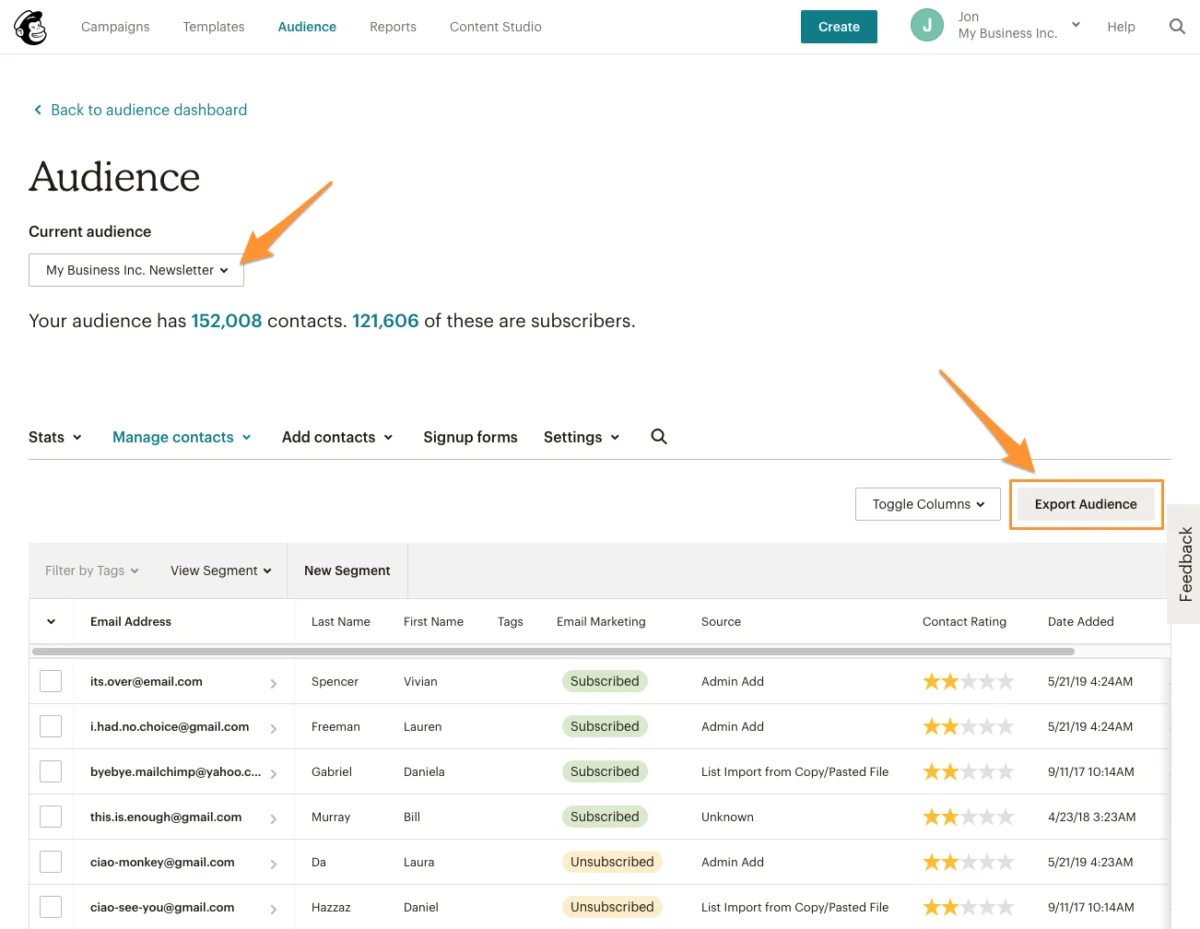
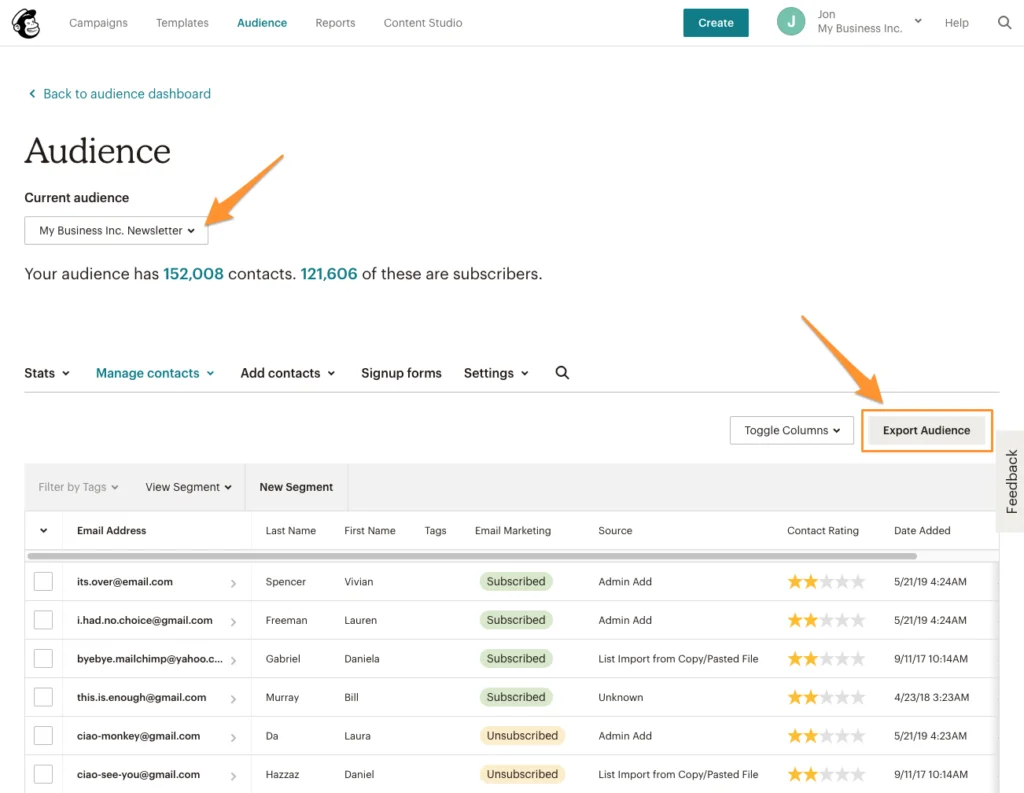
- Audience Selection: Log into Mailchimp and navigate to the "Audience" section. Businesses often maintain multiple audiences within Mailchimp, and it’s crucial to identify and process each one separately to maintain segmentation and integrity.
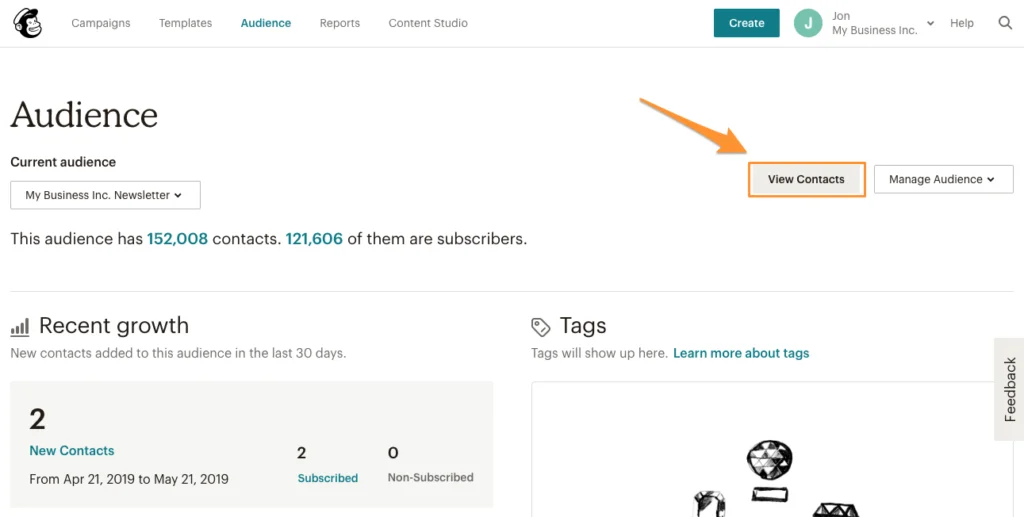
- Contact View: Select "View Contacts" for the desired audience.
- Initiate Export: Click "Export Audience." Mailchimp processes this request, typically generating a downloadable ZIP file containing CSVs of subscribed and unsubscribed contacts. This step must be repeated for every distinct audience you intend to migrate.
- Download and Unzip: Once available, download the ZIP file and extract its contents. You will typically find separate CSV files, such as
subscribed_members.csvandunsubscribed_members.csv.
-
Importing into Sinch Mailjet:
- Mailjet Login: Access your Sinch Mailjet account.
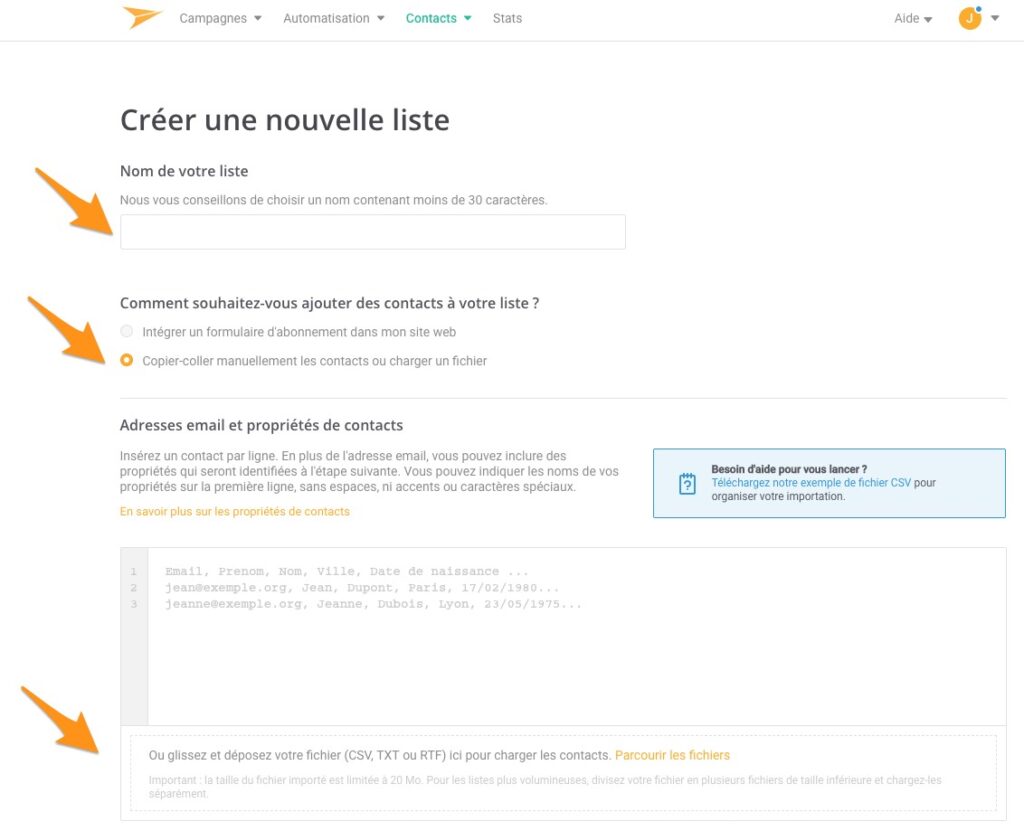
- Create New List: Go to "Contacts" > "Contact Lists," then select "Create a new list."
- Upload CSV: Choose the option to "Paste contacts manually or upload a file" and upload the
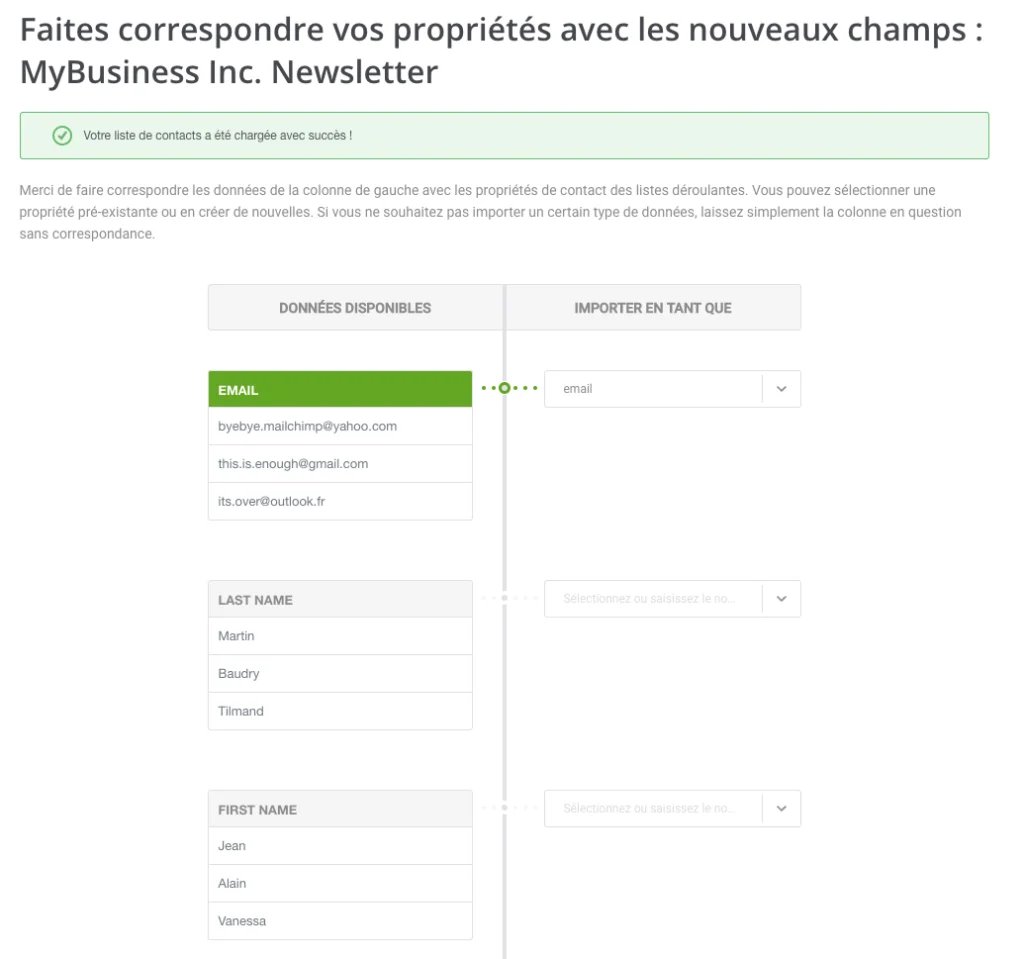
subscribed_members.csvfile. It is critical to import each Mailchimp audience into a separate Mailjet contact list to preserve original segmentation and avoid mixing disparate groups. - Field Mapping: Mailjet’s import wizard will guide you through mapping contact fields (e.g., Email, First Name, Last Name, Custom Fields). This step is vital for ensuring all valuable contact properties are correctly transferred, allowing for advanced personalization and segmentation within Mailjet. After verification, click "Save and continue."
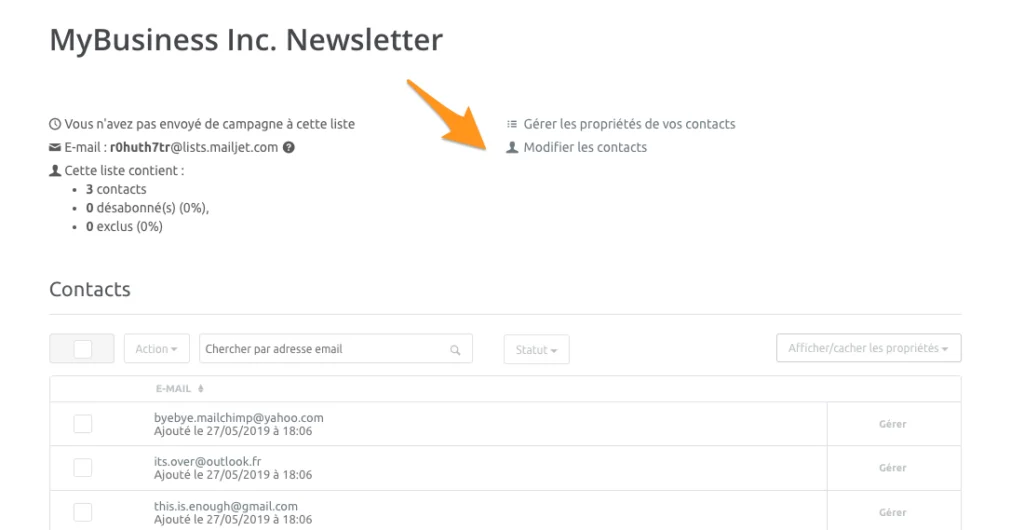
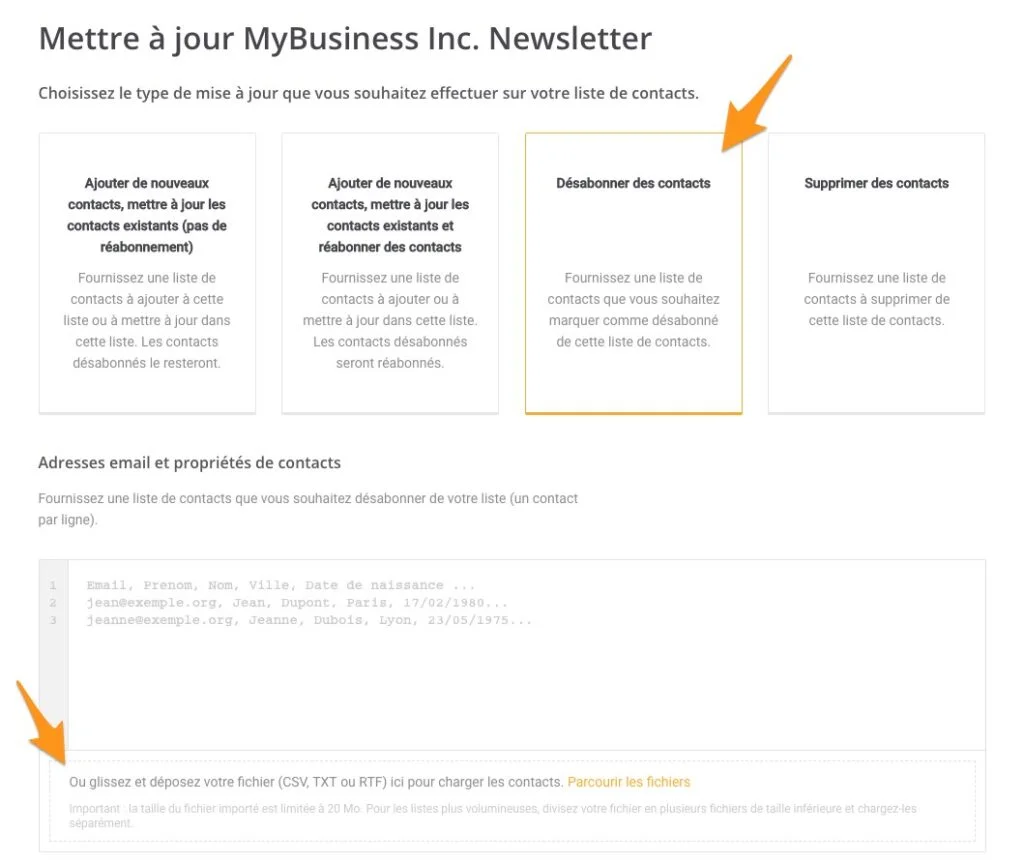
- Importing Unsubscribed Contacts: This is a legally and ethically crucial step. After importing your subscribed contacts, navigate to "Manage contacts" for your newly created list. Select "Unsubscribe contacts" as the update type. Drag and drop the
unsubscribed_members.csvfile from your Mailchimp export. This action prevents inadvertently emailing individuals who have previously opted out, safeguarding your sender reputation and ensuring compliance with anti-spam regulations. Mapping fields may also be required here.
Phase 2: Migrating Email Templates
While direct, editable template transfer between different ESPs is generally not possible due to proprietary rendering engines and block structures, businesses have effective strategies for bringing their designs to Mailjet.
-
Understanding the Limitations: Acknowledging that Mailchimp templates cannot be directly imported into Mailjet’s drag-and-drop editor for continued editing is the first step. This is a common industry standard, as each platform uses unique codebases for their visual editors.
-
Available Options:
- Rebuilding in Mailjet: This is often recommended for businesses looking to refresh their design or take advantage of Mailjet’s native editor features, responsive design capabilities, and modular blocks. Mailjet offers a robust drag-and-drop editor, pre-designed templates, and a flexible structure that allows for easy customization. This approach also ensures full compatibility and optimal rendering within the Mailjet ecosystem.
- HTML Export and Import: For businesses with highly customized designs or a desire to maintain pixel-perfect fidelity to their original templates, exporting templates as HTML from Mailchimp and importing them into Mailjet is a viable option.
- Mailchimp Export: In your Mailchimp account, navigate to "Templates." For each template you wish to transfer, select "Export as HTML." This will download the raw HTML code of your template.
- Mailjet Import: In your Sinch Mailjet account, go to "Campaigns" and choose "Create a new template." Select "Code it in HTML" and then upload your downloaded HTML file.
- Post-Import Review: It is imperative to thoroughly test these HTML-imported templates across various email clients and devices. Minor adjustments to CSS or HTML may be necessary to ensure optimal rendering and responsiveness within Mailjet’s sending environment. While the template’s structure will be preserved, the ability to edit it via Mailjet’s visual editor will be limited; further edits would typically require direct HTML manipulation.
Phase 3: Exporting Reporting Data
Historical email performance data is invaluable for benchmarking, strategic planning, and understanding audience engagement. While direct transfer of reporting metrics from Mailchimp to Mailjet is not supported, businesses can preserve this data for future reference.
- Mailchimp Report Export:
- Access Reports: In your Mailchimp account, navigate to the "Reports" section.
- Download All Reports: Locate and click the "Download All Reports" option. This typically provides a comprehensive export of campaign-level data, including open rates, click-through rates, bounces, and unsubscribes.
- Archiving and Analysis: Downloaded reports should be securely stored and, if desired, analyzed using business intelligence tools or spreadsheets to maintain a historical record of performance trends. This data can then serve as a baseline for measuring the success of campaigns launched from Sinch Mailjet. Industry experts recommend retaining at least two years of historical data for meaningful trend analysis.
Post-Migration Essentials and Broader Implications
With contacts and templates successfully migrated, the final critical steps involve configuring Sinch Mailjet for optimal deliverability and making the most of its advanced features.
- Domain and Sender Validation: Before sending any campaigns, it is absolutely crucial to validate your sending domains and sender addresses within Mailjet. This confirms ownership and trust.
- SPF, DKIM, and DMARC Configuration: Implementing Sender Policy Framework (SPF), DomainKeys Identified Mail (DKIM), and Domain-based Message Authentication, Reporting, and Conformance (DMARC) records is non-negotiable for modern email marketing. These authentication protocols significantly enhance email deliverability, protect your brand from spoofing, and are a strong signal to receiving mail servers that your emails are legitimate. Sinch Mailjet provides clear guidance on configuring these essential records.
- Exploring Mailjet’s Advanced Capabilities: Beyond the migration, businesses are encouraged to delve into Mailjet’s full suite of features. This includes exploring its advanced segmentation capabilities, setting up sophisticated marketing automation workflows (e.g., welcome series, abandoned cart reminders), leveraging A/B testing for optimization, and utilizing its detailed real-time analytics for campaign performance insights. The platform’s powerful API also opens doors for bespoke integrations that can further streamline marketing and transactional communications.
Statements from Industry and Platform Representatives
A spokesperson for Sinch Mailjet, speaking in early June 2026, highlighted the company’s commitment: "We understand that migrating an email platform is a significant undertaking. Our focus is to provide not only a superior, scalable, and compliant sending infrastructure but also the tools and support to make the transition as smooth as possible. Businesses are increasingly looking for a partner that can truly grow with them, offering robust APIs, high deliverability, and advanced collaboration features that meet the demands of a complex digital ecosystem."
Independent industry analysts also weighed in on the trend. Dr. Evelyn Reed, a leading expert in marketing technology, remarked, "The migration from generalist ESPs to more specialized, API-driven platforms like Mailjet signifies a maturing market. Companies are no longer content with ‘good enough’; they require tools that offer precision, power, and performance. The emphasis on deliverability, compliance, and deep integration reflects a strategic shift where email marketing is viewed as a critical, highly measurable revenue driver, not just a broadcast channel."
Conclusion: A Strategic Investment in Future Growth
The increasing migration of businesses from Mailchimp to Sinch Mailjet underscores a broader industry trend where organizations are making strategic investments in their core communication infrastructure. This move is not merely about changing providers; it represents a commitment to leveraging advanced technology to achieve greater scalability, enhance operational efficiency, ensure data compliance, and ultimately drive more impactful and personalized customer engagement. By carefully navigating the migration process and fully utilizing Sinch Mailjet’s robust capabilities, businesses position themselves to thrive in an increasingly competitive and data-driven digital landscape. The comprehensive guide provided by Mailjet ensures that this critical transition can be accomplished efficiently, allowing businesses to quickly unlock the full potential of their new email platform.