A notable shift in operational philosophy is reshaping the landscape of e-commerce profitability, moving the focus away from aggressive marketing spend and towards a more strategic approach to overhead reduction and tax optimization. This evolving perspective challenges the conventional wisdom that business growth is inextricably linked to increased headcount and larger operational footprints. Instead, a growing body of evidence and anecdotal success stories suggests that leaner operations and a proactive stance on tax planning can yield significantly higher profits and reduced stress for business owners.
The conventional narrative for scaling a business often centers on expanding revenue, which in turn is typically associated with hiring more employees to manage increased demand. However, a closer examination of successful e-commerce ventures reveals a different pattern. Many of the most profitable businesses are not those with the largest teams, but rather those that have strategically streamlined their operations and are adept at minimizing their tax liabilities. This paradigm shift is not merely theoretical; it is backed by data and the real-world experiences of entrepreneurs who have transformed their businesses by embracing these less-discussed levers of profitability.
The Data Behind Operational Leaness
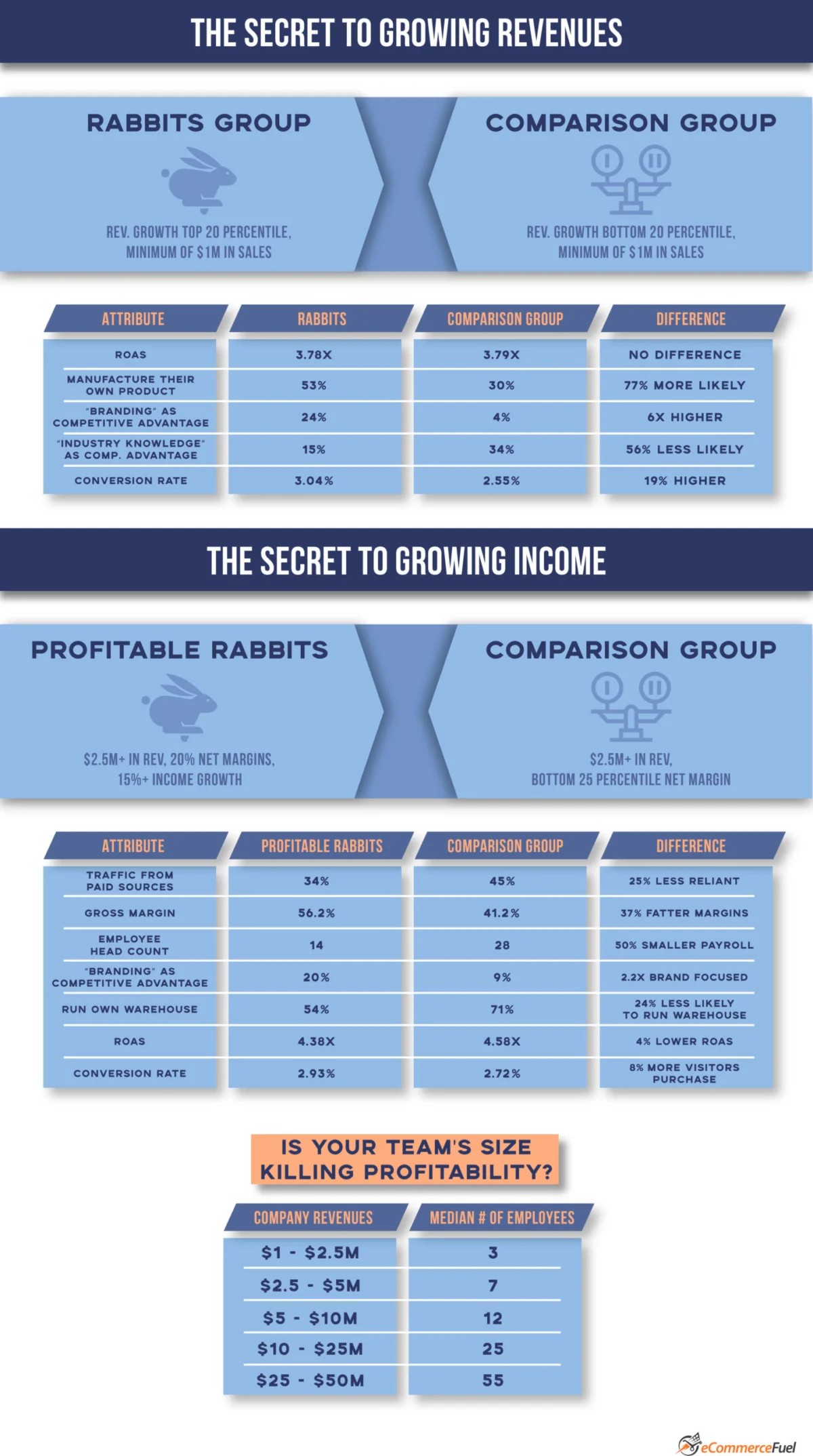
Research conducted across hundreds of e-commerce businesses has illuminated a surprising differentiator between highly profitable stores and those struggling to achieve the same level of financial success. Contrary to expectations that superior marketing prowess would be the key, the data indicated that the difference in Return on Ad Spend (ROAS) between top and bottom performers was negligible. Businesses excelling in profitability were not necessarily masters of Facebook ads or SEO. Instead, the most significant distinctions lay in their operational structure and cost management.

A comprehensive analysis revealed that top-performing e-commerce businesses, on average, maintained payrolls that were half the size of their less profitable counterparts. Furthermore, these successful ventures were 25% more likely to outsource their warehouse operations to third-party logistics (3PL) providers. This strategic outsourcing not only reduced their fixed overhead but also allowed them to leverage specialized expertise and economies of scale in fulfillment. Concurrently, these profitable businesses demonstrated a 25% lower reliance on paid traffic, suggesting that a greater proportion of their revenue was retained rather than spent on customer acquisition.
This emphasis on operational leanness consistently outperformed marketing ingenuity. The implication is clear: businesses that meticulously manage their expenses and optimize their operational efficiency can achieve superior profitability, even without a dominant marketing strategy. This finding is set to be further explored and validated in upcoming industry trend reports, inviting business owners to contribute their data to refine these patterns.
Beyond Headcount: A Holistic View of Lean Operations
The concept of "staying lean" is often misinterpreted as simply reducing employee numbers. However, true operational leanness extends far beyond headcount and encompasses a comprehensive review of all business expenditures. This includes scrutinizing overhead costs that may have become ingrained habits rather than essential components of the business.
Consider the example of office space. A once-necessary physical office, especially in the pre-pandemic era, might now sit underutilized while still incurring significant rental and maintenance costs. Similarly, maintaining an in-house warehouse operation, with its associated staffing, inventory management, and infrastructure expenses, may be less cost-effective than partnering with a 3PL. 3PLs can often provide more efficient warehousing, picking, packing, and shipping services at a lower overall cost, especially for businesses that do not have the volume to justify the fixed costs of their own facilities.

Subscription services, often signed up for with recurring monthly payments, can also represent a hidden drain on resources. Fifty dollars here, two hundred dollars there, can accumulate into a substantial sum over time, particularly if these software-as-a-service (SaaS) tools are no longer actively used or are redundant. A systematic audit of all recurring expenses is crucial to identify and eliminate unnecessary outlays.
A valuable filter for evaluating operational expenses is to consider what is truly core to a brand’s unique selling proposition. If a company’s brand identity is intrinsically tied to its product design, then retaining in-house design talent makes strategic sense. However, if the core competency lies elsewhere, and functions like order fulfillment or customer service can be handled effectively by external specialists, outsourcing these tasks allows the business to concentrate its internal resources on its primary competitive advantages. This intentional allocation of resources, rather than random cost-cutting, is a hallmark of highly profitable businesses.
The Imperative of Proactive, Difficult Conversations
A profound insight into business success often boils down to the willingness to engage in challenging conversations. Many entrepreneurs tend to postpone these discussions until external pressures, such as economic downturns, cash flow crises, or significant drops in profitability, force their hand. This reactive approach can lead to hasty decisions and missed opportunities for optimization.
In contrast, business owners who consistently achieve high profits are proactive in addressing these critical issues. They engage in strategic self-assessment, asking pointed questions: "Do we truly need this specific role, or was it a result of convenience rather than necessity?" "Are we paying for this particular software tool out of genuine need, or is it simply a matter of habit?" And critically, "If we were forced to reduce our expenses by 25% tomorrow, what would we cut?"

The critical difference lies not just in asking these questions, but in acting upon the answers. These proactive owners make calculated decisions to streamline operations, not because they are in financial distress, but because they are committed to maintaining a lean and efficient business model. This foresight allows them to navigate market fluctuations with greater resilience and to consistently maximize their profitability.
Uncovering the Hidden Potential of Tax Strategy
While operational efficiency addresses the outflow of cash, tax strategy focuses on minimizing the outflow to government entities, thereby retaining a larger portion of earned revenue. For many e-commerce business owners, taxes are often viewed as a fixed cost, a percentage of income that is paid without much consideration for optimization. However, this perspective overlooks significant opportunities for substantial savings.
Savvy business owners are demonstrating that it is possible to pay a fraction of the taxes that others in similar financial situations incur, not through illicit means, but through deliberate and strategic tax planning. This involves understanding and utilizing various legal avenues to reduce taxable income and leverage available deductions.
Consider a hypothetical scenario involving two identical e-commerce businesses, each reporting $2.5 million in revenue and $250,000 in profit, with owners who have similar personal circumstances. Owner A pays approximately $75,000 in annual taxes. Owner B, however, manages to reduce their tax liability to around $21,000. This substantial difference of over $54,000 per year stems from Owner B’s intentional approach to after-tax outcomes.

Owner B’s strategies might include:
- Profit Sharing Contributions: By contributing a significant amount, say $45,000, into retirement accounts through profit-sharing plans, Owner B can achieve substantial tax savings. This approach goes beyond standard 401(k) contributions and can lead to savings of approximately $13,500, assuming a 30% marginal tax rate.
- Donating Appreciated Stock: Instead of donating cash, Owner B donates stock that has increased in value. This strategy allows them to avoid capital gains tax on the appreciation while still receiving a full deduction for the fair market value of the stock, potentially saving around $3,500.
- Maximizing Health Savings Accounts (HSAs): By contributing the maximum family limit to an HSA, Owner B utilizes a triple-tax-advantaged account, offering deductions on contributions, tax-free growth, and tax-free withdrawals for qualified medical expenses. This could result in savings of roughly $2,550.
- Paying Children for Real Work: Owner B employs their three children in the business, paying each $7,000 for legitimate work performed. These payments are deductible for the business, and the children can invest their earnings in Roth IRAs, allowing for tax-free growth over decades. This strategy can yield savings of approximately $6,300.
- Inventory Donations: For slow-moving or obsolete inventory, Owner B donates it to qualified charities instead of liquidating it at a loss. By donating at fair market value, they can claim a significant deduction. For $60,000 worth of inventory, this could translate to a tax saving of around $18,000.
These meticulously planned strategies, when aggregated, demonstrate how a proactive approach to tax planning can dramatically increase an owner’s net profit.
The Invisible Nature of Tax Optimization
The reason these tax-saving opportunities often remain elusive for many business owners is the fragmented nature of tax reporting. Personal income tax returns, business filings, brokerage statements, and payroll tax reports are often handled separately, preventing a holistic view of the overall tax burden. Without a consolidated dashboard, owners may not fully grasp their total tax expenditure and, consequently, may not proactively seek ways to reduce it.
While Owner A might have a competent accountant who ensures compliance, this "fine" accountant may not proactively suggest tax-saving strategies. Their role is often to process information rather than to identify and present new opportunities. This reliance on a reactive approach to accounting and tax preparation means that significant potential savings are left on the table.

A Simple Test for CPA Effectiveness
A crucial indicator of a CPA’s value beyond basic compliance is their proactivity. Business owners should ask themselves: "When was the last time my CPA approached me with a proactive idea for improving my financial situation?" If the answer is difficult to recall, it suggests that while the CPA may be proficient at fulfilling obligations, they may not be maximizing the owner’s financial potential. Fine accountants are adequate for standard compliance, but they can be costly in terms of missed opportunities for significant financial gains. Identifying a CPA who actively brings innovative ideas to the table can be a game-changer for a business’s bottom line.
Conclusion: Rethinking E-commerce Profitability
The prevailing focus in e-commerce marketing metrics—such as ROAS, Customer Acquisition Cost (CAC), and Lifetime Value (LTV)—is understandable, as these metrics are tangible and directly related to sales efforts. However, the most successful and profitable e-commerce businesses are often those that have mastered two less glamorous, yet profoundly impactful, levers: operational leanness and strategic tax planning. By building leaner teams, optimizing overhead, strategically outsourcing non-core functions, and proactively managing their tax liabilities, these entrepreneurs are not just growing their revenue; they are significantly increasing the amount of profit they retain. In the competitive e-commerce landscape, a keen focus on keeping more of what is already earned often proves to be a more potent strategy for sustained financial success than simply striving to earn more.