For email marketers navigating the crowded digital landscape, the perennial question of “What’s the best time to send my newsletter?” remains a critical strategic consideration. The precise timing of an email campaign directly correlates with key performance indicators (KPIs) such as open rates and click-through rates (CTR), profoundly influencing overall campaign effectiveness and return on investment. This article delves into the multifaceted factors that determine optimal send times, drawing on extensive industry research and practical insights to refine email marketing strategies.
The Evolving Dynamics of Email Engagement
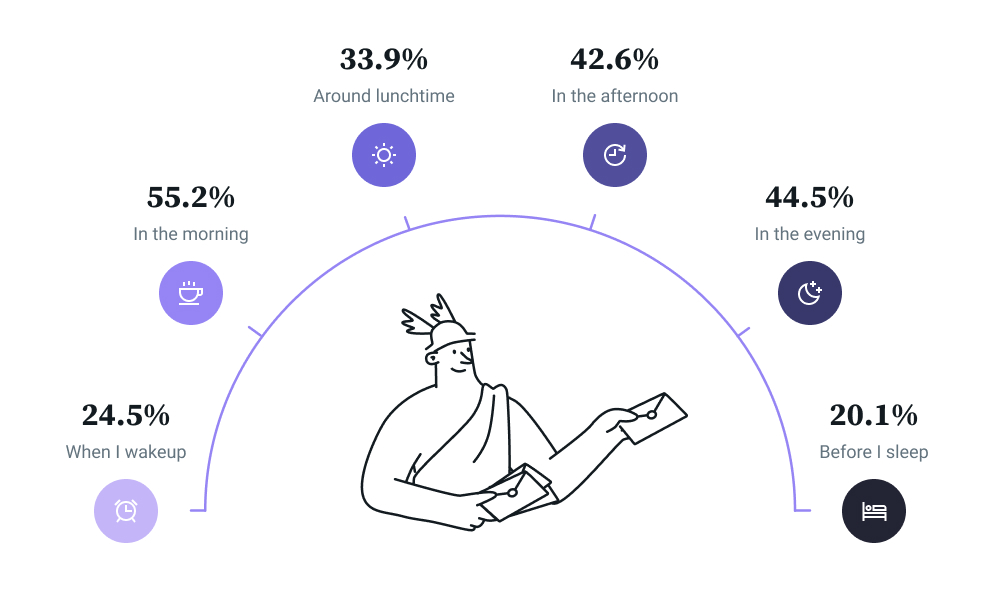
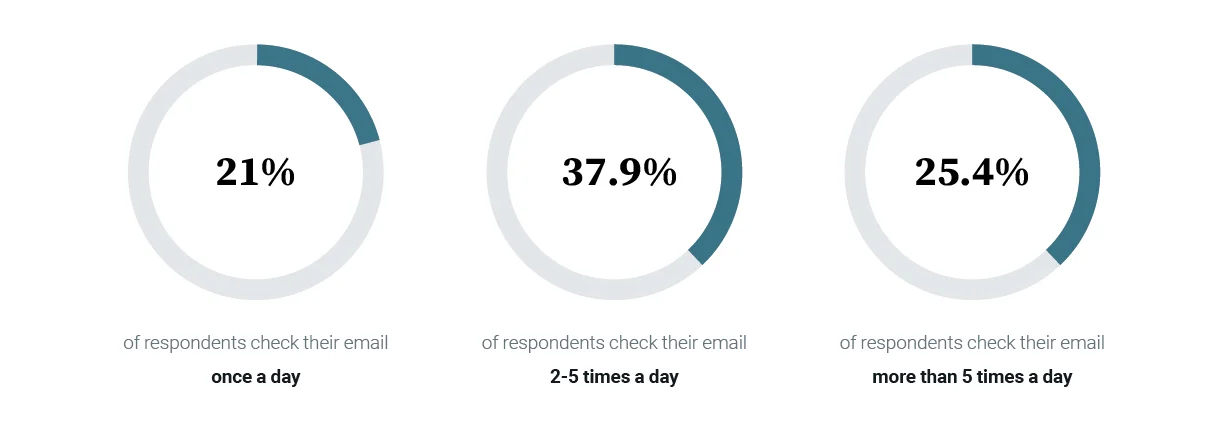
Historically, blanket recommendations for email send times were common, often suggesting a narrow window like 9 AM to 12 PM. However, modern email marketing, as evidenced by comprehensive studies like the Email Engagement Report from leading industry players, reveals a far more nuanced picture. This report highlights that a significant 63.3% of users interact with their personal inboxes at various points throughout the day. This continuous engagement pattern underscores the complexity of pinpointing a single “best” time. While users frequently check their emails, their capacity to act on them—to open, read, and click—is highly variable, making strategic timing paramount for maximizing engagement.
The challenge lies not merely in getting an email delivered, but in ensuring it arrives when the recipient is most receptive and capable of processing its content. An email opened but not acted upon, or worse, left unread in a cluttered inbox, represents a lost opportunity. Therefore, understanding the behavioral economics of email consumption is crucial for marketers aiming to cut through the noise.
Global Data Insights: Identifying Peak Engagement Hours
Recent analytical efforts by major email service providers, such as Sinch Mailgun, have provided invaluable data-driven insights into global engagement patterns. A large-scale study analyzing billions of emails sent by their customers revealed that, on average, 15:00 Coordinated Universal Time (UTC) exhibits the highest click-to-open ratios. This hour consistently shows peak activity for both email opens and clicks.
However, it is vital for marketers to translate this global UTC benchmark into local time zones. For instance, during summer months, 15:00 UTC corresponds to 11 AM Eastern Standard Time (EST), a prime mid-morning slot for North American audiences. This conversion highlights the critical need for geographical segmentation, ensuring that campaigns align with the active hours of specific regional audiences rather than a generic global average. Failing to adjust for time zones can significantly diminish engagement, as an email sent at 15:00 UTC to a recipient in a vastly different time zone might arrive in the middle of the night or during an inappropriate time for engagement.
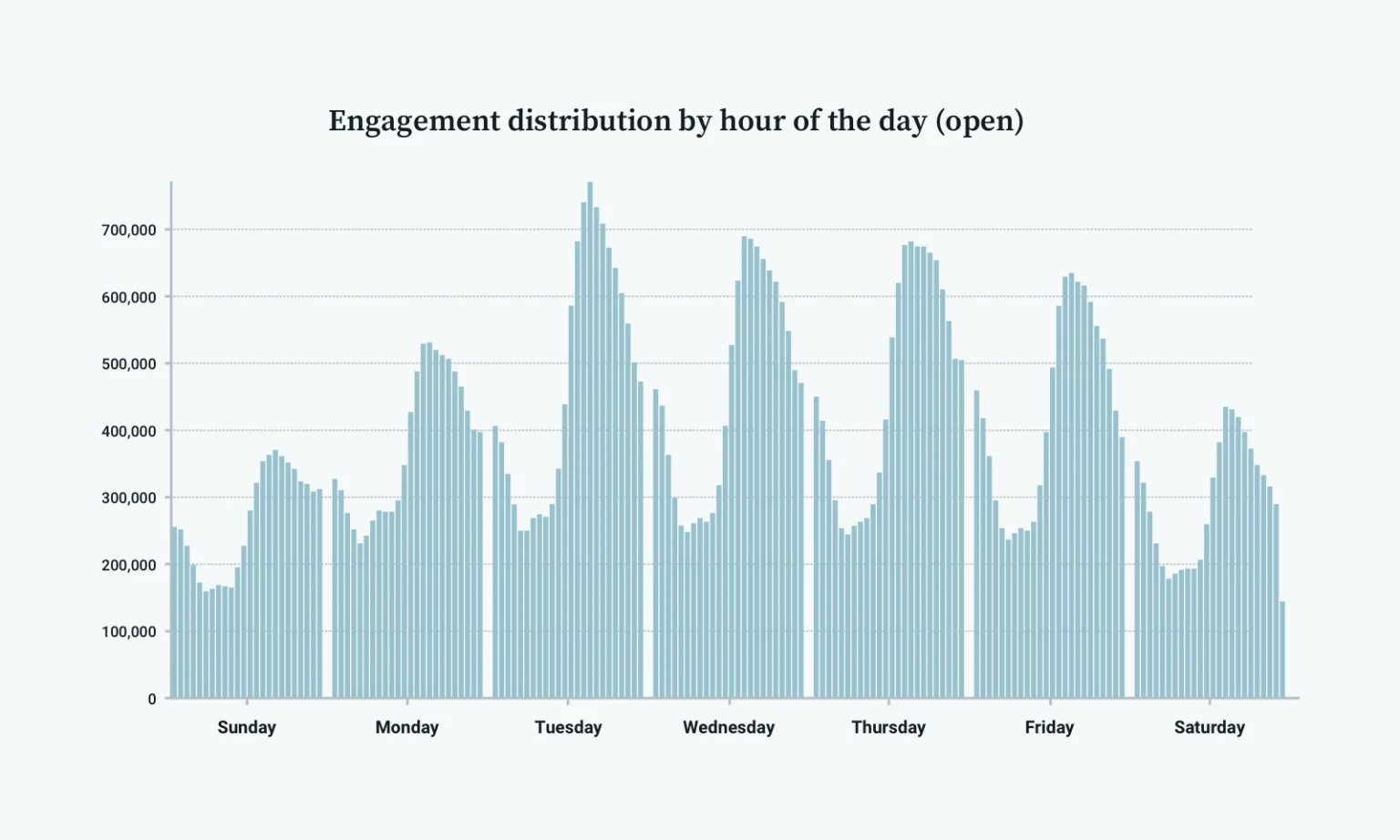
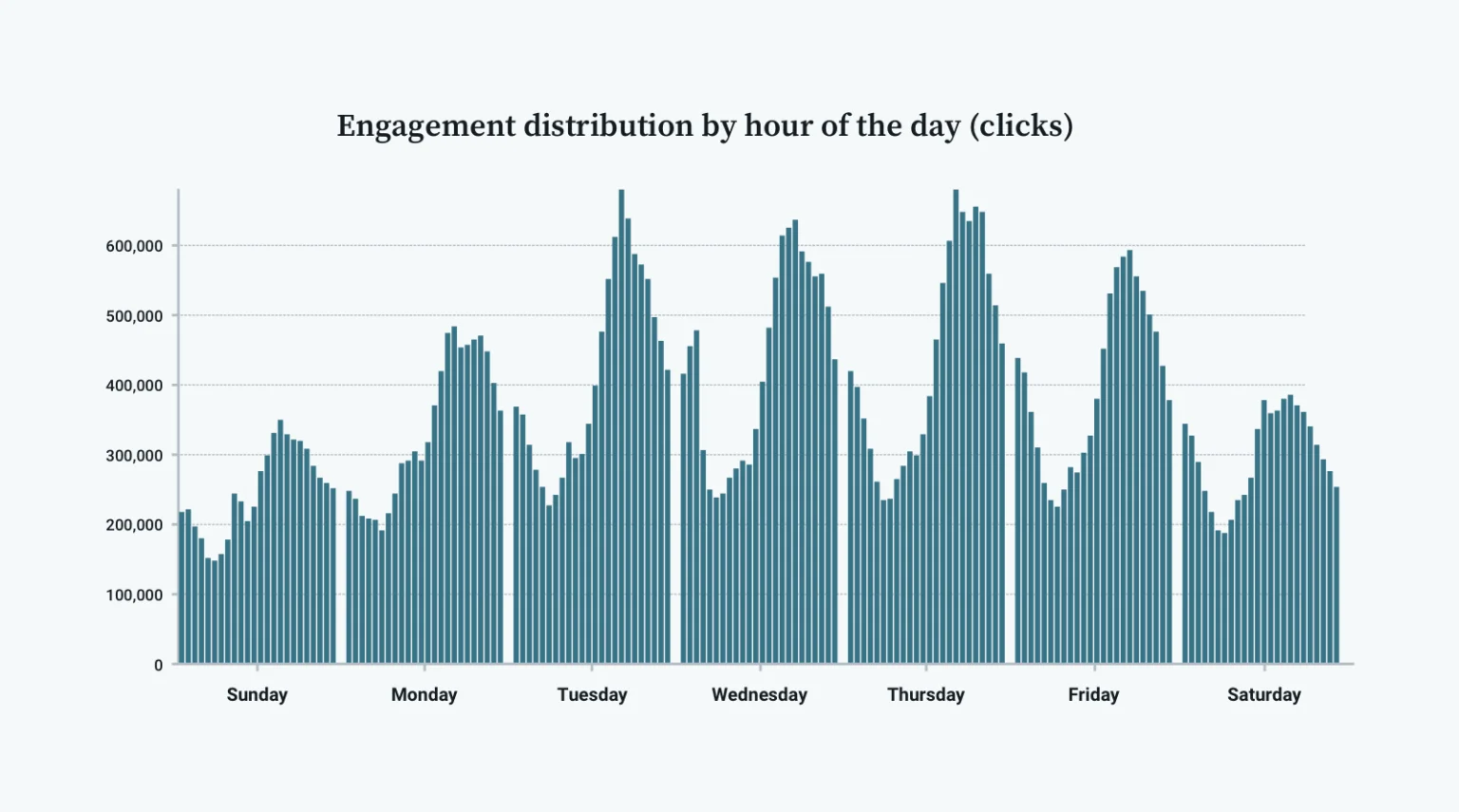
The data further reveals distinct peaks and troughs in engagement throughout a 24-hour cycle. Open rates typically begin to climb in the morning, often peaking around mid-morning to early afternoon, and then gradually declining into the late evening and overnight hours. Click rates generally follow a similar trajectory, albeit often with a slight lag, as users first open an email before deciding to interact with its content. These hourly patterns are not arbitrary; they reflect prevailing work schedules, commuting habits, and leisure times, all of which influence when individuals are most likely to engage with digital communications.
Geographical and Cultural Variations in Email Habits
Beyond global averages, cultural and regional differences profoundly impact email engagement. The Email Engagement Report underscores fundamental disparities in email habits across various countries, making a one-size-fits-all approach ineffective.
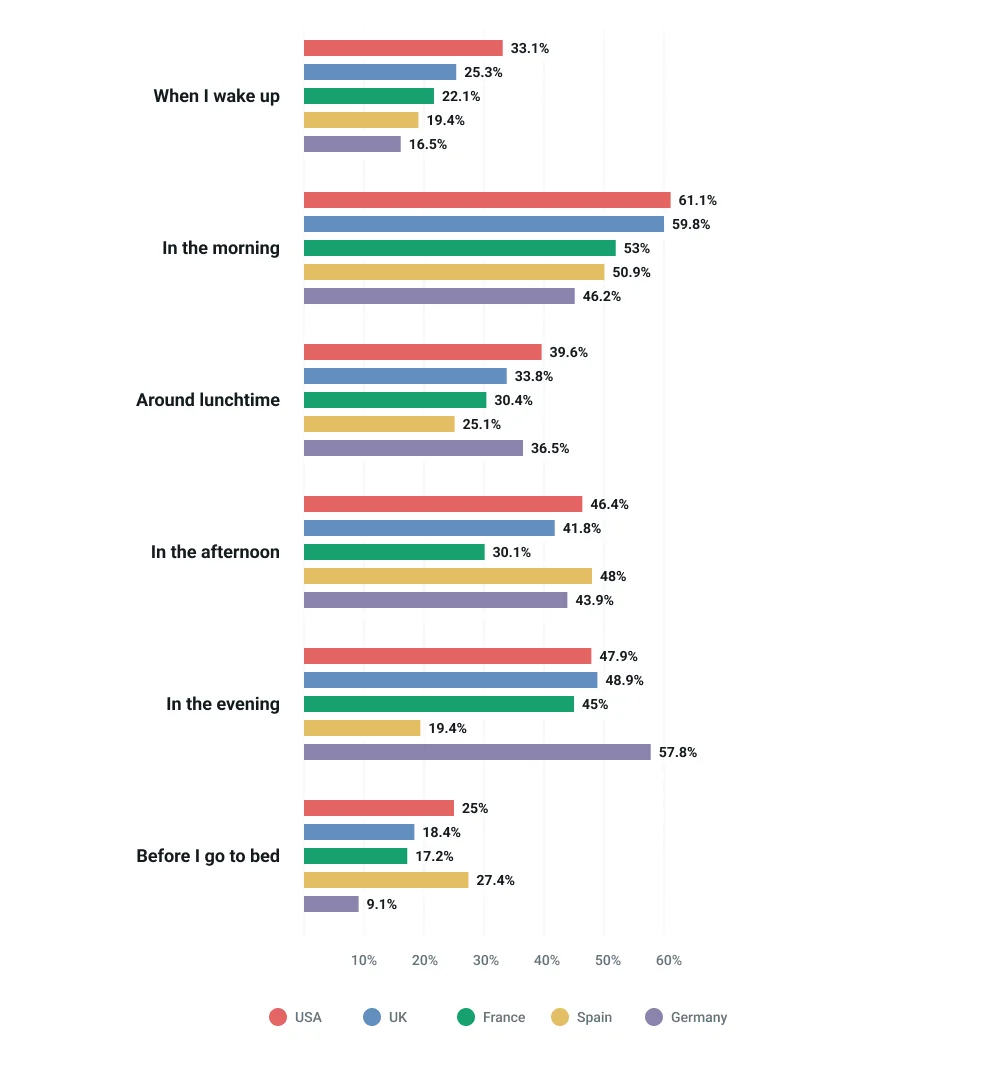
Consider the contrast between Germany and Spain. The report indicates that German customers exhibit strong engagement in the early evening, with 57.8% opening emails during this period. This contrasts sharply with Spain, where only 19.4% of users engage at the same time. Conversely, Spanish participants show a notable tendency to check emails in the late evening, just before bed, with 27.4% reporting this habit. In Germany, however, only 9.1% engage during these late hours.
These disparities necessitate a highly segmented approach to email marketing. Marketers targeting international audiences must transcend simple time zone conversions and delve into the cultural nuances of digital behavior. Factors such as typical working hours, siesta traditions, public transport usage, and cultural attitudes towards work-life balance can all influence when individuals are most receptive to marketing messages. For multinational brands, therefore, robust audience segmentation based on geographical location and cultural habits is not merely an advantage but a strategic imperative to achieve optimal engagement.
The Best Days to Send: Weekday Dominance
The day of the week also plays a significant role in email campaign performance, heavily influenced by whether a brand operates in the Business-to-Business (B2B) or Business-to-Consumer (B2C) sector, as well as the specific industry. Across the board, however, data consistently points to certain weekdays as prime opportunities and others as periods to approach with caution.
Midweek Supremacy: Tuesdays, Wednesdays, and Thursdays
Drawing again from the Sinch Mailgun study, Tuesdays through Thursdays emerge as the strongest days for email engagement, consistently delivering the highest open and click rates. While Tuesday and Thursday often show slightly elevated engagement, Wednesday remains a robust second option. This midweek peak is often attributed to several factors:
- Monday Recovery: By Tuesday, recipients have typically cleared their weekend email backlog and are fully immersed in their work week, making them more receptive to new communications.
- Pre-Weekend Focus: By Thursday, individuals are still focused enough to engage with professional or informational content but may also be planning for the upcoming weekend, making them open to B2C offers.
- Reduced Inbox Clutter: While these days are popular, strategic timing within these days can still yield excellent results.
For marketers planning multiple sends within a week, a combination of Tuesdays and Thursdays is often recommended. Sending emails on consecutive days like Tuesday and Wednesday, or Wednesday and Thursday, risks overwhelming subscribers, potentially leading to lower engagement for the second email or even unsubscribes.
Navigating the Extremes: Weekends and Mondays
The research unequivocally identifies Saturdays and Sundays as the weakest days for email engagement. During weekends, people are typically engaged in leisure activities, family time, or personal errands, making marketing emails a low priority. Unless the content is highly relevant to weekend activities (e.g., event promotions, travel deals, or lighthearted entertainment), avoiding weekend sends is a generally sound strategy.
Mondays and Fridays present a more complex picture. Traditionally, both have been viewed as suboptimal. Mondays are often characterized by a deluge of weekend emails and a focus on planning the week ahead, leaving little room for new marketing messages. However, recent data suggests that Fridays often outperform Mondays in terms of both open and click-through rates. While engagement might dip as people wind down for the weekend, it appears to be higher than the initial Monday morning rush.
The perceived “worst” day can also be an opportunity. If the middle of the week sees the highest volume of emails, sending on a Friday or even a Monday afternoon might allow a campaign to stand out in a less competitive inbox, assuming the content is appropriately timed and relevant to the recipient’s mindset. For example, a Friday afternoon email teasing weekend plans or a Monday afternoon email offering a productivity tip might resonate better than a purely promotional message.
B2B vs. B2C: Tailoring Send Times to Audience Context
A fundamental distinction in email marketing strategy lies between B2B and B2C audiences, as their email consumption habits differ significantly based on the context of their inbox (professional vs. personal).
B2B Email Strategies:
- Workday Focus: B2B recipients primarily check their business emails during standard working hours. Optimal times often fall within the 9 AM to 5 PM window, with a peak typically observed mid-morning after initial catch-up and before lunch, and sometimes again in the mid-afternoon.
- Midweek Dominance: As with general trends, Tuesdays, Wednesdays, and Thursdays are usually the strongest days for B2B campaigns. Mondays are often filled with internal meetings and planning, while Fridays see a decline in attention as the work week concludes.
- Content Relevance: B2B emails often deliver informational content, industry updates, whitepapers, or solution-oriented messages. These are best consumed when recipients are in a professional mindset, actively seeking information or problem-solving.
- Questions for B2B Marketers:
- When do my target professionals typically start their workday?
- Are they in meetings frequently at certain times?
- What time zones do my key decision-makers operate in?
- Is the content relevant to their immediate professional tasks?
B2C Email Strategies:
- Flexible Timing: B2C email engagement is less rigidly tied to business hours. While mid-morning can still be effective, evening hours (after work) and even certain weekend slots can perform well, especially for leisure-related content.
- Varied Habits: The Email Engagement Report confirms that a large percentage of personal email users check their inboxes multiple times a day. This means opportunities exist outside the traditional 9-5 window.
- Content Type: B2C emails often include promotions, product updates, entertainment, or lifestyle content. These can be consumed during commutes, lunch breaks, evenings, or weekend leisure time.
- Questions for B2C Marketers:
- When are my customers most likely to be browsing online for personal items?
- Do they use email on mobile devices during commutes or evenings?
- What type of content would they be receptive to on a weekend versus a weekday?
- Are there seasonal or holiday-specific patterns to consider?
Ultimately, robust marketing personas are invaluable for both B2B and B2C strategies, providing a detailed understanding of subscriber demographics, behaviors, and preferences, which can then inform optimal send times.
The Crucial Importance of Email Sending Time
Beyond mere convenience, the timing of email campaigns significantly impacts deliverability, open rates, and conversion metrics. The email inbox is an increasingly competitive environment. With users receiving a growing volume of communications daily, an email’s position at the top of the inbox upon arrival significantly increases its chances of being seen and engaged with. This “inbox visibility” factor alone underscores why send time is a critical component of any successful email marketing strategy.
Strategic timing contributes to several key benefits:
- Enhanced Visibility: Arriving when the recipient is actively checking their email ensures the message is at the top of their inbox, maximizing its chance of being noticed.
- Improved Open Rates: Timely delivery aligns with recipient availability and receptiveness, leading to a higher likelihood of the email being opened.
- Increased Click-Through Rates (CTR): When an email is opened at an opportune moment, the recipient is more likely to have the time and mental capacity to click on calls-to-action and explore the content.
- Stronger Engagement and Conversions: Higher open and click rates naturally translate to better engagement with the brand and a greater potential for conversions, whether it’s a purchase, a download, or a sign-up.
- Better Sender Reputation: High engagement signals to Internet Service Providers (ISPs) that the content is valuable, improving future deliverability and reducing the likelihood of emails landing in spam folders.
- Optimized Resource Allocation: By sending emails when they are most likely to perform, marketers ensure their creative and strategic efforts are not wasted on poorly timed deliveries.
A compelling statistic from the Email Engagement Report reveals that 86.4% of respondents cite “having time to read an email” as an important factor in determining whether to open it. This highlights that even the most compelling subject line or offer can fall flat if the recipient lacks the immediate bandwidth to engage. Understanding customer behavior, habits, and time zones is therefore foundational to ensuring messages are seen and acted upon.
Developing a Data-Driven Approach to Optimal Send Times
Given the complexity and variability, relying solely on industry benchmarks is insufficient. The most effective strategy involves a continuous cycle of data analysis, experimentation, and refinement. Marketers must leverage their own audience data to pinpoint peak engagement periods.
Leveraging Email Service Provider (ESP) Analytics:
Modern ESPs like Mailjet provide comprehensive analytics dashboards that are a treasure trove of audience data. Marketers should:
- Review Past Campaign Performance: Analyze historical open and click rates for specific campaigns. Identify the days and hours that consistently yield the best results for their audience.
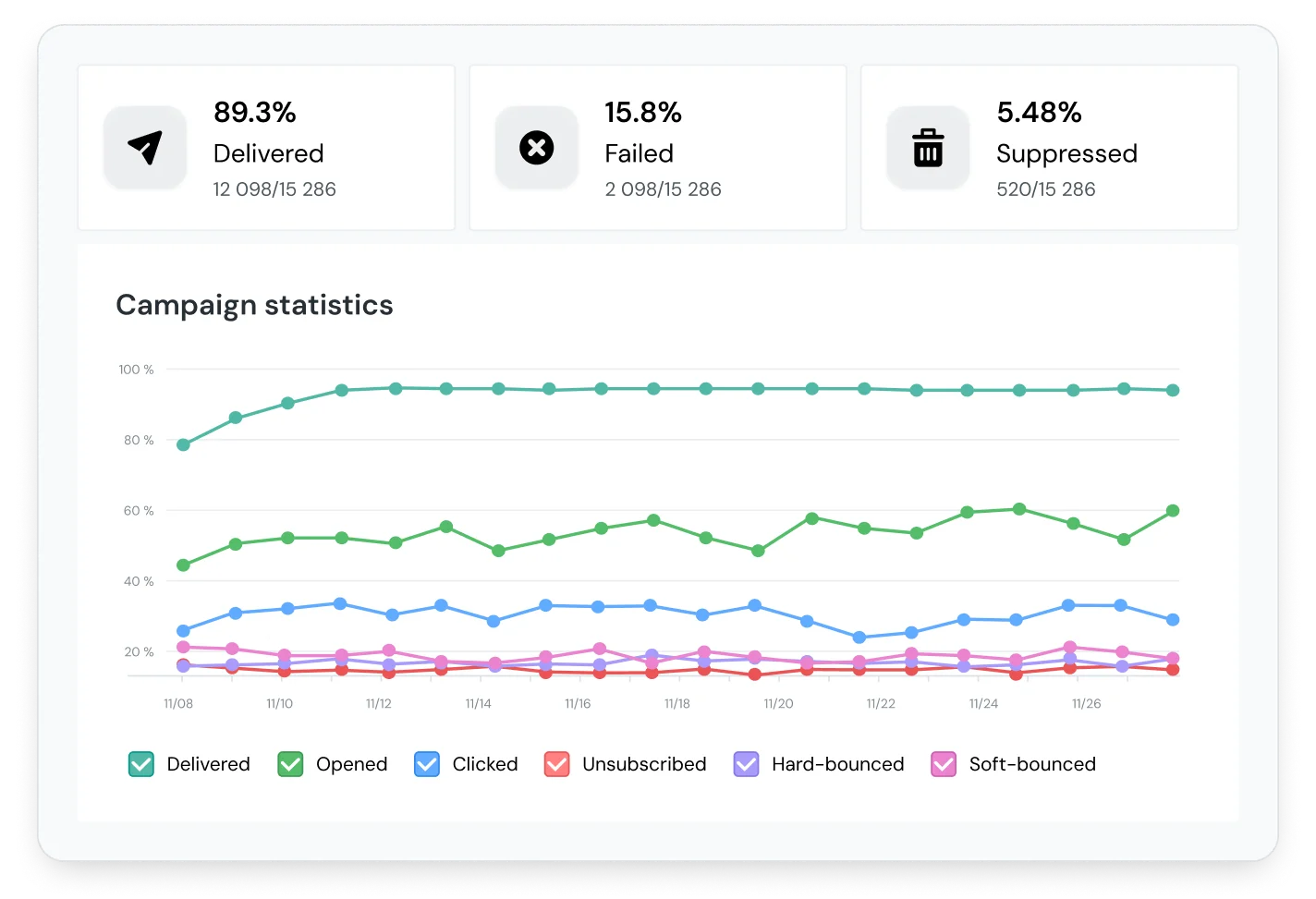
- Hourly and Daily Breakdowns: Most ESPs offer detailed breakdowns of engagement by hour and day. This allows marketers to visualize peak activity periods for their unique subscriber base.
- Segmented Analysis: If an audience is segmented by geography, demographics, or behavior, analyze performance for each segment independently. This can reveal distinct optimal times for different groups.
The Power of A/B Testing:
A/B testing is indispensable for empirically determining optimal send times. Instead of relying on assumptions, marketers can systematically test different schedules:
- Hypothesis Formulation: Based on existing data or industry benchmarks, formulate a hypothesis (e.g., “Sending our newsletter at 10 AM on Tuesday will yield higher open rates than 1 PM on Wednesday”).
- Controlled Experimentation: Divide a subscriber list into two or more equal segments. Send the same email campaign to each segment at different times or on different days.
- Measure and Analyze: Compare the performance (open rates, click rates, conversions) of each variant. Statistical significance is key here; ensure results are not merely due to chance.
- Iterative Improvement: Implement the winning time for future campaigns and continue to test other variables. For instance, after finding the best time of day, one might test different days of the week, or even different times within that optimal day.
- Example: Test sending a newsletter at 10 AM one week, 1 PM the next, and 9 PM the following week to different, randomized segments of the audience to identify the strongest performer. Alternatively, send half the list an email in the morning and the other half in the afternoon.
Consistency and Flexibility:
While A/B testing helps pinpoint optimal times, consistency is also a virtue. For regular communications like weekly newsletters, sending them on the same day and time each week can build anticipation and trust with the audience. Subscribers learn to expect the content, making them more likely to seek it out.
However, consistency should not override strategic flexibility. During holidays, special events, or major campaigns, deviating from the usual schedule might be necessary to capture attention. For example, a holiday promotion might be best sent in the evening when people are home and browsing, rather than during a typical workday morning. The goal is always to maximize engagement, even if it means temporarily adjusting the established rhythm.
Beyond Timing: Holistic Email Marketing Excellence
While send time is a critical variable, it is only one piece of the larger email marketing puzzle. Optimal timing amplifies the impact of well-crafted campaigns, but it cannot compensate for deficiencies in other areas. A holistic approach to email marketing best practices includes:
- Compelling Content: High-quality, relevant, and valuable content is the foundation of engagement.
- Catchy Subject Lines: The subject line is the gatekeeper; it must entice recipients to open the email.
- Clear Calls-to-Action (CTAs): Users need clear guidance on what action to take next.
- Mobile Responsiveness: A significant portion of emails are opened on mobile devices, necessitating responsive design.
- Personalization and Segmentation: Tailoring content to individual preferences and segmenting audiences based on demographics, behavior, or interests dramatically increases relevance.
- Deliverability Best Practices: Maintaining a clean list, authenticating emails, and avoiding spam triggers ensure emails reach the inbox.
The Future of Email Timing: AI and Hyper-Personalization
As email marketing evolves, advancements in artificial intelligence and machine learning are poised to revolutionize send time optimization. AI-powered platforms are emerging that can analyze individual subscriber behavior, predicting the perfect send time for each person based on their past engagement patterns, device usage, and even external factors like local events or weather. This move towards hyper-personalized send times promises to elevate engagement rates further, moving beyond segment-level optimization to truly individual-level precision.
In conclusion, there is no universal “perfect” time to send an email campaign. The optimal schedule is a dynamic interplay of business type, customer demographics, content relevance, and geographical considerations. By integrating global research with proprietary data analysis, rigorous A/B testing, and a deep understanding of audience behavior, marketers can systematically uncover and refine their ideal sending strategy. Tools offered by email service providers empower marketers to track, analyze, and continuously improve their digital marketing results, ensuring their messages land at the most impactful moments in their subscribers’ inboxes.


 Ammar Sabilarrohman
 Asro
Asro