OpenAI is embarking on a significant expansion of its monetization strategy, launching a pilot program for "Sponsored Agents" within its widely popular ChatGPT platform. This innovative ad format allows users to initiate a dedicated conversation with a business-sponsored AI agent after interacting with a relevant advertisement in ChatGPT, marking a pivotal step towards integrating sophisticated AI into the digital advertising ecosystem. The initiative aims to offer users a deeper, more personalized engagement with brands while providing advertisers with a novel channel for direct interaction and potential conversions.
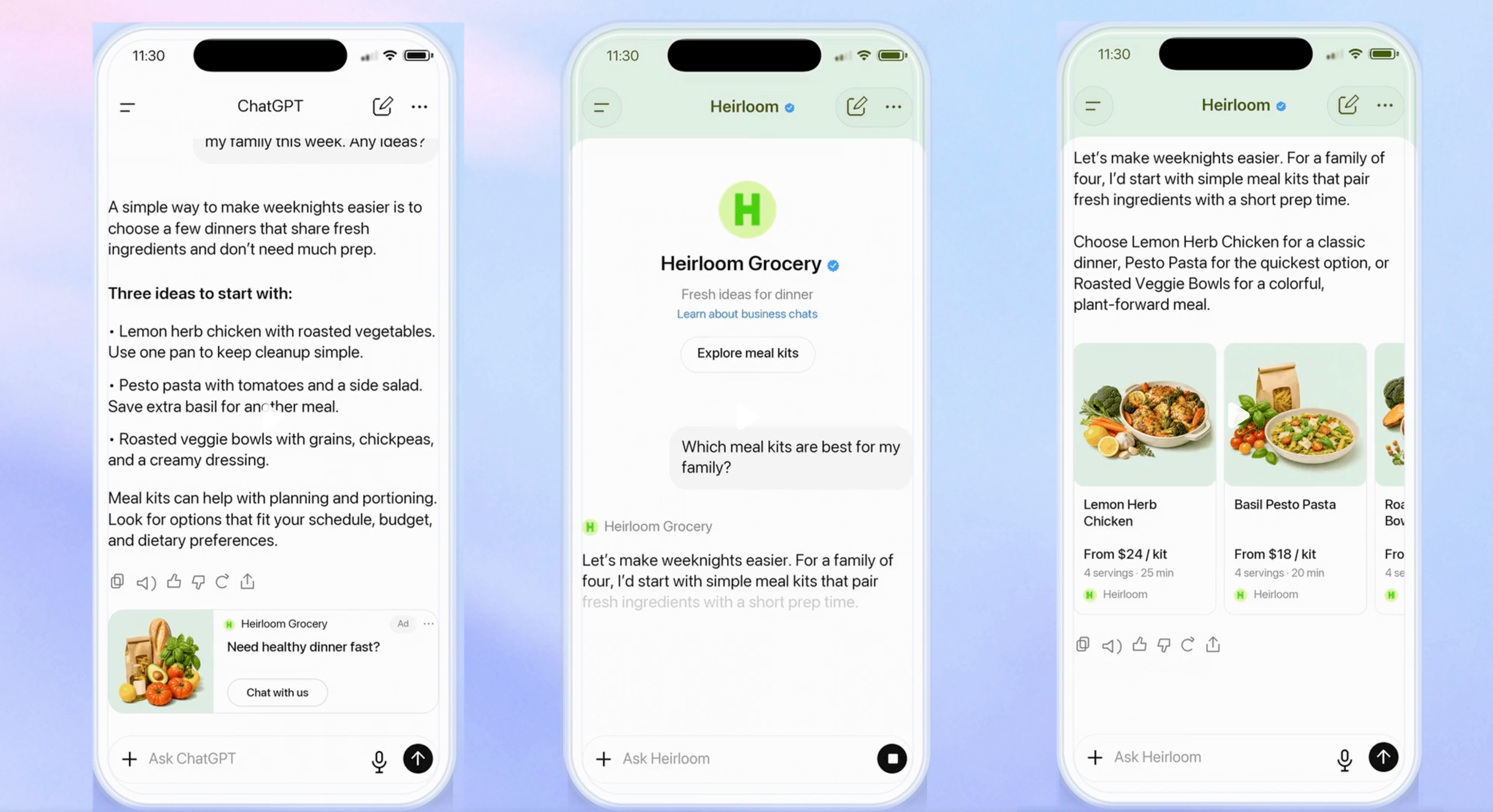
The introduction of Sponsored Agents is currently in a testing phase with select advertisers in the United States. OpenAI describes this feature as providing users "the option to go deeper," enabling them to explain their specific needs, ask follow-up questions, and eventually navigate to the business’s website when prepared to proceed with a purchase or inquiry. Crucially, OpenAI emphasizes that these conversations are distinctly labeled and separate from ChatGPT’s general, independent answers and the user’s original chat session, maintaining a clear delineation between organic AI interaction and sponsored content.
The Evolution of AI in Advertising: A Strategic Pivot for OpenAI
OpenAI’s journey from a non-profit research lab to a leading commercial entity in the AI space has been marked by rapid innovation and a constant search for sustainable business models. ChatGPT, launched in November 2022, quickly became the fastest-growing consumer application in history, demonstrating the immense public appetite for conversational AI. However, monetizing a service that consumes vast computational resources has been a persistent challenge. Early monetization efforts included ChatGPT Plus, a subscription service offering faster access and advanced features, and enterprise solutions catering to businesses. The move into advertising, particularly with an AI-native format like Sponsored Agents, represents a logical yet ambitious next step in solidifying OpenAI’s financial footing and funding its continuous, resource-intensive AI research and development.
This strategic pivot positions OpenAI squarely in the lucrative digital advertising market, a domain traditionally dominated by tech giants like Google and Meta. By leveraging the unique interactive capabilities of its large language models (LLMs), OpenAI is not merely replicating existing ad formats but innovating entirely new ones that promise a more engaging and potentially more effective experience for both advertisers and consumers. The company’s announcement suggests a broader strategy to transform how businesses interact with their audiences, moving beyond static ads to dynamic, personalized conversations driven by AI.
Unpacking the Sponsored Agent Mechanism
The core functionality of Sponsored Agents revolves around providing an interactive bridge between an advertisement and a potential customer. When a ChatGPT user encounters an ad for a participating business, they are presented with an option to engage with a dedicated AI agent sponsored by that business. This interaction is designed to be highly personalized:
- Ad Exposure: A user sees a relevant advertisement within their ChatGPT interface.
- Initiation: The user clicks on the ad, triggering an option to start a conversation with the Sponsored Agent.
- Dedicated Conversation: A new, clearly labeled chat window opens, separate from the user’s ongoing or previous general ChatGPT interactions. This segregation is vital for maintaining transparency and user trust.
- Personalized Inquiry: Within this dedicated chat, the user can articulate their specific needs, ask detailed questions about products or services, and receive tailored responses from the business’s AI agent. For instance, a user looking for travel insurance might specify their destination, travel dates, and desired coverage level, receiving instant, customized recommendations.
- Call to Action: Once the user feels ready, the agent can provide a direct link to the business’s website, facilitating a seamless transition from inquiry to conversion.
This mechanism represents a significant departure from traditional click-through ads, which often lead users to generic landing pages. Sponsored Agents aim to pre-qualify leads and address specific user queries dynamically, potentially increasing conversion rates by providing immediate, relevant information.
Broader AI Ad Initiatives and Integrations
The introduction of Sponsored Agents is not an isolated development but part of a more comprehensive suite of AI-powered advertising tools and strategies being rolled out by OpenAI. The company is simultaneously enhancing its "ChatGPT Ads Manager" with more powerful AI creative tools, designed to simplify ad creation through prompt-based inputs. This means advertisers could potentially draft ad copy, generate image concepts, or even script short video ads by simply describing their objectives to ChatGPT Work.
Furthermore, OpenAI is forging critical integrations with prominent e-commerce and customer relationship management (CRM) platforms, including HubSpot and Shopify. These integrations are crucial for enabling businesses to seamlessly connect their existing marketing and sales pipelines with the new ChatGPT ad ecosystem. For example, a Shopify store could use these integrations to automatically create product-specific Sponsored Agents, or HubSpot users could track interactions with these agents as part of their broader customer journey mapping. Such integrations underscore OpenAI’s ambition to become an indispensable tool for digital marketers.
An email sent by OpenAI to advertisers, which was shared publicly, confirmed these updates, highlighting the company’s commitment to empowering businesses with advanced AI capabilities for advertising. The communication outlined the benefits of Sponsored Agents and the new creative tools, signaling a robust push into the commercial application of its AI models.
Market Context and Supporting Data: The Digital Advertising Landscape
The timing of OpenAI’s foray into AI-driven advertising is opportune, coinciding with a period of rapid evolution in the digital marketing industry. The global digital advertising market is projected to reach over $700 billion by 2026, with AI playing an increasingly central role. According to various industry reports, the market for AI in advertising is expected to grow at a compound annual growth rate (CAGR) exceeding 25% in the coming years, driven by the demand for personalization, automation, and improved campaign performance.
ChatGPT itself boasts an enormous user base, with estimates often placing its monthly active users well over 100 million globally. This vast audience presents an unparalleled opportunity for advertisers seeking new, engaging channels to reach potential customers. The shift from traditional banner ads and even basic search ads towards more interactive, conversational experiences is a significant trend, fueled by consumers’ desire for immediate gratification and personalized content.
Conversational AI, in particular, is witnessing exponential growth. The conversational AI market size was valued at over $8 billion in 2022 and is projected to reach more than $40 billion by 2030. This growth is driven by its applications in customer service, sales, and marketing, making ChatGPT’s Sponsored Agents a natural extension of this technological wave. Brands are increasingly investing in chatbots and virtual assistants to enhance customer engagement, and OpenAI’s offering provides a scalable, sophisticated solution built directly into a widely used platform.
Implications for Advertisers: Opportunities and Challenges
For advertisers, Sponsored Agents present a compelling new frontier. The potential benefits are numerous:
- Enhanced Engagement: Moving beyond passive consumption, users actively engage in a dialogue, fostering a deeper connection with the brand.
- Personalized Experience: AI agents can tailor responses to individual user queries, leading to highly relevant and effective interactions.
- Improved Conversion Rates: By addressing specific questions and guiding users through the decision-making process, agents can potentially lead to higher conversion rates compared to traditional ad formats.
- Automated Lead Qualification: The AI can pre-qualify leads, providing sales teams with more informed prospects.
- Data Insights: Interactions with Sponsored Agents can yield valuable data on user preferences, pain points, and common inquiries, informing future marketing strategies and product development.
- Brand Differentiation: Early adopters can gain a competitive edge by offering a novel and sophisticated customer interaction experience.
However, the new format also comes with inherent challenges:

- Agent Quality and Consistency: Ensuring the AI agent accurately represents the brand voice, product knowledge, and customer service standards is paramount. A poorly designed or malfunctioning agent could severely damage brand perception.
- Cost and ROI: The investment required to develop and maintain effective Sponsored Agents, alongside the ad spend, will need to be justified by demonstrable returns.
- User Adoption and Trust: While novelty is appealing, users may be wary of interacting with AI for commercial purposes, particularly concerning data privacy and potential manipulation. Clear labeling and ethical guidelines will be crucial.
- Integration Complexity: Businesses will need to integrate these agents with their existing CRM, e-commerce, and customer service systems to ensure a seamless workflow.
- Scalability: Managing a large number of personalized conversations simultaneously will require robust infrastructure and careful monitoring.
User Experience and Ethical Considerations
From a user perspective, Sponsored Agents offer a double-edged sword. On one hand, they promise a more helpful and less intrusive advertising experience, where users can actively seek information relevant to their needs rather than being passively bombarded with generic messages. This could lead to a more positive perception of advertising within ChatGPT. On the other hand, the introduction of sponsored content within a platform initially perceived as a neutral information source raises questions about transparency and potential ad fatigue.
OpenAI’s emphasis on clearly labeling Sponsored Agent conversations and separating them from independent ChatGPT answers is a critical step towards maintaining user trust. However, the line between helpful information and persuasive marketing can be subtle. Ethical considerations surrounding AI bias, data privacy, and the potential for manipulative advertising will need continuous vigilance. Users must always be aware when they are interacting with an AI agent whose primary goal is commercial, not purely informational. OpenAI, as a leader in responsible AI development, will be under scrutiny to implement robust safeguards and transparent policies to address these concerns.
Broader Impact on AI and Digital Commerce
The launch of Sponsored Agents is more than just a new ad format; it’s a harbinger of the future of digital commerce and human-computer interaction. It demonstrates a tangible path towards realizing conversational commerce at scale, where AI agents can facilitate entire sales cycles, from initial discovery to post-purchase support, all within a natural language interface. This could profoundly reshape how businesses engage with customers online, moving away from static websites and forms towards dynamic, interactive dialogues.
For the broader AI industry, this initiative validates the commercial potential of advanced LLMs beyond mere content generation or information retrieval. It signals a new frontier for AI applications in revenue generation, potentially inspiring other AI developers to explore similar models. The success or challenges faced by OpenAI in this endeavor will provide invaluable lessons for the entire AI ecosystem.
The Competitive Landscape and Future Outlook
OpenAI’s move into AI-powered advertising inevitably positions it as a direct or indirect competitor to established advertising giants. Google, with its dominant search advertising model and ongoing development of conversational AI in products like Bard, is likely to closely watch and respond to this development. Meta, with its vast social media advertising network and investments in AI, also stands to be impacted. The unique aspect of OpenAI’s offering is its deep integration with a highly sophisticated conversational AI model that users actively seek out for information and interaction.
Looking ahead, the Sponsored Agents program is likely to evolve significantly. We might see:
- Multi-modal Agents: Incorporating images, videos, and audio into the conversations, making interactions even richer.
- Proactive Agents: With user consent, agents might proactively offer relevant information or deals based on ongoing conversations or browsing history.
- Expanded Integrations: Deeper ties with other business tools, CRM systems, payment gateways, and e-commerce platforms.
- Global Rollout: Following successful testing in the U.S., a broader international launch is highly probable, opening up new markets for AI-driven advertising.
- Advanced Analytics: Sophisticated tools for advertisers to track agent performance, user sentiment, and conversion pathways.
OpenAI’s "Sponsored Agents" represents a bold step towards an AI-centric future for digital advertising. By transforming passive ad consumption into active, personalized conversations, OpenAI is not just seeking to monetize ChatGPT but to redefine the very nature of commercial interaction in the digital age. Its success will depend on striking a delicate balance between advertiser value, user experience, and robust ethical governance, charting a course for the next generation of AI-powered commerce.