A recent encounter with a spa manager in California underscored a fundamental challenge for international beauty brands aiming to penetrate the lucrative U.S. physical retail market: the inherent preference of consumers and businesses for established, recommended products over novel introductions, regardless of their global acclaim. This realization has reshaped the strategic approach for online companies seeking a foothold in brick-and-mortar establishments, particularly within the discerning spa and wellness sector.
The initial presentation involved introducing a French beauty brand, a client of the author, to a prominent California spa. The brand boasts significant popularity across Europe and Asia, and the expectation was for an enthusiastic reception, a "wow" moment, acknowledging its established international reputation. However, the response was unexpectedly reserved. The spa manager politely declined, citing a clear directive from her clientele: they actively seek brands they recognize or those that have been personally recommended by trusted sources. For her business, introducing an unknown entity represented a tangible risk, a departure from the predictable satisfaction her customers expected. This candid feedback served as a pivotal learning experience, prompting a re-evaluation of marketing strategies for brands transitioning from the digital sphere to the physical retail environment.
The Paradox of Exclusivity and Familiarity in Spa Retail
The spa, resort, and specialty retail sectors operate under a unique set of dynamics. These businesses often value exclusivity in their product offerings, seeking to differentiate themselves and provide unique experiences for their clientele. Simultaneously, they are acutely aware that customer loyalty and purchasing decisions are heavily influenced by brand recognition and positive word-of-mouth. This creates a paradox: while exclusivity is desired, the products offered must also resonate with consumers who are increasingly informed and influenced by both peer recommendations and professional endorsements. For brands aspiring to secure shelf space in these prestigious environments, the immediate imperative is not necessarily direct sales conversion, but rather the cultivation of widespread brand awareness and a perception of professional credibility.
This delicate balance necessitates a strategic shift from purely direct-to-consumer (D2C) performance metrics to a more nuanced business-to-business (B2B) approach. The path to securing placement in physical retail spaces, especially within the high-touch spa environment, is often paved with industry engagement and professional networking.
Cultivating Credibility Through Industry Engagement
Direct outreach via cold email, while seemingly efficient with potentially high open rates, frequently yields disappointing conversion rates in the spa industry. Spa managers are inundated with communications, and their attention is primarily directed towards client needs and existing vendor relationships. Emails from unknown brands often get lost in the deluge or are deprioritized. This approach rarely garners traction with larger resort groups or multi-location chains, where decision-making processes are more formalized and relationship-driven.
A more effective strategy involves actively participating in industry associations and attending specialized trade events. Organizations like the SoCal Spa Wellness Collective in Southern California serve as crucial hubs, bringing together industry leaders, boutique spas, wellness retreats, and luxury brands. These collectives foster an environment of collaboration, innovation, and mutual growth, offering brands an invaluable platform to connect with potential retail partners. Annual membership for brands within such organizations can range from approximately $1,100, providing access to networking opportunities and industry insights.
Similarly, exhibiting at events such as Live Love Spa provides direct access to spa directors and purchasing decision-makers. Booths at these events can cost upwards of $4,000, but the potential return on investment is significant. A single event can facilitate meaningful conversations with dozens of spa directors, initiating the crucial dialogue that can lead to wholesale partnerships. While European founders might initially question the tangible ROI of such events compared to direct online sales, the reality is that securing one influential resort or spa as a stockist often creates a ripple effect, encouraging others to follow suit. This demonstrates the power of early adopters and the importance of building a reputable foundation within the industry.
The Esthetician as the Ultimate Influencer
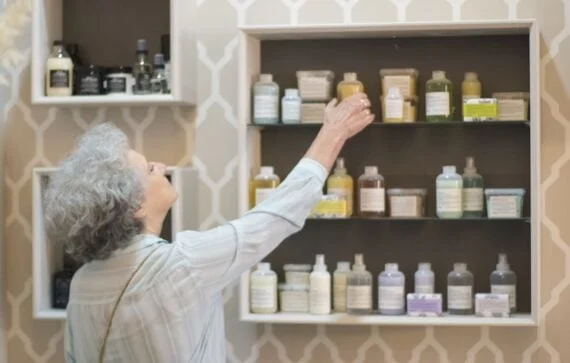
Within the spa setting, the most influential voices are not necessarily mainstream lifestyle influencers or beauty vloggers, but rather the estheticians themselves. These professionals are on the front lines, directly interacting with clients and providing treatments. Their recommendations carry significant weight, as they are perceived as expert advice from a trusted professional. A skilled esthetician with a dedicated, engaged client base can drive more product sales than a general beauty personality with a far larger, but less targeted, audience.
Therefore, a strategic approach involves understanding the hierarchy within a spa and targeting the appropriate individuals. Direct engagement with retail staff and estheticians is often more fruitful than attempting to bypass them to reach upper management or purchasing departments. The process typically unfolds over a six-month timeline, beginning with an introduction to the retail side of the business, followed by seasonal engagement with the estheticians, and eventually progressing to discussions with treatment trainers. This phased approach allows for relationship building and a gradual integration into the spa’s product ecosystem.
The B2B Website: A Foundation for Professional Trust
For brands seeking wholesale partnerships, their B2B website serves as a critical vetting tool for spa managers. Before committing to a partnership, managers will meticulously review a brand’s online presence. Key elements that influence their decision include well-structured product pages that clearly outline benefits and usage, a transparent and comprehensive ingredients section, professional, high-quality imagery, and clear, actionable calls to action for wholesale inquiries.
The key performance indicators (KPIs) for B2B websites differ significantly from those for D2C platforms. While conversion rates, purchase frequency, and average order values are paramount for direct consumer sales, for B2B, the focus shifts. Metrics such as branded search volume (indicating growing recognition), direct website traffic (suggesting recall and intent), professional registration numbers (signifying interest from practitioners), sample requests, and clicks on "where to buy" links become more important. These indicators reflect the brand’s ability to generate awareness and attract professional interest, laying the groundwork for retail adoption.
Omnichannel Strategy: Balancing D2C and B2B Needs
While a strong D2C channel is an integral part of a comprehensive omnichannel strategy, its execution within the spa retail context requires careful consideration. Brands should offer retail-sized versions of core products like cleansers, sunscreens, and makeup removers through their D2C channels, as these are items consumers are likely to purchase for personal use.
However, professional-use products, such as larger formulations or specialized treatment items, should be strategically placed behind a secure login. This professional portal should also feature tiered pricing, accessible only to verified practitioners and businesses. Crucially, brands must enforce minimum advertised pricing (MAP) policies across all shared SKUs to prevent retail prices from undercutting the prices offered by their spa partners. This ensures a healthy profit margin for spas and maintains the integrity of their pricing structure, fostering a more equitable and sustainable wholesale relationship.
The Art of Negotiation: Beyond Price Points
Negotiating with spas extends far beyond simply agreeing on wholesale price points. Essential components of a successful partnership include comprehensive training for the spa’s estheticians on product application, benefits, and selling techniques. This ensures that the staff can confidently and effectively recommend and use the products. Furthermore, understanding the spa’s immediate needs and seasonal demands is crucial. For instance, having readily available sunscreen during summer months or a reliable stock of makeup removers to meet immediate customer needs can be a deciding factor in a spa’s purchasing decision.
The right product, presented at the opportune moment, often holds more sway than a broad, generalized sales strategy. Patience, meticulous planning, and a deep understanding of the B2B retail landscape are the cornerstones of success. The journey from initial introduction to the first wholesale order is a marathon, not a sprint, built on cultivating trust, demonstrating value, and consistently meeting the evolving needs of the professional market. The French brand’s experience, while initially surprising, offers a valuable blueprint for any international entity aiming to establish a lasting presence in the competitive U.S. physical retail space. It underscores that true market penetration is achieved not through sheer volume of global recognition, but through targeted engagement, professional endorsement, and a deep respect for the established dynamics of the retail environment.