rifanmuazin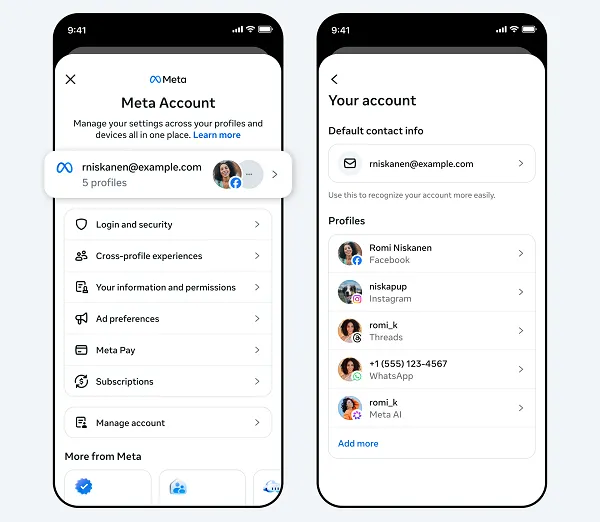
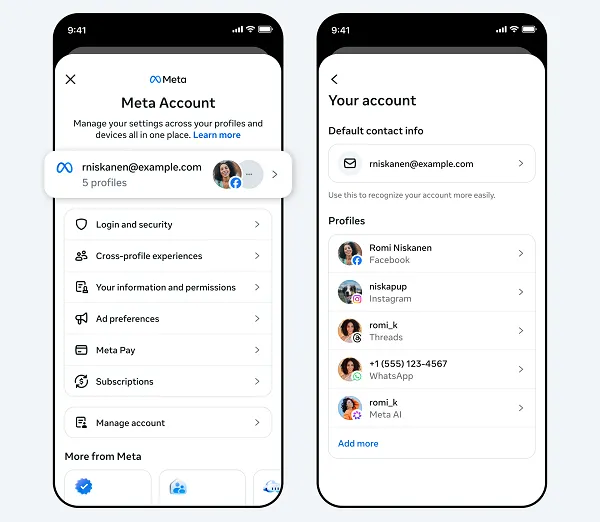
Meta has recently unveiled a significant update to its Accounts Center, the centralized management platform designed to provide users with a singular point of control for their diverse array of Meta-owned profiles and services. This strategic enhancement now incorporates Threads profiles, accounts associated with Meta’s burgeoning AI glasses, and other emerging Meta-related products, marking a concerted effort to simplify and consolidate the digital identities of its vast global user base. The initiative aims to offer a more cohesive and user-friendly experience, allowing individuals to manage their various interactions within the Meta ecosystem from a single, intuitive dashboard.
A Unified Digital Identity: The Evolution of Meta’s Ecosystem Strategy
This expansion of the Accounts Center is not merely a technical upgrade but a foundational move aligning with Meta’s overarching vision for an interconnected digital future, particularly its ambitious foray into the metaverse. For years, Meta (formerly Facebook) has been integrating its acquired platforms, starting with the gradual intertwining of Facebook and Instagram, followed by Messenger. The initial Accounts Center, launched to manage these core social networking profiles, represented the first step towards a unified identity. However, with the proliferation of new hardware and AI-driven services, a more robust and expansive system became imperative.
The company’s long-term strategy hinges on creating seamless transitions between its various platforms and devices, from social media to virtual reality, augmented reality, and artificial intelligence. This update directly addresses the growing complexity of managing multiple digital personas across an expanding portfolio of products. By centralizing account management, Meta seeks to reduce user friction, enhance security, and lay the groundwork for a future where digital identities can flow effortlessly across virtual spaces and physical experiences augmented by Meta’s technologies. This move is crucial for fostering deeper engagement within its ecosystem and ensuring that as users adopt new Meta products, their experience remains coherent and manageable, rather than fragmented and cumbersome.
Key Features of the Expanded Accounts Center
The newly updated Accounts Center introduces several pivotal features designed to enhance user convenience, security, and control. These improvements are multifaceted, addressing various aspects of digital interaction within Meta’s ecosystem.
Centralized Login and Onboarding: A primary benefit of the expanded Accounts Center is the simplification of the login process. Users can now establish a single password or utilize a consolidated authentication method to access all their integrated Meta apps and devices. This eliminates the need for managing multiple login credentials across different platforms, significantly reducing cognitive load and the potential for login fatigue. Furthermore, the update streamlines the setup process for new devices and applications. By sharing login information across already linked apps, Meta aims to reduce the time and effort required to get new products, such as Quest headsets or AI glasses, up and running, thereby improving the initial user experience and accelerating adoption.
Enhanced Security Protocols: Recognizing the critical importance of digital security, Meta has integrated advanced security features into the expanded Accounts Center. A notable addition is broader support for passkeys, which allow users to log in using biometric authentication methods like fingerprint or face recognition, or a device password. This modern authentication standard offers a more secure and convenient alternative to traditional passwords, which are susceptible to phishing and brute-force attacks. Initially available for Facebook and Messenger, passkey support is now extended to Instagram, with plans for further expansion across more Meta apps. While WhatsApp passkeys remain managed independently due to its end-to-end encryption architecture and higher security tier, users still have the option to include WhatsApp within their Accounts Center for centralized control over other settings. The system also includes improved security check-up tools that proactively prompt users with recommendations for strengthening their account security across all linked Meta applications, fostering a more secure digital environment.
Streamlined Parental Supervision: A particularly valuable enhancement for families is the improved integration with Family Center, Meta’s suite of tools for parental supervision. The update makes it significantly easier for parents to oversee their teens’ supervised accounts without the cumbersome process of switching between various applications. From a single, simplified dashboard within the Accounts Center, parents can manage settings for Instagram, Facebook, Messenger, and Meta Horizon, Meta’s metaverse platform. This consolidation is a direct response to the growing need for effective and user-friendly tools for digital parenting, acknowledging the complexities of monitoring online activity across multiple platforms. Meta has stated its commitment to continuously improving these supervision tools to better support busy parents in ensuring their children’s online safety.
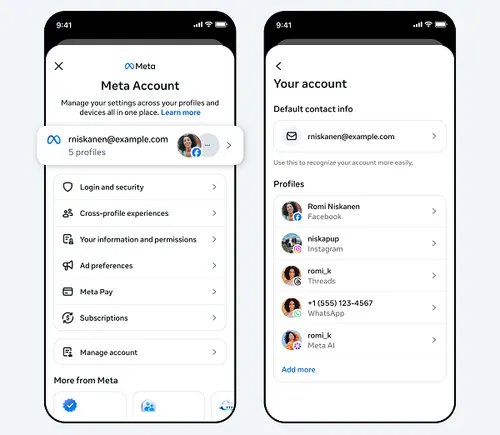
Granular Data Sharing Controls: In an era of heightened awareness regarding data privacy, the expanded Accounts Center provides users with more granular control over how their information is shared between Meta applications. A dedicated element within the platform allows users to manage their preferences for information exchange. This transparency and control are crucial for building user trust, empowering individuals to make informed decisions about their data. While Meta’s primary objective is to enhance convenience and user experience, this feature also acknowledges the regulatory landscape and user demand for greater autonomy over personal data, addressing potential concerns about data aggregation across a broader range of services.
The Road to Integration: A Chronology of Meta’s Account Unification Efforts
The journey towards a unified account system at Meta has been incremental, reflecting the company’s growth and diversification.
- Early 2010s: Following the acquisitions of Instagram (2012) and WhatsApp (2014), these platforms largely operated with separate account systems, requiring distinct logins and management.
- Mid-2010s: Meta began experimenting with rudimentary cross-platform functionalities, such as sharing Instagram posts directly to Facebook and introducing Messenger integration within Instagram. These early efforts hinted at a future of greater interconnectedness.
- 2020: The initial Accounts Center was launched. This marked a significant step, allowing users to manage basic settings and login information for Facebook, Instagram, and Messenger from one place. It enabled features like cross-posting stories and posts, and syncing profile information.
- 2022: A pivotal moment occurred with the introduction of "Meta Accounts" for its virtual reality devices, specifically the Quest headsets. This move decoupled VR logins from requiring a Facebook account, providing users with a dedicated Meta identity for their metaverse interactions. This signaled a strategic shift away from Facebook as the sole central identity and towards a broader "Meta" identity.
- 223-2024: The rapid expansion of Meta’s product portfolio with the launch of Threads (a direct competitor to X, formerly Twitter), the continued development of Meta AI, and the advancement of its Meta Quest VR/AR hardware and smart glasses (in partnership with Ray-Ban) necessitated a more comprehensive account management solution. The existing Accounts Center, while functional, was not designed to accommodate such a diverse and rapidly growing ecosystem of products.
- Recent Announcement: The latest update to the Accounts Center, integrating Threads, AI glasses accounts, Meta AI, and Meta Quest, represents the culmination of these efforts, extending the unified management philosophy to Meta’s cutting-edge technologies and solidifying its vision for a seamlessly integrated digital future.
Supporting Data: The Scale of Meta’s Digital Footprint
To understand the significance of this update, it’s crucial to grasp the sheer scale of Meta’s user base and product ecosystem. As of early 2024, Meta reported nearly 4 billion monthly active people across its Family of Apps (Facebook, Instagram, WhatsApp, Messenger). This immense reach underscores the impact of any changes to account management.
- Facebook: Remains the largest social network globally, with over 3 billion monthly active users.
- Instagram: Boasts over 2 billion monthly active users, a powerhouse for visual content and e-commerce.
- WhatsApp and Messenger: Both messaging platforms exceed 2 billion users each, forming critical communication arteries.
- Threads: Launched in July 2023, Threads quickly amassed over 150 million users, demonstrating rapid adoption and the potential for cross-platform migration.
- Meta Quest: While specific sales figures are proprietary, Meta Quest headsets dominate the consumer VR market, with millions of units sold. The integration of these VR identities into the Accounts Center is vital for Meta’s metaverse strategy.
- AI Glasses (Ray-Ban Meta Smart Glasses): These devices, though niche, represent Meta’s push into augmented reality and ambient computing. Integrating their accounts ensures a seamless experience as these technologies evolve.
The challenge of managing accounts across such a vast and diverse portfolio has been a pain point for users. This update, therefore, addresses a genuine need for simplification and control within a digital environment that is increasingly complex and interconnected. Furthermore, the emphasis on parental supervision tools comes at a time of heightened public and regulatory concern regarding the online safety of minors. Data from organizations like Common Sense Media consistently highlight parental anxiety about screen time, cyberbullying, and exposure to inappropriate content. Providing a centralized, easy-to-use dashboard for parents is a direct response to these societal concerns, offering a practical solution for a pervasive issue.
Industry Reactions and Expert Analysis
Meta’s announcement has elicited varied reactions from industry analysts, privacy advocates, and user groups, each viewing the update through their respective lenses.
Meta’s Stated Goals: From Meta’s perspective, as articulated in their official statements, the primary drivers for this update are enhanced user convenience, improved security, and greater user control. The company emphasizes a "simpler login experience," "enhanced security features" like passkeys, and the "ability to manage more settings and preferences in one place." For supervised teen accounts, the narrative is firmly centered on making "life easier for busy parents" through consolidated supervision tools.
Analyst Perspectives: Industry analysts generally view this move as strategically sound for Meta. Analysts from firms like Gartner and Forrester are likely to highlight several positive implications:
- Ecosystem Cohesion: The integration strengthens Meta’s walled garden, making its ecosystem more sticky. Users invested in one Meta product are more likely to adopt others due to the simplified management.
- Metaverse Preparation: It is a crucial step towards realizing the metaverse vision. A unified digital identity is fundamental for seamless transitions between virtual worlds, augmented reality experiences, and traditional social platforms.
- User Retention and Engagement: By reducing friction and enhancing convenience, Meta can expect improved user retention and increased cross-app engagement, which directly impacts advertising revenue and platform vitality.
- Competitive Edge: In a fiercely competitive tech landscape, offering a streamlined, integrated experience helps Meta compete with other tech giants like Apple and Google, who also strive for cohesive user ecosystems.
Privacy Advocate Concerns: While acknowledging the convenience benefits, privacy advocates often express caution regarding such extensive data centralization. Organizations like the Electronic Frontier Foundation (EFF) or European Digital Rights (EDRi) might raise concerns about:
- Data Aggregation: Consolidating accounts across such a wide range of services inherently means Meta can aggregate a more comprehensive profile of user behavior, preferences, and interactions. This raises questions about how this aggregated data will be used, particularly for targeted advertising.
- Transparency and Control: While Meta states it offers "granular data sharing controls," advocates will scrutinize the clarity and accessibility of these controls, demanding that users truly understand what data is being shared and how to opt-out effectively.
- Single Point of Failure: A centralized system, while convenient, can also become a single, attractive target for cyberattacks. A breach of the Accounts Center could potentially compromise a user’s entire Meta digital identity.
- Regulatory Scrutiny: Such moves often attract the attention of data protection authorities (e.g., under GDPR in Europe or CCPA in California) who will be keen to ensure compliance with privacy by design principles and data minimization.
Parental Groups: Parent advocacy groups and online safety organizations are likely to welcome the enhancements to Family Center. The simplification of supervision tools directly addresses a key pain point for parents navigating the digital lives of their children. However, they might also emphasize the need for ongoing education for both parents and teens about privacy settings and responsible online behavior, as technology alone cannot solve all safety challenges.
Broader Implications: Navigating the Future of Digital Identity
The expansion of Meta’s Accounts Center carries significant implications for users, Meta as a company, and the broader digital landscape.
User Experience: For the end-user, the most immediate impact is likely to be a marked improvement in convenience. The reduction of login friction, simplified onboarding for new devices, and centralized control over settings will undoubtedly enhance the overall user experience. This seamlessness is increasingly expected in the digital age, where users interact with multiple platforms daily. However, this convenience also comes with the implicit trade-off of deeper integration into Meta’s ecosystem, potentially reinforcing a "walled garden" effect where users find it easier to stay within Meta’s orbit.
Security Posture: The introduction of advanced security features like passkeys and centralized security check-up tools holds the promise of a more secure digital experience for Meta users. By promoting stronger authentication methods and making security management more accessible, Meta can potentially reduce the incidence of account takeovers and other cyber threats. However, the centralization of such a vast amount of user data also presents a larger, more attractive target for malicious actors. Robust internal security measures and continuous vigilance will be paramount to prevent a single point of failure from becoming a catastrophic event.
Regulatory Landscape: This move will undoubtedly attract increased scrutiny from antitrust and data protection regulators worldwide. Antitrust bodies may view the further integration of Meta’s diverse product portfolio as an attempt to consolidate market dominance, potentially hindering competition. Data protection authorities, particularly in regions with stringent privacy laws like the European Union (GDPR) and California (CCPA), will closely examine Meta’s data aggregation practices, transparency regarding data sharing, and the extent of user control over their personal information. Meta will need to demonstrate clear adherence to privacy principles and offer robust mechanisms for users to manage their data preferences to avoid regulatory challenges. The Digital Services Act (DSA) in Europe, for instance, places significant obligations on large online platforms regarding transparency and user safety, which Meta’s integrated ecosystem must address.
Meta’s Strategic Imperatives: For Meta, this update is a crucial strategic imperative. It reinforces the company’s commitment to building a cohesive, interconnected ecosystem that spans social media, communication, virtual reality, augmented reality, and artificial intelligence. By making it easier for users to manage their presence across these diverse offerings, Meta aims to:
- Strengthen its Walled Garden: Encourage deeper engagement and reduce churn by making it harder for users to leave the ecosystem due to the convenience of integrated services.
- Compete with Tech Giants: Position itself more effectively against competitors like Apple and Google, who also offer deeply integrated hardware and software ecosystems.
- Build Metaverse Infrastructure: A unified identity system is fundamental to the metaverse, where users will seamlessly transition between various virtual experiences with a persistent digital persona. This update is a vital piece of that infrastructure.
- Enhance Data for AI and Advertising: While not explicitly stated as a primary goal for the Accounts Center itself, the aggregation of data across more products, if managed transparently and with user consent, can provide Meta with richer insights to refine its AI algorithms and improve the efficacy of its advertising platforms.
The Future of Interconnected Services: Meta’s expanded Accounts Center sets a precedent for how large tech companies might approach the challenge of managing increasingly complex digital identities across a multitude of services. As technology evolves and more devices become interconnected, the need for simplified, secure, and centralized account management will only grow. This move by Meta reflects a broader industry trend towards creating more integrated and seamless digital experiences, albeit with ongoing debates about the balance between convenience, privacy, and control.
In conclusion, Meta’s expansion of its Accounts Center is a multifaceted strategic move designed to streamline user experience, bolster security, and underpin its ambitious vision for an interconnected digital future, particularly within the nascent metaverse. While promising significant benefits in terms of convenience and control for users, it also raises important questions and challenges regarding data privacy, regulatory oversight, and the ongoing evolution of digital identity in an increasingly integrated technological landscape. As users’ Account Center details automatically update, migrating existing apps and tools to this new experience, the long-term implications of this unification will continue to unfold, shaping how billions interact with the digital world.