admin
admin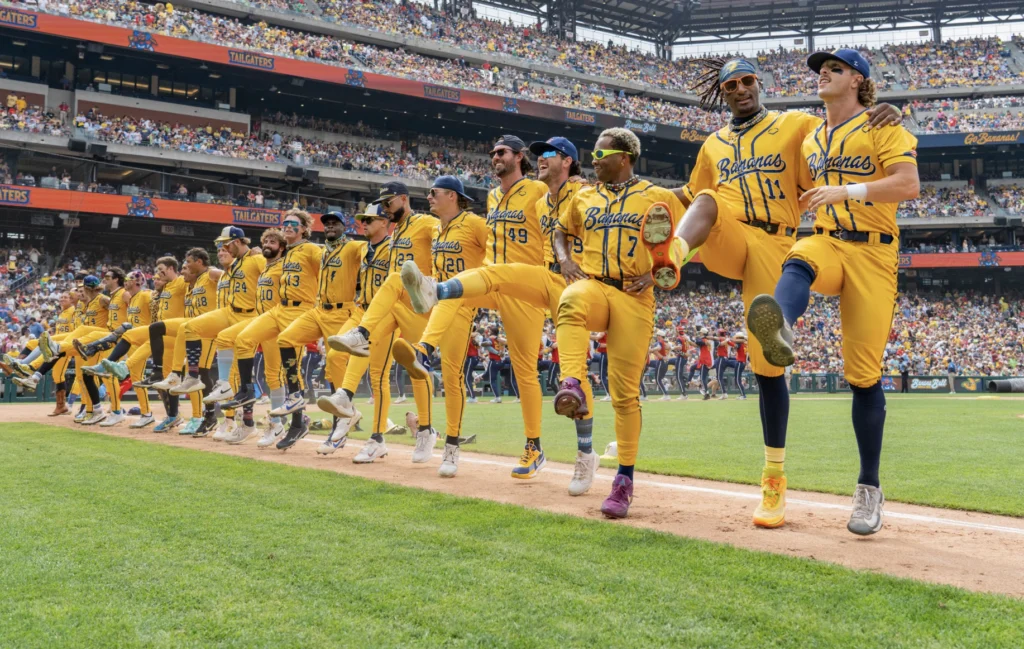
As the 2026 season of Banana Ball commences, the Savannah Bananas find themselves in an enviable position, commanding a level of cultural relevance and fan loyalty that many Major League Baseball franchises struggle to replicate. The organization, led by owner Jesse Cole, has redefined the spectator experience through a "Fans First" philosophy, blending high-energy entertainment with a modified version of baseball designed for speed and engagement. However, beneath the choreographed dance routines and yellow tuxedos, the organization recently faced a significant test of its brand integrity. A 2025 investigation into the league’s nonprofit arm, Bananas Foster, provided a masterclass in how a high-profile entity can manage a reputational crisis through strategic restraint, substantive transparency, and disciplined communication.
The Genesis of the Banana Ball Phenomenon
To understand the stakes of the recent controversy, one must first understand the brand equity at risk. Founded in 2016 as a member of the Coastal Plain League before pivoting to an independent professional model, the Savannah Bananas transformed from a struggling minor league team into a global phenomenon. Their proprietary version of the game, "Banana Ball," features a two-hour time limit, no bunting, and the "catch a foul ball for an out" rule, all designed to eliminate the "boring" parts of traditional baseball.
Central to their success is an uncompromising commitment to affordability and transparency. In an era where professional sports are often criticized for price-gouging, the Bananas built their own ticketing platform to bypass predatory resellers and kept concessions affordable. This "anti-corporate" stance created a deep bond of trust with their audience—a bond that was threatened in late 2025 when questions arose regarding their charitable operations.
The September 2025 Investigation: A Narrative of Self-Dealing
The crisis began in September 2025 when the sports and culture publication Defector released an investigative report focusing on Bananas Foster, the league’s 501(c)(3) nonprofit organization. The charity’s stated mission is to celebrate the foster care community, provide resources for foster families, and inspire others to engage with the foster system.
The crux of the Defector report centered on the charity’s financial disclosures from 2024. The investigation revealed that Bananas Foster had spent approximately $52,000—representing nearly 80% of its total programmatic expenditures for that year—on Savannah Bananas game tickets and team merchandise for the families it served. This led to accusations of potential "self-dealing," a term in nonprofit law describing transactions that unfairly benefit those in control of the organization. Because the nonprofit was essentially purchasing goods and services from the for-profit league owned by the same individuals, critics argued that donor funds were being cycled back into the organization’s own pockets rather than providing direct aid to foster children.
For a brand that built its identity on being the "good guys" of sports, these allegations were potentially devastating. Financial misconduct or the perception of self-enrichment at the expense of a vulnerable community like foster children could have alienated the very fans who supported the team’s growth.
A Chronology of the Crisis and Response
The timeline of the event illustrates a swift but measured approach to damage control:
- September 2025: Defector publishes its investigation. The report gains traction among sports business analysts and social media critics.
- Late September 2025: Rather than issuing a defensive press release or attacking the journalists, Bananas Foster leadership enters into direct dialogue with the investigators.
- October 2025: Executive Director Jolie Chabala and volunteer CFO Sarah Trumler provide detailed internal documents and context to clarify the organization’s spending. They admit to administrative oversights regarding IRS filings.
- November 2025 – January 2026: The organization hires a national accounting firm to audit and revise their tax returns. They implement new protocols to ensure clear separation between the nonprofit’s expenditures and the league’s revenue.
- April 2026: The Banana Ball season opens with record-breaking ticket demand and no lingering public outcry regarding the previous year’s financial questions.
Substantive Engagement Over Defensive Rhetoric
One of the primary lessons from the Banana Ball crisis is the value of substantive engagement. In crisis management, the instinct is often to "stonewall"—to ignore the inquiry or provide a vague "no comment." However, in the digital age, silence is often interpreted as an admission of guilt.
Bananas Foster took the opposite approach. Jolie Chabala and Sarah Trumler engaged with the Defector reporting team by providing granular data that was not yet part of the public record. They explained that as a "young and developing" nonprofit, the administrative infrastructure had lagged behind the league’s explosive growth. Crucially, they clarified that no donor dollars were actually paid to the Savannah Bananas in a way that generated profit for the owners; rather, the funds were used to cover the literal costs of hosting families who otherwise would not have had access to the games.
By admitting that their IRS filings needed amendment and revealing that they had already engaged a national accounting firm to rectify the errors, the organization shifted the narrative. They moved from being a "corrupt entity" to a "well-intentioned but administratively green" organization. This humility served to disarm critics and demonstrated a commitment to regulatory compliance that satisfied both donors and fans.
The Power of Channel Discipline
Perhaps the most sophisticated element of the organization’s strategy was its "channel discipline." When a negative story breaks, there is a common urge to address it on every available platform—Twitter, Instagram, TikTok, and official websites. This often backfires by introducing the controversy to millions of people who were previously unaware of it.
The Savannah Bananas management recognized that the Defector readership represented a specific, intellectually curious, and often skeptical segment of the sports world. By answering Defector’s questions directly and comprehensively within the context of that original report, they ensured that the people most concerned with the issue received the most information. Meanwhile, they did not feel the need to "broadcast" the controversy to their 8 million TikTok followers, who were largely uninterested in the nuances of 501(c)(3) accounting. This contained the "storm" to a specific demographic and prevented a localized issue from becoming a global brand crisis.
Data and Growth: The 2026 Expansion
The effectiveness of this restrained communication strategy is evidenced by the league’s continued growth in 2026. If the crisis had been mishandled, one would expect to see a cooling of fan interest or a decline in commercial partnerships. Instead, the opposite has occurred.
As of the 2026 season opener:
- Ticket Demand: The league reported a record 4.2 million fans entered the ticket lottery for the current season.
- League Expansion: The Banana Ball ecosystem expanded from four teams to six, adding new rosters to meet the demand for their national tour.
- Venue Scale: The 2026 schedule includes stops at two of the six largest sports stadiums in the United States, marking a significant transition from minor-league ballparks to major-league arenas.
- Broadcast Footprint: The league has secured expanded broadcast rights, ensuring that Banana Ball is available to a national television audience.
These metrics suggest that the core audience remains convinced of the brand’s integrity. The organization’s ability to "stay on-mission"—continuing to produce content that highlights the joy of the game and the positive impact on foster families—allowed them to drown out the noise of the audit with the music of the stadium.
Broader Implications for the Sports and Nonprofit Sectors
The Banana Ball experience offers broader implications for the intersection of professional sports and philanthropy. In recent years, many athletes and sports teams have faced scrutiny over their charitable foundations. High overhead costs and low percentages of funds reaching actual beneficiaries are common pitfalls.
The Bananas Foster case highlights the necessity for "founder-led" charities to maintain rigorous professional distance from their parent companies. For organizations in similar positions, the takeaway is clear: transparency is not just about being honest when asked; it is about having the administrative discipline to ensure that the financial narrative matches the public mission.
Furthermore, the situation underscores a shift in public relations theory. Traditional "spin" is increasingly ineffective against data-driven investigative journalism. In its place, "radical transparency"—the willingness to admit mistakes and show the work of fixing them—has become the most effective tool for maintaining brand trust.
Conclusion: Restraint as a Competitive Advantage
The 2026 season of Banana Ball serves as a reminder that brand building is as much about how an organization handles its low points as it is about celebrating its highs. By choosing restraint over aggression and substance over slogans, the Savannah Bananas successfully navigated a complex financial controversy without losing the "Fans First" identity that defines them.
As they play to sold-out crowds across the country this year, the lesson for other brands is evident: when a crisis breaks, the goal is not to win an argument, but to preserve the relationship with the audience. Through disciplined communication and a commitment to administrative improvement, Banana Ball has ensured that its yellow jerseys remain a symbol of entertainment and community rather than a cautionary tale of corporate overreach.