In an increasingly digital world, the ability for local service businesses to connect with customers actively seeking their services in real-time is paramount. While Google’s global reach is undeniable, for many consumers, the urgency of a local need – be it a plumbing emergency, a locksmith’s assistance, or an electrician’s expertise – demands an immediate and trusted solution within their immediate vicinity. Recognizing this critical juncture, Google has introduced Local Services Ads (LSAs), a specialized advertising format designed to bridge the gap between immediate local demand and qualified service providers.
These LSAs, integrated within Google’s Performance Max campaigns with a pay-per-lead objective, offer a unique pathway for local service advertisers to convert high-intent searchers into tangible leads with remarkable efficiency. Unlike traditional search ads that direct users to a landing page, LSAs are engineered for direct action, allowing potential customers to initiate contact through calls, form submissions, messages, or appointment bookings directly from the search results page. This streamlined approach addresses the inherent time sensitivity of most local service inquiries, ensuring that businesses can respond swiftly to customer needs.
Understanding the Mechanics of Local Services Ads
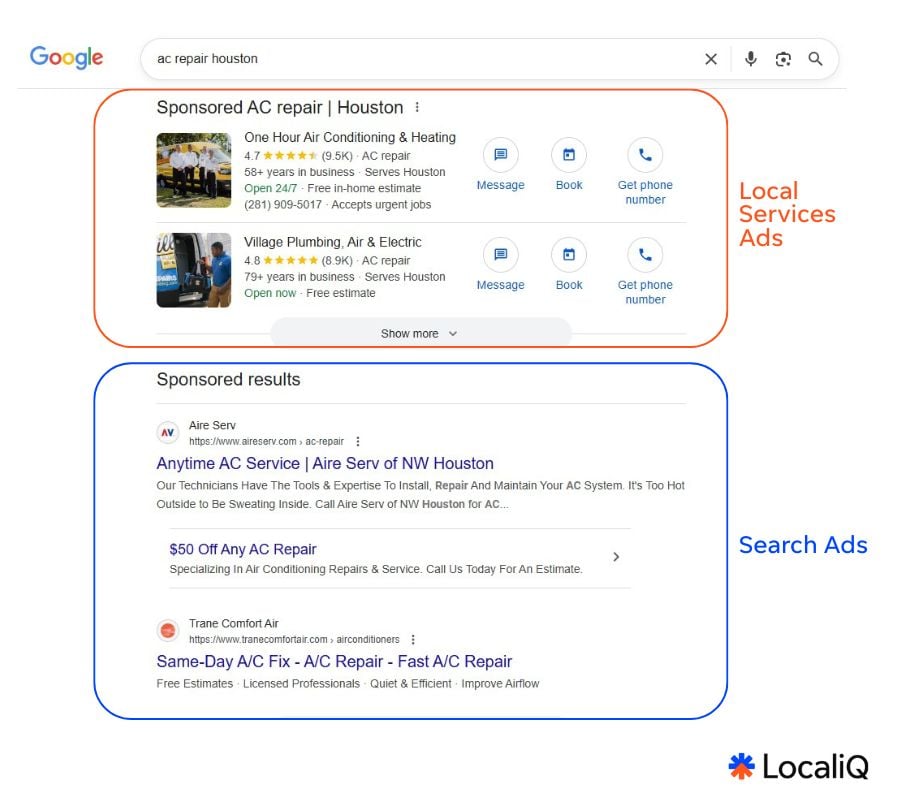
Google Local Services Ads represent a distinct evolution of Performance Max campaigns, specifically tailored to generate leads for service-based businesses. Their core functionality lies in their ability to appear prominently on the Search Engine Results Page (SERP), often positioned above standard paid search advertisements and organic listings. This prime real estate ensures maximum visibility for businesses catering to localized service demands.
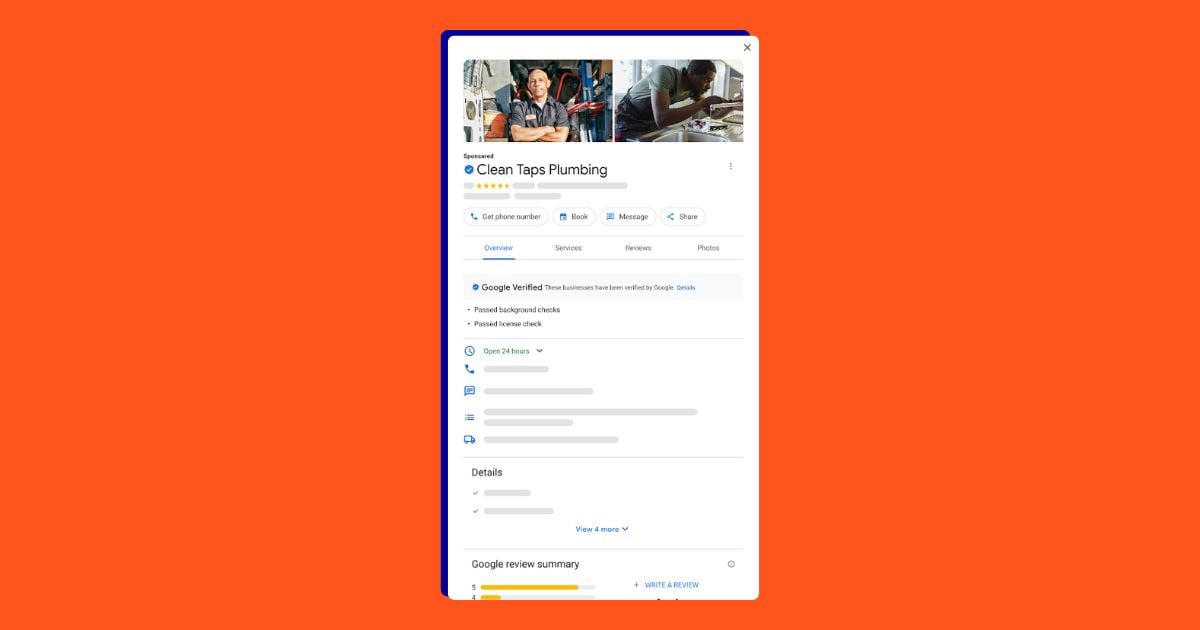
When a user conducts a local search query, such as "emergency plumber near me" or "locksmith in [city name]," eligible LSAs can surface, showcasing crucial business information. This includes the business’s contact number, operating hours, and, critically, customer ratings and reviews. This immediate display of trust signals and essential contact details empowers consumers to make informed decisions rapidly.
The user experience is designed for seamless interaction. Upon clicking an LSA, Google prompts the searcher to confirm the specific service they require and their service area. If the business matches the job description and serves the specified region, the searcher is presented with the advertiser’s qualifications, ratings, and reviews before initiating contact. This pre-qualification process ensures that leads are generally more relevant, saving businesses time and resources by filtering out irrelevant inquiries. Conversely, if a business is not a suitable match for the job or service area, Google automatically redirects the searcher to a more appropriate Local Services Ad, thereby preserving the advertiser’s budget and effort.
A Broad Spectrum of Supported Industries
Google’s commitment to empowering local service providers is reflected in the extensive range of industries supported by Local Services Ads. Initially launched with a select group of services, the program has since expanded significantly. As of recent updates, Google supports Local Services Ads across more than 80 industries throughout the United States. This expansive coverage includes, but is not limited to, a diverse array of essential services:
- Home Services: Plumbers, electricians, HVAC technicians, garage door repair specialists, painters, handymen, roofers, appliance repair services, junk removal, and pest control.
- Automotive Services: Mechanics, car washes, and detailing services.
- Legal Services: Attorneys specializing in various fields like family law, personal injury, and estate planning.
- Real Estate Services: Real estate agents and brokers.
- Financial Services: Accountants and tax preparers.
- Pet Care Services: Veterinarians and dog walkers.
- Event Services: Photographers and caterers.
- Home Improvement & Renovation: General contractors, remodelers, and landscapers.
This broad industry inclusion underscores Google’s strategy to become a comprehensive marketplace for local service needs, making it easier for consumers to find reliable professionals for a wide array of tasks.
Key Benefits Driving Advertiser Adoption
The growing adoption of Google Local Services Ads by businesses is driven by a confluence of compelling benefits, fundamentally altering the landscape of lead generation for service providers.
Advertisers Pay Per Lead, Not Per Click
One of the most significant advantages of LSAs is the pay-per-lead (PPL) model. Unlike traditional pay-per-click (PPC) advertising, where businesses are charged for every click on their ad, regardless of whether it results in a lead, LSAs charge only for qualified leads. This model is particularly beneficial for industries with historically high cost-per-click (CPC) rates, such as legal or dental services.
The PPL structure mitigates the risk of paying for non-converting clicks. Google’s system is designed to connect the right job with the right advertiser, minimizing instances of job mismatches that can occur with broader search terms or when a user is outside a business’s service zone. Businesses running LSAs are charged only for leads deemed valid. If a lead is identified as fraudulent, spam, or a poor match, advertisers have the ability to dispute the charge and receive credit, further safeguarding their advertising investment.
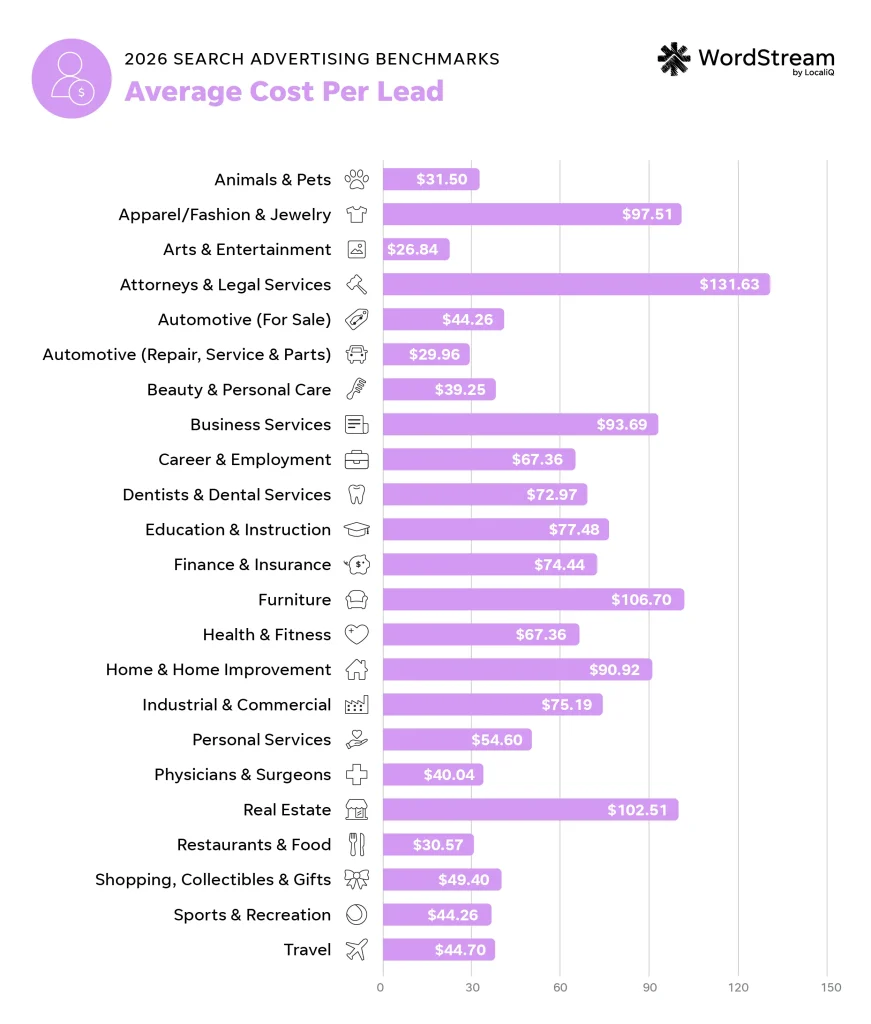
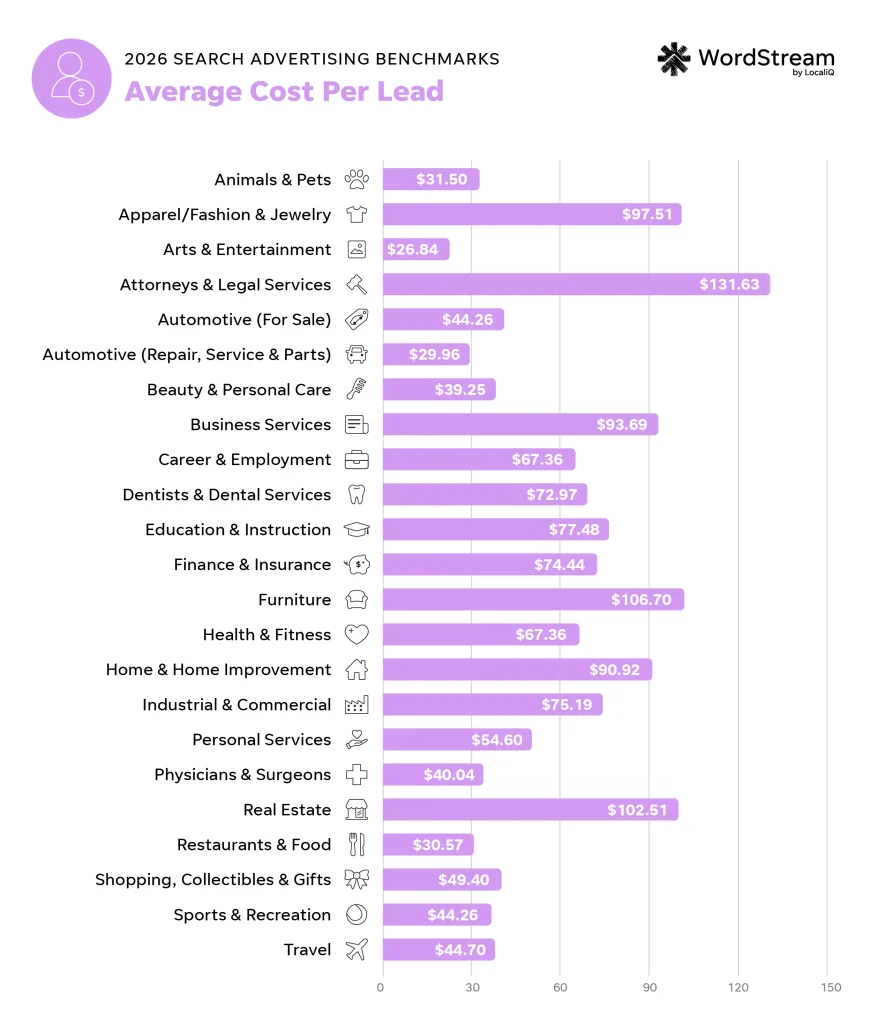
Data suggests that the average cost per lead for Google Local Services Ads hovers around $60, a figure that is notably lower than the industry benchmark average cost per lead for search ads, which stands at approximately $66.69. This cost-effectiveness translates directly into a more efficient allocation of marketing budgets and a potentially higher return on investment for service businesses.
Gaining Trust with the Google Verified Badge
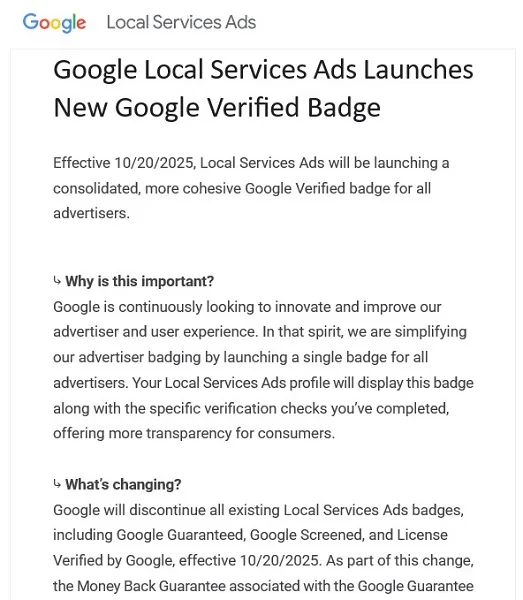
In an era where online trust is paramount, the Google Verified badge serves as a critical differentiator for Local Services Ads. Previously, LSAs featured various badges, including the "Google Guarantee," which varied based on industry and verification level. However, as of October 20, 2025, Google has consolidated these into a single, unified "Google Verified" badge.
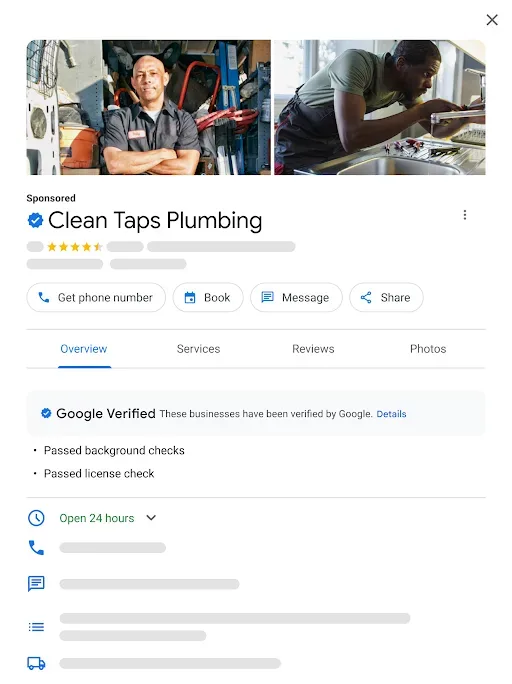
This standardized badge is the result of a rigorous verification process that businesses undergo. It signifies that the advertiser has met Google’s criteria for licensing, insurance, and background checks. For consumers, the Google Verified badge provides an immediate layer of assurance, indicating that the service provider has been vetted by Google, enhancing their confidence in selecting that business. This consolidated approach aims to create a more transparent and cohesive experience for both users searching for services and the businesses providing them.
Expanding the Reach of Paid Search Efforts
Local Services Ads are strategically positioned at the top of the SERP, above both paid search ads and organic search results. This placement ensures that businesses appearing in LSAs capture the attention of users with the most immediate and localized needs.
It’s important to note that LSAs are not intended to replace existing search advertising strategies or organic local listings. Instead, they act as a complementary channel, broadening a business’s visibility. Even if a user doesn’t convert directly through an LSA, the prominent display and positive reviews can influence their perception and subsequent decision-making, potentially leading to conversions through other channels, such as visiting the business’s website. This multi-faceted presence on the SERP maximizes the opportunities for engagement and lead generation.
Simplified Management Through Performance Max
A significant operational enhancement for advertisers is the integration of Local Services Ads directly into Google Ads under Performance Max campaigns. Previously managed through a separate dashboard, LSAs can now be set up and managed within the familiar Google Ads environment, utilizing a pay-per-lead goal.
This integration streamlines workflow for advertisers already leveraging Performance Max campaigns. Performance Max is a fully automated campaign type designed to optimize ad delivery across all of Google’s channels. By incorporating LSAs into this framework, businesses can manage their local service advertising alongside their other digital marketing efforts, leveraging existing expertise and comfort with the platform. This unified management approach reduces complexity and allows for more cohesive campaign planning.
Embarking on Your Local Services Ads Journey
For businesses eager to leverage the benefits of Local Services Ads, the path to implementation is structured and designed for accessibility.
Step 1: Confirm Eligibility
The initial and most crucial step is to verify eligibility. Google Local Services Ads are not universally available; they are specifically designed for certain industries. Businesses can confirm their eligibility by visiting Google’s dedicated Local Services Ads signup page and providing their business type and location. If deemed eligible, users will be guided through the account creation process. It is important to note that LSAs are managed separately from traditional Google Ads accounts, requiring the creation of a new, dedicated account.
Step 2: Create Your Business Profile
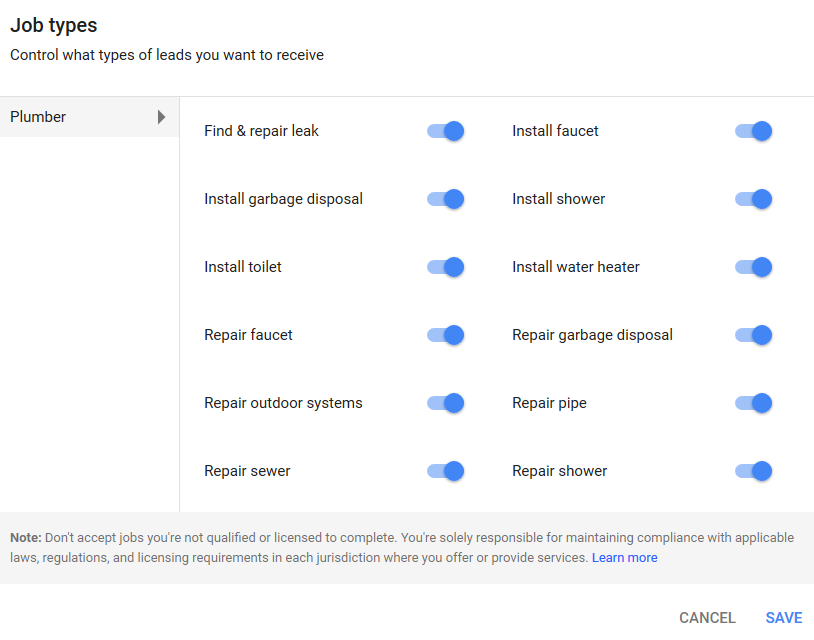
A robust business profile is the cornerstone of a successful LSA campaign. This profile is directly linked to your Google Business Profile account and dictates how your business is matched with potential leads. Honesty and accuracy are paramount when detailing the services you offer and the geographic areas you serve, as you will be responsible for leads generated from these specifications.

The business profile allows for the management of several key elements:
- Service Area: Precisely define the locations where you offer your services.
- Business Hours: Accurately reflect your operating schedule.
- Services Offered: Clearly list all services your business provides.
- Business Description: Craft a concise and compelling description of your business.
- Photos: Upload high-quality images showcasing your work and team.
Step 3: Provide License and Insurance Details
For many service industries, possessing the necessary licenses and insurance is a prerequisite for consumer trust and regulatory compliance. Businesses running LSAs are required to submit proof of these credentials. This includes providing details of general liability insurance and any relevant professional licenses. Depending on the specific city or state regulations, additional licenses may also need to be submitted to ensure full compliance within those regions.
Step 4: Complete a Background Check
Google places a high priority on user safety and trust. Before allowing businesses to be featured in Local Services Ads, they require both the business and its fieldworkers to pass a background check. This process is conducted at no cost to the advertiser and ensures that consumers can feel secure when inviting service professionals into their homes or businesses. The background check process can be managed through Google’s designated third-party provider.
Step 5: Manage Your Leads Effectively
Once your business profile is complete and linked to your Google Ads account, a Performance Max pay-per-lead campaign will be created. Leads generated through this campaign will be accessible within the "leads" reporting section of the Google Ads platform. It is crucial to remember that a "lead" is not automatically a booked job. Prompt and professional follow-up with inbound leads is essential for conversion. Within the leads reporting section, you can review detailed information about each lead, including job type, location, and even listen to call recordings, enabling you to assess the quality and potential of each inquiry.
Optimizing Performance Max Local Services Ads
To maximize the return on investment from your Local Services Ads, consider these strategic optimizations:
Be Mindful of Location Targeting
Effective location targeting is fundamental to the success of LSAs, given their inherently local nature. Within your PMax campaign settings for LSAs, ensure that the targeted locations are strategically chosen. Prioritize areas that are in close proximity to your primary operational hubs or where you have a higher likelihood of benefiting from proximity-based ranking factors. Overly broad or irrelevant location targeting can lead to wasted ad spend and less qualified leads.
Maintain and Enhance Your Google Reviews
Your regular Google Business Profile reviews directly populate your Local Services Ads. Consequently, a strong foundation of positive customer reviews on your Google Business Profile significantly enhances the appeal and credibility of your LSAs. Proactively encourage satisfied customers to leave reviews and maintain a consistent strategy for reputation management. A well-managed online reputation is a powerful driver of trust and conversions for local service businesses.
Conclusion: Securing Future Business with Local Services Ads
Google Local Services Ads offer a streamlined, efficient, and highly effective method for service-based businesses to connect with customers actively seeking their services. The pay-per-lead model, the trust-building Google Verified badge, and the prime SERP placement combine to create a powerful lead generation tool. By understanding the platform’s mechanics, ensuring eligibility, meticulously building a business profile, and actively managing leads, businesses can integrate LSAs into their marketing strategy with confidence.
The process of getting started involves confirming eligibility, creating a comprehensive business profile, submitting necessary licensing and insurance documentation, completing a background check, and establishing a system for lead management. By carving out dedicated time for setup and ongoing lead follow-up, service businesses can harness the potential of Google Local Services Ads to not only capture immediate demand but also to build a more robust and sustainable customer base for the future.