The landscape of generative artificial intelligence has undergone a fundamental shift as Google integrates advanced video generation capabilities directly into its Gemini ecosystem. This transition marks the evolution of AI from a series of disparate, task-specific tools into a unified multimodal system capable of processing and producing information across text, audio, image, and now, high-fidelity video formats. The introduction of Gemini Omni represents a strategic pivot for Google, positioning video generation not as a standalone novelty, but as a core utility of the modern AI assistant. By embedding these capabilities into the Gemini framework, Google aims to democratize professional-grade visual storytelling, allowing users to move from conceptual thought to cinematic output within a single interface.
The Architectural Shift Toward Multimodality
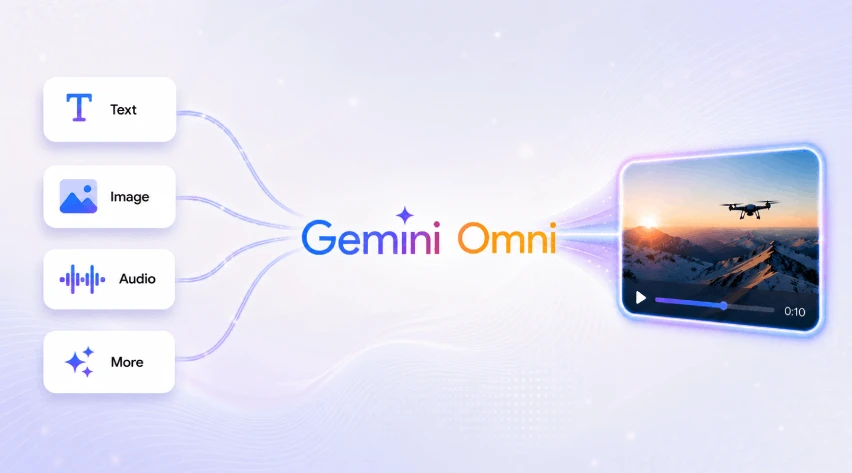
To understand the significance of Gemini Omni, one must look at the underlying architecture of modern Large Multimodal Models (LMMs). Unlike earlier iterations of AI where a text model would pass instructions to a separate image or video engine, Gemini Omni operates on a unified architecture. This means the model does not treat text, images, and video as separate categories of data. Instead, it perceives them as different forms of the same underlying informational stream. This “native multimodality” allows for a higher degree of nuance; the model understands the physics of a scene, the emotional weight of lighting, and the temporal consistency required for fluid motion.
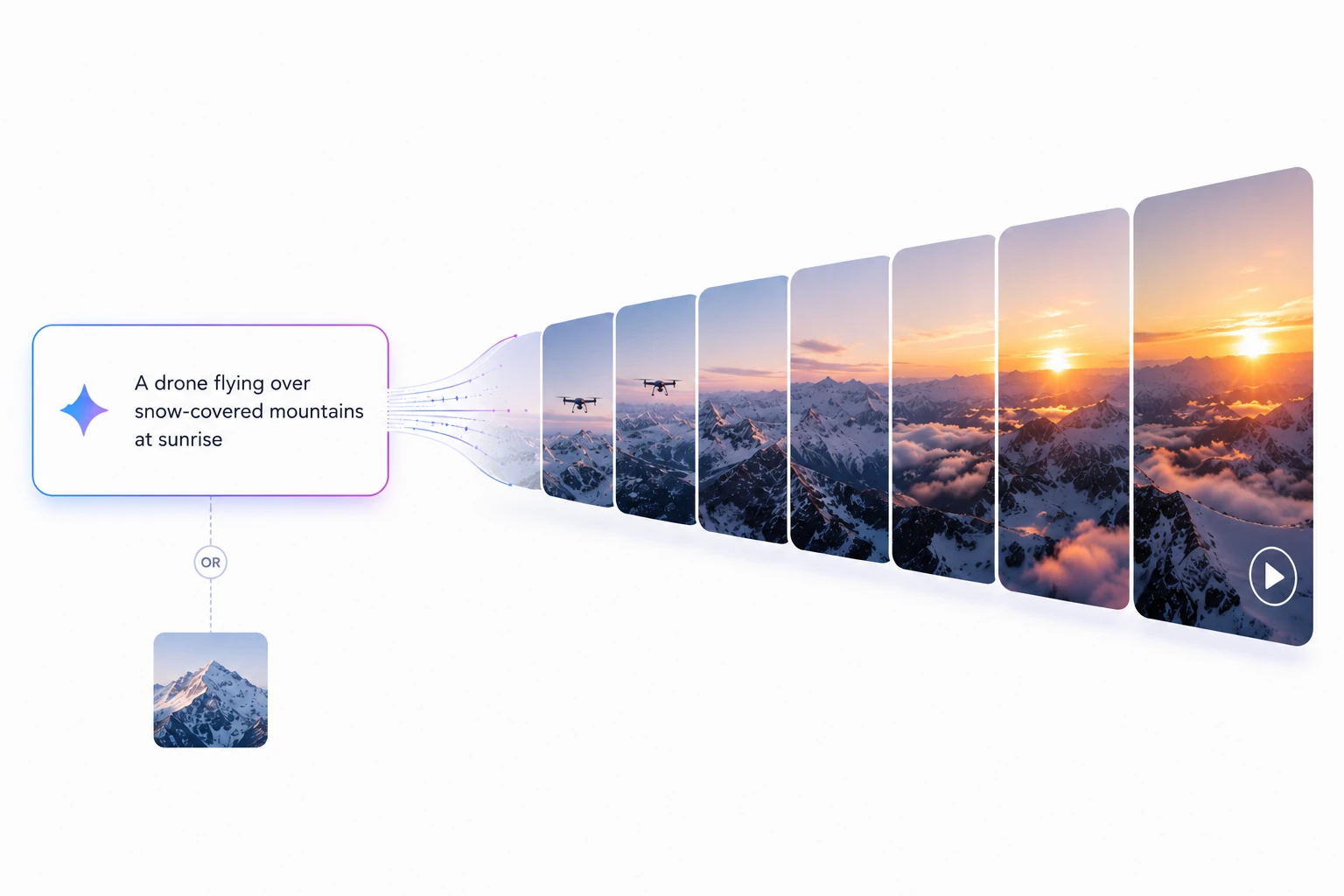
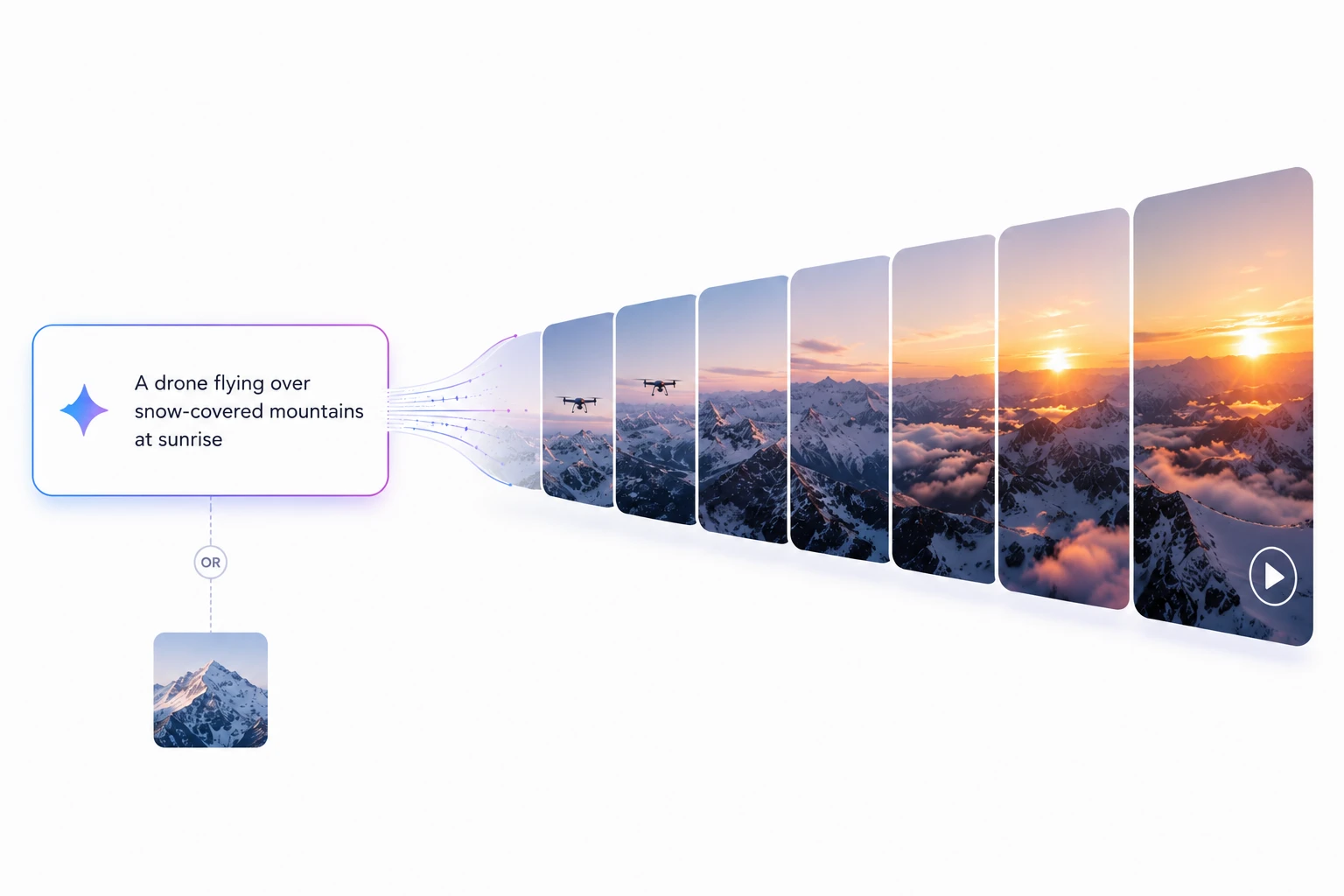
For example, when a user provides a prompt such as “a drone flying over snow-covered mountains at sunrise,” Gemini Omni does not merely stitch together stock-like footage. It calculates the interaction between the light of the rising sun and the reflective surface of the snow, the camera shake inherent in drone flight, and the atmospheric haze of high altitudes. This level of integrated understanding is what separates the “Omni” generation from its predecessors.
Chronology of Evolution: From Bard to Omni
The journey to Gemini Omni has been rapid, reflecting the accelerated pace of the AI industry over the last twenty-four months. In early 2023, Google’s primary AI offering was Bard, a text-based chatbot designed to compete with OpenAI’s ChatGPT. However, as the industry pivoted toward multimodality, Google rebranded its efforts under the Gemini umbrella in late 2023, introducing Gemini 1.0.
By the second quarter of 2024, the release of Gemini 1.5 Pro introduced a massive context window, allowing the model to “watch” and analyze hour-long videos. The logical progression of this trajectory was to move from video analysis to video synthesis. Gemini Omni is the culmination of this roadmap, bridging the gap between passive understanding and active creation. This timeline suggests a strategic effort by Google to regain the lead in the “AI arms race,” specifically targeting the creative suite market currently occupied by players like Adobe, Runway, and Sora.
Core Capabilities: Text, Image, and Video Transformation
The utility of Gemini Omni is categorized into three primary functional pillars, each designed to serve different stages of the creative workflow.
1. Image-to-Video Animation
One of the most technically demanding tasks in AI is maintaining “visual “fidelity”—ensuring that an animated character or scene looks exactly like the static image it originated from. Gemini Omni addresses this by allowing users to upload a single image and provide a behavioral prompt. In practical testing, a silhouette of a character can be animated to convey specific personality traits, such as stealth or aggression, while the model maintains the lighting and texture of the original file. This feature is particularly valuable for concept artists and storyboarders who need to breathe life into character designs without traditional rigging or keyframe animation.
2. Text-to-Video Synthesis
The text-to-video feature represents the most “pure” form of generative AI. By utilizing complex prompts—often including “negative prompts” to steer the model away from unwanted artifacts like distorted limbs or inconsistent lighting—users can generate entire short films. A notable example is the “Cloud Painter” prompt, which describes a rabbit in a yellow raincoat painting the sky. The success of such a prompt depends on the model’s ability to maintain “character consistency” across multiple frames. Gemini Omni’s ability to keep the rabbit’s proportions and clothing stable while the environment changes around it marks a significant technical milestone in temporal coherence.
3. Video-to-Video Editing and Style Transfer
Beyond creating from scratch, Gemini Omni allows for the modification of existing footage. This is often referred to as “video-to-video” (Vid2Vid) generation. Users can upload a clip—for instance, a recording of video gameplay—and instruct the model to transform the visual style into an anime aesthetic or a black-and-white noir film. The model analyzes the motion vectors of the original video and overlays a new stylistic layer, effectively acting as an automated post-production house.
Technical Data and Performance Metrics
While Google has been selective with specific parameter counts for the Omni variant, industry analysts estimate the model leverages the massive infrastructure of the TPU v5p (Tensor Processing Units) to handle the immense computational load of video rendering. Preliminary data suggests that Gemini Omni can generate five to ten-second clips in under sixty seconds, a significant improvement over the multi-minute wait times associated with earlier generative models.
The model utilizes a “latent diffusion” process, where it starts with a field of digital noise and gradually refines it into a coherent image based on the prompt’s guidance. To ensure video fluidity, Gemini Omni generates “keyframe” anchors and then interpolates the frames between them to ensure there is no “flickering” or “warping,” which are common defects in AI-generated video.

Guardrails, Copyright, and Ethical Constraints
Despite its technical prowess, Gemini Omni is governed by some of the strictest safety protocols in the industry. Google has implemented a robust “guardrail” system designed to prevent the generation of deepfakes, sexually explicit content, or depictions of real-world violence. This has led to some friction among power users, as the model may occasionally refuse a benign prompt if it detects keywords that could potentially violate policy.
Furthermore, copyright remains a central challenge. Gemini Omni includes digital watermarking through Google’s SynthID technology. This embeds an invisible-to-the-human-eye watermark into the pixels of the video, allowing platforms to identify the content as AI-generated. This is a direct response to growing concerns from the creative industry regarding the provenance of digital media and the potential for AI to be used in misinformation campaigns.
Market Implications and Competitive Analysis
The release of Gemini Omni places Google in direct competition with OpenAI’s Sora, which has generated significant buzz but has seen a limited, controlled rollout. Unlike Sora, which is positioned as a high-end tool for filmmakers, Gemini Omni is being integrated into the broader Google Workspace and Gemini Advanced subscription models. This “mass-market” approach could give Google a significant advantage in terms of user adoption and data feedback loops.
Market analysts suggest that the integration of video generation into an AI assistant will disrupt several sectors:
- Marketing and Advertising: Small businesses can now produce high-quality social media advertisements without the need for expensive production budgets.
- Education: Educators can create visual aids and historical reenactments through simple text descriptions, enhancing the immersive nature of digital learning.
- Prototyping: Product designers can create “vision videos” to demonstrate how a concept might work in the real world before a physical prototype is ever built.
Current Limitations and Future Outlook
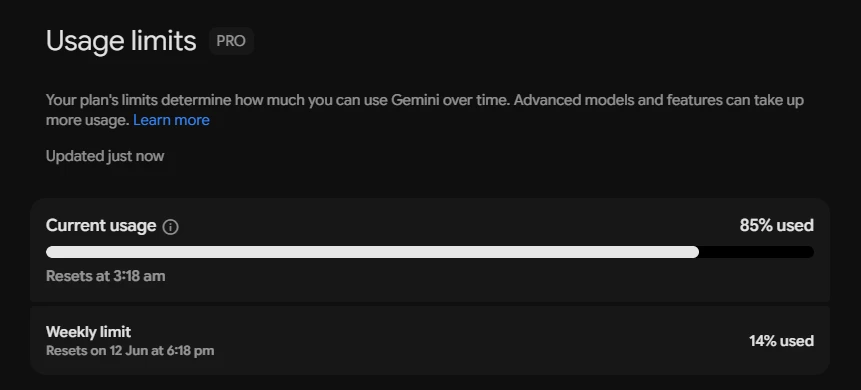
While Gemini Omni is a leap forward, it is not without its current limitations. The duration of the generated videos remains relatively short, usually capped at under 10-15 seconds to manage compute costs. There are also regional restrictions and tiered access models; users on the Gemini Advanced or Google One AI Premium plans receive priority access and higher usage limits, while free-tier users may face significant wait times or restricted features.
The future of Gemini Omni likely involves longer video durations and the integration of “spatial audio”—where the AI generates sound effects that perfectly match the movement of objects within the video. As the model continues to learn from user interactions, the “friction” caused by strict guardrails is expected to be refined, allowing for more creative freedom while maintaining ethical standards.
In conclusion, Gemini Omni represents a watershed moment for Google. It signals the end of the era where AI was a specialized tool for text or images and the beginning of an era where the AI assistant is a comprehensive creative partner. By making video generation a standard feature of the Gemini experience, Google is not just keeping up with the competition; it is redefining the expectations for what an artificial intelligence system should be able to achieve.