rifanmuazin
The e-commerce landscape is experiencing a seismic shift as a wave of new services and platform updates emerge, promising to redefine how businesses operate, engage with customers, and manage their digital presence. From Amazon’s ambitious expansion of its logistics network to sophisticated AI integrations by Klaviyo and Experian, merchants are being presented with an unprecedented array of tools designed to streamline operations, enhance customer experiences, and fortify their competitive edge. This comprehensive overview details the latest advancements, examining their potential impact on various facets of the e-commerce ecosystem, including supply chain management, livestream shopping, personalization, conversational commerce, product page optimization, fraud prevention, cross-border shipping, and reputation management.
Amazon Leverages its Logistics Prowess for Broader Merchant Access
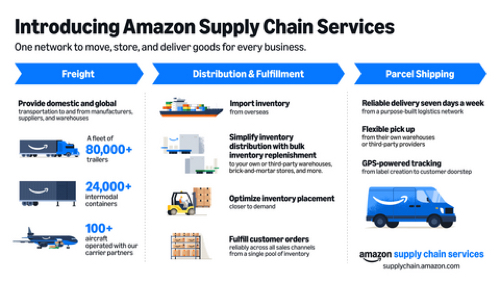
In a significant move that underscores its dominance in the logistics sector, Amazon has officially opened its extensive supply chain network to all businesses, regardless of whether they sell on Amazon’s platform. Dubbed "Amazon Supply Chain Services," this initiative grants access to the e-commerce giant’s formidable freight, distribution, fulfillment, and parcel shipping solutions. This offering allows any seller to tap into a centralized console for seamless sign-up, potentially democratizing access to Amazon’s world-class logistical capabilities. The sheer scale of Amazon’s infrastructure is staggering, encompassing a fleet of 80,000 trailers, 24,000 containers, and 100 aircraft, positioning it as a powerful partner for businesses seeking to optimize their delivery and fulfillment processes. This strategic expansion signals Amazon’s intent to solidify its role not just as a marketplace, but as an indispensable infrastructure provider for the entire e-commerce industry. The implications are far-reaching, potentially enabling smaller businesses to compete more effectively on delivery speed and reliability, while also offering larger enterprises a robust alternative to existing logistics partners.
AI and Personalization Take Center Stage
Artificial intelligence continues to be a driving force behind the latest e-commerce innovations, with several platforms enhancing their AI capabilities to offer more tailored and efficient customer interactions.

Klaviyo, a leading B2C marketing platform, has introduced "Custom Skills" for its Customer Agent. This enhancement empowers brands to construct unique customer experiences built upon the same foundation that fuels their marketing efforts. By allowing brands to define logic in plain language, build new skills from scratch, modify existing ones, and integrate them with any system within their tech stack, Klaviyo is enabling a more dynamic and personalized approach to customer service. This move is particularly significant as it moves AI from a purely reactive support tool to a proactive engagement engine, capable of enriching customer journeys at every touchpoint.
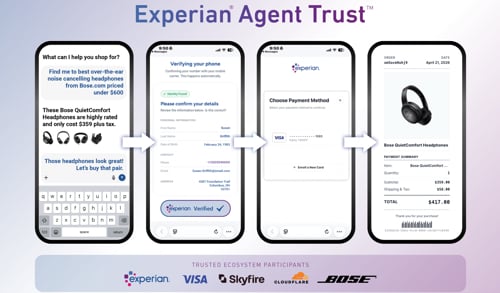
Experian, a global information services company, has launched "Agent Trust," a framework designed to power trusted AI-driven commerce. Agent Trust establishes a secure and verifiable link between consumers and AI agents, ensuring that transactions initiated by AI are grounded in verified consumer identity. Operating within an ecosystem of agentic commerce contributors, including industry giants like Visa and Cloudflare, Agent Trust aims to build a more secure and trustworthy environment for automated transactions. In an era where AI is increasingly mediating commerce, this initiative addresses critical concerns around data security, fraud prevention, and consumer confidence. The framework’s commitment to verified identity is a crucial step towards fostering broader adoption and trust in AI-powered commercial interactions.
MikMak, a prominent commerce intelligence platform, has unveiled three new capabilities within its updated platform, MikMak 4.0. "Aura," a predictive engine, provides real-time market foresight for sales and media measurement, planning, and optimization. "Mak," an AI assistant, analyzes and transforms data into actionable strategies, including campaign design. The third component, "MCP" (likely referring to MikMak’s Commerce Platform), offers AI agents direct visibility into real-time commerce data. These advancements signal a move towards more intelligent and automated decision-making for brands, enabling them to react swiftly to market dynamics and optimize their commercial strategies with unprecedented precision.
Bloomreach, a recognized leader in personalization, has launched "Loomi AI for Shopify." This integrated app connects Shopify stores directly to Bloomreach’s marketing and search products, facilitating personalized experiences by unifying customer, product, and commerce data. Loomi AI leverages AI decisioning to identify shoppers most likely to convert and targets them with relevant incentives. The app allows for real-time surfacing of relevant results for each shopper and personalizes campaigns based on purchase history, browsing behavior, and loyalty status. This holistic approach to personalization, extending across search and marketing, is crucial for boosting conversion rates and fostering customer loyalty in a highly competitive market.
Amazon continues to push the boundaries of AI integration by introducing a new feature on its product pages titled "Join the chat." This interactive component, part of the broader "Hear the highlights" feature, allows customers to ask AI hosts questions via text or voice while listening to an audio summary of a product. The AI host seamlessly integrates these questions into the conversation, providing tailored responses based on product details, customer reviews, and other publicly available information. This innovative approach aims to enhance product discovery and provide instant, personalized answers to shopper queries, mimicking a more engaging and informative in-store experience.
Enhancing Product Pages and Customer Engagement
Optimizing product pages and improving customer interaction are key priorities for e-commerce success, and several new tools are addressing these areas.
Skailed, an Australian-based programmatic e-commerce and SEO platform, has launched an automated FAQ tool for product pages. By analyzing product details, Skailed FAQs automatically generate contextual questions and answers, which merchants can review and edit before publishing. This feature streamlines the process of providing comprehensive product information, enhancing SEO and customer understanding, and ultimately reducing pre-purchase inquiries.
reAlpha, a real estate technology company, through its subsidiary AiChat, has introduced conversational commerce and ticketing solutions integrated with Shopify. This platform enables businesses to manage product discovery, customer interactions, transactions, and post-purchase support. The direct integration with Shopify ensures real-time access to product, inventory, and order data, facilitating smoother and more informed customer conversations. This development signifies a growing trend towards AI-powered conversational interfaces as a primary channel for customer engagement and sales.
Livestream Shopping and Cross-Border Commerce Gain Momentum
The burgeoning livestream shopping sector and the complexities of cross-border e-commerce are also seeing significant technological advancements.
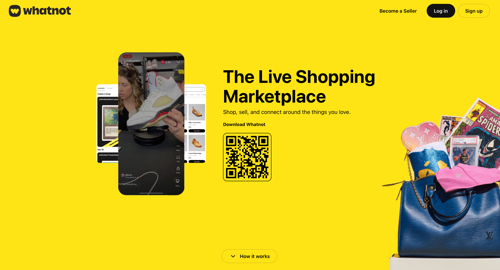
Whatnot, a popular livestream shopping platform and marketplace, has announced its integration with Shopify. This allows Shopify merchants to sell products on Whatnot through live auctions or "Buy It Now" listings, with orders automatically flowing into their Shopify accounts. This integration eliminates the need for catalog duplication and manual inventory reconciliation across platforms, making it easier for merchants to adopt live commerce strategies and expand their reach.
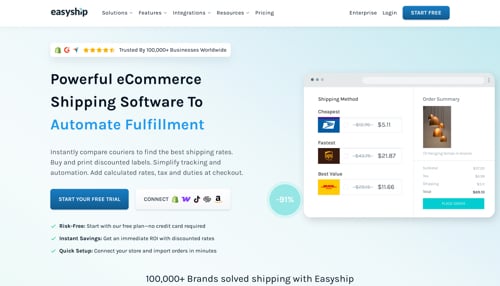
Easyship, a multi-carrier e-commerce shipping software and API platform, has launched its MCP server for cross-border shipping. This innovation allows merchants to compare rates across multiple carriers, generate shipping labels using natural language, track shipments, and analyze courier performance, all within compatible AI platforms like Claude, ChatGPT, and Gemini. This integration simplifies the complexities of international shipping, making it more accessible and efficient for businesses looking to expand globally.
Streamlining Operations and Building Trust
Beyond customer-facing innovations, several new services are focused on operational efficiency, fraud prevention, and reputation management.
Amazon Business is expanding its Same-Day Delivery service to include groceries in over 2,300 U.S. cities. This initiative brings a wide range of fresh produce, dairy, baked goods, and frozen items from national and local brands directly to businesses. Customers can select delivery windows that align with their operating hours, enhancing convenience and supporting business operations with timely access to essential supplies.
Crosslist, a product listing platform, has introduced a multi-marketplace listing and inventory synchronization system. This platform enables sellers to create a single product listing and distribute it across multiple marketplaces while maintaining synchronized inventory and pricing. This feature is designed to reduce manual workload, minimize listing errors, and allow resellers to scale their operations more effectively across diverse online channels.
AskNicely, an AI-powered customer experience platform, has launched its Reputation Manager. This tool is designed to consolidate fragmented customer feedback, enabling businesses to increase review volume, monitor performance across numerous review platforms, respond to feedback at scale, and connect survey insights with public reviews to identify trends. This comprehensive approach to reputation management can significantly impact brand perception and customer trust.
PayPal has introduced "Ads ID," an advertising identifier rooted in verified commerce relationships. This solution aggregates consented signals from browsing behavior across the PayPal and Venmo ecosystem. By partnering with technology testing firms in various advertising sectors, Ads ID aims to provide a more privacy-compliant and effective way to target advertising in a landscape increasingly focused on user consent and data privacy.
In a significant industry consolidation, Adobe has completed its acquisition of Semrush, a leading search engine optimization platform. Adobe plans to integrate Semrush’s discoverability intelligence with its own brand visibility and agentic web solutions, including Experience Manager, LLM Optimizer, Commerce platform, and Brand Concierge. This merger is poised to create a powerful suite of tools for businesses seeking to enhance their online presence, from content creation and SEO to personalized customer experiences.
The Evolving E-commerce Frontier
The rapid pace of innovation across these diverse areas highlights a clear trajectory for the e-commerce industry. The integration of AI, the expansion of sophisticated logistics networks, and the focus on personalized and conversational customer engagement are no longer futuristic concepts but present-day realities. Businesses that strategically adopt these new tools and platforms will be best positioned to navigate the complexities of the modern digital marketplace, foster deeper customer relationships, and achieve sustainable growth in an increasingly competitive global arena. The year ahead promises further evolution as these technologies mature and become more deeply embedded in the fabric of online commerce.