rifanmuazin
In today’s rapidly evolving digital landscape, establishing robust digital ownership has transitioned from a beneficial asset to an absolute necessity for small businesses. The pervasive influence of algorithms and the ephemeral nature of third-party platforms present significant challenges, often leaving entrepreneurs feeling vulnerable to sudden shifts in visibility and audience engagement. This critical need for digital sovereignty was the central theme of a recent discussion featuring social media veteran Peg Fitzpatrick and AI specialist Kinsey Soderberg, highlighting the strategic imperative for businesses to build on owned digital assets rather than solely relying on rented platforms.
The conversation, initially broadcast as a podcast, underscored a growing consensus among digital strategists: the chase for fleeting algorithmic favor can be a perilous and unsustainable endeavor. Fitzpatrick, with over 14 years of experience navigating the complexities of social media, reflected on the unpredictable fluctuations in content reach and the constant pressure to conform to platform demands. "One day your content is soaring, the next—crickets," she observed, echoing the frustration many small business owners experience. Soderberg, a prominent voice in the AI space, further emphasized that true long-term success hinges on a deliberate strategy of digital ownership, a concept she and Fitzpatrick champion as "digital sovereignty."
The Shifting Sands of Digital Presence: A Chronology of Platform Volatility
The history of the internet is replete with examples of platforms that once dominated the digital landscape only to fade into obscurity, taking with them the businesses and communities built upon them. From the early days of MySpace, which once boasted hundreds of millions of users before being supplanted by Facebook, to the rise and fall of Google+, a platform Google heavily promoted only to shutter it years later, the impermanence of third-party digital real estate is a recurring lesson. Even more recent phenomena like Vine, a short-form video platform that garnered immense popularity before its closure, illustrate the risks of building an entire brand presence on a single, externally controlled entity.
This chronology highlights a fundamental vulnerability: platforms dictate the terms of engagement, the reach of content, and ultimately, the survival of businesses operating exclusively within their ecosystems. Algorithms are constantly tweaked, often without warning, leading to dramatic shifts in organic reach. Policy changes can emerge overnight, impacting content guidelines, monetization strategies, or even user access. Furthermore, geopolitical tensions, as seen with the ongoing discussions surrounding TikTok’s ownership and data security, introduce another layer of instability for businesses heavily invested in such platforms. A 2023 survey by Statista indicated that over 60% of small businesses cited algorithm changes as a significant challenge in their social media marketing efforts, underscoring the widespread impact of this volatility.
The Illusion of Control: Risks of Rented Platforms
Fitzpatrick and Soderberg critically examined the prevailing pressure for small businesses to maintain a constant, ubiquitous presence across numerous social media channels. They argued that this pressure is often fueled by the platforms themselves, whose business models benefit from maximum user engagement, sometimes at the expense of a business’s long-term interests. "Platforms don’t have your best interest in mind," Fitzpatrick stated, pointing to features like Facebook’s "relevancy score" for message response times, which can create undue stress and unrealistic expectations for small business owners.
The risks extend beyond mere algorithmic changes. Building a customer base solely on platforms means relinquishing control over valuable customer data. Businesses become dependent on platform analytics, which may not provide the comprehensive insights needed for strategic decision-making. Moreover, direct communication channels can be mediated or restricted by platform features, hindering the development of deep, personal customer relationships. A study by Salesforce revealed that companies that prioritize personalized customer experiences see a 20% increase in customer satisfaction and a 15% increase in revenue. Achieving this level of personalization is significantly harder when customer interactions are funneled through third-party platforms.
Pillars of Digital Sovereignty: Practical Steps Towards Ownership
The antidote to platform dependency, as articulated by Fitzpatrick and Soderberg, lies in a strategic shift towards building and owning core digital assets. This approach emphasizes "doing what matters" rather than "doing more," focusing on foundational elements that provide stability and control.
-
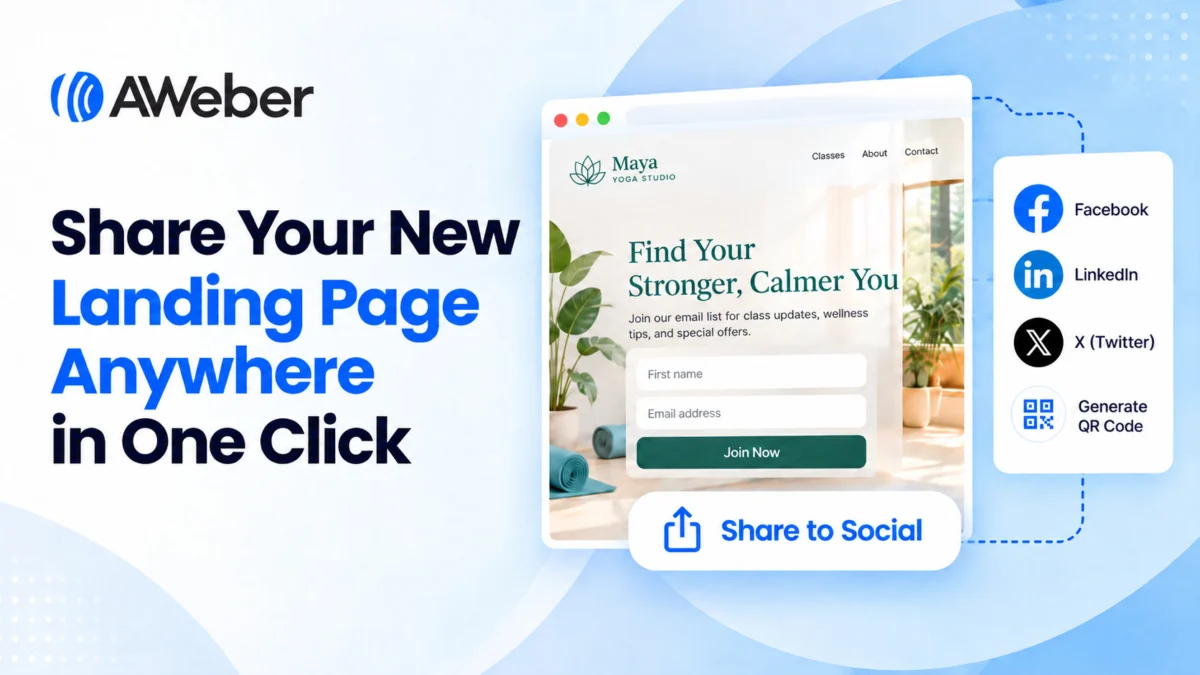
Establishing a Robust Website: The website serves as the undeniable digital home for any business. Unlike social media profiles, a website is fully owned and controlled by the business, offering complete autonomy over content, design, user experience, and data collection. It acts as the central hub for all business operations, from showcasing products and services to publishing long-form content and collecting leads. Search engine optimization (SEO) strategies implemented on a website ensure long-term organic visibility, allowing potential customers to find the business through search engines like Google, independent of social media algorithms. Data from HubSpot indicates that companies with a strong website presence and effective SEO generate 2.5 times more leads than those without.
-
Building an Email List: Email marketing remains one of the most powerful and direct communication channels available to businesses. An email list represents a direct line to customers and prospects, unmediated by algorithms or platform policies. Businesses own their email lists, meaning they can export and migrate them if their email service provider changes or if they wish to switch platforms. This ensures continuous access to their audience, allowing for personalized communication, targeted promotions, and direct relationship building. Industry benchmarks consistently show that email marketing delivers a significantly higher return on investment (ROI) compared to social media marketing, with some studies reporting an average ROI of $36 for every $1 spent.
-
Content Ownership (e.g., Podcasts, Blogs): While social media can be used to promote content, the content itself should ideally reside on owned platforms. Podcasts, for instance, are hosted independently, allowing creators to own their recordings and intellectual property. Similarly, blog posts published on a business’s website contribute to its SEO, establish authority, and provide valuable, evergreen content that can continue to attract audiences years after publication. Fitzpatrick shared her experience, noting that her blog, active since 2010, continues to drive significant traffic and serve as a reliable resource, largely due to its owned nature.
The Strategic Advantage of Long-Term Content
The distinction between ephemeral social media content and durable owned content is crucial. While a viral TikTok video or Instagram Reel might provide a temporary surge in attention, its impact is often short-lived. In contrast, a well-researched blog post, a comprehensive podcast episode, or a detailed resource on a website can continue to generate value for years. Soderberg noted that her podcast episodes from as far back as 2019 still attract new listeners, demonstrating the enduring power of owned content that addresses evergreen topics and is discoverable through search engines and podcast directories.
This longevity provides a significant strategic advantage, allowing businesses to build a cumulative body of work that continuously attracts and converts audiences without constant, high-effort creation for fleeting platform trends. Pinterest, as highlighted by Fitzpatrick, exemplifies a platform that supports this long-term content strategy, allowing every "pin" to link directly to a business’s website, blog, or email signup, and requiring a comparatively minimal content output (one original piece per week) for sustained visibility.
Future-Proofing Your Brand: Implications for Business Resilience
The implications of prioritizing digital ownership extend far beyond mere marketing tactics; they are fundamental to building a sustainable and resilient business in the 21st century.
- Enhanced Control and Autonomy: Owning digital assets grants businesses ultimate control over their brand narrative, customer experience, and data. This autonomy shields them from arbitrary platform decisions and ensures that their digital presence is aligned with their long-term strategic goals.
- Direct Customer Relationships: By directing traffic to owned platforms and building email lists, businesses can foster direct, unmediated relationships with their audience. This allows for deeper engagement, personalized communication, and the cultivation of loyalty, which are vital for sustained growth.
- Data Security and Privacy: While not explicitly discussed in the original article, the topic of data ownership is implicitly tied to digital sovereignty. Businesses that host their own websites and manage their email lists have greater control over customer data, enabling them to adhere to privacy regulations (like GDPR or CCPA) and build trust with their audience.
- Diversified Traffic Sources: Relying on a single social media platform for traffic is akin to putting all eggs in one basket. Digital ownership encourages diversification, ensuring that if one channel falters, others can continue to drive engagement and sales. A robust website and email list provide stable, owned channels that complement external platform efforts.
- Adaptability and Innovation: A strong foundation of owned digital assets allows businesses to adapt more readily to new technologies and market shifts. They can integrate new tools, experiment with different content formats, and pivot strategies without being constrained by the limitations or changes of third-party platforms.
Conclusion: The Enduring Value of Digital Roots
In an era of relentless algorithmic shifts and platform volatility, the message from experts like Peg Fitzpatrick and Kinsey Soderberg is clear: digital ownership is no longer optional but a foundational strategy for any small business aiming for long-term growth and resilience. By investing in owned digital assets—a website, an email list, and independently hosted content—entrepreneurs can establish a stable, controllable, and future-proof digital presence. This strategic shift empowers businesses to reclaim sovereignty over their online identity, build direct customer relationships, and cultivate sustainable success independent of the ever-changing tides of rented digital real estate. As Fitzpatrick aptly concluded, "This is the kind of foundational thinking that builds sustainable, resilient businesses—especially when you’re operating in a world of constant platform updates and algorithm shifts." The blueprint for marketing success in the modern age begins with ownership.