The B2B marketing landscape is undergoing an unprecedented transformation, with a staggering seventy percent of marketers reporting that the industry has changed more in the past three years than in the preceding five decades. This accelerated evolution, driven by advancements in artificial intelligence, evolving data privacy regulations, and the demand for hyper-personalization, necessitates a continuous re-evaluation of core technology platforms. Amidst this dynamic environment, Pardot, Salesforce’s long-standing B2B marketing automation solution, is facing increasing scrutiny, prompting many businesses to actively seek alternatives due to perceived stagnation and an uncertain future.
The Shifting Landscape of Marketing Automation
The assertion that marketing has changed more in three years than in fifty highlights a fundamental shift in how businesses engage with their customers. Modern B2B marketing is no longer solely about lead generation; it encompasses complex customer journeys, sophisticated attribution models, and integrated data strategies across multiple touchpoints. Marketers are demanding platforms that offer seamless CRM integration, advanced automation capabilities, robust reporting, and the flexibility to adapt to new trends like AI-driven personalization and account-based marketing (ABM). Legacy platforms that fail to keep pace risk becoming liabilities, hindering rather than enabling growth.

This intense pressure for innovation has exposed vulnerabilities in established systems. For many years, Pardot (rebranded as Marketing Cloud Account Engagement in 2022) served as a cornerstone for B2B companies leveraging the Salesforce ecosystem. Acquired by Salesforce in 2013, Pardot provided essential marketing automation functionalities, including email marketing, lead nurturing, and landing page creation. However, recent trends suggest a growing disconnect between Pardot’s capabilities and the evolving needs of modern B2B marketers.
Pardot’s Perceived Stagnation and Salesforce’s Strategic Pivot
The core concern driving the exodus from Pardot is a widely perceived lack of significant development on the platform. Tom Ryan, founder of MarCloud and a seasoned Pardot consultant since 2016, articulates this sentiment bluntly. "There’s no development on the platform," he explains, adding that there’s a "clear migration path," leading him to conclude that its eventual discontinuation feels like "a case of ‘when’ not ‘if.’" This assessment from an expert deeply embedded in the Pardot ecosystem signals a critical juncture for users.
Salesforce’s own strategic moves appear to corroborate this perception. The 2022 rebranding of Pardot to Marketing Cloud Account Engagement, while an attempt to integrate it more closely into the broader Salesforce Marketing Cloud umbrella, has not been accompanied by the significant feature enhancements many users desired. Instead, Salesforce has been actively directing customers towards its newer offering, Marketing Cloud Next, which is built natively on Data Cloud. This internal succession plan, while logical from Salesforce’s perspective, forces Pardot users to consider a larger technological overhaul, rather than a simple upgrade.

This strategic pivot by Salesforce indicates a move towards a more unified, data-centric marketing architecture. Marketing Cloud Next’s native integration with Data Cloud aims to eliminate the data silos that have long plagued connected but separate systems like Pardot. However, for many existing Pardot users, this transition is not a straightforward path but rather an impetus for a broader review of their entire marketing technology stack. Ryan notes that while some customers migrate to Marketing Cloud Next, especially those already deeply invested in other Salesforce tools like Data Cloud or Agentforce, "the most common direction is HubSpot." This suggests that Salesforce’s internal solution isn’t universally seen as the default or best alternative by its own B2B marketing automation customer base.
Core Pain Points Driving the Exodus
Beyond the fear of discontinuation and perceived lack of development, current Pardot users frequently cite specific functional limitations as significant pain points:
- Revenue Attribution Difficulties: Accurate revenue attribution is paramount for B2B marketers to demonstrate ROI and optimize spending. In Pardot, achieving this is "incredibly difficult if you do not know how to do it," according to Ryan. Users often have to "wrestle with the Pardot-Salesforce sync" to connect marketing activities to sales outcomes. This complexity arises from the inherent challenge of integrating two distinct systems, requiring intricate data mapping and a deep understanding of both platforms’ architectures. The inability to easily track which marketing touchpoints contribute to closed deals makes it challenging for businesses to make data-driven decisions about their campaigns and overall marketing strategy.
- Inflexible Reporting: Pardot’s reporting capabilities are often described as rigid and lacking customization. Ryan points out that "The reports are not customizable in Pardot and therefore, people cannot get the reports they need." This limitation forces users to either rely on generic reports that don’t align with their specific business objectives or to possess "consultant-level knowledge" to extract meaningful insights. In an era where granular data and custom dashboards are essential for performance analysis and strategic planning, this inflexibility is a significant drawback. Businesses need to easily visualize campaign performance, lead lifecycle stages, and overall marketing effectiveness without extensive manual effort or external tools.
- Data Silos and Integration Challenges: As a system that runs separately but connects to Salesforce CRM, Pardot inherently creates a degree of data separation. While a connector exists, it can lead to synchronization issues, delays, and a less unified view of the customer. Modern marketing demands a holistic customer profile, where marketing, sales, and service data reside in a single, accessible location. The friction caused by managing data across two distinct platforms can impede personalization efforts, complicate lead handoffs, and create inefficiencies in the customer journey.
The Competitive Arena: Leading Pardot Alternatives
The search for a new platform requires B2B teams to carefully evaluate alternatives based on several critical criteria: CRM integration, automation capabilities, integrations with other tools, and pricing structure. The market for marketing automation is robust, offering diverse solutions that cater to different business sizes, budgets, and technical requirements.
1. HubSpot Marketing Automation: The Frontrunner
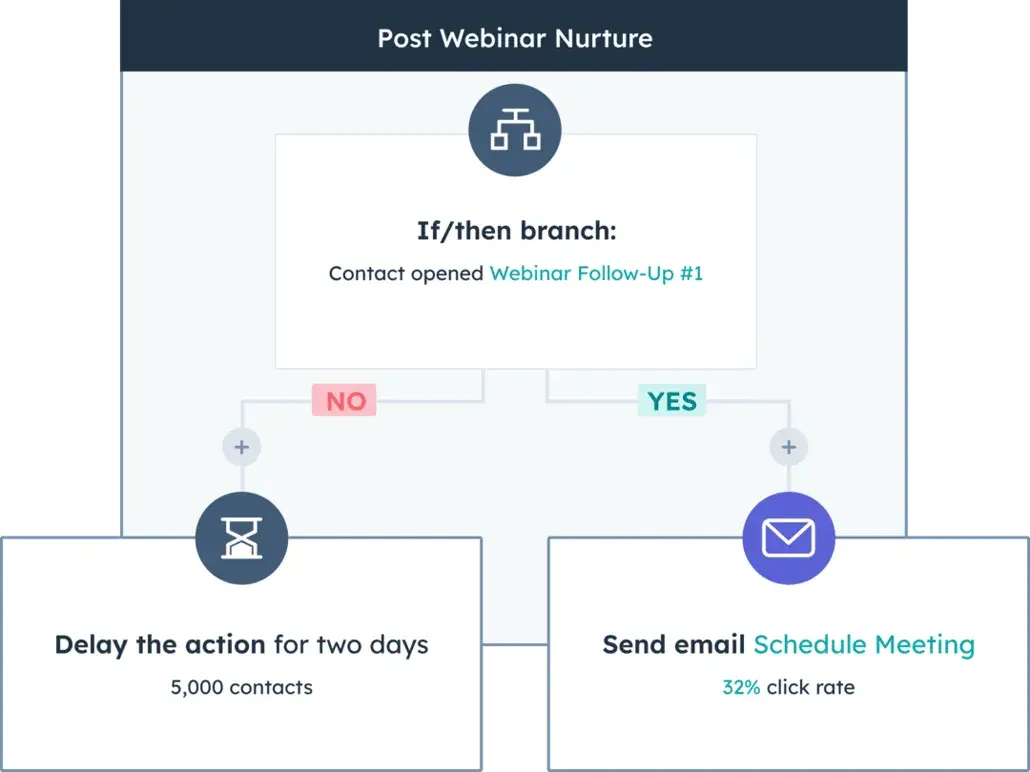
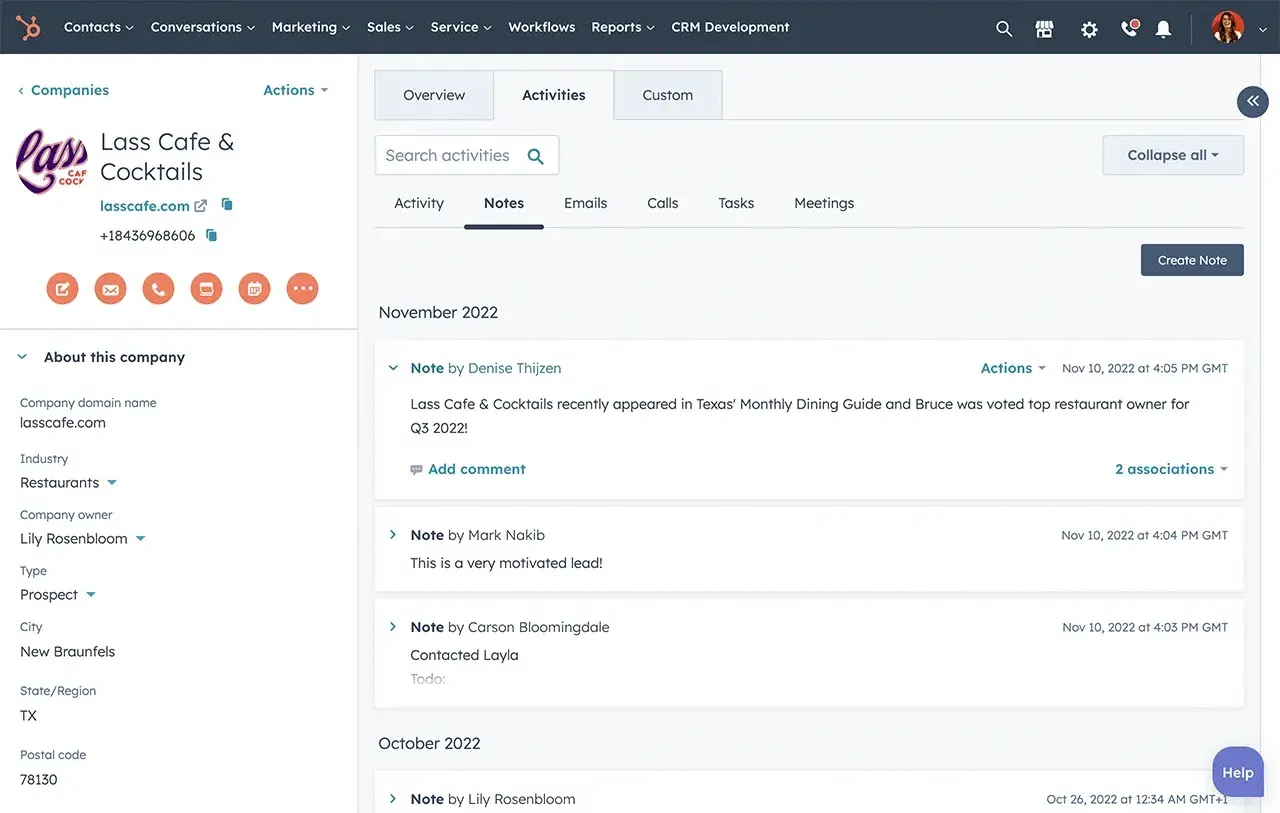
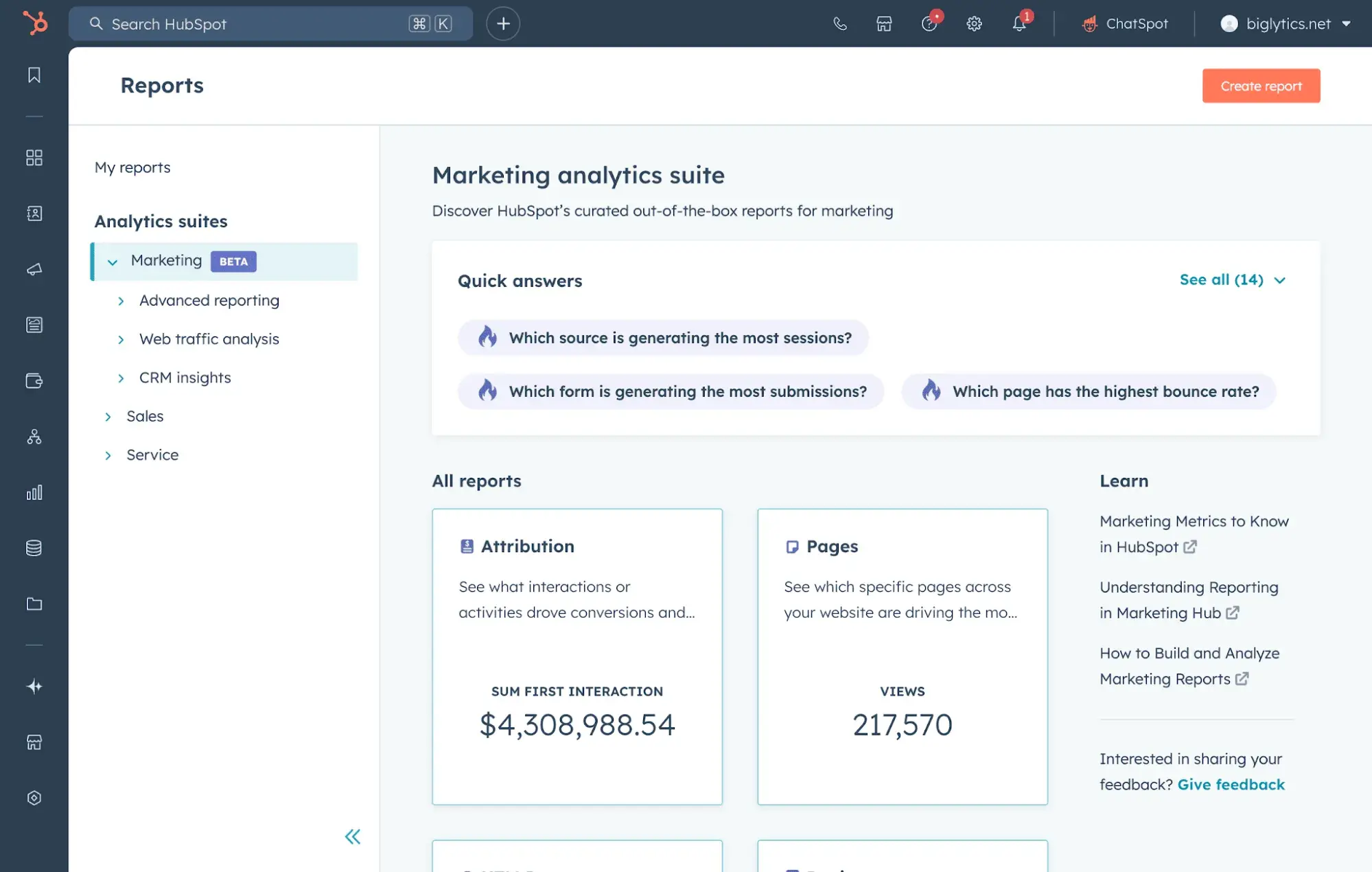
HubSpot has emerged as the most common destination for businesses migrating from Pardot, largely due to its architectural similarities with Pardot’s connector model but offering significantly more integrated functionality. HubSpot Marketing Automation excels at building multi-step B2B nurture workflows triggered by behavior, lifecycle stage, or CRM data. Its primary appeal lies in its "all-in-one" platform approach, designed to consolidate data under a single roof with HubSpot’s Smart CRM. This alleviates the pain points of siloed design and clunky features often associated with Pardot. Teams can either replace Salesforce CRM with HubSpot CRM or utilize a robust native two-way sync to keep contacts, companies, deals, and activity history aligned across both platforms.
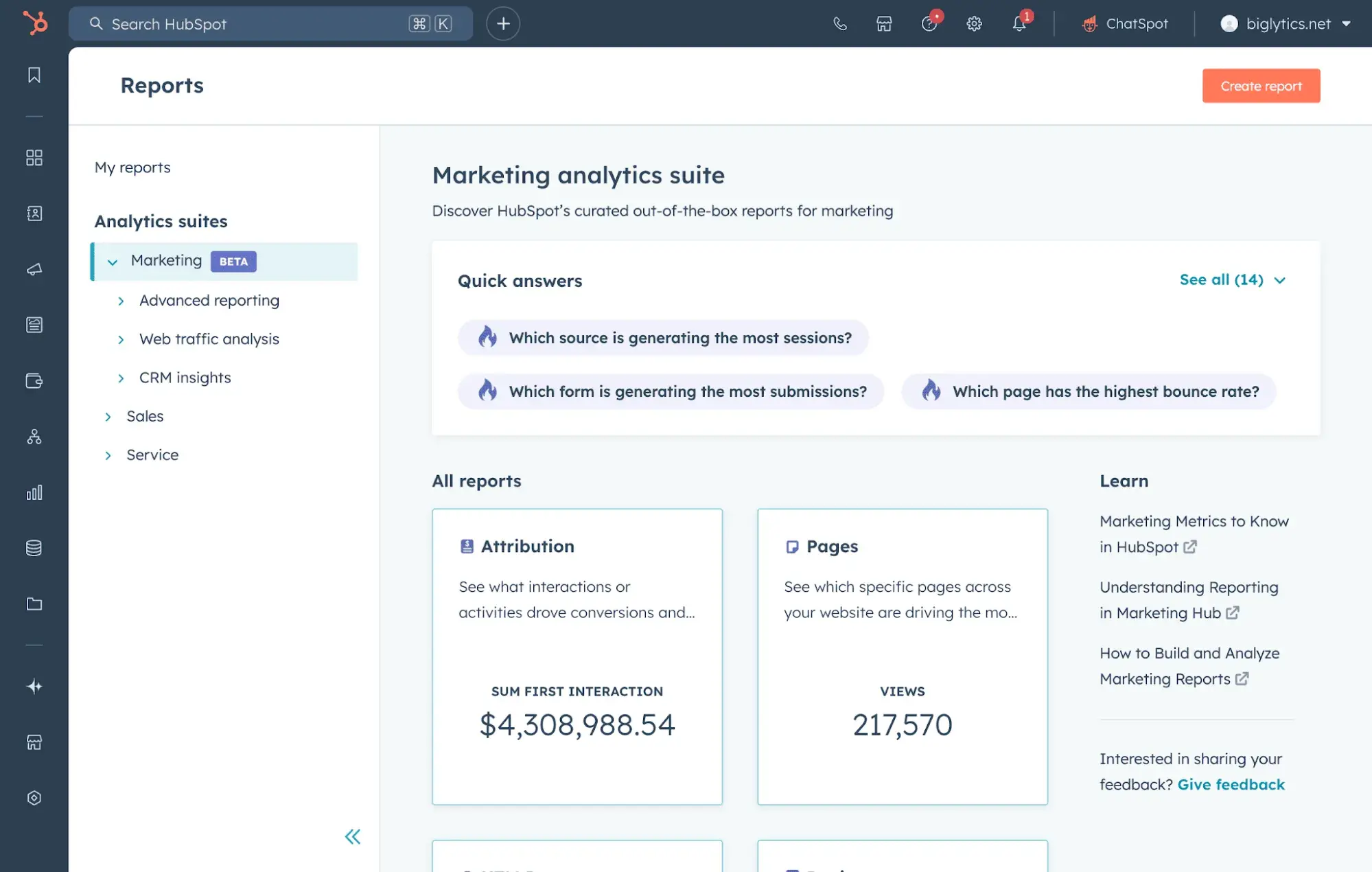
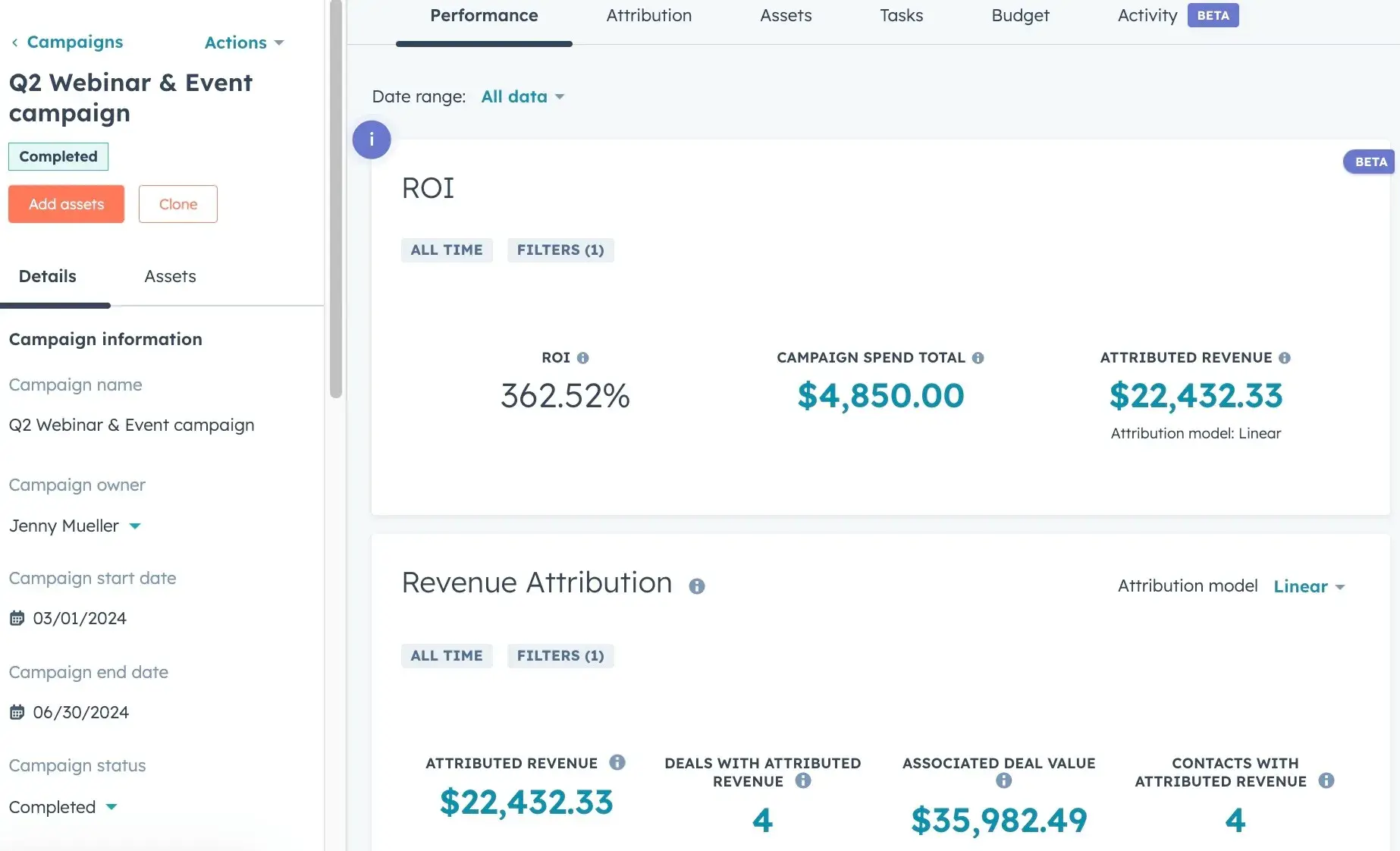
HubSpot’s strengths include its user-friendly, modern interface, intuitive drag-and-drop email and campaign builders that enable rapid iteration without developer dependency, and comprehensive marketing automation tools for testing and scaling campaigns. Its campaign dashboards provide clear ROI, campaign spend, and attributed revenue metrics, addressing a key pain point for Pardot users. Users consistently praise its ease of use, email marketing capabilities, and intuitive design, though some note a learning curve for advanced features. Pricing includes a free plan for up to two users, with paid plans starting at $10/month/seat, scaling based on features and contact count.
2. Salesforce Marketing Cloud Next: The Internal Succession Plan
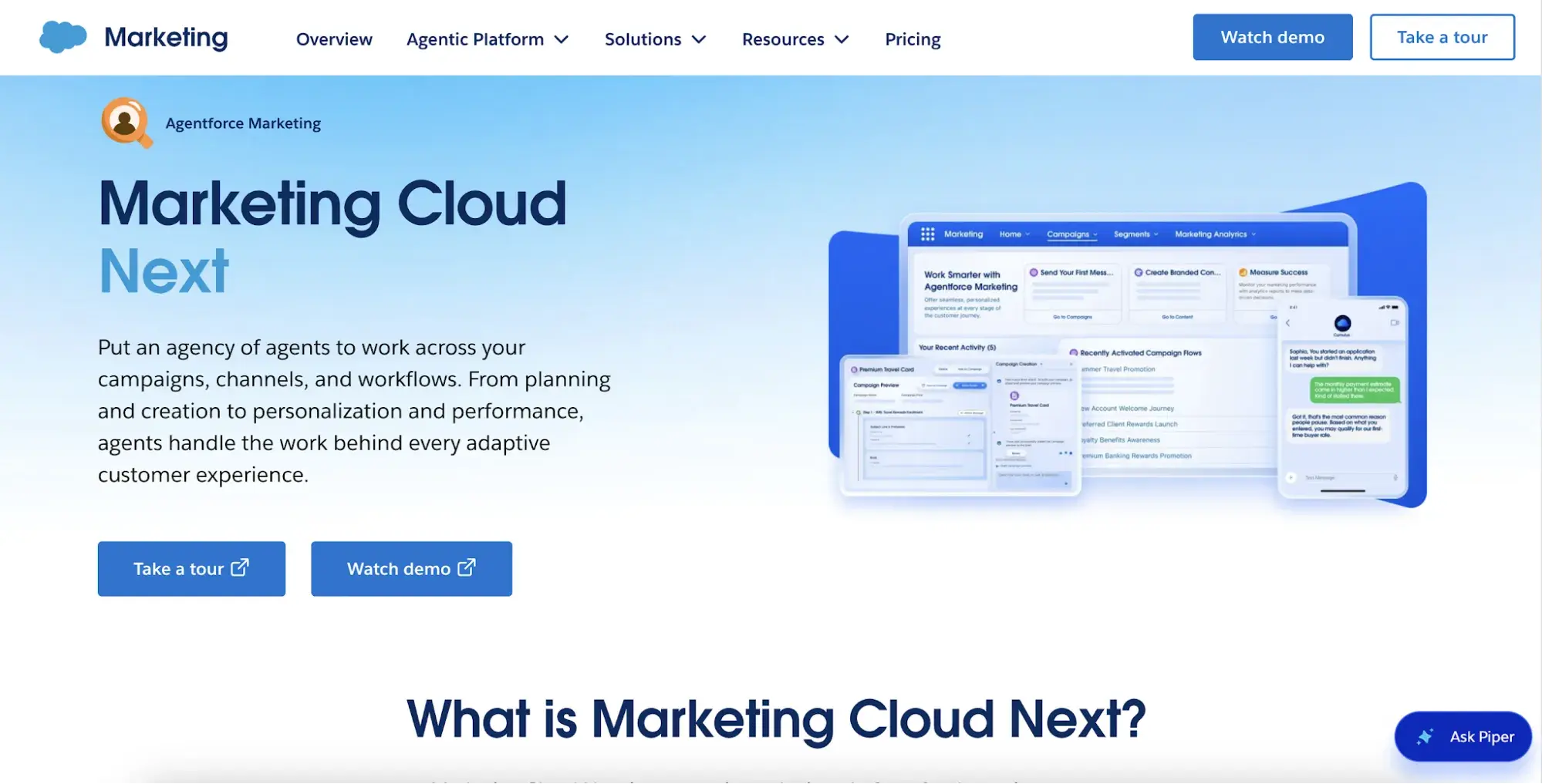
Salesforce Marketing Cloud Next represents Salesforce’s strategic future for marketing automation, built natively on Data Cloud. This eliminates the need for separate system syncing, directly addressing the data silo issue inherent to Pardot. It’s the logical choice for large enterprises deeply ingrained in the Salesforce ecosystem, already utilizing other Salesforce tools like Data Cloud or Agentforce (the rebranded Marketing Cloud platform for customer service).
However, Marketing Cloud Next is a massive and expensive tool, often prompting a "wider tech review" rather than a blind migration. Its complexity and cost mean it’s not a direct, like-for-like replacement for Pardot for all businesses. While it offers deep integration within the Salesforce universe, its learning curve and complexity can be significant. Pricing for the Growth Edition starts at $1,500/organization/month, targeting larger enterprises with substantial budgets and complex needs who prioritize staying within the Salesforce platform.
3. Adobe Marketo Engage: The Enterprise Powerhouse
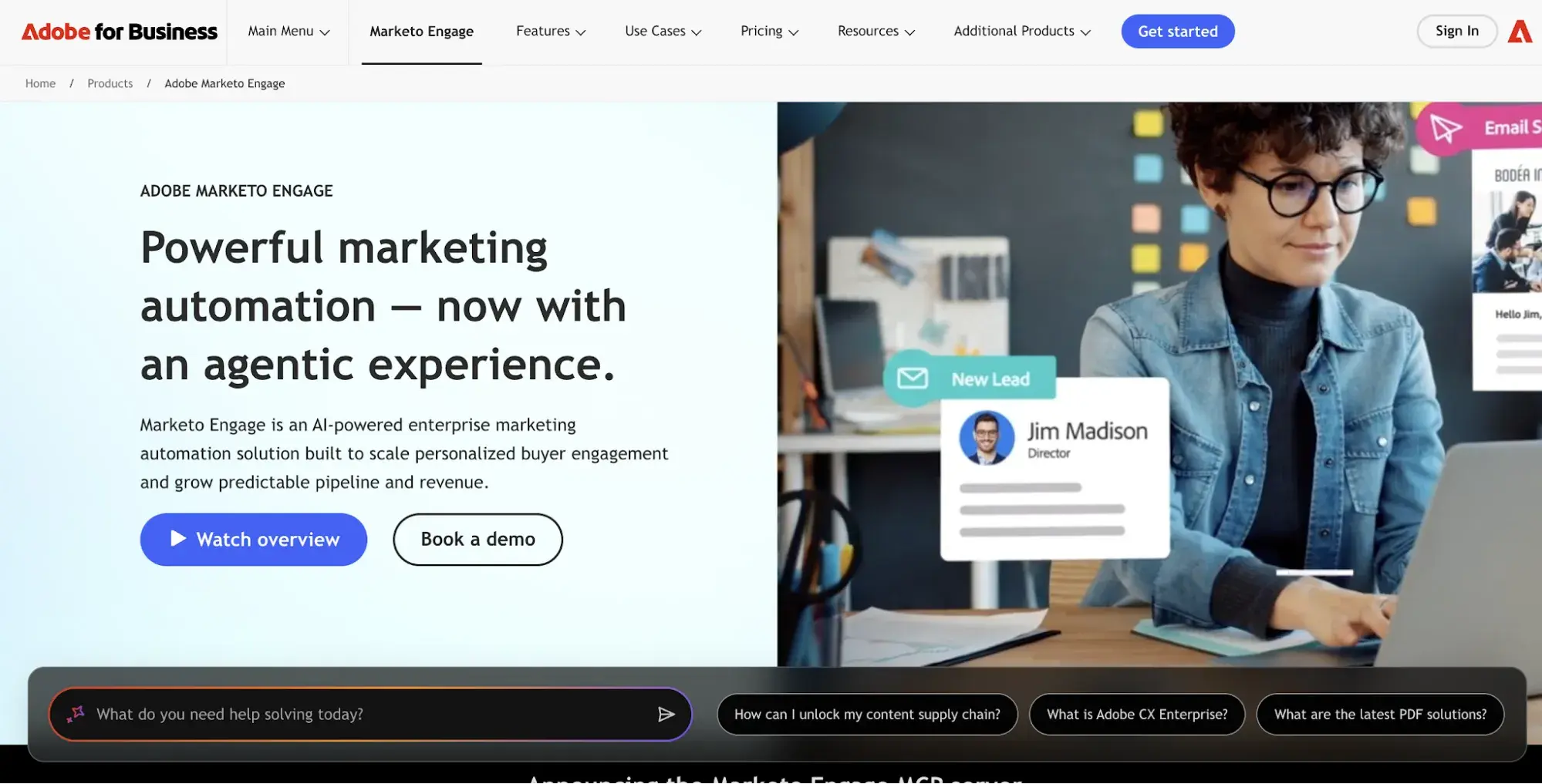
Marketo Engage is a robust enterprise marketing automation software suitable for companies that have outgrown Pardot and require sophisticated functionalities. It offers a native two-way Salesforce sync for teams wishing to retain their Salesforce CRM. Marketo is known for prioritizing features over ease of use, making it ideal for complex teams with the resources and time to invest in extensive setup and customization.
Key features include advanced lead management, multi-channel campaign orchestration, and a notable AI "conversational interface" that allows teams to write and test code directly within the platform, reducing reliance on developers. While users commend its automation capabilities, the platform’s complexity, learning curve, and unintuitive design are frequently cited drawbacks. Adobe does not publicly disclose Marketo’s pricing, requiring a direct consultation for estimates, signaling its enterprise focus and customized solutions.
4. ActiveCampaign: AI-Forward for Simplicity
ActiveCampaign positions itself as an AI-forward marketing automation platform that includes a lightweight CRM, making it an attractive option for smaller teams seeking simplicity over Pardot’s complexity. It offers multi-channel automation and a native two-way Salesforce sync, providing flexibility for CRM choice. Its "active intelligence" feature allows users to prompt the AI using spoken language, a significant departure from code-heavy designs.
Users praise ActiveCampaign for its ease of use and automation capabilities. However, common complaints include a learning curve for more advanced features and limitations in reporting. Pricing starts at $15/month but scales quickly with contact count, which can become a significant concern for rapidly growing businesses or those experiencing price increases for existing customers.
5. Zoho Marketing Automation: The Budget-Friendly Contender
Zoho Marketing Automation provides a budget-friendly alternative that syncs natively with Zoho’s own CRM and across various marketing channels. It leverages customer data for lead scoring, campaign generation, and personalized outreach. While less robust than some other platforms, it’s a solid option for small businesses with straightforward data needs and those looking to move entirely away from the Salesforce ecosystem.
The platform is lauded for its marketing automation solutions, though customer service and reporting issues are sometimes reported. Zoho offers plans starting at $19/month for 1,000 contacts, making it an accessible choice for businesses prioritizing cost-effectiveness and a unified platform within the Zoho suite. It offers a compelling option for those ready to decouple from Salesforce completely, rather than retaining Salesforce as their CRM.
Navigating a Successful Migration: Expert Guidance
Migrating from a complex marketing automation platform like Pardot is a significant undertaking that, if not managed carefully, can introduce substantial risks. A low-risk migration strategy demands meticulous planning, encompassing data mapping, workflow translation, rigorous quality assurance (QA), and a phased rollout.
Tom Ryan emphasizes that underestimating the "translation factor" is one of the most common mistakes. For instance, campaign attribution modeling varies significantly across platforms. "A Salesforce campaign is a completely different object from a HubSpot campaign," Ryan explains, highlighting the need for careful translation. Companies must consider strategic questions about where campaign attribution modeling will reside and operate across systems, and whether existing Salesforce hierarchies are worth preserving. The goal is not just to move data, but to ensure that the logic and insights derived from that data are accurately replicated and enhanced in the new environment.
Ryan organizes migration priorities into three crucial buckets:
- Data: Ensuring all historical and current customer data is accurately mapped and transferred. This includes contacts, companies, activities, and custom fields.
- Automations: Rebuilding and optimizing existing Pardot Engagement Studios and other automation rules in the new platform. This is a critical opportunity to refine workflows based on past learnings.
- Reporting: Establishing robust reporting capabilities in the new system to capture the necessary metrics for performance analysis and strategic decision-making, addressing the reporting limitations often experienced in Pardot.
While a rapid Pardot migration can be achieved in as little as one month with dedicated resources and expert guidance, a typical migration generally takes 2-3 months. This timeline accounts for the intricacies of data porting, workflow recreation, and comprehensive testing.
Addressing Key Migration Concerns
Several common questions arise during the consideration of a Pardot migration:
- Is Pardot part of Salesforce? Yes, Pardot is a Salesforce product, rebranded as Marketing Cloud Account Engagement in 2022.
- Will we lose our lead scoring and ABM models? Both lead scoring and ABM models will need to be rebuilt in the new platform. Pardot’s out-of-the-box scoring models do not directly transfer. However, existing scores and grades can be retained for segmentation purposes, and the migration serves as an excellent opportunity to refine and rebuild these models with insights gained from the Pardot experience. Similarly, Engagement Studios and automations for ABM do not port directly, requiring careful tracking of prospect journeys to ensure continuity in the new system.
- Can we keep Salesforce for sales but switch off Pardot? Absolutely. Pardot is billed as a distinct line item within Salesforce, allowing businesses to retain their Salesforce CRM, Sales Cloud, and other Salesforce products while transitioning to a separate marketing automation tool.
- What’s the best way to budget for the first year on a new platform? Budgeting should include the platform’s list price at current usage, plus an allowance for expected growth in seats and contacts, as price tiers often escalate significantly with increased usage. Additionally, factor in mandatory onboarding and implementation fees that some platforms charge in the first year.
Broader Implications for B2B Marketing
The ongoing shift away from Pardot underscores a broader imperative for B2B organizations: the continuous review and modernization of their technology stacks. In a marketing landscape defined by rapid innovation, agility, and data-driven insights, reliance on platforms perceived as stagnant can severely impede competitive advantage. The trend highlights the growing demand for unified platforms that seamlessly integrate CRM, marketing automation, sales, and service, providing a 360-degree view of the customer.
The rise of AI and advanced analytics is no longer a futuristic concept but a present-day requirement, driving the need for tools that can leverage these capabilities effectively. For Salesforce, the exodus from Pardot represents a significant challenge and an opportunity to accelerate the adoption of Marketing Cloud Next and Data Cloud, solidifying its position in the evolving B2B market. For other platforms like HubSpot, Marketo, ActiveCampaign, and Zoho, it’s a chance to capture market share by offering compelling alternatives that meet the modern marketer’s demands for usability, integration, and cutting-edge features.
Ultimately, a business’s marketing effectiveness is inextricably linked to the quality and capabilities of its tools. When automation platforms fall behind the curve, it signals a critical moment to invest in solutions that are not only current but also poised for future innovation. The diverse array of Pardot alternatives available today offers B2B teams the flexibility to choose a platform that aligns with their budget, current needs, growth trajectory, and feature requirements, ensuring they remain competitive in an ever-accelerating marketing world.