rifanmuazin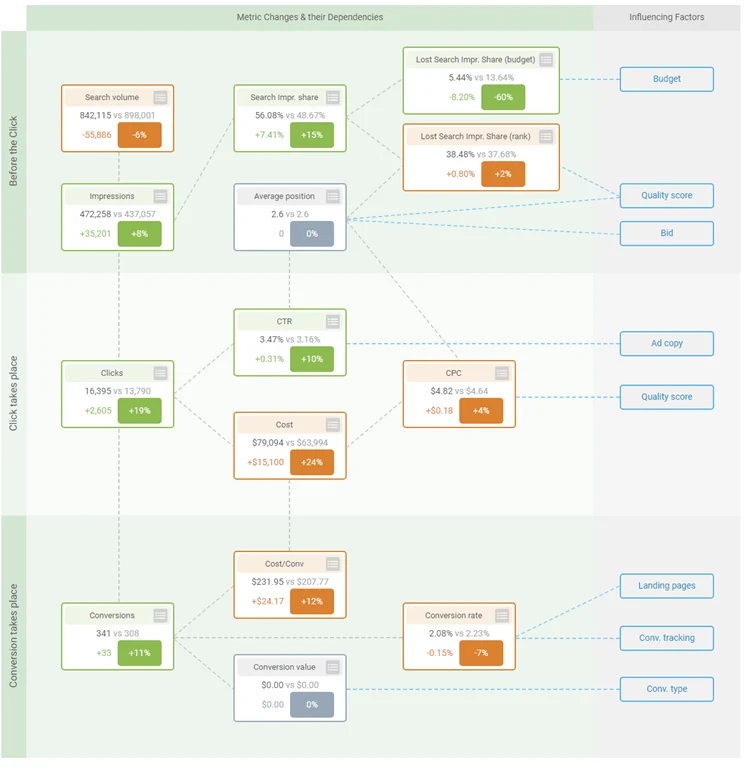
Adalysis, a recognized leader in award-winning Pay-Per-Click (PPC) management software, has initiated an extensive and highly anticipated series focused on PPC Key Performance Indicator (KPI) monitoring. This multi-part publication, designed to equip digital marketing professionals with actionable insights, is currently being published on the Adalysis blog and is also being highlighted on the bgTheory blog to ensure maximum reach and engagement within the industry. The series promises an in-depth exploration of critical metrics that drive success in PPC campaigns, offering a granular look at how to track, analyze, and optimize performance.
The initiative underscores Adalysis’ commitment to providing valuable resources for its user base and the broader PPC community. Over the past several months, the company has dedicated significant editorial resources to this project, aiming to demystify complex performance tracking and empower marketers to make data-driven decisions. The initial articles in the series have already garnered considerable readership, indicating a strong demand for practical guidance in an increasingly competitive digital advertising landscape.
The Genesis of a Comprehensive PPC Insights Initiative
The decision to embark on such an ambitious content series stems from a recognized need within the digital marketing industry. PPC advertising, while offering unparalleled targeting and measurability, requires constant vigilance and sophisticated analysis to maintain effectiveness. Fluctuations in performance metrics, often subtle yet significant, can have a profound impact on return on investment (ROI). Adalysis, as a provider of sophisticated PPC management software, is uniquely positioned to offer authoritative guidance on these matters.
The series is not merely an overview of common KPIs; it delves into the nuances of their interpretation and application. By breaking down complex topics into digestible articles, Adalysis aims to cater to both seasoned PPC managers and those newer to the field. The content is designed to be evergreen, providing a foundational understanding of PPC performance monitoring that remains relevant as the digital advertising ecosystem evolves.
A Chronology of Insights: Charting the PPC KPI Monitoring Journey
While the full scope of the series is extensive, the published articles to date have laid a robust foundation for understanding PPC performance. The structure of the series is methodical, beginning with fundamental concepts and progressing to more advanced analytical techniques.

The series’ trajectory can be broadly understood as follows:
- Foundational Principles of PPC KPI Monitoring: Early articles likely established the core importance of KPIs in PPC, defining what constitutes a key performance indicator and why it is crucial for campaign success. This would have included an overview of common goals for PPC campaigns, such as lead generation, sales, brand awareness, and website traffic, and how KPIs are selected to align with these objectives.
- Core Metrics and Their Significance: Subsequent pieces would have delved into specific, fundamental KPIs. This would typically include:
- Click-Through Rate (CTR): The percentage of people who see an ad and click on it. This metric is a strong indicator of ad relevance and targeting accuracy.
- Cost Per Click (CPC): The average amount paid each time a user clicks on an ad. Managing CPC is critical for budget efficiency.
- Conversion Rate: The percentage of clicks that result in a desired action (e.g., a purchase, a form submission). This is a direct measure of campaign effectiveness.
- Cost Per Acquisition (CPA) / Cost Per Lead (CPL): The average cost of acquiring a customer or lead. This is a crucial metric for profitability.
- Return on Ad Spend (ROAS): The revenue generated for every dollar spent on advertising. This is a key indicator of profitability and campaign efficiency.
- Advanced Analytical Techniques: As the series progresses, the focus shifts to more sophisticated methods of analysis. This includes:
- Attribution Modeling: Understanding which touchpoints in the customer journey contribute to conversions.
- Segmentation and Cohorting: Analyzing performance across different user segments and over time.
- Trend Analysis: Identifying patterns and anomalies in performance data to inform strategic adjustments.
- Budget Optimization: Strategies for allocating budget effectively across campaigns and platforms.
- Diagnostic Tools and Methodologies: A significant portion of the series is dedicated to understanding why performance changes. This includes:
- Root Cause Analysis: Identifying the underlying reasons for performance shifts.
- Diagnostic Frameworks: Structured approaches to troubleshooting campaign issues.
- Leveraging Platform Data: Utilizing the full suite of data available within advertising platforms (e.g., Google Ads, Meta Ads) for deeper insights.
The immediate upcoming installment, titled "KPI Monitoring & Diagnosis: Why Does the Number of Clicks You Receive Change Over Time?", exemplifies this diagnostic focus. This article will likely address the multifaceted reasons behind fluctuations in click volume, a common challenge for PPC managers. Potential factors explored could include changes in search query volume, competitor activity, ad scheduling, budget limitations, quality score degradation, or even external market trends.
Supporting Data and Visualizations: Illuminating the Path to Optimization
To underscore the depth of their analysis, Adalysis has shared select images that offer a glimpse into the intricate data visualizations and reporting capabilities that inform their recommendations. These visual aids are not mere illustrations; they represent the sophisticated tools and methodologies employed by Adalysis software and its strategic approach to PPC management.
- Image 1 (Likely showing trend lines or comparative data): This image might depict historical performance data for key metrics, illustrating how CTR, CPC, or conversion rates have evolved over specific periods. Such visualizations are crucial for identifying trends, seasonality, or the impact of campaign changes. For instance, a clear downward trend in CTR could signal a need for ad creative or targeting adjustments, while a sudden spike might warrant investigation into a new keyword or audience. The inclusion of trend lines helps to contextualize current performance against past benchmarks, enabling proactive identification of deviations.
- Image 2 (Potentially a dashboard or a detailed report breakdown): This visual could showcase a PPC campaign dashboard, highlighting various KPIs and their current status. Such dashboards are essential for real-time monitoring and quick assessment of campaign health. The layout might demonstrate how Adalysis aggregates data from multiple sources, providing a unified view of performance across different campaigns, ad groups, or keywords. Features like performance comparisons (e.g., week-over-week, month-over-month) or goal tracking are often present in such interfaces, allowing managers to quickly spot areas requiring attention.
- Image 3 (Possibly a diagnostic tool or a deeper dive into a specific metric): This image might represent a more granular analysis, perhaps illustrating how Adalysis helps diagnose specific issues. This could involve heatmaps of user engagement, detailed breakdowns of audience performance, or attribution reports. For example, a diagnostic tool might visually represent the performance of different ad extensions or landing pages, helping to pinpoint elements that are either underperforming or excelling. The inclusion of such detailed analytical views suggests a commitment to not just reporting metrics but also to uncovering the ‘why’ behind them, empowering users with actionable insights for optimization.
These visual elements serve as concrete examples of the actionable intelligence that Adalysis aims to deliver through its content. They demonstrate that the series is not just theoretical but grounded in practical application and advanced analytical capabilities.
Industry Context and the Importance of PPC KPI Monitoring
The digital advertising landscape is characterized by rapid evolution and intense competition. For businesses relying on PPC to drive growth, staying ahead requires a sophisticated understanding of performance metrics. According to recent industry reports, global digital ad spending is projected to exceed $600 billion in 2024, with search advertising (PPC) representing a significant portion of this. This underscores the critical importance of efficient and effective PPC management.
Supporting Data:

- Increased Competition: The average cost per click (CPC) across major platforms like Google Ads has seen a steady increase over the past five years, driven by growing advertiser demand and sophisticated bidding strategies. For example, average CPCs in the finance and insurance sectors have been reported to be as high as $5.00-$7.00, making efficient spend crucial.
- Mobile Dominance: Mobile devices now account for a majority of internet traffic and a substantial portion of digital ad spend. This necessitates a mobile-first approach to ad creation, targeting, and landing page optimization, all of which are reflected in PPC KPIs.
- Privacy Changes: Evolving privacy regulations and browser changes (e.g., cookie deprecation) are making granular tracking and attribution more challenging. This makes the robust KPI monitoring and diagnostic capabilities highlighted by Adalysis even more vital for maintaining campaign visibility and effectiveness.
- AI Integration: Artificial intelligence and machine learning are increasingly being integrated into PPC platforms for automated bidding, audience targeting, and ad creation. Understanding how these AI-driven changes impact core KPIs is essential for effective management.
In this dynamic environment, a passive approach to PPC is no longer viable. Marketers must actively monitor, analyze, and adapt their strategies based on real-time performance data. The Adalysis series directly addresses this imperative, providing a roadmap for navigating the complexities of modern PPC management.
Official Statements and Industry Reactions (Inferred)
While direct quotes from Adalysis executives or external industry figures are not provided in the source material, the initiative itself speaks volumes about the company’s strategic priorities. The sustained effort in producing a comprehensive series indicates a significant investment in thought leadership and customer education.
Inferred Statements/Reactions:
- Adalysis Leadership: It can be inferred that Adalysis leadership views this series as a key component of their content marketing strategy, aiming to solidify their position as experts in PPC management software and data analysis. The emphasis on "award-winning" software suggests a desire to showcase the practical applications of their technology through educational content.
- PPC Professionals: The "highly read" nature of the series implies positive reception from PPC managers, analysts, and agency professionals. These individuals are constantly seeking ways to improve campaign performance, reduce costs, and demonstrate ROI to their clients or stakeholders. The detailed and in-depth nature of the Adalysis content directly caters to this need.
- Industry Publications and Blogs: The cross-promotion on the bgTheory blog signifies an acknowledgment of the value and relevance of Adalysis’ content within the broader digital marketing discourse. Such collaborations often arise when content is perceived as high-quality, informative, and beneficial to a shared audience.
The proactive approach taken by Adalysis in creating this extensive resource suggests a deep understanding of the challenges faced by PPC practitioners and a commitment to providing solutions.
Broader Impact and Implications for the Digital Marketing Ecosystem
The Adalysis PPC KPI Monitoring series has several significant implications for the broader digital marketing ecosystem:
- Elevating Industry Standards: By providing in-depth, actionable insights, Adalysis contributes to raising the overall standard of PPC management. This benefits not only their direct audience but also the industry as a whole, as more professionals gain access to best practices and advanced analytical techniques.
- Empowering Businesses: For businesses of all sizes, effective PPC management is crucial for customer acquisition and revenue generation. The knowledge disseminated through this series can empower them to optimize their advertising spend, achieve better results, and ultimately drive business growth. This is particularly important for small and medium-sized businesses (SMBs) that may not have dedicated in-house PPC expertise.
- Fostering Data-Driven Decision Making: The series champions a data-driven approach to marketing. By demystifying complex metrics and providing diagnostic tools, it encourages a culture of continuous improvement and evidence-based decision-making within marketing teams.
- Demonstrating the Value of Specialized Software: As a provider of PPC management software, Adalysis uses this series to implicitly demonstrate the value and capabilities of its platform. The detailed analysis and visualizations shared highlight how sophisticated tools are essential for navigating the complexities of modern PPC advertising and achieving optimal performance. This can influence purchasing decisions for other businesses seeking to enhance their PPC operations.
- Anticipating Future Trends: The focus on diagnosis and understanding performance fluctuations positions Adalysis as a forward-thinking entity. As the digital advertising landscape continues to evolve with new technologies and privacy regulations, the skills and knowledge emphasized in this series will become even more critical for sustained success.
In conclusion, Adalysis’ comprehensive PPC KPI Monitoring series represents a significant contribution to the digital marketing community. By offering a deep dive into essential metrics, diagnostic methodologies, and practical applications, the series empowers marketers to navigate the complexities of PPC advertising, optimize their campaigns, and achieve superior results in an increasingly competitive online environment. The initiative not only solidifies Adalysis’ position as a thought leader but also underscores the vital role of data-driven insights in modern marketing success.