rifanmuazin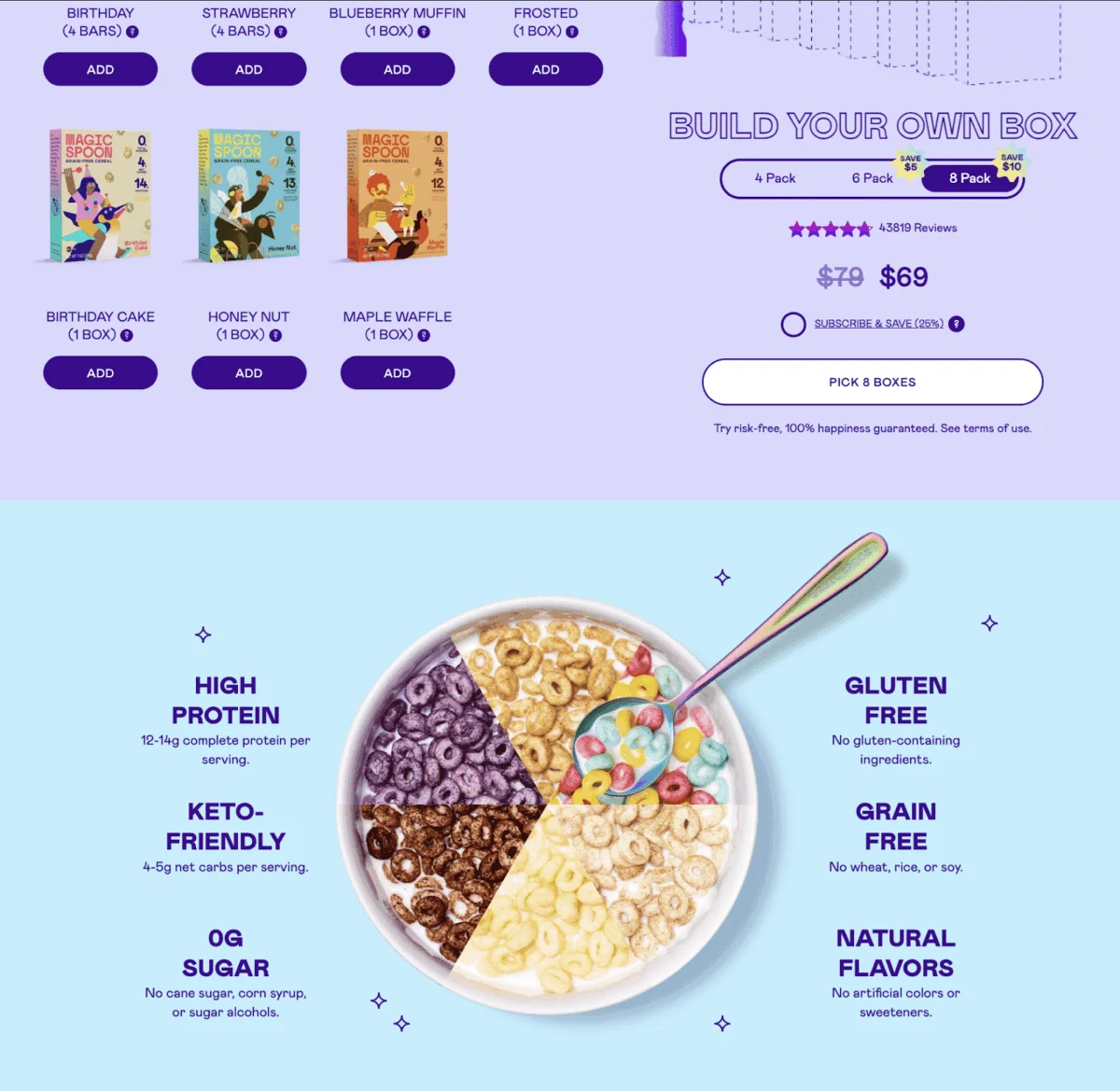
The architecture of digital retail is undergoing a significant transformation as e-commerce entities move beyond simple product listings toward highly optimized, user-centric category pages. In the competitive landscape of online shopping, the category page—often referred to as the "intermediary" or "listing" page—serves as a critical juncture in the consumer’s path to purchase. Industry data suggests that while homepages attract traffic and product pages facilitate the final "add to cart" action, category pages are the primary engine for product discovery and brand stickiness. A poorly designed category page characterized by slow load times, ineffective filters, or visual clutter can lead to immediate bounce rates, whereas a streamlined interface can significantly enhance Revenue per Visitor (RPV).
The Evolution of Digital Navigation and Consumer Expectations

Historically, e-commerce category pages were rudimentary directories, often mirroring the static shelves of a physical warehouse. However, as global e-commerce sales reached an estimated $5.8 trillion in 2023, the demand for sophisticated navigation has escalated. Modern consumers expect a seamless transition from search engines to specific product clusters. According to recent market analysis, the difference between a high-performing and low-performing category page often hinges on the reduction of "cognitive load"—the amount of mental effort required for a user to process information. When a shopper is presented with hundreds of unorganized options, "choice paralysis" sets in, frequently resulting in site abandonment.
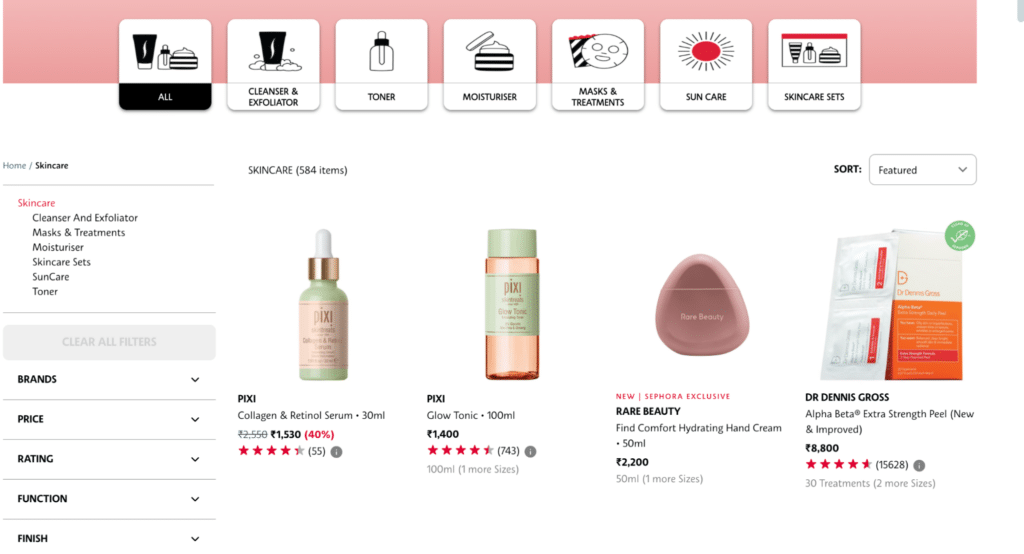
To combat this, leading retailers like Sephora and Glossier have redefined the category experience by focusing on visual clarity and intuitive taxonomy. By organizing products into logical hierarchies and utilizing high-quality imagery, these brands have set a benchmark for the industry. The strategic objective is no longer just to list items but to guide the user through a curated journey that balances information density with aesthetic appeal.
Phase I: Defining Strategic Objectives and Audience Segmentation
The foundation of an effective category page lies in the rigorous definition of business and user objectives. Retailers must move beyond generic goals and instead focus on measurable Key Performance Indicators (KPIs). Expert digital strategists emphasize that a category page must serve two masters: the user’s intent and the business’s bottom line.
Identifying target audience needs involves a multi-pronged approach:
- Behavioral Analysis: Utilizing tools to track how different demographics navigate the site.
- Search Intent Mapping: Aligning category titles with the specific terms users enter into search engines.
- Competitor Benchmarking: Analyzing how market leaders categorize similar inventory to meet established consumer mental models.
Once the audience is defined, measurable objectives must be established. These include reducing the Bounce Rate (the percentage of visitors who leave after viewing only one page), increasing the Click-Through Rate (CTR) to specific product pages, and optimizing the Conversion Rate. Furthermore, a critical metric for long-term growth is Revenue per Visitor. By integrating cross-selling and upselling opportunities directly into the category layout—such as "Best Sellers" or "Frequently Bought Together" banners—retailers can increase average order values before a customer even reaches a specific product page.
Phase II: Architectural Optimization and Visual Hierarchy
A well-structured category page functions as a digital storefront, and its layout is the most influential factor in user retention. Journalistic investigations into top-tier retail sites reveal a consistent pattern in successful layouts: the integration of clear headers, robust filtering systems, and high-fidelity product listings.
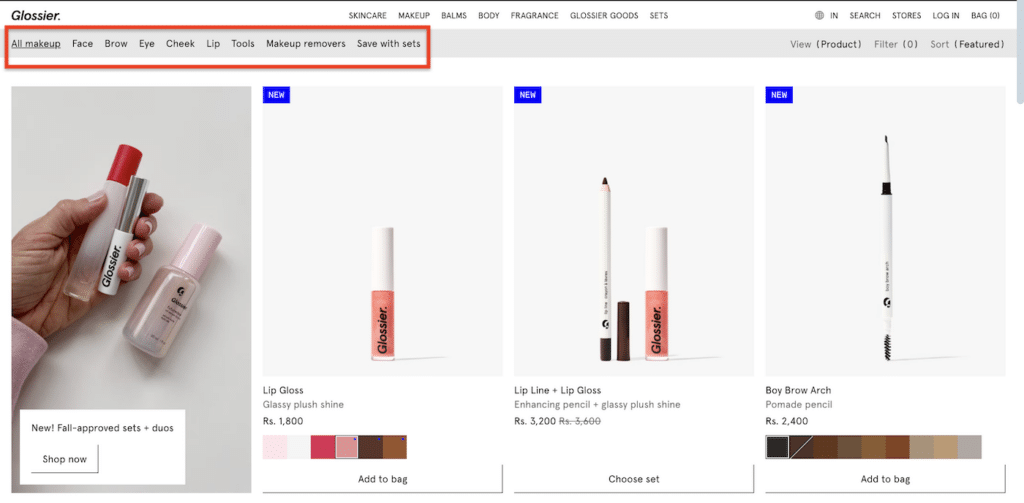
The header serves as the primary orientation point. A clear category title, such as "Face" or "Eyes" in the case of Glossier, provides immediate confirmation to the user that they are in the right place. Beyond navigation, these titles are essential for Search Engine Optimization (SEO), as they often align with high-volume search queries.
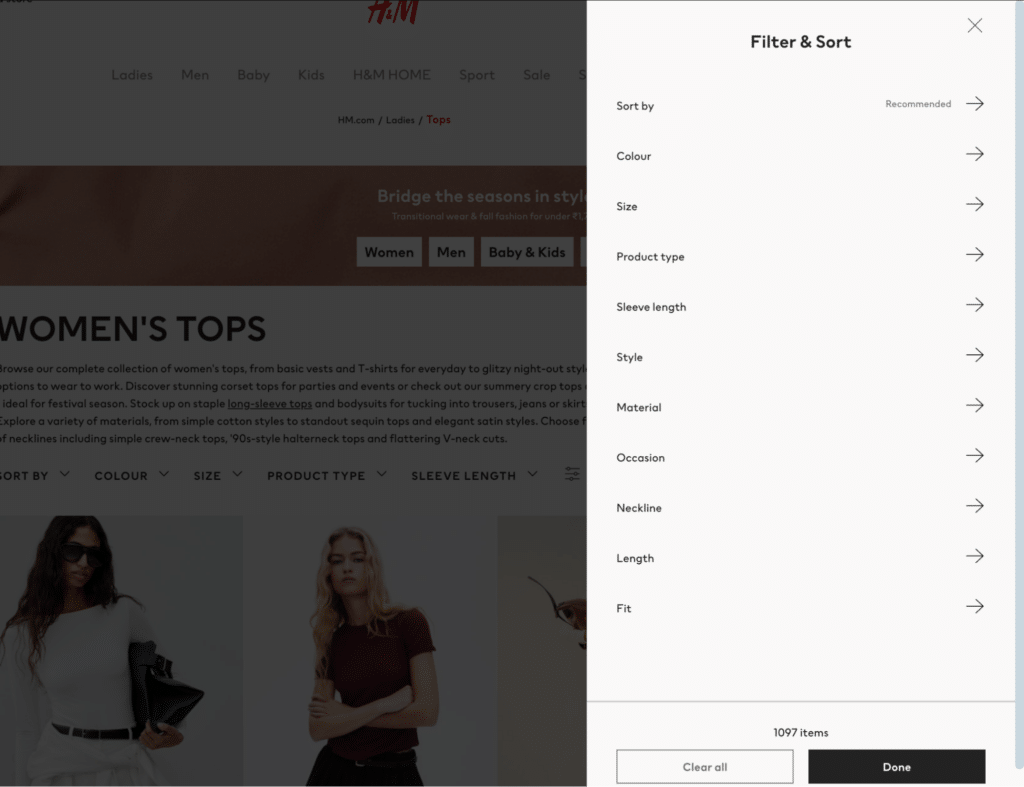
Faceted navigation and sorting options represent the next pillar of layout optimization. For retailers with extensive inventories, such as H&M, the ability to filter by size, color, price, material, and even neckline or sleeve length is indispensable. Technical analysis of user behavior shows that shoppers who utilize filters are significantly more likely to convert than those who browse aimlessly. This "bottom-up" approach to navigation allows the user to take control of the digital environment, tailoring it to their specific needs in real-time.
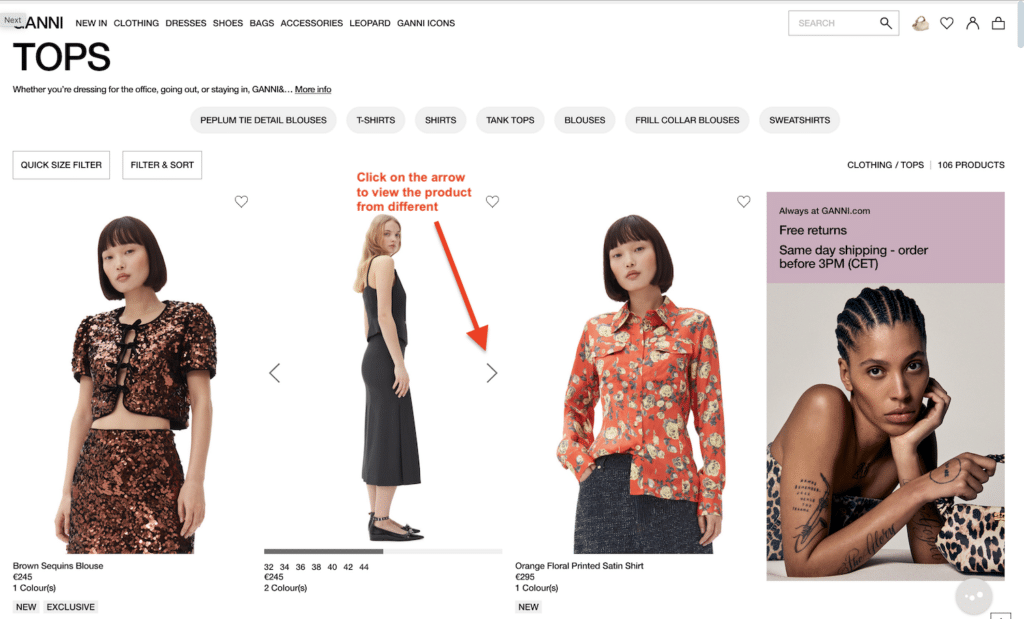
Product listings themselves must be treated as mini-advertisements. High-quality images with zoom functionality and "hover-to-reveal" alternate views are now standard requirements. Fashion brands like Ganni have mastered this by providing multiple angles directly on the category page, allowing users to assess the product without the need for additional clicks. This efficiency reduces friction and accelerates the transition to the checkout phase.
Phase III: The Mobile-First Imperative and Technical Performance
The chronology of e-commerce growth points toward an undeniable trend: the dominance of mobile commerce. Market projections indicate that by 2025, nearly 79% of all e-commerce sales will be conducted via mobile devices. This shift necessitates a "mobile-first" design philosophy. Unlike desktop interfaces, mobile category pages must contend with limited screen real estate and touch-based navigation.
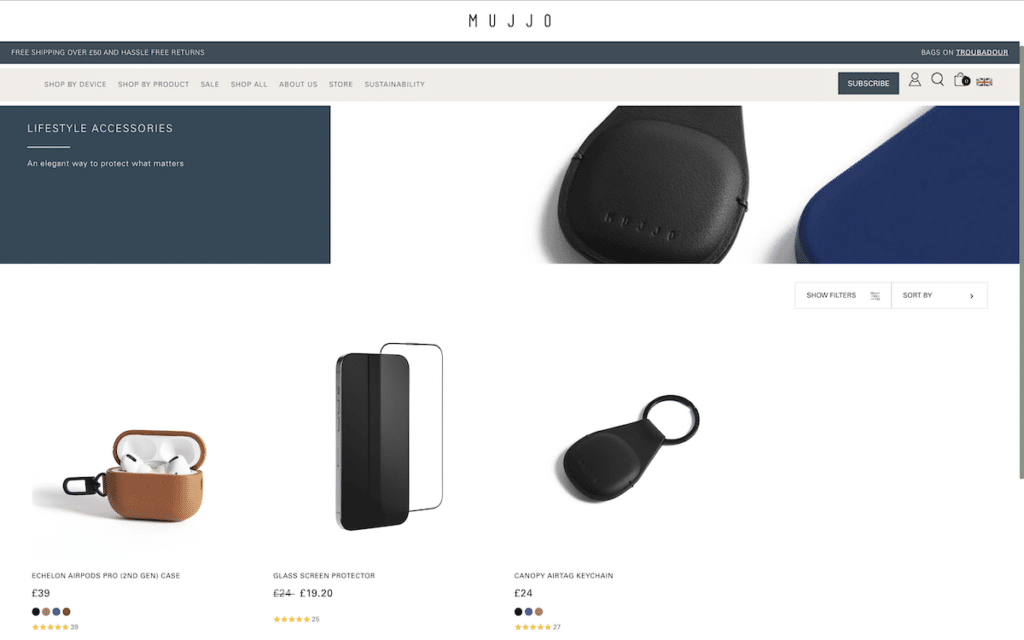
Successful mobile layouts prioritize the "thumb zone"—the area of the screen most easily reached by a user’s thumb. This involves using large, tappable buttons for Call-to-Action (CTA) prompts like "Add to Cart" or "Quick View." Furthermore, page load speed is a critical technical factor. Studies by Google have shown that a one-second delay in mobile load times can impact conversion rates by up to 20%. Minimalist designs, such as those employed by the Dutch brand Mujjo, utilize white space and optimized image assets to ensure that category pages remain responsive even on slower mobile networks.
Phase IV: Content Engagement and Psychological Triggers
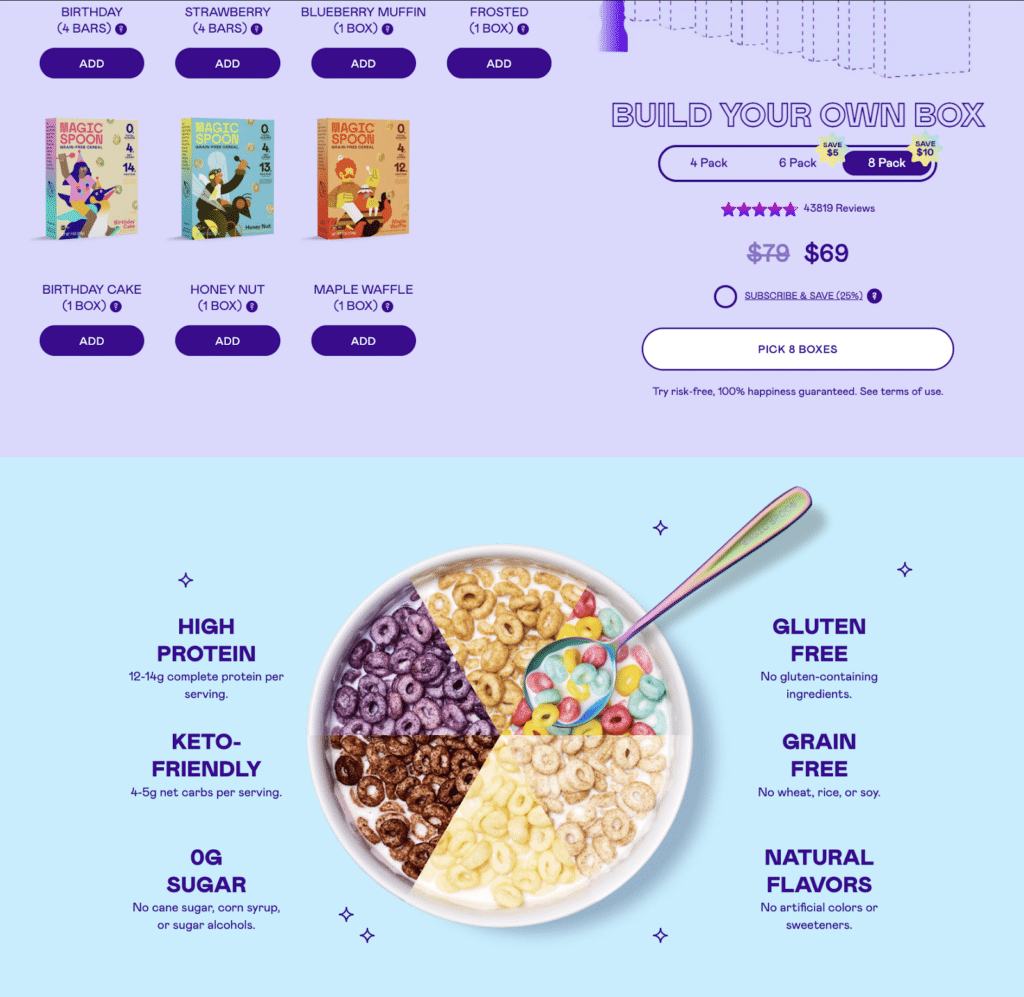
While layout provides the structure, content provides the persuasion. Engaging category pages utilize a blend of SEO-driven descriptions and promotional triggers to influence consumer behavior. Category descriptions should not be mere blocks of text; they must be written to assist both human readers and search engine crawlers. By incorporating relevant keywords like "keto-friendly" or "high-protein" (as seen with Magic Spoon), brands can improve their organic search rankings while simultaneously educating the consumer on product benefits.
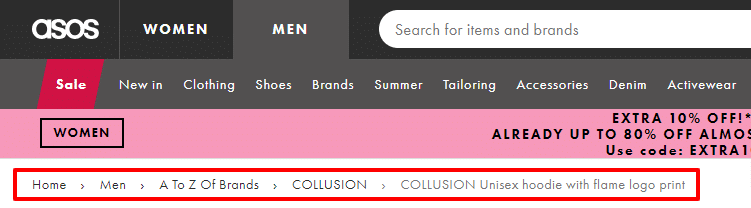
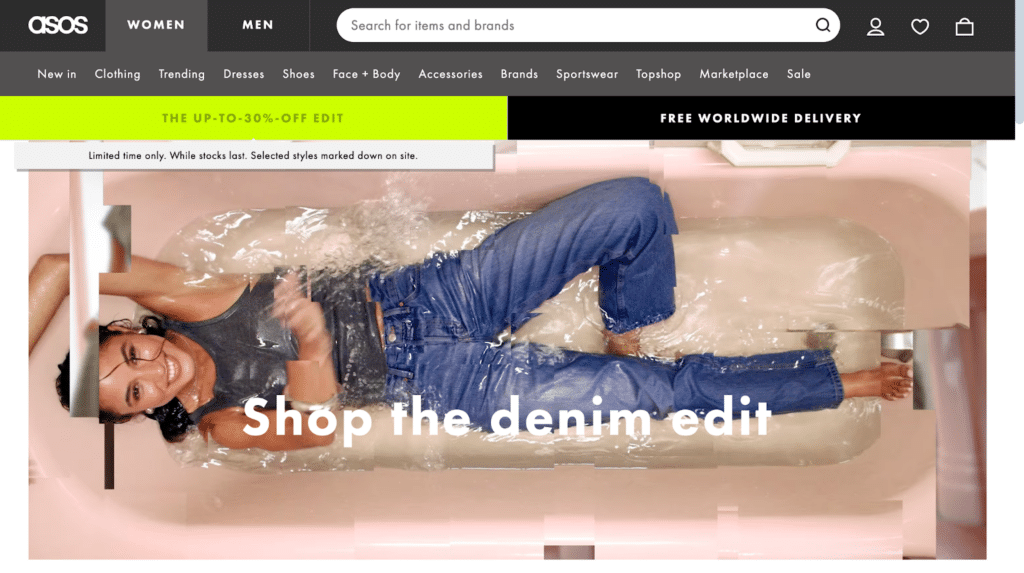
Promotions and scarcity tactics also play a vital role. ASOS, a leader in the fast-fashion space, strategically places limited-time offers and discount banners at the top of category pages. Phrases such as "30% off selected styles" or "Limited time only" create a sense of urgency. Additionally, highlighting "Free Worldwide Delivery" serves as a powerful incentive, removing a common psychological barrier to purchase—unexpected shipping costs.
Phase V: SEO Best Practices and Discoverability
For an e-commerce category page to be effective, it must first be discoverable. SEO best practices involve a comprehensive keyword strategy that targets both "head" terms (e.g., "shoes") and "long-tail" queries (e.g., "women’s comfortable running shoes"). Utilizing professional tools like SEMrush or Ahrefs, retailers can identify the specific language their customers use.
The technical execution of SEO on category pages includes:
- Title Tags and Meta Descriptions: These must be concise, persuasive, and under 160 characters to ensure they are not truncated in Search Engine Results Pages (SERPs).
- Internal Linking: Category pages should be linked from the main navigation and the homepage to distribute "link equity" across the site.
- Image Alt Text: Adding descriptive text to images helps search engines understand the content and improves accessibility for visually impaired users.
- Schema Markup: Implementing structured data allows search engines to display "rich snippets," such as price ranges or star ratings, directly in the search results, increasing the likelihood of clicks.
Phase VI: Continuous Analysis and the Iterative Design Process
The launch of a category page is not the end of the process, but the beginning of an iterative cycle of analysis and adjustment. In the modern data-driven economy, retailers rely on conversion optimization tools like FigPii to gain deep insights into user behavior. Heatmaps can reveal which areas of a category page receive the most attention, while session replays allow designers to see exactly where users encounter friction or confusion.
A/B testing remains the gold standard for optimization. By testing different variations of CTA buttons, filter placements, or image sizes, retailers can make evidence-based decisions that incrementally improve performance. For instance, testing a "Quick Add" button against a "View Details" button can reveal which approach leads to higher overall revenue.
Broader Impact and Future Implications
The optimization of e-commerce category pages has broader implications for the global retail landscape. As AI and machine learning become more integrated into e-commerce platforms, the next frontier will be "dynamic categorization." This involves using real-time data to rearrange product listings based on an individual user’s browsing history, purchase behavior, and even local weather conditions.
In conclusion, the category page is a high-stakes environment where design, technology, and psychology intersect. By defining clear objectives, optimizing for mobile, engaging users with high-quality content, and maintaining a rigorous SEO strategy, e-commerce businesses can transform these pages from simple lists into powerful engines for growth. As the digital marketplace continues to evolve, the ability to provide a smooth, intuitive, and efficient discovery experience will remain a primary differentiator for successful global brands.