rifanmuazin
In today’s hyper-competitive business landscape, where consumers are bombarded with a relentless stream of messages and choices, standing out is no longer a luxury—it’s a necessity. While product innovation and competitive pricing remain crucial, it is the intangible yet potent force of brand personality that increasingly distinguishes the successful from the forgotten. This intrinsic quality, much like human character, shapes how a brand is perceived, remembered, and ultimately, favored by its audience. For businesses, especially smaller enterprises operating with limited resources, cultivating a distinct brand personality can be a strategic equalizer, fostering deep customer loyalty and driving long-term growth.
Defining the Essence of Brand Personality
At its core, brand personality is the amalgamation of human qualities that a brand consistently projects through its visual identity, communication style, and overall behavior. It encompasses every element that contributes to a brand’s recognizability, relatability, and desirability. This carefully crafted persona acts as a guiding compass for all brand-related decisions, from the design of logos and marketing collateral to the nuances of customer service interactions. It subtly communicates what the brand stands for, creating a consistent and often emotional connection with its target audience.

It is vital to distinguish brand personality from brand voice. While closely related, they are not interchangeable. Brand personality defines the inherent character of the brand—whether it is perceived as confident, playful, sophisticated, or rebellious. Brand voice, on the other hand, is the specific manifestation of that personality in written and spoken communication. It is the tone, language, and style used to express the brand’s character. To illustrate, imagine a brand with a "playful" personality; its voice might be witty, informal, and use lighthearted slang. Conversely, a brand with a "sophisticated" personality would likely employ a more formal, eloquent, and measured tone.
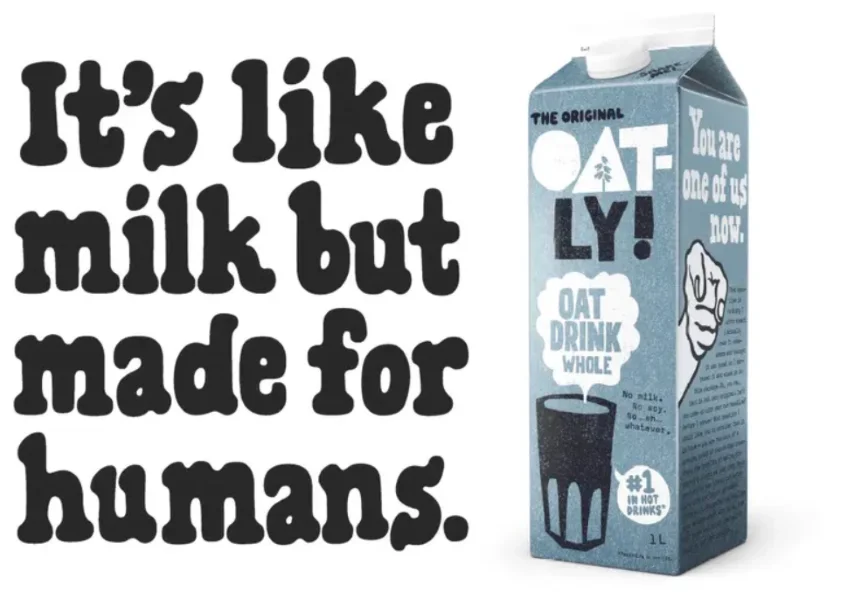
The impact of a well-defined brand personality is evident across various successful businesses. Consider Oatly, the oat milk company that has carved out a niche through its outspoken and somewhat rebellious persona. Their marketing campaigns often employ humor and blunt honesty, challenging conventional dairy industry norms and resonating with consumers who appreciate their candid approach. Similarly, Olipop, a modern beverage brand, exudes an optimistic and wellness-focused personality. Their friendly tone makes healthier choices feel accessible and appealing. Airbnb, a pioneer in the sharing economy, has cultivated a warm, human-centric personality centered on belonging and curiosity, encouraging travelers to immerse themselves in local cultures.

The Strategic Imperative of Brand Personality
The significance of brand personality extends far beyond mere aesthetics; it is a fundamental driver of customer engagement and market success. In a world saturated with similar products and services, it is often the brand’s personality that captures attention, lingers in memory, and evokes an emotional response, frequently preceding any consideration of the product itself. This emotional resonance allows brands to "live rent-free" in the minds of their target audience, establishing a preference that can be pivotal when a purchasing decision arises.
A strong brand personality quietly shapes how a company presents itself to the world, influencing perceptions and fostering a distinct presence. This presence can be a powerful differentiator, especially for smaller businesses aiming to compete with larger, more established players. With limited marketing budgets, a compelling brand personality can level the playing field by creating authentic connections that transcend price points. This is because an intentional brand personality makes a business more memorable and relevant to the very people it needs to influence, yielding an immeasurable return on investment.
Cultivating a Distinct Brand Personality: A Seven-Step Framework
Developing a robust brand personality requires a strategic and intentional approach, moving beyond superficial adjective selection. It is about making deliberate choices that authentically reflect the business’s core identity, its intended audience, and its desired long-term presence. The following framework provides a practical roadmap for this crucial process:
1. Grounding in Reality: Starting with Your Truth
The foundational step in building a brand personality is to look inward and identify what is inherently true about the business, rather than focusing solely on aspirational ideals. This involves a deep dive into the company’s origins, its core mission, the underlying values that guide decision-making, and the principles that would remain steadfast even without external observation. For many small businesses, the founder’s personality often naturally imbues the brand’s character. A strong brand personality, therefore, must be rooted in authenticity and lived experience, not merely a desired image. Examining the founding story and how values are demonstrably enacted provides a solid bedrock.

2. Understanding Audience Emotional Needs
Brand personality thrives in the dynamic interplay between a brand and its audience. To shape this personality effectively, it is imperative to understand not only the demographic and psychographic profiles of the target audience but also the emotional needs they seek to fulfill through their interactions with brands. Do they crave reassurance, a sense of momentum, belonging, confidence, or perhaps an escape from the mundane? By identifying these underlying emotional drivers, a brand can strategically align its personality to serve as an anchor, consistently resonating with its audience across all touchpoints. Pandora, the global jewelry brand, exemplifies this by positioning its customizable charm bracelets as a vehicle for personal storytelling. Their brand personality is romantic, personal, and emotionally expressive, prioritizing sentiment over status.
3. Defining Personality Traits with Precision
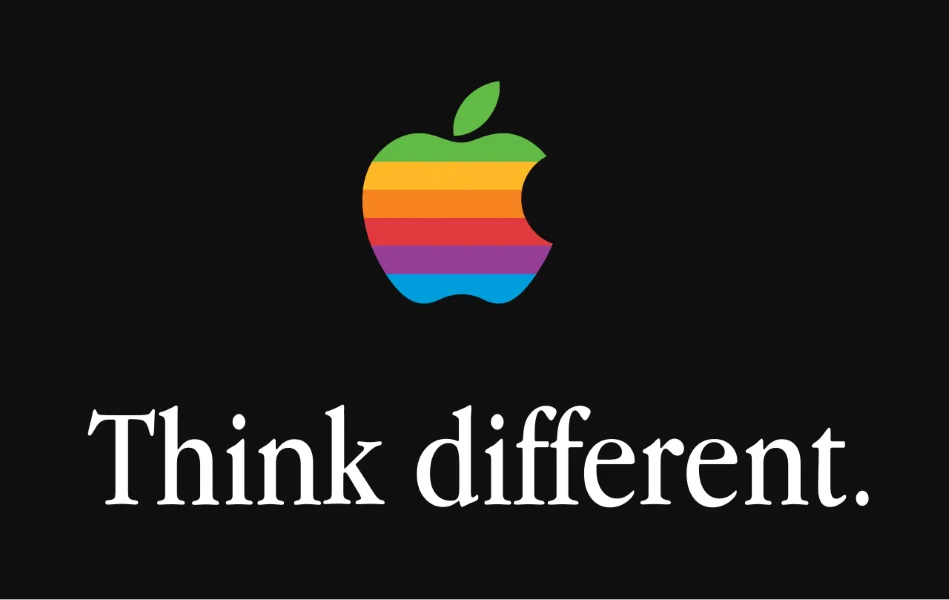
With a clear understanding of the brand’s truth and the audience’s emotional landscape, the next step is to define core personality traits. A concise set of three to five traits is typically sufficient, provided each is specific, meaningful, and actionable. The focus here should be on the perception the brand aims to evoke. For instance, "confident" might be more impactful than "professional," and "curious" can be more engaging than "innovative." Crucially, for each defined trait, it is essential to clarify its practical implications and, equally important, what it explicitly does not represent. This clarity prevents ambiguity and ensures consistent application of the personality. Apple’s iconic "Think Different" campaign, for example, perfectly encapsulated its brand essence: calm, confident, and precise, allowing its product quality to speak for itself.
4. Crafting a Personality Statement and Style Guide
The defined personality traits should be synthesized into a clear personality statement that encapsulates the brand’s essence in a few concise sentences. This statement serves as an accessible summary for all stakeholders. Complementing this is a comprehensive brand style guide, which translates these abstract traits into tangible, actionable directives. This guide should cover aspects such as voice and tone, visual elements, and provide clear examples of both desired and undesirable expressions of the brand personality. In the era of AI-driven marketing, establishing AI brand guidelines is also increasingly critical to ensure consistency across automated communications. This step transforms conceptual traits into a shared language and practical tools for everyday use.
5. Translating Personality into Tangible Behavior
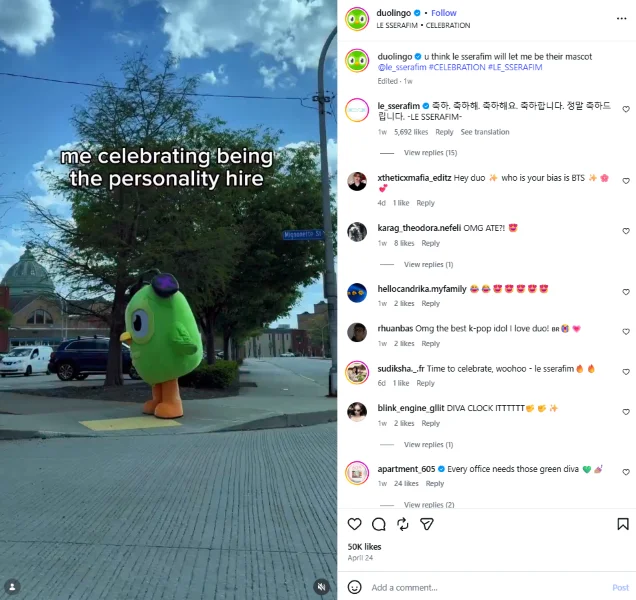
A brand personality is not merely a theoretical construct confined to documentation; its true value lies in its consistent embodiment in real-world actions. Many brands falter at this stage. The question must be asked: how does the brand personality influence everyday decisions? This includes everything from crafting headlines and designing packaging to handling customer complaints, onboarding new clients, and even deciding which opportunities to pursue or decline. If a brand’s personality is defined as "bold," where does this boldness manifest in practical scenarios? If "caring" is a core tenet, how does this translate when something goes wrong? The inability to identify these traits in everyday situations suggests that the brand personality may be more of a decorative label than an integrated operational principle. Duolingo’s mascot, Duo, the green owl, is a prime example of translating personality into behavior. Duo’s often chaotic and persistent antics reinforce the brand’s playful and relentless personality, which is consistently reflected in its notifications, social media posts, and product copy.
6. Empowering Employees as Brand Ambassadors
Employees are arguably the most powerful conduits of a brand’s personality, bringing it to life in direct conversations and daily interactions. This begins with ensuring they have a profound understanding of the brand’s character and how it should manifest in practice. When employees are empowered to make decisions through the lens of brand personality, they move beyond rote scripting and begin to exhibit genuine confidence and on-brand behavior. The ultimate goal is to transform every employee interaction into a consistently positive, on-brand experience, and to encourage employees to share their brand experiences, amplifying its reach.
7. Rigorous Stress-Testing for Consistency and Longevity
Before a brand personality is finalized, it must undergo rigorous testing against a range of real-world scenarios. How does it fare during a crisis? Can it be consistently applied across diverse marketing channels, various teams, and different stages of business growth? Will it remain relevant and resonant in the long term, five or ten years down the line? An effective brand personality should possess sufficient flexibility to evolve organically while retaining its core recognizability.
Brands Exemplifying Strong Personality
Observing brand personality in action can be a powerful catalyst for creative thinking. The following businesses demonstrate exceptional clarity, consistency, and integration of their brand personalities into every facet of their operations:
Heinz: The Epitome of Confident Iconography
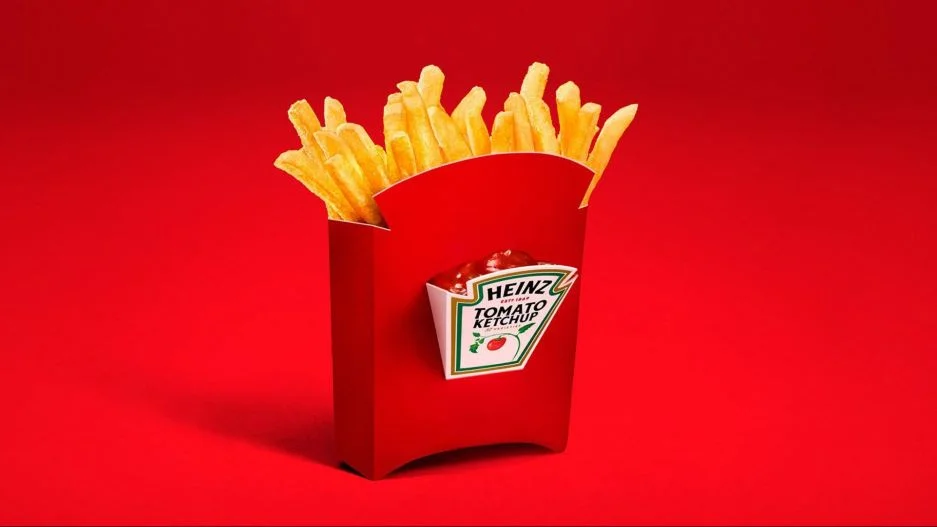
Heinz has long been a benchmark for brand personality, projecting an image of confidence, dependability, and an unapologetic classicism. The brand positions itself as the undisputed authority in its category, grounded in a rich heritage and unwavering commitment to quality, rather than chasing fleeting trends. There’s a quiet assurance in Heinz’s presentation, a belief that consistency, familiarity, and superior taste speak volumes. Yet, the brand adeptly balances this with wit and cultural relevance, reinforcing its iconic status without appearing to overexert itself. This is evident in their innovative campaigns, such as the Heinz Dipper, a French fry box ingeniously designed with a built-in ketchup compartment for convenient dipping on the go.

Native: A Beacon of Honesty and Reliability
Native, a personal care brand, stands out for its honest, approachable, and feel-good brand personality. The company communicates with direct clarity about its commitment to creating clean, simple, effective products free from undesirable ingredients. Native ensures its brand personality is a central pillar of its advertising, portraying itself as reliable, welcoming, and dedicated to empowering consumers to feel confident about the products they use.
Headspace: Cultivating Calmness and Support
The brand personality of Headspace is characterized by its calm, reassuring, and inherently human approach. It positions itself as a supportive guide, demystifying mindfulness and mental health, making these often-intimidating topics feel accessible. Headspace acknowledges the sensitive nature of mental well-being, employing a warm, straightforward communication style that reduces pressure and encourages individuals to engage at their own pace. The brand’s empathy is palpable, reflecting an understanding of stress and everyday struggles without sensationalizing them. This trust is further solidified through gentle visuals and clear, accessible language. Ebb, Headspace’s empathetic AI companion, embodies this by offering personalized recommendations based on users’ emotional states.

Petbarn: A Blend of Care and Expertise
For pet owners, the bond with their animals is profound, a sentiment that Petbarn deeply understands. The moment one accesses their website, it’s clear that Petbarn is a trusted partner, seamlessly blending genuine affection for animals with clear expertise and guidance. Petbarn’s brand personality is one of caring, practicality, and an unwavering focus on the well-being of pets. Their communication style mirrors this: warm, yet firmly rooted in helpful advice and tangible solutions. The brand effectively highlights the unique bond between humans and their pets, reflecting this care throughout its messaging. Reliability is reinforced through educational content, comprehensive services, and consistent day-to-day support. A thoughtful touch, such as personalizing the search bar with a pet’s name after profile completion, underscores this deep connection.
Cherrypick: The Embodiment of Helpfulness and Intuition
Cherrypick’s brand personality is defined by its helpfulness and practicality. The brand positions itself as an everyday assistant, simplifying meal planning and grocery shopping without introducing additional complexity. Its communication is characterized by clarity and reassurance, focusing on saving time and mitigating decision fatigue. What distinguishes Cherrypick is its seamless integration into daily routines. By consolidating recipes, meal planning, and grocery ordering into a single platform, the brand communicates ease and efficiency at every interaction point. Bold design, vibrant visuals, and engaging copy reinforce its mission: to make healthier, more sustainable food choices simpler and more affordable by removing friction from everyday cooking and shopping.

The Cohesive Force of Brand Personality
Ultimately, brand personality serves as the unifying element that holds all aspects of a brand together. It dictates how consumers recognize the brand, how they feel during interactions, and whether the brand’s presence appears cohesive or fragmented over time. A clear and consistently applied brand personality cultivates trust. Conversely, its absence can render even the most effective marketing tactics disjointed and forgettable.
In an era where discerning consumer attention is paramount, a well-defined and authentically expressed brand personality is not merely a marketing strategy; it is a fundamental pillar of sustainable business success. It transforms a transactional relationship into an enduring connection, fostering loyalty and driving growth in a marketplace that increasingly values authenticity and emotional resonance.