rifanmuazin
The digital advertising landscape, with its unparalleled ability to precisely target audiences across the globe through a multitude of sophisticated methods, offers marketers unprecedented power. These campaigns can be initiated and managed with remarkable ease from virtually any internet-connected device. However, this potent capability is intrinsically linked to significant responsibility. Even minor oversights in campaign setup can cascade into substantial financial losses, measured in tens of thousands of dollars, and represent a forfeiture of invaluable revenue opportunities. This is particularly critical when operating within stringent budget caps, managing delicate bid levels, optimizing landing pages, and iterating on creative assets. The central challenge lies in establishing a robust quality assurance (QA) framework that effectively identifies potential errors without becoming an unwieldy process that impedes timely campaign launches and creative updates.
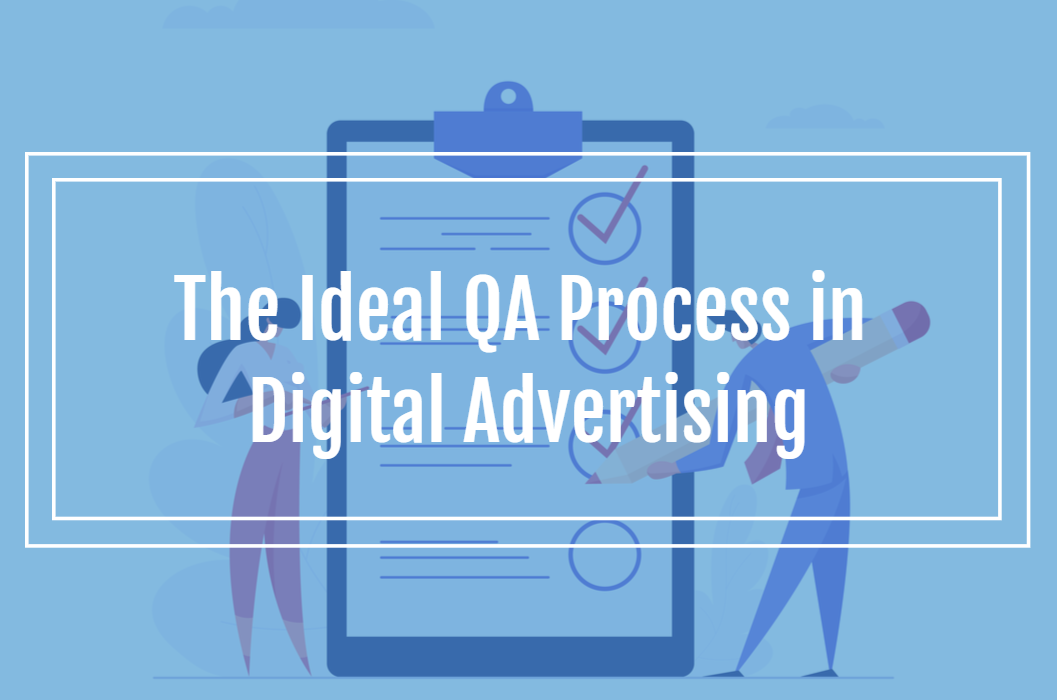
In the realm of ad operations, campaign management, and account leadership, the most effective QA practices are rooted in the experience of the reviewer and adherence to a meticulously crafted checklist. This pre-defined set of criteria ensures that all critical elements are scrutinized before final campaign approval. These items are inherently specific to each campaign’s unique architecture and objectives. Therefore, developing a standardized yet adaptable checklist is paramount for consistent quality control.
The Strategic Advantages of a Structured QA Process
Implementing a well-defined QA process offers a multitude of benefits that extend beyond mere error detection. A fundamental advantage is the principle of dual oversight, where at least two individuals review a campaign. This not only serves as a crucial safeguard against individual mistakes but also distributes accountability, preventing the undue burden from resting on a single person’s shoulders. Task management platforms such as Asana can be instrumental in this regard, facilitating the creation of reusable checklist templates and the assignment of specific QA tasks to team members. For organizations seeking a more flexible and cost-effective solution, Google Sheets has also proven to be a highly effective tool for managing QA workflows. Its inherent adaptability makes it a valuable asset for a wide range of campaign management needs.
A particularly productive addition to any QA protocol is the inclusion of a post-launch performance review. This involves scrutinizing key performance indicators (KPIs) such as clicks, impressions, and Google Analytics sessions for any anomalies occurring within the first 24 hours of a campaign going live. This proactive measure can prevent significant financial wastage. For instance, a campaign might appear flawless in preview tools, only to fail to direct users to the intended landing page once activated. Such a glitch, which may go unnoticed in pre-launch checks, can lead to substantial losses in ad spend. These "day-after" checkpoints are vital for identifying and rectifying missteps before they escalate into costly problems.
The Pitfalls of Overly Complex QA Regimes
Conversely, an overly elaborate or inefficient QA process can become a significant impediment. While the idea of a third reviewer might seem intuitively beneficial, in practice, it can often dilute effectiveness and introduce unnecessary delays. Typically, a third reviewer may lack the in-depth, nuanced understanding of the specific account and campaign objectives that the initial two reviewers possess. This can lead to a situation where the third reviewer either inundates the primary reviewers with tangential questions, thereby consuming additional valuable time, or, conversely, feels pressured by the imminent launch and approves everything without thorough comprehension, potentially overlooking critical errors. In either scenario, the likelihood of an undetected mistake often remains similar, while the overall time invested in the QA process increases disproportionately.
Mistakes are an inherent part of any complex operational process, and the digital advertising realm is no exception. When errors do occur, it is imperative to analyze the root cause and subsequently augment the QA checklist to prevent recurrence. This iterative improvement fosters confidence within the team, assuring all stakeholders that no settings are being overlooked and that campaigns are operating at optimal efficiency.
The Evolving Digital Advertising Ecosystem and the Imperative for Precision
The digital advertising industry has witnessed exponential growth and transformation over the past two decades. In 2023, global digital ad spending was projected to exceed $600 billion, underscoring its critical role in modern commerce and communication. This massive investment amplifies the financial implications of even minor errors. Platforms like Google Ads, Meta Ads, and programmatic advertising exchanges offer unparalleled targeting capabilities, enabling advertisers to reach specific demographics, interests, and behaviors with remarkable accuracy. This precision, however, necessitates an equally precise approach to campaign setup and management.
The complexity of these platforms, with their myriad of settings and options – from audience segmentation and bid strategies to ad formats and conversion tracking – creates fertile ground for human error. A misplaced decimal in a bid price, an incorrect URL in a tracking parameter, or a misconfigured audience exclusion can lead to campaigns serving to the wrong users, exceeding budgets rapidly, or failing to track conversions effectively. The average cost of a data breach in 2023 was estimated at $4.35 million, a stark reminder of the financial ramifications of operational failures. While not directly comparable to a data breach, the cumulative cost of poorly managed digital ad campaigns can rival such figures over time.
A Case Study in the Cost of Oversight: The Unseen Click Error
Consider a hypothetical scenario, drawn from industry observations, where a campaign designed to drive e-commerce sales was meticulously prepared. The creative assets were compelling, the targeting precise, and the landing page conversion-optimized. The pre-launch QA process, while thorough, focused primarily on the visual and functional aspects of the ads within the platform’s preview environment. All elements appeared to be functioning as intended.
Upon launch, however, a critical flaw emerged: the ads, while appearing active, were not actually directing users to the designated landing page. This was due to a subtle, overlooked technical misconfiguration in the ad tag or a redirect chain that failed to resolve correctly once the campaign went live in the live environment. The campaign began accruing impressions and clicks, but each click represented a lost opportunity and wasted ad spend. Within a matter of days, tens of thousands of dollars were spent on an untrackable and unproductive campaign. The subsequent investigation revealed that the error was a simple, yet consequential, oversight in the final URL or tracking implementation that had not been adequately tested in a live-simulated environment. This incident underscores the necessity of the "day-after" performance review, which would have quickly identified the lack of traffic to the landing page and the subsequent revenue leakage.
The Human Element in Digital Campaign Management
The effectiveness of any QA process is intrinsically tied to the expertise and diligence of the individuals involved. Ad operations specialists, campaign managers, and account strategists possess a deep understanding of platform intricacies, advertiser goals, and the competitive landscape. Their experience allows them to anticipate potential issues that might not be apparent to someone less familiar with the specific nuances of a particular account or industry.
The integration of experienced personnel into the QA workflow ensures that checks are not merely procedural but are informed by a strategic understanding of campaign objectives. This means that when reviewing budget caps, for example, an experienced QAer will not only verify the numerical accuracy but also assess whether the cap is realistically aligned with the campaign’s performance goals and expected reach. Similarly, when evaluating bid levels, they will consider market dynamics and competitive pressures.
The Evolving Role of Technology in QA
While human oversight remains indispensable, technology is increasingly playing a supportive role in streamlining and enhancing QA processes. Automated testing tools can be deployed to check for broken links, verify tracking pixel implementation, and even perform basic A/B testing of creative elements before a campaign is fully launched. Project management software, as previously mentioned, aids in standardizing checklists, assigning responsibilities, and tracking progress.
The industry is also seeing advancements in AI-powered analytics that can flag anomalies in real-time, alerting campaign managers to potential issues as they arise. These tools can analyze vast datasets of campaign performance, identifying deviations from expected patterns that might indicate an error. However, it is crucial to remember that these technologies are designed to augment, not replace, human judgment. The strategic interpretation of data and the nuanced understanding of advertiser goals still require human expertise.
Conclusion: A Balanced Approach for Sustainable Success
The immense power of digital advertising platforms demands a commensurate level of diligence and precision in their deployment. While the allure of rapid campaign activation and global reach is strong, the potential for costly errors necessitates a robust yet efficient quality assurance framework. By integrating experienced personnel, leveraging technology judiciously, and maintaining a commitment to continuous improvement based on observed mistakes, advertisers can navigate the complexities of the digital advertising ecosystem. The key lies in finding that delicate balance: implementing rigorous checks to safeguard against financial losses and revenue erosion, without allowing the QA process to become a bureaucratic hurdle that stifles innovation and agility. Ultimately, a well-executed QA strategy is not just about preventing mistakes; it is about ensuring that every dollar invested in digital advertising is working optimally to achieve defined business objectives and deliver sustainable growth.