rifanmuazin
The global digital advertising landscape is currently undergoing a period of profound transformation, driven by rising acquisition costs, shifting privacy regulations, and an increasingly fragmented consumer journey. Recent industry data highlights a significant disconnect between platform popularity and actual profitability; while 87% of marketers continue to utilize Google and Meta Ads, only 44% cite Google as their top-performing channel, and a mere 25% report the same for Facebook. This discrepancy underscores a critical reality in modern digital marketing: the success of a campaign is no longer determined solely by the efficiency of the ad buy, but by the quality of the post-click experience. As the average cost per lead has climbed from $66.69 in 2024 to an estimated $70.11 in 2025, businesses are increasingly finding that their return on ad spend (ROAS) is being undermined by technical friction and message misalignment.

The Evolution of the Digital Advertising Ecosystem
To understand the current market dynamics, one must look at the chronological shift in how digital inventory is bought and sold. The early 2010s were defined by the "duopoly" of Google and Facebook, which capitalized on search intent and social graphing, respectively. However, the 2020s introduced a "third wave" of digital advertising: the rise of retail media and short-form video. By 2024, platforms like TikTok and Amazon Ads began siphoning significant budget shares from traditional search and social giants.
Entering 2026, the industry faces the dual challenge of "signal loss" due to the deprecation of third-party cookies and the increasing sophistication of artificial intelligence in ad delivery. This evolution has forced a shift from broad-spectrum targeting to high-intent, first-party data strategies. Marketers are no longer just buying "eyeballs"; they are purchasing specific outcomes within highly controlled environments.
The Dominant Titans: Google and Meta Ads in 2026
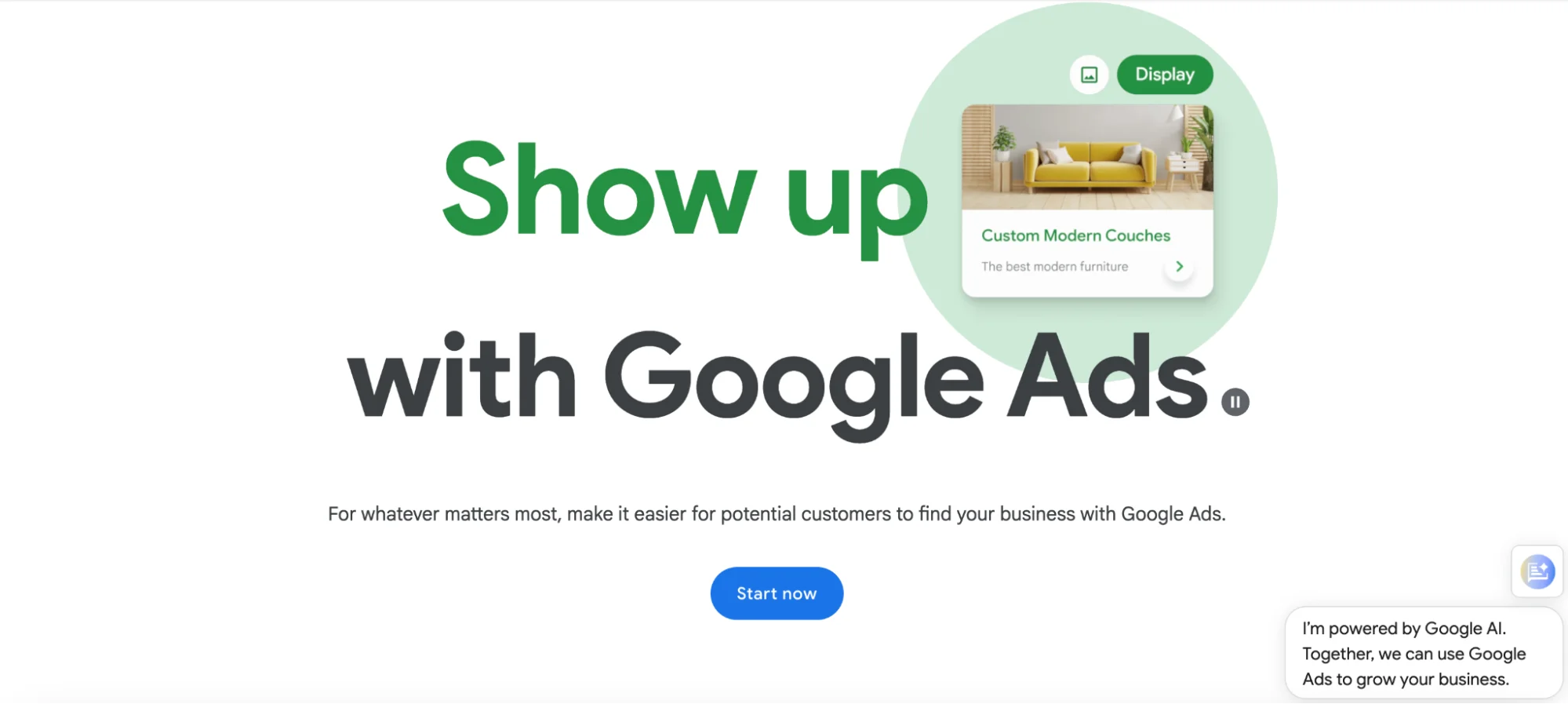
Despite the emergence of new players, Google and Meta remain the foundational pillars for most marketing teams. Google Ads continues to dominate through its capture of high-intent search traffic, reaching over 90% of global internet users. Its ecosystem has evolved to include Performance Max (PMax) campaigns, which utilize machine learning to distribute ads across Search, YouTube, Display, and Maps. The platform’s internal metrics suggest that relevance—quantified through the "Quality Score"—remains the most significant variable in determining cost per click (CPC) and ad positioning.
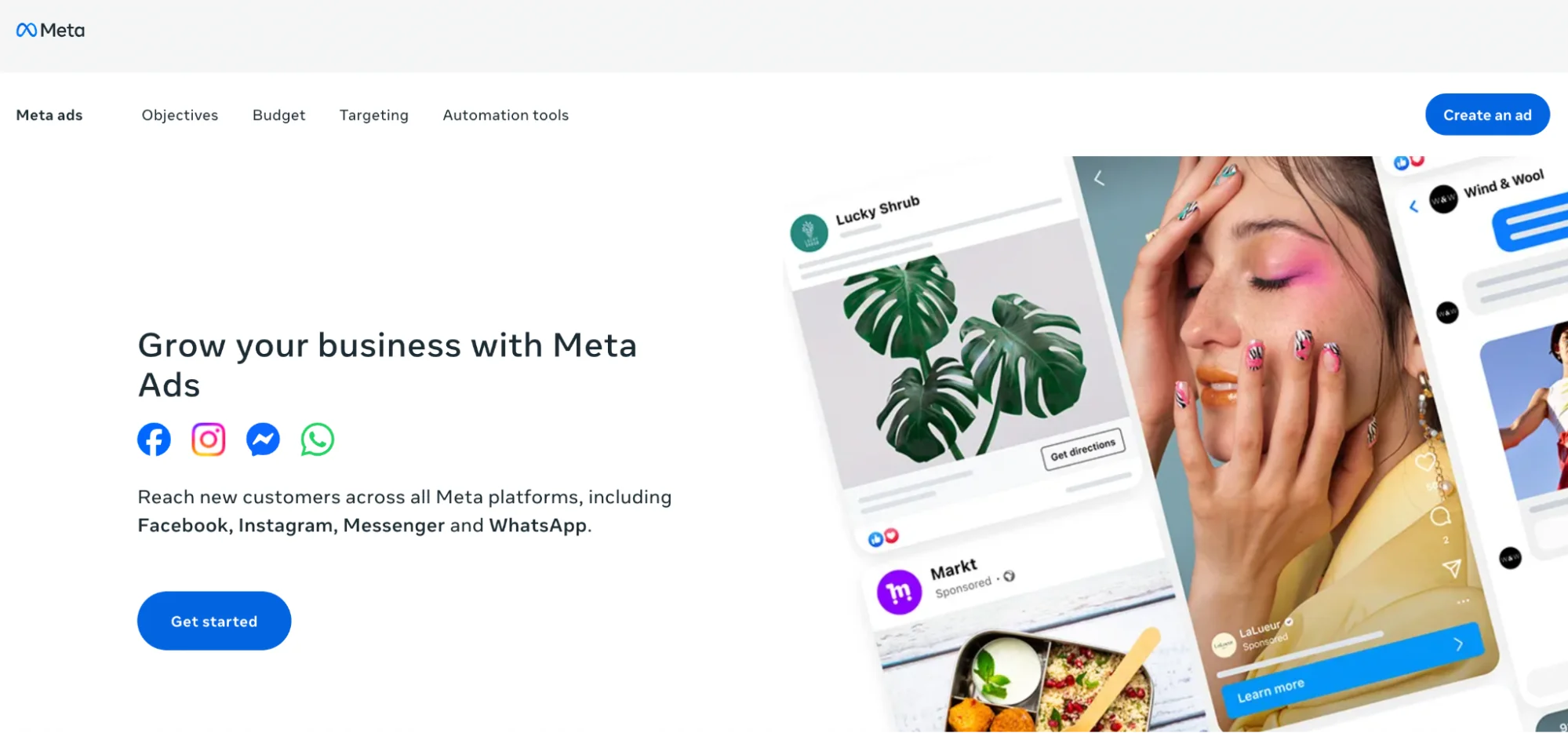
Simultaneously, Meta Ads (encompassing Facebook and Instagram) has pivoted its strategy toward Advantage+ automation to compensate for iOS privacy changes that limited traditional pixel tracking. While 80% of marketers utilize Instagram for its visual reach, only 9% report it as their most profitable platform. This suggests that while Meta is unparalleled for brand awareness and top-of-funnel discovery, many advertisers struggle to convert that interest into bottom-line revenue. The shift toward broader audience targeting and algorithmic discovery means that creative assets now perform much of the "targeting" work previously handled by manual data levers.
The Rise of TikTok and the Shift in Creative Strategy
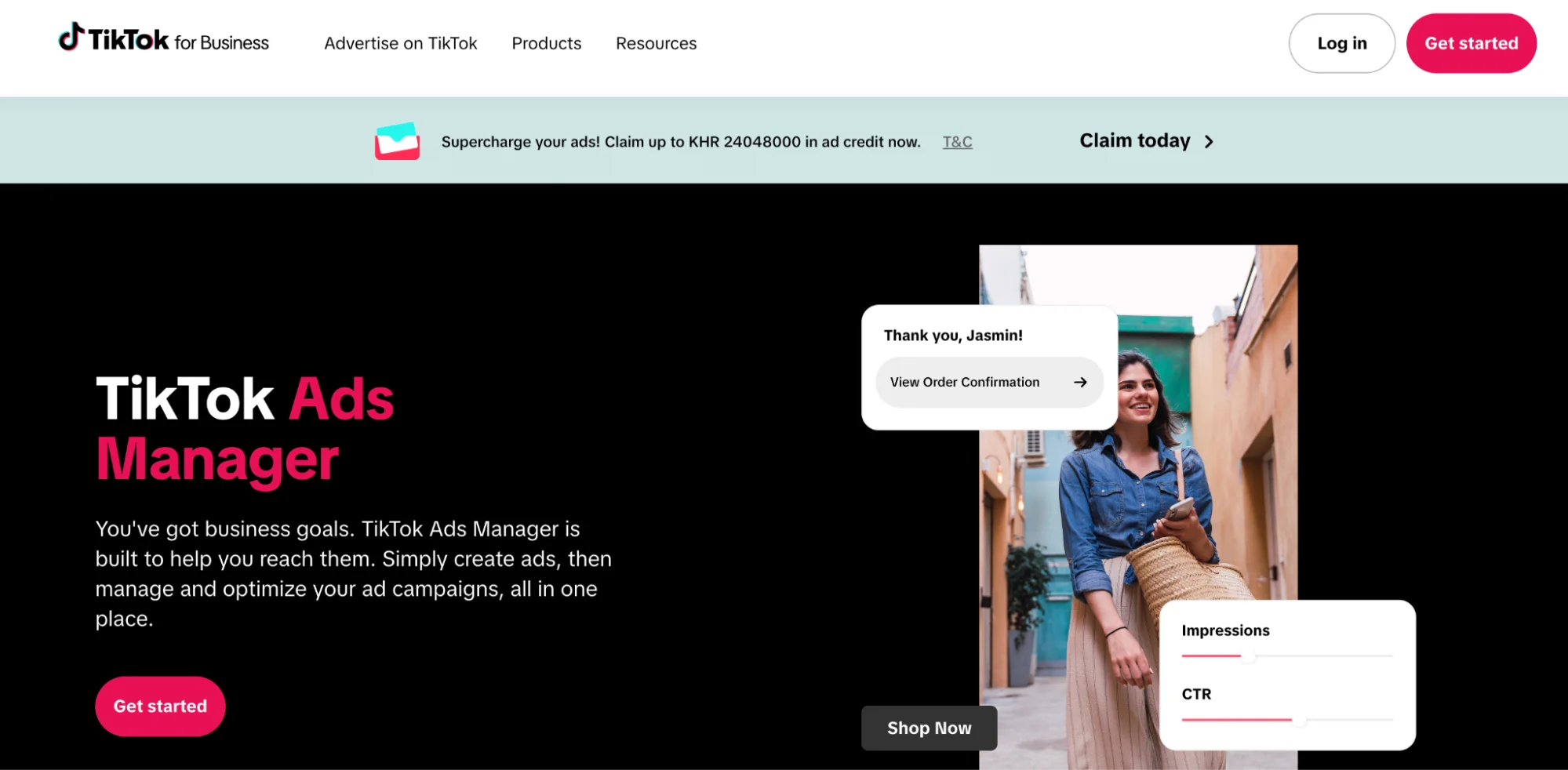
TikTok Ads has emerged as the most significant disruptor in the social advertising space. Recent surveys indicate that 25% of marketers plan to adopt the platform in the near future, viewing it as the essential alternative to the Meta-Google ecosystem. TikTok’s algorithm, which prioritizes engagement over follower count, offers a unique value proposition for brands seeking organic-style reach.
However, the transition to TikTok requires a fundamental change in creative production. Traditional, high-production-value commercials often underperform on the platform. Success on TikTok is typically reserved for brands that adopt "native-looking" content—often user-generated content (UGC) or influencer collaborations—that blends seamlessly into the user’s "For You" feed. This shift highlights a broader trend: the democratization of ad creative, where authenticity outweighs aesthetic perfection.
Strategic Alternatives: Microsoft, LinkedIn, and Pinterest
For brands seeking to avoid the high competition and rising CPCs of the major platforms, several strategic alternatives offer specialized advantages.
Microsoft Advertising (Bing)
While Bing maintains less than 10% of the global search market, it has become a sanctuary for B2B and desktop-focused advertisers. Microsoft Advertising CPCs are frequently 30% to 50% lower than those on Google Ads for identical keywords. Furthermore, the platform allows for the direct importation of Google Ads campaigns, lowering the barrier to entry for brands looking to expand their search footprint.
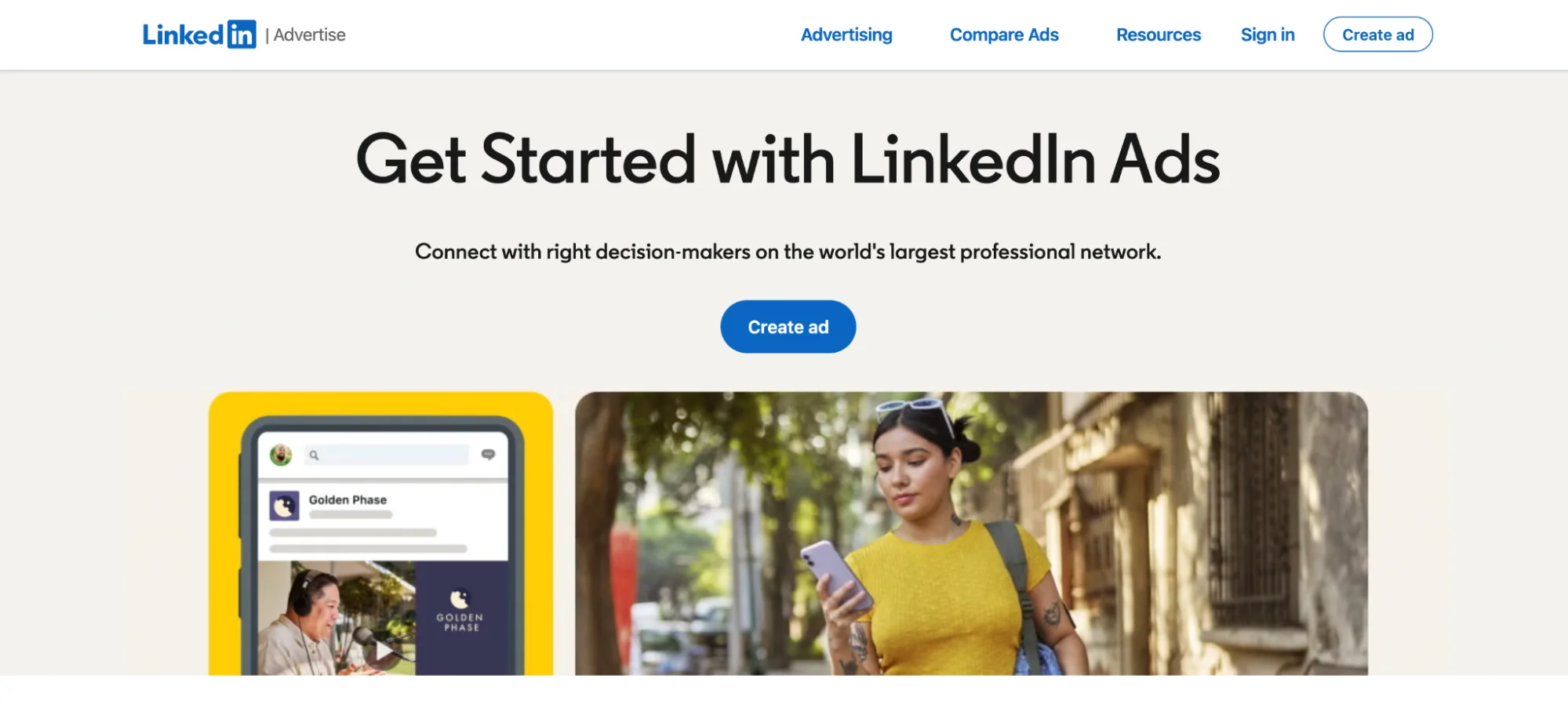
LinkedIn Ads
LinkedIn remains the undisputed leader for B2B lead generation. Its ability to target users based on professional attributes—such as job title, company size, and industry seniority—makes it indispensable for reaching corporate decision-makers. Although the cost per click on LinkedIn is among the highest in the industry, the quality of the leads often justifies the premium for high-ticket SaaS and professional service providers.
Pinterest Ads
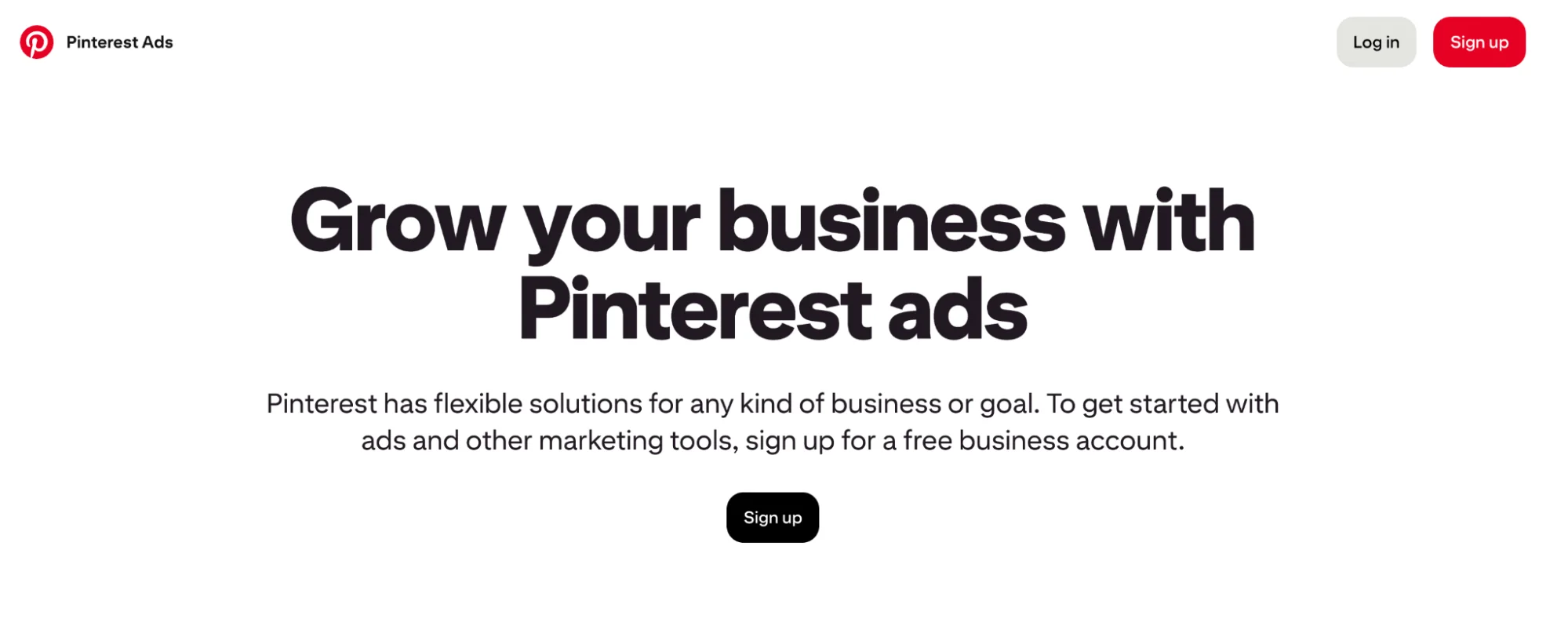
Pinterest occupies a unique space in the "discovery" phase of the buyer journey. Users typically visit the platform to plan for major life events, such as home renovations, weddings, or travel. This planning-heavy intent makes Pinterest a powerful tool for visual and aspirational products. A key advantage of Pinterest is the longevity of its content; unlike a tweet or a Facebook post, a "Promoted Pin" can continue to drive impressions and clicks for months after its initial publication.
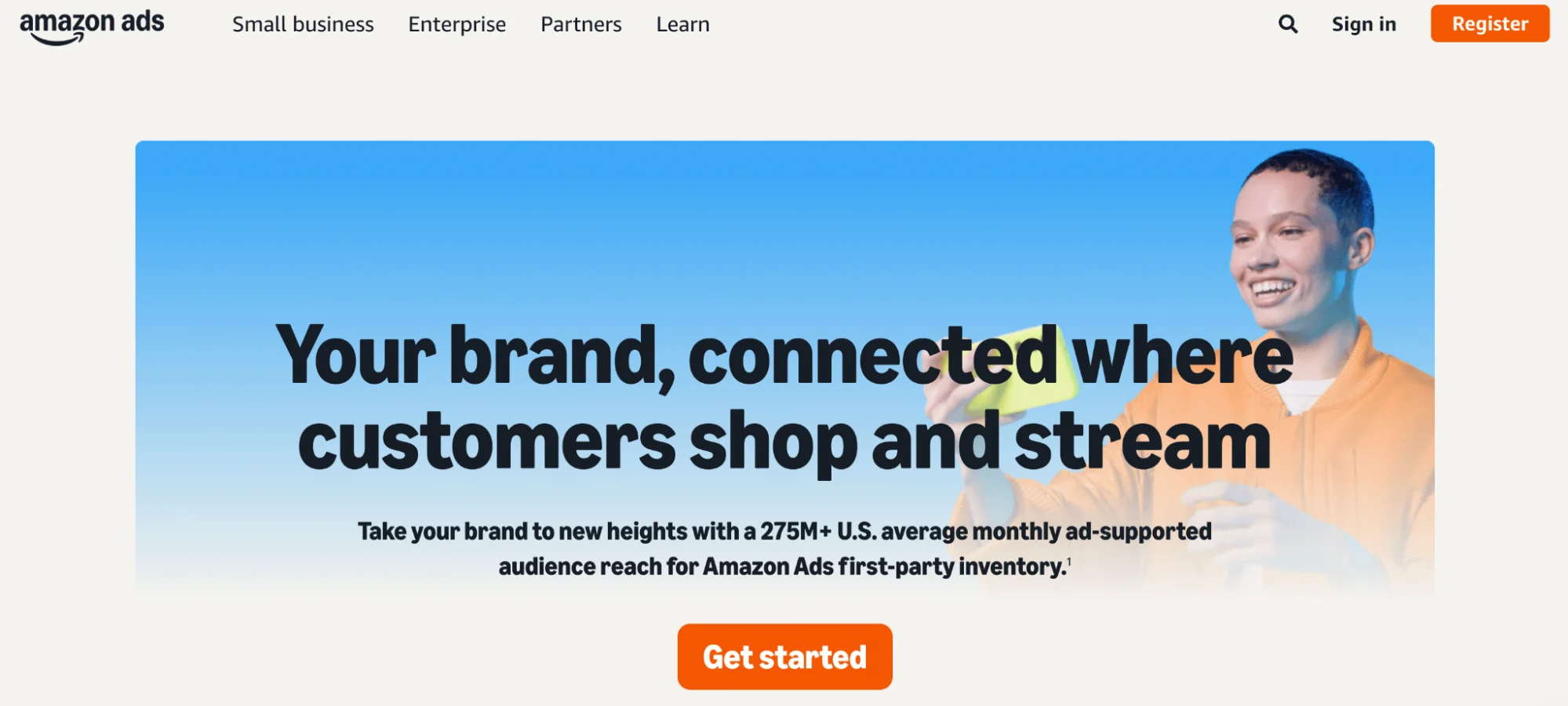
The Retail Media Revolution: Amazon Ads
Amazon Ads has fundamentally altered the ecommerce landscape by reaching shoppers at the very bottom of the sales funnel. When a user searches on Amazon, their intent to purchase is significantly higher than on a general search engine or social media platform. Amazon reports that advertisers typically see a 34% growth in sales within the first four weeks of launching Sponsored Products campaigns. The platform’s strength lies in its closed-loop data; Amazon knows exactly what users search for, what they click on, and, most importantly, what they buy.
Navigating Privacy, Consent, and Compliance
The digital advertising industry is currently navigating a "privacy-first" era. Google Chrome’s long-anticipated phase-out of third-party cookies, now projected to be fully realized by 2026, represents a terminal point for traditional tracking methods. This shift is accompanied by stringent regulatory frameworks, including the General Data Protection Regulation (GDPR) in Europe and the California Consumer Privacy Act (CCPA) in the United States.
Marketers are now required to implement robust Consent Management Platforms (CMPs) to document user choices. Failure to comply not only risks heavy regulatory penalties but also results in unreliable tracking data. Consequently, the industry is moving toward "Server-Side Tracking" and Conversion APIs (CAPIs) to maintain data integrity in a world where browser-based cookies are no longer viable. The collection of first-party data—such as email addresses and CRM records—has become the most valuable asset in an advertiser’s toolkit.
The Post-Click Performance Gap: Where ROAS is Lost
A critical finding in recent marketing research is that even the most well-targeted ad campaigns fail if the post-click experience is suboptimal. A one-second delay in mobile page load times can reduce conversion rates by as much as 20%. With the average landing page taking four seconds to load on mobile, many advertisers are effectively paying for clicks that bounce before the content even renders.
The Problem of Message Mismatch
"Message mismatch" occurs when the promise made in an ad does not align with the headline of the landing page. If an ad offers a "50% Discount" but the landing page focuses on "General Product Features," the visitor experiences cognitive dissonance, leading to immediate abandonment. Journalistic analysis of high-performing campaigns shows that the most successful advertisers maintain a "scent" of consistency from the ad copy to the final call to action (CTA).
The Homepage Fallacy
One of the most common mistakes made by small and mid-sized businesses is directing paid traffic to their website’s homepage. Homepages are designed for general exploration; they contain multiple navigation links, competing messages, and varied CTAs. In contrast, a dedicated landing page is a focused environment designed for a single purpose: conversion. Data indicates that dedicated, message-matched landing pages achieve an average conversion rate of 16%, compared to the 2-4% industry average for generic website pages.
Conclusion: A Data-Driven Framework for 2026
As the digital advertising market grows more complex, success will be defined by a "Focus over Fragmentation" strategy. Experts suggest that brands should master one search platform and one social platform before expanding their reach. This allows for the validation of the conversion funnel and the establishment of a baseline ROAS.
The broader impact of these trends suggests a shift away from "ad-centric" marketing toward "experience-centric" marketing. In 2026, the competitive advantage will not belong to those with the largest budgets, but to those who can provide the most seamless, relevant, and fast transition from the initial ad click to the final conversion. By integrating advanced personalization, rigorous A/B testing, and a commitment to first-party data, advertisers can navigate the rising costs of the digital marketplace and achieve sustainable growth.