rifanmuazin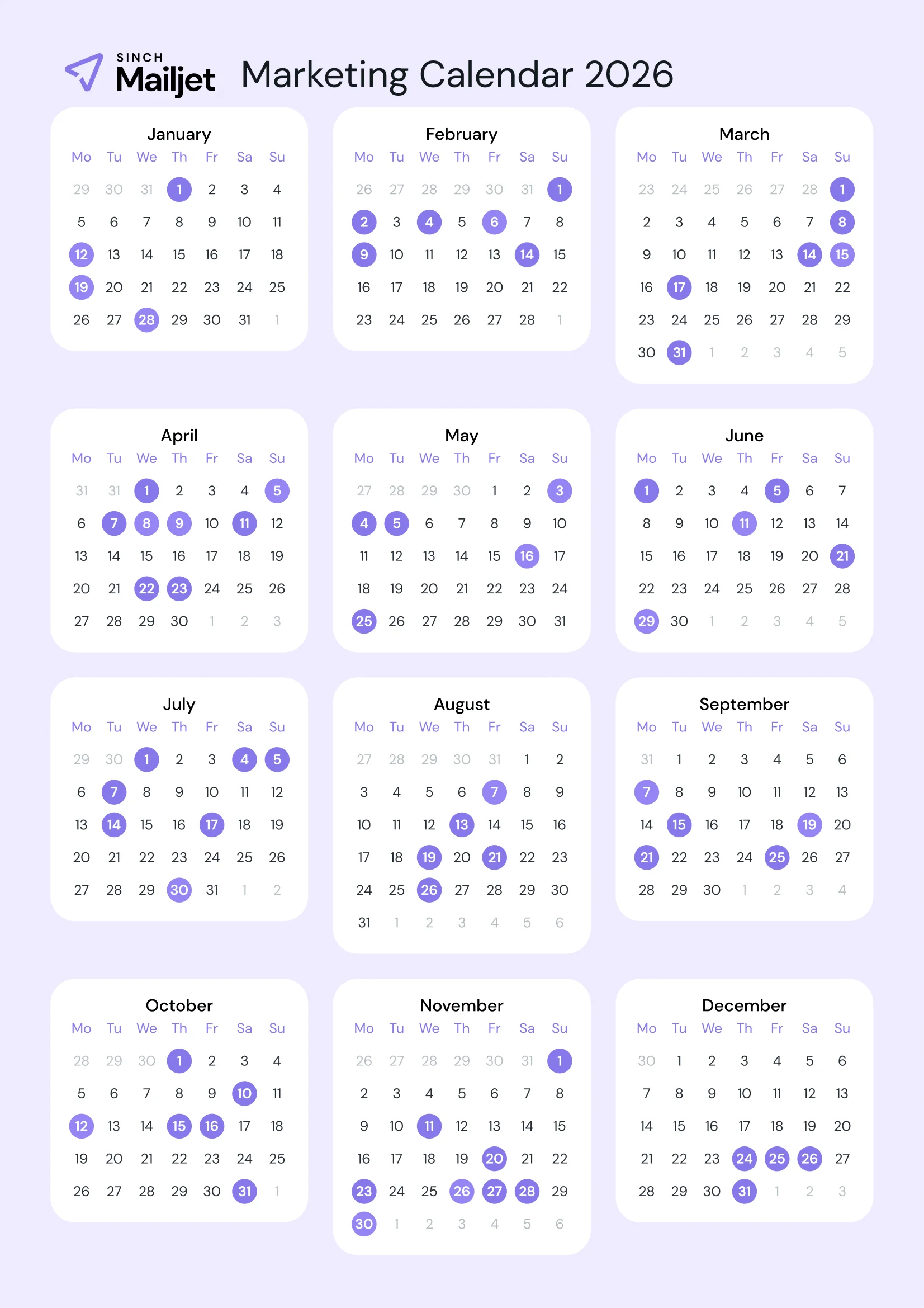
As the curtain falls on 2025 and the first quarter of the new year swiftly approaches, businesses worldwide are poised to define their strategic objectives for 2026. A pivotal component of this forward-looking planning is the development of a robust marketing strategy, designed not merely to react to market shifts but to proactively seize opportunities and engage target audiences effectively. This article provides an exhaustive overview of the essential dates and strategic considerations for marketers aiming to construct a winning campaign calendar for the upcoming year, ensuring a dynamic and impactful presence across all relevant channels.
The Strategic Imperative: Why a 2026 Marketing Calendar is Non-Negotiable
In the increasingly competitive and rapidly evolving digital landscape, a well-structured marketing calendar is not merely a convenience but a strategic necessity. Contrary to a common misconception, the most labor-intensive phase of marketing is not the execution but the meticulous planning that precedes it. This preparatory work, encompassing goal setting and prioritization, is crucial for minimizing unforeseen challenges and maximizing campaign efficacy. The past few years have underscored the importance of agility and adaptability in communication strategies, compelling brands to engage with their target audience dynamically amidst unpredictable circumstances. A comprehensive calendar serves as a strategic roadmap, enabling brands to anticipate key moments, allocate resources efficiently, and craft timely, resonant messages.
Foundational Principles for 2026 Marketing Success
Before delving into the chronological breakdown of 2026, establishing a strong strategic foundation is paramount. This involves critical self-assessment and a clear articulation of marketing objectives.

-
Goal Setting and Prioritization: Every marketing initiative must align with overarching business goals. Marketers should ask: What specific outcomes are we aiming for in 2026? How will we measure success? What defines our ideal customer, and what are their evolving needs? What differentiates our brand from competitors? These questions are fundamental to crafting a strategy that is both ambitious and achievable. The focus should be on establishing SMART (Specific, Measurable, Achievable, Relevant, Time-bound) goals that guide promotional decisions and prevent misallocation of resources, which could otherwise compromise key performance indicators (KPIs).
-
Embracing an Omnichannel Approach: In an era where consumers interact with brands across myriad touchpoints, an omnichannel strategy is indispensable. This approach integrates various marketing channels – including in-store experiences, online platforms, social media, SMS marketing, and email – to create a cohesive and seamless customer journey. Omnichannel campaigns not only enhance audience engagement but also unlock significant opportunities for upselling and cross-selling, ensuring consistent brand messaging and a unified customer experience regardless of the interaction point. Industry data consistently shows that businesses employing omnichannel strategies achieve higher customer retention rates and greater lifetime value.
-
The Enduring Power of Email Marketing: Amidst the proliferation of new digital channels, email marketing retains its status as a cornerstone of effective communication. It consistently delivers one of the highest returns on investment (ROI), with studies frequently citing returns in the range of $35 to $40 for every dollar spent. This efficacy stems from email’s capacity for deep personalization, precise audience segmentation, and detailed performance analytics. Crucially, email ensures that marketing messages remain accessible in contacts’ inboxes, serving as a lasting reference for promotional codes, store information, or product details, thereby extending the lifespan of a campaign beyond its initial send.
A Month-by-Month Guide to Your 2026 Marketing Calendar
This chronological guide highlights key dates and offers strategic insights for maximizing marketing impact throughout 2026.
-
January: Resolutions and Renewal
January traditionally marks a period of new beginnings, resolutions, and goal-setting. For marketers, this translates into opportunities to align campaigns with themes of self-improvement, health, financial planning, and personal development.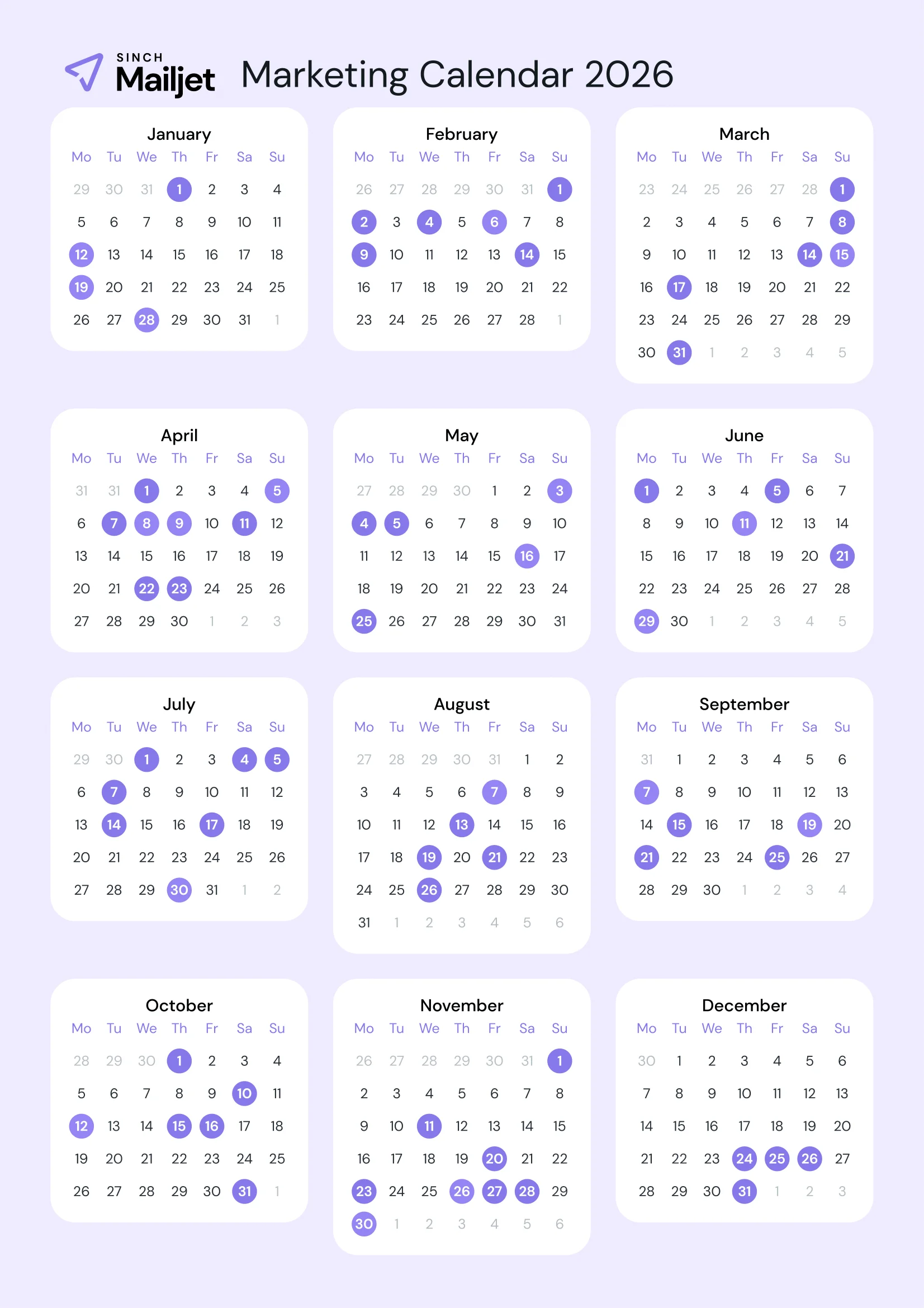
- Key Dates:
- January 1: New Year’s Day (Global)
- First Weeks of January: Winter Sales (Europe, North America)
- Third Monday in January: Blue Monday (UK/Ireland)
- Various dates: Regional Winter Festivals
- Strategic Focus: Brands can offer special deals on products or services that support new year’s resolutions, such as gym memberships, educational courses, productivity tools, or healthy meal kits. The "Dry January" or "Veganuary" trends also present opportunities for relevant product promotions. Winter sales provide an avenue for post-holiday clearance and enticing new customers. For Blue Monday, often cited as the most depressing day of the year, empathetic campaigns offering comfort, entertainment, or uplifting discounts can resonate positively with audiences.
- Implications: Consumer spending often shifts from gifting to self-investment. Marketers should leverage data to understand common resolutions and tailor messaging accordingly, fostering a sense of aspiration and support.
- Key Dates:
-
February: Love, Legacy, and Large Audiences
February is a month dominated by significant cultural and commercial events, offering diverse engagement opportunities.- Key Dates:
- February 1-28: Black History Month (US, Canada, UK)
- February 14: Valentine’s Day (Global)
- Late January/Early February: Super Bowl Sunday (US)
- Various Dates: Lunar New Year (Asia and diaspora communities)
- Strategic Focus: Valentine’s Day, a major consumer holiday, saw estimated US spending reach $27.8 billion in 2025. Marketers should move beyond traditional romance, encompassing themes of self-love, friendship (Galentine’s Day), and family, with gift guides, personalized offers, and experiential promotions. Super Bowl Sunday is a massive event for food, beverage, apparel, and electronics retailers, with consumers spending an average of $91.58 each on related items. Campaigns can focus on game-day essentials, party supplies, and exclusive viewing deals. Black History Month provides an important platform for brands to demonstrate corporate social responsibility, amplify diverse voices, and highlight commitment to equality and inclusion. Lunar New Year, observed by billions, is a prime opportunity for culturally sensitive promotions, gift-giving campaigns, and celebratory messaging, particularly for brands with a global presence or target audience in Asian communities.
- Implications: February offers high-stakes commercial opportunities but also demands cultural sensitivity and authentic engagement for observances like Black History Month and Lunar New Year.
- Key Dates:
-
March: Empowerment and Observance
March features important observances focused on women’s empowerment and significant religious holidays.- Key Dates:
- March 1-31: Women’s History Month (US, UK, Australia)
- March 8: International Women’s Day (Global)
- Early March to Early April: Ramadan (Global)
- March 17: St. Patrick’s Day (Global, especially Ireland, US, UK)
- March 31: International Transgender Day of Visibility (Global)
- Strategic Focus: International Women’s Day and Women’s History Month provide an opportunity for brands to celebrate women’s achievements, share stories of female leaders within their organizations, and promote initiatives supporting gender equality. This can involve cause-related marketing or showcasing products/services that empower women. Ramadan, observed by nearly a quarter of the world’s population, requires respectful and culturally appropriate marketing, focusing on themes of family, community, reflection, and charitable giving, leading up to Eid al-Fitr celebrations. St. Patrick’s Day allows for lighthearted, themed promotions, particularly for hospitality, apparel, and celebratory products. International Transgender Day of Visibility is an important moment for inclusive messaging and supporting LGBTQ+ rights.
- Implications: Brands must navigate cultural and religious sensitivities carefully, ensuring messages are authentic and respectful. These observances provide platforms for brands to articulate their values and connect with diverse communities.
- Key Dates:
-
April: Rebirth, Responsibility, and Revelry
April brings the arrival of spring, religious holidays, and opportunities for both serious and playful campaigns.- Key Dates:
- April 1: April Fools’ Day (Global)
- Early April: Easter Sunday (Global – First full moon after spring equinox)
- April 22: Earth Day (Global)
- Various dates: Regional Spring Festivals
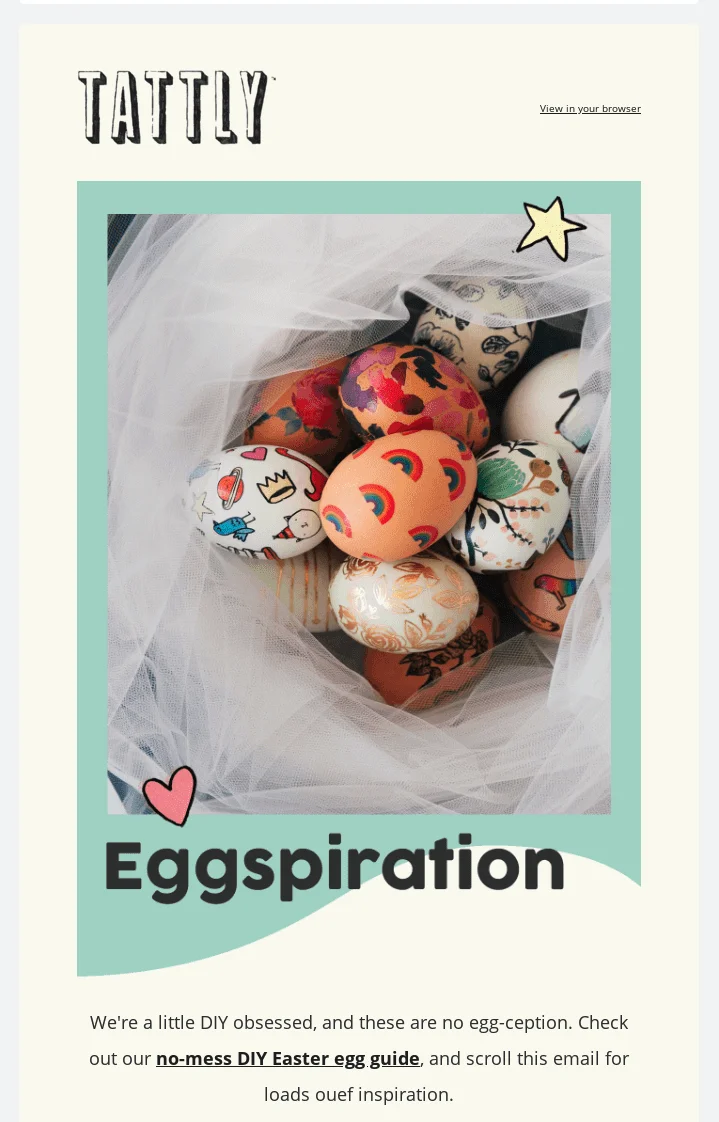
- Strategic Focus: Easter, a widely celebrated holiday, offers opportunities for promotions around family gatherings, chocolate, spring fashion, and home decor. Brands can incorporate "Easter eggs" (hidden surprises) into their digital campaigns to boost engagement. Given its religious significance for many, offering an opt-out option for Easter-themed emails can demonstrate thoughtful customer consideration. Earth Day is a critical moment for brands to highlight their sustainability efforts, eco-friendly products, and corporate environmental initiatives, resonating with environmentally conscious consumers. April Fools’ Day provides a chance for brands to showcase personality and creativity through humorous, harmless pranks or playful promotions, fostering a memorable brand experience.
- Implications: April requires a balance between commercial promotions and social responsibility. Brands can use these dates to reinforce their commitment to sustainability while also engaging in festive, light-hearted interactions.
- Key Dates:
-
May: Celebrations and Cinematic Lore
May is characterized by a mix of national holidays, cultural events, and significant fan-based observances.- Key Dates:
- May 1: May Day / International Workers’ Day (Global)
- May 4: Star Wars Day (Global)
- Second Sunday in May: Mother’s Day (US, Canada, most of Europe)
- Mid-May: Eurovision Song Contest Final (Europe, Australia)
- Last Monday in May: Memorial Day (US)
- Strategic Focus: Star Wars Day, with its viral "May the 4th be with you" slogan, is a massive social media event. Brands, even those not directly related to entertainment, can leverage its cultural cachet for creative, engaging campaigns. Mother’s Day is a prime occasion for gift guides, personalized promotions, and expressions of appreciation. However, it’s crucial to offer an email opt-out for subscribers who may find the holiday sensitive due to personal loss. May Day/International Workers’ Day can be recognized with messages of solidarity or special offers for workers. Eurovision offers a vibrant platform for brands targeting European audiences, potentially through themed campaigns or partnerships. Memorial Day in the US marks the unofficial start of summer, often accompanied by significant sales for travel and outdoor goods.
- Implications: May demands a nuanced approach, blending celebratory promotions with respectful acknowledgements of diverse experiences and cultural touchstones.
- Key Dates:
-
June: Pride, Paternal Bonds, and Summer Strategies
As temperatures rise, June heralds the arrival of summer, alongside important social and family observances. This month often presents a marketing challenge due to consumer focus shifting to vacations and outdoor activities.- Key Dates:
- June 1-30: Pride Month (Global)
- Third Sunday in June: Father’s Day (US, UK, Canada)
- Late June: Summer Solstice / Start of Summer (Northern Hemisphere)
- Late June/Early July: Wimbledon Tennis Championships (UK)
- Strategic Focus: June 1 marks the start of Pride Month, an essential time for brands to demonstrate genuine support for the LGBTQ+ community through inclusive messaging, partnerships with LGBTQ+ organizations, and relevant product lines. Father’s Day provides an opportunity for gift-focused campaigns, emphasizing unique experiences, practical items, or personalized tokens of appreciation. As consumer attention often wanes during the summer months, brands should adjust their email marketing strategy. Instead of reducing outreach, this period can be leveraged to stand out from competitors with engaging, evergreen content, travel-related promotions, or early-bird offers for autumn. Major sporting events like Wimbledon can inspire themed content or promotions related to sports, health, and lifestyle.
- Implications: Marketers must counter the "summer slump" with creative strategies that resonate with consumers’ seasonal interests, while also authentically participating in social observances.
- Key Dates:
-
July: Independence and Sporting Spectacles
July is synonymous with summer holidays, national celebrations, and major sporting events, offering opportunities for vibrant campaigns.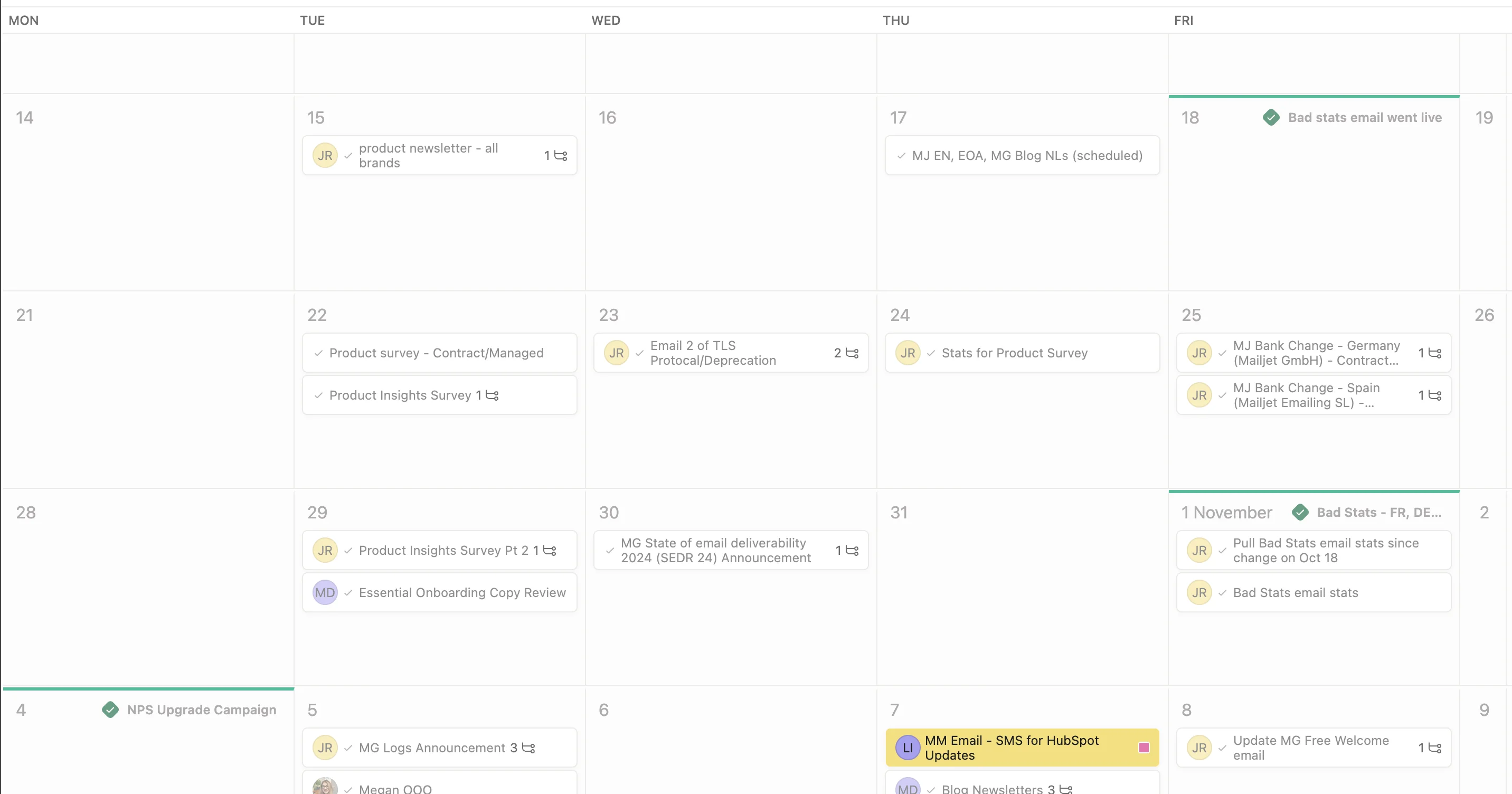
- Key Dates:
- July 4: Independence Day (US)
- Mid-July: Wimbledon Finals (UK)
- July 14: Bastille Day (France)
- July 17: World Emoji Day (Global)
- Various dates: Tour de France (France)
- Strategic Focus: Independence Day in the US is a significant retail event, prompting patriotic-themed sales, travel promotions, and outdoor living product offers. Other national days, like Bastille Day, offer similar regional opportunities. The Tour de France and Wimbledon finals provide excellent content hooks for brands in fitness, travel, apparel, and even food and beverage, allowing for themed promotions or engagement around these high-profile events. World Emoji Day is a fun, lighthearted occasion for brands to experiment with creative, visually engaging email and social media campaigns, enhancing brand personality.
- Implications: The holiday season is in full swing, requiring engaging content that aligns with summer leisure, travel, and national pride. The competitive landscape means standing out with creative and relevant messaging is key.
- Key Dates:
-
August: Return to Routine and Last-Minute Engagements
August often represents a transitional month, with summer winding down and a gradual return to routines. This provides opportunities to re-engage audiences.- Key Dates:
- First Monday in August: Civic Holiday (Canada, some regions)
- Late August: Back-to-School preparations begin (Global, varying dates)
- Various dates: Regional Summer End Sales
- Strategic Focus: As consumers return from vacations, August is an opportune time to target them with offers or promotions they might have missed earlier in the summer. Email segmentation becomes a powerful tool here, allowing marketers to re-engage contacts based on past behavior (e.g., those who haven’t opened emails since a certain date) with tailored "welcome back" offers or reminders of ongoing summer deals. The impending back-to-school season also begins to influence purchasing decisions, with early promotions for stationery, clothing, and electronics.
- Implications: This month is critical for re-engagement and preparing for the upcoming autumn and holiday seasons. Data-driven segmentation is essential for effective targeting.
- Key Dates:
-
September: Back-to-School and Q4 Preparations
September often feels like a "second January," ushering in new goals, projects, and significant marketing opportunities, especially with the full swing of back-to-school season.- Key Dates:
- First Monday in September: Labor Day (US, Canada)
- September 1-30: Back-to-School Season (Global, varying dates)
- Late September: Autumnal Equinox / Start of Autumn (Northern Hemisphere)
- Various dates: Rosh Hashanah, Yom Kippur (Jewish High Holy Days)
- Strategic Focus: The back-to-school period extends beyond children to adults pursuing new educational or professional endeavors. Marketers can leverage this sentiment with campaigns offering products like planners, professional development courses, tech gadgets, and office supplies. Re-engaging customers after the summer slump with incentives like special promotions, sweepstakes, and exclusive offers is crucial. Abandoned cart recovery campaigns also see increased effectiveness as consumers resume their regular online shopping habits. Labor Day in the US and Canada provides another opportunity for end-of-summer sales and promotions. For Jewish High Holy Days, respectful greetings and community-focused messaging are appropriate for relevant audiences.
- Implications: September is a pivotal month for re-energizing customer engagement and laying the groundwork for the lucrative Q4 holiday season.
- Key Dates:
-
October: Spooky Season and Strategic Foundations
October marks the official arrival of autumn and the kickoff of the holiday season, a critical period for brands across all sectors.- Key Dates:
- October 1-31: Breast Cancer Awareness Month (Global)
- Second Monday in October: Indigenous Peoples’ Day (US) / Thanksgiving (Canada)
- October 31: Halloween (Global)
- Strategic Focus: Halloween offers immense creative freedom for marketers, inspiring campaigns with spooky themes, costume promotions, party supplies, and themed discounts. It’s an excellent opportunity to inject personality into brand messaging. October also signals the start of Q4, making it the ideal time to finalize holiday season strategies, including inventory planning, campaign scheduling, and creative asset development. Breast Cancer Awareness Month allows brands to participate in cause-related marketing, supporting research and awareness initiatives, thereby reinforcing corporate social responsibility. Indigenous Peoples’ Day is an important observance for respectful education and recognition.
- Implications: This month is a balance of festive engagement and critical strategic planning for the upcoming peak sales period.
- Key Dates:
-
November: Peak Sales and Gratitude
November is arguably the most commercially significant month for B2C sales, dominated by major shopping events and the lead-up to year-end holidays.- Key Dates:
- November 11: Veterans Day (US) / Remembrance Day (Canada, UK)
- Fourth Thursday in November: Thanksgiving (US)
- Day after Thanksgiving: Black Friday (Global)
- Saturday after Thanksgiving: Small Business Saturday (US)
- Monday after Thanksgiving: Cyber Monday (Global)
- Tuesday after Thanksgiving: Giving Tuesday (Global)
- Strategic Focus: The period from Thanksgiving through Cyber Monday (often referred to as Cyber Week) represents the strongest sales period of the year. Marketers must meticulously plan their promotions, discounts, and exclusive offers well in advance, emphasizing urgency and value. Mobile commerce is particularly critical during this period. Small Business Saturday encourages support for local enterprises, offering an opportunity for community-focused campaigns. Giving Tuesday provides a platform for brands to highlight their charitable contributions or encourage customers to donate, fostering goodwill and demonstrating social impact. Veterans Day/Remembrance Day should be observed with respectful messaging, potentially offering discounts to military personnel.
- Implications: November is a high-stakes month demanding rigorous planning, optimized campaign execution, and a clear understanding of consumer buying behavior during peak promotional periods.
- Key Dates:
-
December: Festive Finale and Year-End Reflections
December is a month of festive celebrations, last-minute gift shopping, and year-end reflections, offering a final push for Q4 sales and opportunities for heartfelt brand communication.- Key Dates:
- December 1-24: Advent Calendar / Holiday Countdown (Global)
- December 7-15 (approx.): Hanukkah (Jewish)
- December 25: Christmas Day (Global)
- December 26: Boxing Day (UK, Canada, Australia)
- December 26 – January 1: Kwanzaa (African-American)
- December 31: New Year’s Eve (Global)
- Strategic Focus: December is a dual-purpose month: maximizing holiday sales and fostering goodwill. Brands can implement advent calendar-style promotions, last-minute gift guides, and expedited shipping offers. Post-Christmas sales (Boxing Day) are crucial for clearing inventory. Beyond sales, December is an ideal time for thank-you campaigns, expressing gratitude to customers for their loyalty throughout the year. Creative campaigns, such as social media contests (e.g., best holiday decorations) or personalized video messages, can enhance engagement and reinforce brand connection. Messaging should be inclusive of various holiday celebrations like Hanukkah and Kwanzaa.
- Implications: December is the final opportunity to meet Q4 targets, but also a chance to strengthen customer relationships through festive, appreciative, and creative communication.
- Key Dates:
Leveraging Technology for Optimal Calendar Management
Managing a dynamic marketing calendar across multiple channels and campaigns requires robust organizational tools. Modern marketers rely on a suite of technologies to streamline their planning and execution:
- Project Management Platforms: Tools like Asana, Trello, Monday.com, or Jira provide centralized dashboards for tracking tasks, deadlines, resource allocation, and team collaboration. These platforms ensure that all stakeholders are aligned on campaign timelines and deliverables.
- Customer Relationship Management (CRM) Systems: CRMs are essential for segmenting audiences, tracking customer interactions, and personalizing communications, directly feeding into targeted marketing campaigns.
- Marketing Automation Platforms (MAPs): Platforms that integrate email marketing, social media scheduling, and lead nurturing capabilities allow for automated campaign deployment, personalized messaging at scale, and detailed analytics to optimize future efforts.
- Content Calendars: Dedicated content calendars, whether standalone or integrated into broader project management tools, help plan content themes, formats, and distribution across blogs, social media, and email, ensuring a consistent and strategic narrative.
These tools free up valuable headspace, allowing marketers to focus on creativity and strategy rather than administrative overhead.
Constructing Your Tailored 2026 Marketing Calendar: A Step-by-Step Blueprint
Building an effective marketing calendar is a strategic exercise that goes beyond simply plotting dates. It requires thoughtful consideration of business objectives, target audience nuances, and product release cycles.
- Review Past Performance: Analyze data from previous years’ campaigns. What worked? What didn’t? Identify peak engagement periods, successful promotions, and areas for improvement. This data-driven insight is invaluable.
- Define Business Objectives: Clearly articulate your overarching business goals for 2026. Are you aiming for increased sales, brand awareness, customer retention, or market expansion?
- Identify Target Audience Segments: Understand who you’re trying to reach. Segment your audience based on demographics, psychographics, behavior, and preferences to tailor messages effectively.
- Map Out Key Business Dates: Include product launches, service updates, company anniversaries, and internal events that require marketing support.
- Integrate Global and Regional Holidays: Incorporate the major dates outlined in this article, but also research specific holidays or events relevant to your target markets and industry.
- Develop Content Pillars and Campaign Themes: Brainstorm core messages and creative concepts that will resonate with your audience throughout the year.
- Allocate Budget and Resources: Determine how much you’ll spend on each campaign and what internal or external resources are required.
- Assign Responsibilities and Set Deadlines: Clearly define who is responsible for each task and establish realistic deadlines for content creation, design, and deployment.
- Plan for Contingencies: Build flexibility into your calendar to account for unexpected market changes, breaking news, or emerging trends. Agility is key to modern marketing.
- Regularly Review and Optimize: A marketing calendar is a living document. Schedule regular reviews to assess campaign performance, make adjustments, and ensure alignment with evolving business objectives.
Conclusion: Navigating 2026 with Strategic Precision
The year 2026 presents both challenges and unparalleled opportunities for businesses to connect with their audiences in meaningful ways. By meticulously crafting a marketing calendar that integrates key dates, strategic insights, and an omnichannel approach, brands can ensure their messages are timely, relevant, and impactful. This proactive planning, supported by robust technological tools and a commitment to continuous optimization, is not just about meeting quarterly targets; it is about building enduring brand loyalty, fostering genuine engagement, and securing a competitive advantage in a dynamic global marketplace. The time to plan for a successful 2026 is now.