rifanmuazin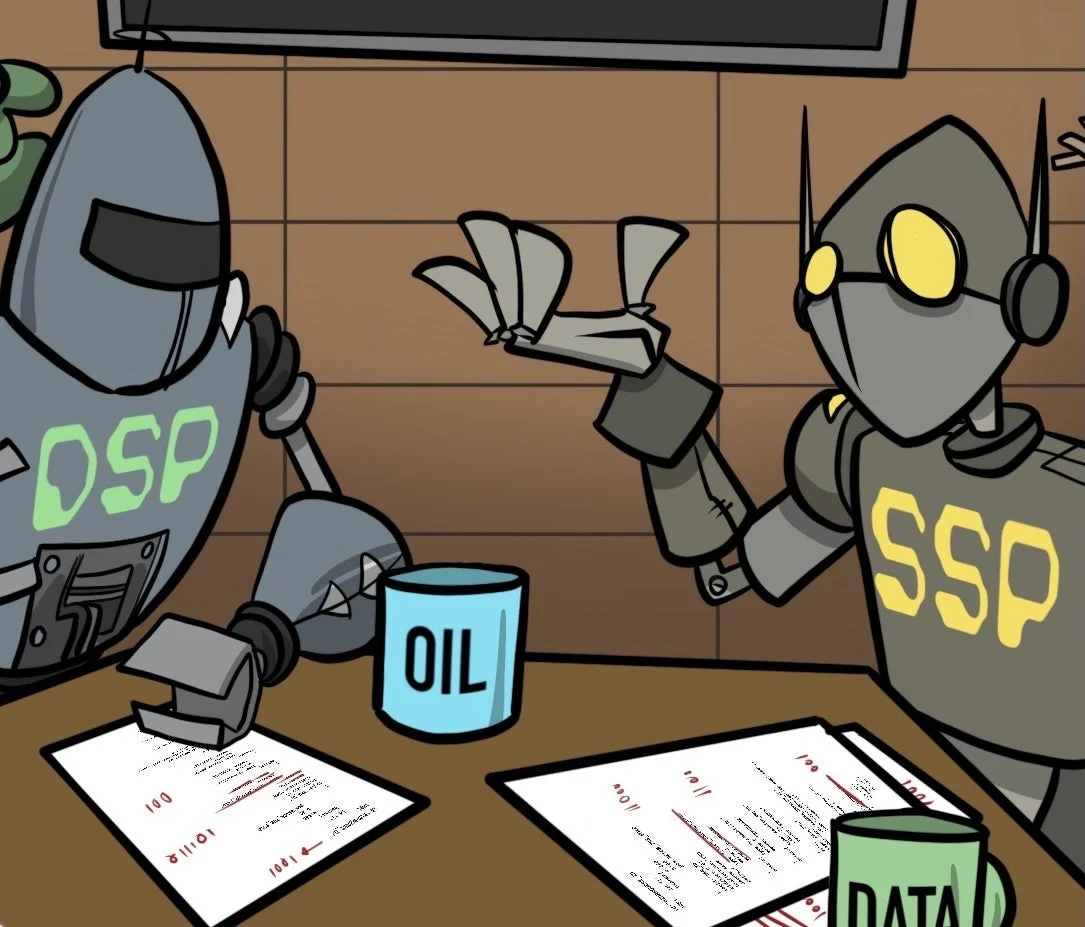
PubMatic’s Agentic AI platform is rapidly transforming the advertising technology landscape, moving beyond its initial stronghold in direct ad buys to power fully autonomous, end-to-end campaigns. The Supply-Side Platform (SSP) revealed during its first-quarter earnings call on Thursday that it has successfully executed over 30 such agentic campaigns, a significant milestone that underscores the platform’s scalability and growing adoption. This innovation is not just a technological advancement; it’s a key driver of PubMatic’s robust financial performance, contributing substantially to its emerging revenue category.
CEO Rajeev Goel shared these pivotal developments with investors, highlighting that beyond the 30 fully autonomous campaigns, the AgenticOS platform has already facilitated more than 1,000 direct publisher deals as of the first quarter of 2026. This dual approach – enabling both end-to-end autonomous campaigns and enhancing direct publisher partnerships – positions PubMatic at the forefront of a new era in programmatic advertising. The company’s commitment to AI-driven solutions is yielding tangible results, evident in the 80% year-over-year growth rate of its emerging revenue category. This segment now accounts for a significant 14% of PubMatic’s total revenue, demonstrating a powerful shift in its business model.
The overall financial health of PubMatic reflects this strategic pivot. The company reported a solid 13% year-over-year increase in total revenue for Q1, reaching $62.6 million. This growth was further bolstered by double-digit year-over-year increases in monetized impressions. Specific channels also showed impressive gains: Connected TV (CTV) as a standalone category experienced an 18% year-over-year surge, while mobile app revenue climbed by a remarkable 25%. These figures paint a picture of a company successfully navigating and capitalizing on evolving market demands, with AI at the core of its expansion strategy.
The Agentic Advantage: Efficiency and Enhanced Value
The impact of PubMatic’s AgenticOS extends beyond its financial contributions, fundamentally improving campaign efficiency and delivering greater value to advertisers. According to CEO Rajeev Goel, buyers utilizing the platform are experiencing a substantial 30% to 40% improvement in Cost Per Mille (CPM) rates. This enhanced efficiency stems from a streamlined approach to the ad tech supply chain. By operating as a single layer of technology, AgenticOS significantly reduces the fees typically collected by multiple intermediaries. This direct, end-to-end model allows buyers to acquire approximately 40% more publisher inventory for the same investment.
Goel drew a parallel between PubMatic’s agentic approach and the operational models of "walled gardens," noting that the platform "looks a lot like what the walled gardens leverage to drive ad performance." This comparison suggests that PubMatic is effectively democratizing access to sophisticated, high-performance advertising technologies that were previously exclusive to major platform players.
PubMatic’s broader strategy for supply chain consolidation is also bearing fruit. The company’s Activate direct-to-buyer connection has seen its business triple since the first quarter of the previous year. Concurrently, its Connect data platform has expanded its network to include over 300 data and commerce media partners. Notable additions to this ecosystem include major players like Walmart Connect and PayPal Ads, underscoring PubMatic’s ability to forge strategic alliances that enhance its data capabilities and market reach.
The mobile app business, a significant revenue driver, saw a 25% year-over-year increase and contributed to a 5% growth in PubMatic’s display advertising segment. Combined revenue from mobile and omnichannel video now constitutes a substantial 79% of PubMatic’s Q1 revenue. This dominance in mobile is further solidified by PubMatic’s integration with the three leading mobile mediation platforms: AppLovin Max, Google AdMob, and Unity LevelPlay. Goel also highlighted that PubMatic now has access to over 90% of global mobile SDK inventory, a testament to its comprehensive reach in the mobile advertising space.
Further demonstrating its AI-forward approach, Goel spotlighted AgenticOS’s Creative Innovation Suite. This AI-powered tool assists in generating consistent creative assets tailored for viewers across CTV, mobile, and online display touchpoints. Agencies such as Horizon Media, Crossmedia, and Kelly Scott Madison have already adopted this suite, signaling its early traction among industry leaders. Goel expressed confidence that these advancements provide a strong foundation for continued AI-driven growth, and the company reaffirmed its Q4 projection of achieving double-digit growth in the latter half of 2026.
Despite these positive indicators, some investors have expressed skepticism regarding the sustainability of PubMatic’s agentic AI business in terms of true revenue growth. Concerns were raised that the volume of agentic deals, while growing, still represents an "immaterial percentage" of PubMatic’s overall business. In response, PubMatic CFO Steve Pantelick emphasized that AI’s influence is pervasive, extending to other critical areas like optimizing campaign setup and troubleshooting for publishers. He anticipates these improvements will contribute to sustained double-digit growth alongside the continued expansion of its mobile and CTV offerings.
Navigating DSP Competition and Market Headwinds
While PubMatic is embracing the future with AI, it is simultaneously grappling with persistent challenges, notably the ongoing competition between Demand-Side Platforms (DSPs) and SSPs for direct advertiser business. The company continues to feel the impact of a major, unnamed DSP – widely understood to be The Trade Desk – which has reduced its spending on PubMatic’s SSP. This reduction is largely attributed to the DSP’s increased adoption of its own direct-to-publisher solution, OpenPath, which effectively bypasses SSPs. This strategic shift by the unnamed DSP contributed to a 12% year-over-year decline in PubMatic’s US revenue during Q1, according to Pantelick. However, this domestic shortfall was partially offset by robust growth in other regions, with the Asia-Pacific region experiencing a 25% increase and Europe, the Middle East, and Africa (EMEA) seeing a 10% rise.
The competitive pressure from this major DSP is projected to continue impacting PubMatic’s earnings in the second quarter. The company anticipates a revenue decrease of between 2% and 4% for Q2. Investors sought further clarification on the extent of this DSP’s influence. Pantelick clarified that revenue from the DSP in question actually exceeded expectations in Q1 due to PubMatic’s proactive efforts to "optimize our platform to meet the needs of this buyer." He expressed confidence that PubMatic expects to fully "lap the impact" of this DSP’s reduced spending by the third quarter of 2026.
To mitigate the revenue impact from this specific DSP’s pullback, PubMatic has proactively diversified its partnerships. The company onboarded over 50 additional DSPs to its partner list in the past year and observed a 20% increase in integrations with mid-market DSPs during Q1. Furthermore, PubMatic secured a significant integration with Amazon DSP this quarter. This collaboration involves incorporating Amazon’s Dynamic Traffic Engine, a move that has reportedly enhanced publisher CPMs by up to 10% since its implementation.
Strategic Vision and Future Growth Avenues
Looking ahead, PubMatic is addressing key organizational changes. The company is actively seeking to fill the roles of CRO of the Americas, Kyle Dozeman, and Chief Growth Officer, Paulina Klimenko, both of whom are departing. Goel indicated that PubMatic is exploring opportunities to consolidate some of these responsibilities into a newly created global Chief Revenue Officer position, signaling a potential restructuring aimed at greater operational efficiency and centralized leadership.
PubMatic identifies continued growth opportunities in serving mid-market, performance-focused DSPs and midsize independent agencies. These entities have demonstrated a quicker adoption rate of AI solutions compared to their larger holding company counterparts, making them a strategic focus for PubMatic’s expansion.
In a move that aligns with the burgeoning generative AI landscape, PubMatic is keenly interested in collaborating with OpenAI as ChatGPT expands its reach into advertising. Goel revealed that PubMatic has already engaged with smaller AI players like Kontext and Dappier and is actively "innovating on the ad formats and appropriate signals to monetize that kind of inventory." He pointed to OpenAI’s ambitious target of generating $100 billion in ad revenue by 2030 as a strong indicator of their need to partner with established platforms like PubMatic. "It’s going to be an ecosystem-wide effort for them to get to that level," Goel concluded, emphasizing the collaborative nature of future ad tech development. This forward-looking perspective underscores PubMatic’s strategic positioning to capitalize on emerging technologies and evolving market dynamics.