rifanmuazin
Choosing the right ecommerce platform as a YouTuber transcends mere feature lists and pricing structures. The paramount consideration is how seamlessly the platform integrates with your YouTube channel and effectively supports your unique sales strategy, whether that involves merchandise, digital downloads, coaching services, or comprehensive online courses. Some platforms prioritize user-friendliness, while others are engineered for scaling robust businesses. A select few are specifically designed for deep integration with YouTube itself, unlocking functionalities such as the coveted product shelf directly beneath your videos or a dedicated storefront seamlessly linked to your channel. Extensive research and comparison of leading ecommerce platforms have been conducted to identify the most advantageous options for YouTubers in the current landscape. This comprehensive guide is designed to assist creators, from those launching their inaugural merchandise line to established YouTubers transitioning their channel into a full-time enterprise, in finding their ideal ecommerce match.
Key Takeaways for YouTubers Selecting an Ecommerce Platform
- Integration is paramount: The most effective platforms offer direct integration with YouTube Shopping features, such as product shelves and channel stores.
- Content aligns with sales: The best platform depends on what you sell—merch, digital products, courses, or coaching.
- Scalability matters: Consider your long-term business goals. Some platforms are built for growth, while others are ideal for quick launches.
- Cost vs. Value: Evaluate pricing models (monthly fees vs. transaction fees) in relation to the features and support offered.
- Ease of use: For beginners, simpler platforms with minimal setup are preferable. For established businesses, more advanced features may be necessary.
Quick Comparison: Top Ecommerce Platforms for YouTubers in 2026
| Platform | Best For | Starting Price (USD) | YouTube Shopping Integration | Highlights |
|---|---|---|---|---|
| Shopify | Scalable, long-term ecommerce brands | $39 per month | Yes | Advanced features, massive app store |
| Spring | Print-on-demand merch | Free to start | Yes | Supports YouTube shelf and channel store |
| Sellfy | Digital products and light merch | $22 per month | No | Clean creator-focused stores with email tools |
| Gumroad | Fast digital sales and simple checkout | Free, 10% fee per sale | No | Low-friction setup, great for digital assets |
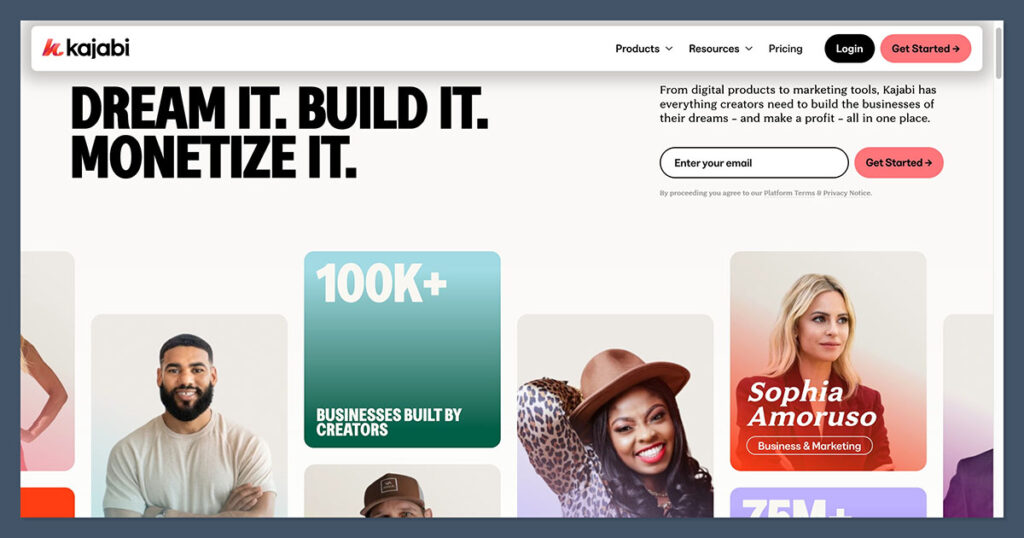
| Kajabi | Courses, memberships, and coaching | $149 per month | No | All-in-one creator business platform |
| WooCommerce | Advanced control with WordPress sites | Free plugin | No | Full flexibility for experienced users |
1. Shopify: Best for Building a Serious Ecommerce Brand
Starting price: $39 per month
YouTube Shopping integration: Yes, with Google Merchant Center setup
Built for: Scalable ecommerce businesses and full product catalogs
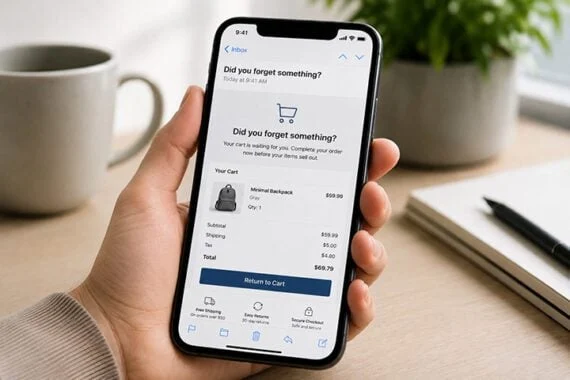
Shopify stands as the most sophisticated ecommerce platform on this list, catering not only to individual creators but also to major ecommerce brands. This robustness makes it an exceptionally powerful tool for YouTubers aiming to build an enterprise beyond a simple merchandise drop. During testing, the depth of functionality within Shopify became immediately apparent. Its professional dashboard provides comprehensive tools for abandoned cart recovery, product bundling, upsells, and detailed analytics. The extensive app store further allows for near-limitless expansion of store capabilities.
For creators already engaged in sales and looking to professionalize their operations, Shopify offers the agility to construct a long-term, sustainable business. While integrating YouTube Shopping via Google Merchant Center requires a more involved setup process, the payoff is significant: full access to the merchandise shelf, channel tab integration, Shorts placement, and livestream shopping capabilities. As of 2026, Shopify continues to be the industry standard for serious online retail, with ongoing updates focusing on enhancing creator-specific tools and AI-driven marketing capabilities.
Pros:
- Unparalleled scalability for growing businesses.
- Extensive app store for custom functionalities.
- Robust analytics and marketing tools.
- Direct integration with YouTube Shopping.
- Professional and customizable storefronts.
Cons:
- Higher starting price point.
- Can have a steeper learning curve for beginners.
- YouTube Shopping integration requires additional setup.
Recent updates from Shopify: Shopify has consistently focused on refining its creator tools, with recent updates including enhanced AI-powered product description generation, improved livestream shopping features, and expanded integrations with social media platforms beyond YouTube. The platform is also bolstering its sustainability initiatives, offering tools for creators to highlight eco-friendly product options.
How Much Does Shopify Cost?
Shopify’s pricing is tiered, starting with the Basic Shopify plan at $39 per month, which includes essential features for new businesses. The Shopify plan ($105 per month) offers lower transaction fees and more staff accounts. Advanced Shopify ($399 per month) provides the lowest transaction rates and advanced reporting. Additional costs may arise from premium themes and apps from the Shopify App Store.
Why Use Shopify in 2026?
Shopify is the definitive choice for YouTubers treating their channel as a serious business and requiring a store that reflects a high level of professionalism. It is engineered for brands that aspire to grow, scale, and eventually distribute across multiple channels. For creators committed to ecommerce beyond mere merchandise, Shopify provides the foundational infrastructure for enduring success.
Shopify is suitable for:
- Creators with established audiences looking to diversify revenue streams.
- Businesses planning to sell a wide range of products.
- YouTubers aiming for a premium brand image.
- Those who anticipate significant sales volume.
Shopify isn’t suitable for:

- Creators with very limited budgets for monthly subscriptions.
- Individuals seeking a purely simple, no-frills selling solution.
- Those who do not wish to engage with the YouTube Shopping integration setup.
2. Spring: Best for Simple Print-on-Demand Merch
Starting price: Free to start
YouTube Shopping integration: Yes
Built for: Creators launching their first merchandise lines
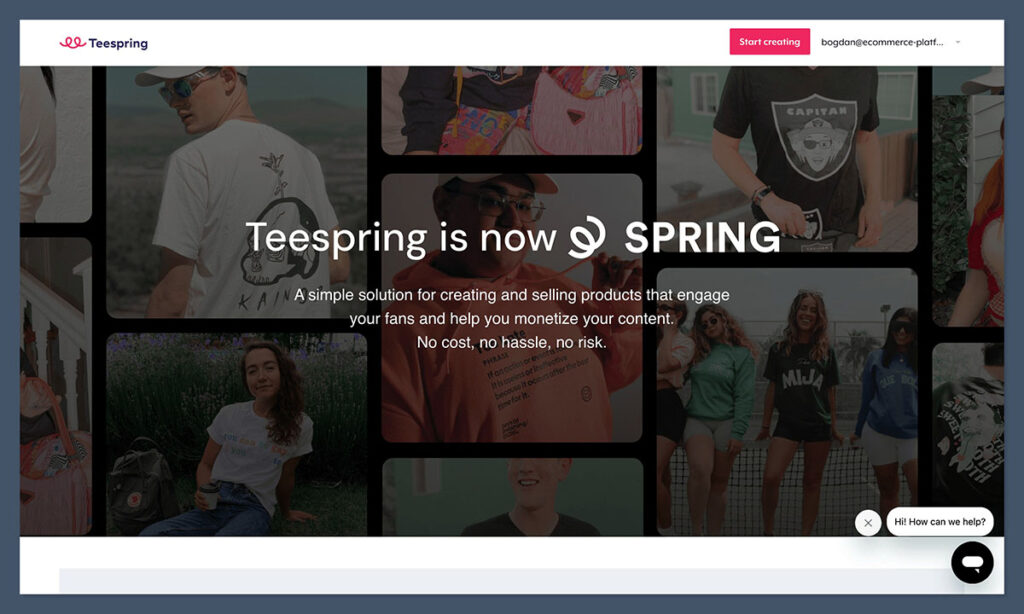
Spring, formerly known as Teespring, remains a dominant force in the YouTube merchandise ecosystem. Its primary appeal lies in its accessibility: it’s free to join, requires no initial investment, and integrates directly with YouTube, enabling product shelf displays, channel store integration, and tagging in Shorts and livestreams.
The platform’s core strength is its unparalleled simplicity. Creators are liberated from the complexities of inventory management, logistics, and fulfillment. The process involves selecting products, uploading designs, and Spring handles the entire production and shipping chain. Profit is realized only upon a sale, allowing creators to test product ideas risk-free. While platforms like Fourthwall have emerged with more contemporary interfaces, Spring boasts a larger creator base and a broader product selection. Its dashboard and design tools, though less cutting-edge than some newer competitors, are highly functional for their intended purpose. For YouTubers prioritizing ease of use and immediate YouTube integration for merchandise, Spring remains an excellent and straightforward option.
Pros:
- Zero upfront cost and no monthly fees.
- Full print-on-demand services included.
- Seamless integration with YouTube Shopping features.
- Extremely easy to get started.
- Handles all manufacturing, shipping, and customer service.
Cons:
- Limited control over product quality and branding compared to self-fulfillment.
- Profit margins can be lower due to production costs.
- Design tools are relatively basic.
Recent updates from Spring: Spring has been actively enhancing its platform by expanding its product catalog, introducing new design tools, and improving its integration capabilities with various social commerce features. They are also focusing on faster turnaround times for production and delivery, a key concern for creators and their audiences.
How Much Does Spring Cost?
Spring operates on a free-to-start model, meaning there are no subscription fees. Creators earn a profit margin on each item sold, which is determined by the base cost of the product and the creator’s chosen markup. Spring handles all payments and payouts, typically on a weekly basis.
Why Use Spring in 2026?
For YouTubers seeking to offer merchandise with no initial financial outlay and full integration into the YouTube platform, Spring presents one of the most straightforward pathways. It eliminates the need for prior ecommerce knowledge, offering a quick, simple, and natively integrated solution within YouTube.
Spring is suitable for:
- New YouTubers wanting to test the waters with merchandise.
- Creators who want to leverage YouTube Shopping features immediately.
- Those who prefer a hands-off approach to product fulfillment.
- Channels focused primarily on fan engagement through branded apparel and accessories.
Spring isn’t suitable for:
- Creators looking for high-end, custom-manufactured merchandise.
- Those who want complete control over their product quality and branding.
- Businesses with complex product lines beyond basic apparel and accessories.
3. Sellfy: Best for Selling Digital Products with Branding Control
Starting price: $22 per month (billed annually)
Built for: Digital product sales and light merchandise
YouTube Shopping integration: No
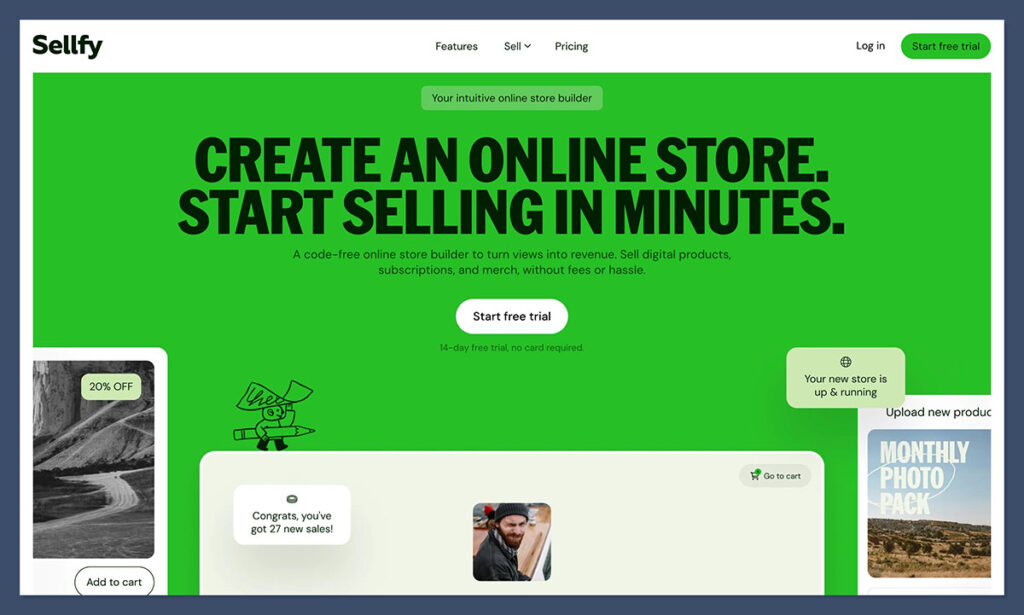
Sellfy presents itself as a creator-centric ecommerce platform, excelling in the sale of digital products, physical goods, and subscription services. During testing, the platform’s swift setup process, intuitive editor, and sleek storefront designs were particularly noteworthy. It offers a more distinctly "store-like" experience compared to Gumroad, which is advantageous for creators prioritizing brand identity and a polished online presence.

Unlike free platforms that deduct a percentage from each transaction, Sellfy operates on a predictable monthly subscription model. This predictability is highly beneficial for creators anticipating consistent sales volume from their YouTube audience. Built-in features such as email marketing tools, discount code generation, and product upsell functionalities mean that integrating additional third-party services is often unnecessary for running effective campaigns.
Pros:
- Intuitive interface and easy store setup.
- Excellent for digital product sales (eBooks, presets, templates).
- Offers a more branded storefront experience.
- Built-in email marketing and discount tools.
- Subscription options for recurring revenue.
Cons:
- No direct YouTube Shopping integration.
- Monthly subscription fee required.
- Limited physical product fulfillment options compared to specialized platforms.
Recent updates from Sellfy: Sellfy has been focusing on enhancing its digital product delivery features, adding more customization options for storefronts, and improving its analytics to provide creators with deeper insights into customer behavior. They have also introduced tools for better managing subscriptions and recurring payments.
How Much Does Sellfy Cost?
Sellfy offers several pricing tiers. The "Starter" plan at $22 per month (billed annually) is ideal for individuals just beginning. The "Business" plan ($59 per month annually) offers more features and higher limits, while the "Premium" plan ($119 per month annually) unlocks the full suite of advanced capabilities.
Why Use Sellfy in 2026?
For creators seeking a more branded and controlled environment to sell digital assets like templates, LUTs, eBooks, or even a modest selection of merchandise, Sellfy provides an excellent equilibrium between design flexibility and user simplicity. It is particularly well-suited for creators already generating consistent sales or those aspiring to establish a more professional online storefront.
Sellfy is suitable for:
- Creators selling digital goods such as presets, e-books, or software.
- Those who want a visually appealing and branded online store.
- YouTubers looking for integrated email marketing tools.
- Creators ready to invest in a dedicated ecommerce solution.
Sellfy isn’t suitable for:
- Creators who need direct YouTube Shopping integration.
- Those primarily focused on large-scale physical merchandise.
- Individuals who prefer a free-to-start model with only per-sale fees.
4. Gumroad: Best for Selling Digital Products Fast
Starting price: Free to start, 10% platform fee per sale
Built for: Instant digital product delivery
YouTube Shopping integration: No
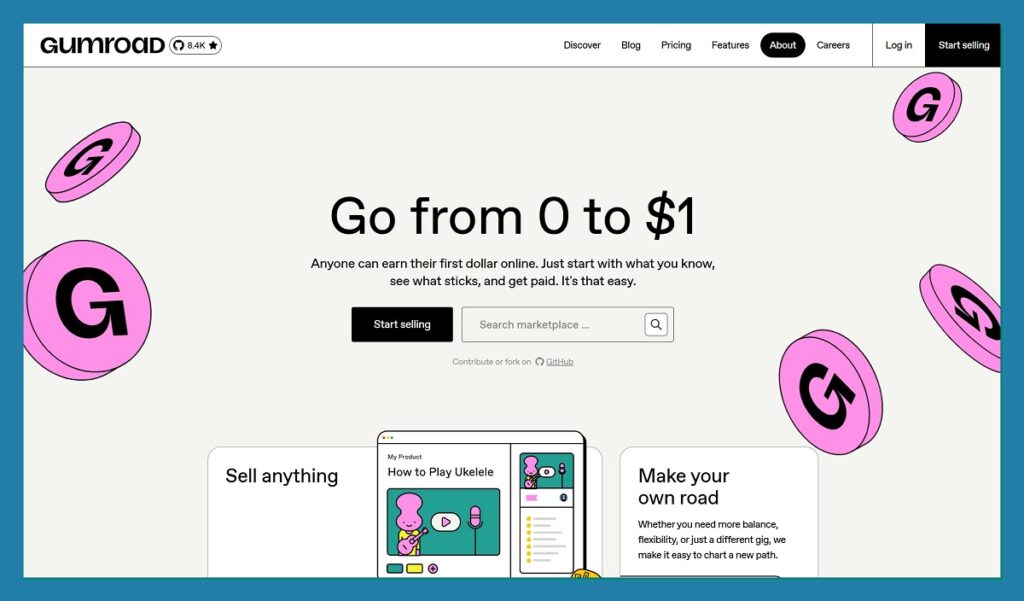
Gumroad is arguably the most expeditious platform for initiating sales of digital products. The process is remarkably straightforward: upload your file, assign a title and price, and begin selling within minutes. For YouTubers with a highly engaged audience ready to purchase, a direct link in the video description can lead to almost immediate sales.
While Gumroad is not engineered for extensive store branding or long-term business scaling, it excels as a tool for testing product concepts or launching small digital offerings. If accepting Gumroad’s 10% transaction fee is acceptable, and a zero-maintenance setup is desired, this platform serves as an ideal starting point. Its low-friction approach makes it exceptionally effective for quick conversions.
Pros:
- Extremely fast and simple setup for digital products.
- Free to start, with fees only applied per sale.
- Low barrier to entry for testing product ideas.
- Supports various digital file types.
- Easy integration with external links.
Cons:
- No direct YouTube Shopping integration.
- Higher transaction fees compared to subscription models.
- Limited customization and branding options for the storefront.
- Not ideal for physical products or complex sales funnels.
Recent updates from Gumroad: Gumroad has focused on streamlining its checkout process and improving the creator dashboard for better sales tracking. While not introducing major new features, it consistently refines its core functionality for speed and ease of use.
How Much Does Gumroad Cost?
Gumroad charges a flat 10% fee on every sale, covering payment processing and platform costs. There are no monthly subscription fees, making it a cost-effective option for creators with sporadic sales or those just starting out.
Why Use Gumroad in 2026?
Gumroad represents the most accessible route for creators to begin selling digital content to their audience. Its frictionless nature and speed make it ideal for those who do not require elaborate branding or advanced ecommerce functionalities. For testing product viability or capitalizing on a warm YouTube audience, Gumroad performs exceptionally well.
Gumroad is suitable for:
- Creators selling e-books, software, music, or digital art.
- YouTubers who want to quickly monetize a specific piece of content.
- Those prioritizing a simple, no-hassle selling experience.
- Beginners testing the market for digital products.
Gumroad isn’t suitable for:
- Creators needing direct YouTube Shopping integration.
- Businesses with significant physical product sales.
- Those who find the 10% transaction fee prohibitive for high-volume sales.
- Creators seeking a highly branded online store.
5. Kajabi: Best for Courses, Coaching, and Memberships
Starting price: $149 per month (billed annually)
Built for: Course creators, coaches, and knowledge-based businesses
YouTube Shopping integration: No
Kajabi is a premium, all-in-one platform designed for YouTubers who aim to build a business centered around education, personal transformation, or community engagement, rather than solely physical or digital products. It provides a unified environment for creating and selling online courses, managing coaching programs, hosting memberships, and even fostering private communities—all accessible from a single dashboard.
The standout feature of Kajabi during testing was its integrated approach. Instead of piecing together disparate tools for email marketing, landing pages, video hosting, and checkout processes, Kajabi consolidates these essential functions. Its onboarding is clear, templates are polished, and email marketing automation is both powerful and user-friendly.
While Kajabi commands a higher price point than many other platforms on this list, its value proposition is undeniable for creators whose monetization strategy revolves around delivering transformative content. It is not a platform for merchandise but rather for selling outcomes—whether that’s a fitness program, a digital bootcamp, or an in-depth video course.
Pros:
- All-in-one platform for courses, memberships, and coaching.
- Robust marketing and email automation tools.
- High-quality video hosting and content delivery.
- Professional website and landing page builder.
- Strong focus on creator business growth.
Cons:
- Most expensive platform on the list.
- No direct YouTube Shopping integration.
- Less suitable for purely physical product sales.
- Steeper learning curve due to extensive features.
Recent updates from Kajabi: Kajabi continues to enhance its course creation tools, introduce more sophisticated marketing automation sequences, and improve its community features. They are also investing in AI-powered content creation assistance and advanced analytics for better business insights.
How Much Does Kajabi Cost?
Kajabi’s pricing starts with the "Basic" plan at $149 per month (billed annually), offering core features for up to 3 products. The "Growth" plan ($199 per month annually) increases product limits and marketing capabilities, while the "Pro" plan ($399 per month annually) provides advanced features for larger businesses.
Why Use Kajabi in 2026?
Kajabi is the premier choice for YouTubers transforming their channel into a business focused on delivering significant value through education, skill development, or exclusive community access. It acts as a centralized hub, enabling content delivery, audience engagement, and long-term relationship building without the need to juggle multiple software subscriptions.
Kajabi is suitable for:
- Expert YouTubers offering online courses or workshops.
- Coaches and consultants monetizing their expertise.
- Creators building paid communities or membership sites.
- Businesses focused on knowledge transfer and transformation.
Kajabi isn’t suitable for:
- Creators primarily selling physical merchandise.
- Those on a very tight budget for monthly software expenses.
- Individuals who do not require advanced course or membership features.
- Creators who need direct YouTube Shopping integration for product shelves.
6. WooCommerce: Best for WordPress Users Who Want Full Control
Starting price: Free plugin (extra costs for hosting, extensions, and themes)
Built for: Custom ecommerce on WordPress websites
YouTube Shopping integration: No
WooCommerce serves as the de facto ecommerce solution for users of the WordPress platform. Its open-source nature provides unparalleled flexibility and customization, albeit with a greater degree of user responsibility. For YouTubers who already maintain a WordPress website and wish to consolidate their content and ecommerce operations within a single ecosystem, WooCommerce offers comprehensive control.
During testing, WooCommerce demonstrated immense power but requires a more technically adept user. Managing plugins, themes, hosting, and updates falls under the user’s purview. However, this control extends to every facet of the online store, from checkout flow and product types to SEO optimization and marketing integrations.
WooCommerce is particularly advantageous for creators who produce content beyond YouTube, such as blog posts or tutorials, and desire an integrated ecommerce experience. It’s important to note that YouTube Shopping does not offer direct integration with WooCommerce.
Pros:
- Complete control and customization over your online store.
- Integrates seamlessly with existing WordPress websites.
- Vast library of plugins and extensions for added functionality.
- Cost-effective if you already manage a WordPress site.
- Strong SEO capabilities.
Cons:
- No direct YouTube Shopping integration.
- Requires technical knowledge for setup and maintenance.
- Costs can accumulate with hosting, premium themes, and extensions.
- Steep learning curve for beginners.
Recent updates from WooCommerce: WooCommerce continuously updates its core plugin and associated extensions to improve security, performance, and user experience. Recent developments have included enhanced block editor support for more flexible store design and improved integrations with payment gateways and shipping providers.
How Much Does WooCommerce Cost?
The WooCommerce plugin itself is free. However, users will incur costs for WordPress hosting (ranging from $5 to $50+ per month depending on needs), a domain name ($10-$20 per year), and potentially premium themes and extensions, which can range from free to hundreds of dollars.
Why Use WooCommerce in 2026?
WooCommerce is the optimal choice for individuals already operating a WordPress site or those seeking maximum customization and granular control over their ecommerce presence. It allows for the design of every store element and the unified management of content and commerce. For creators deeply embedded in the WordPress ecosystem, it represents a natural and powerful extension of their existing online infrastructure.
WooCommerce is suitable for:
- Creators with established WordPress websites.
- Those who require extensive customization and flexibility.
- Users comfortable with managing website hosting and plugins.
- Businesses that want to integrate content marketing and ecommerce seamlessly.
WooCommerce isn’t suitable for:
- Creators who want a quick, no-code ecommerce solution.
- Those who do not have or want a WordPress website.
- Individuals seeking direct YouTube Shopping integration.
- Beginners with limited technical expertise.
How to Choose the Best Ecommerce Platform as a YouTuber
The ideal ecommerce platform for a YouTuber is highly dependent on their specific sales model and audience engagement strategy. Not all platforms are engineered to serve the diverse needs of content creators equally.
- For immediate merchandise under videos: Spring offers the fastest setup and direct YouTube integration, making it ideal for launching merch quickly without upfront costs.
- For building a brand beyond YouTube: Shopify is the superior choice, providing the scalability and deep ecommerce features necessary to grow a substantial brand across multiple channels.
- For selling digital downloads or assets: Beginning with Gumroad offers unparalleled speed and simplicity. As sales grow and branding becomes more critical, transitioning to Sellfy provides enhanced control and a more professional storefront.
- For offering coaching or courses: Kajabi is purpose-built for this niche, consolidating all necessary tools into a single, powerful business hub.
- For creators with an existing WordPress site: WooCommerce allows for seamless integration, keeping content and commerce within the same digital environment.
The most critical advice for any YouTuber venturing into ecommerce is to simply begin. The chosen platform can always be upgraded or switched as the channel and audience evolve. What proves effective at 1,000 subscribers may not suffice at 100,000, and that evolution is natural. Starting with the most straightforward tool that aligns with current objectives, rigorously testing offers, and actively soliciting audience feedback is key. The sooner a product is presented to viewers, the faster a creator will discern what resonates and what does not.
Our Testing Methodology
The evaluation of these ecommerce platforms spanned six weeks, with a specific focus on their efficacy for YouTubers rather than general ecommerce applications. Each platform was assessed from a creator’s perspective: this included setting up a store, attempting integration with YouTube channels where applicable, uploading sample products, and meticulously reviewing the end-to-end buyer experience.
| Criteria | What We Evaluated |
|---|---|
| YouTube integration | Native Product Shelf support, channel store availability, Shorts/livestream tagging, and setup complexity. |
| Creator fit | How well the platform handles the diverse sales mix of merch, digital products, and memberships common among YouTubers. |
| Pricing transparency | Actual costs at varying sales volumes (10, 100, 1,000 sales/month), including platform fees, payment processing, and essential add-ons. |
| Setup and ease of use | Time from signup to first live product, clarity of the dashboard, and quality of the onboarding process. |
| Branding & storefront | Design customization options, domain flexibility, and the overall professional appearance of the final storefront. |
| Scalability | The platform’s capacity to support a creator’s growth from nascent stages to a large subscriber base without requiring a forced migration. |
| Support & operations | Fulfillment handling, customer service quality, and tax compliance, including Merchant of Record status where applicable. |
Platforms that demonstrably failed on at least two evaluation criteria were excluded from this analysis, even if they performed well in broader ecommerce reviews. The overarching objective was to answer a single, critical question: if a YouTuber were to launch today, which platform would provide the most direct route to sustainable revenue without hindering future growth potential?
Final Verdict: Which Platform Should You Choose?
There is no single platform that universally "wins" for every creator. The optimal selection is contingent upon the specific products being sold, the size and engagement of the YouTube channel, and the desired level of operational involvement.
- Best for scaling a real ecommerce brand: Shopify. For creators whose ambitions extend beyond the immediate YouTube audience, Shopify offers the most robust feature set and scalability to evolve into a comprehensive commerce business.
- Best for a first merch drop with zero cost: Spring. It remains the most accessible method for deploying merchandise directly under videos, requiring no upfront investment and featuring native YouTube integration.
- Best for selling digital products: Gumroad for initial launch, Sellfy for growth. Gumroad enables immediate sales, while Sellfy offers better margins and a more professional storefront as sales become consistent.
- Best for courses, coaching, and memberships: Kajabi. For creators whose YouTube content leads to paid programs rather than physical goods, Kajabi consolidates all necessary tools into a single, efficient platform.
- Best for creators already on WordPress: WooCommerce. It provides complete control, extensive customization, and a unified ecosystem for content and commerce.
For the majority of YouTubers initiating their ecommerce journey today, a combination of Spring for merchandise and Gumroad for quick digital product sales will likely yield the best initial results. The ability to migrate platforms later offers flexibility, underscoring the importance of selecting the solution that minimizes friction for launching the first product this week.
Frequently Asked Questions
How many subscribers do I need before I can sell products on YouTube?
You can sell products linked from your video descriptions regardless of your subscriber count. However, to access native YouTube Shopping features like the product shelf and channel store, a minimum of 10,000 subscribers is typically required, along with a monetized channel and eligibility in a supported country. Platforms like Spring often offer expedited onboarding for creators below the YouTube Shopping threshold, allowing them to leverage direct links effectively.
Does YouTube take a cut of my ecommerce sales?
No, YouTube does not impose a commission on products sold through your integrated store. Whether utilizing Shopify, Spring, or another platform, you retain the full profit margin determined by your chosen ecommerce provider. YouTube’s revenue sharing applies exclusively to content monetization such as advertisements and channel memberships, not to your merchandise or digital product sales.
Can I use more than one ecommerce platform at the same time?
Yes, it is common for YouTubers to utilize multiple ecommerce platforms concurrently. A frequent strategy involves using Spring for merchandise, Gumroad for rapid digital downloads, and Kajabi for premium courses. The primary trade-off is the fragmentation of analytics and the management of multiple dashboards. For creators just beginning, it is advisable to focus on one platform until a clear need arises for additional solutions.
What’s the difference between YouTube Shopping and a regular store link in the description?
A store link placed in the video description directs viewers away from YouTube to your external website. YouTube Shopping, conversely, integrates your products directly within the YouTube interface—underneath videos, in a dedicated channel store tab, on Shorts, and during livestreams—eliminating the need for viewers to leave the platform. This native integration typically results in higher conversion rates due to reduced friction. However, it necessitates using one of the supported platforms, such as Shopify or Spring.
Do I need an LLC to sell merch on YouTube?
While not strictly mandatory in most jurisdictions, you can sell as a sole proprietor. Platforms like Spring often handle tax documentation as the Merchant of Record for their catalog products. However, many creators establish an LLC or equivalent legal entity once their sales become consistent. This separation of personal and business finances provides liability protection. Consulting with a local accountant is recommended before making such a decision.
Which platform is cheapest for a creator with under 10,000 subscribers?
Free-to-start platforms like Spring and Gumroad are the most financially prudent options for smaller channels, as they incur no costs until a sale is made. Shopify and Kajabi, with their monthly subscription fees, are more suitable for creators with predictable revenue streams. The absolute cheapest option depends on the product: Gumroad is ideal for sporadic digital product sales, while Spring is best for low-volume merchandise.
Can I switch platforms later without losing customers?
Generally, yes. Customer lists, product designs, and digital files can often be migrated manually. However, subscription or membership billing history is typically not transferable, meaning existing members may need to re-subscribe on the new platform. Most creators manage this transition with promotional discounts and clear communication. Shopify and Kajabi offer dedicated migration support services for those moving from other platforms.
Do I need to handle shipping and customer service myself?
This is dependent on the platform and services chosen. Spring and most print-on-demand integrations available through Shopify manage manufacturing, shipping, and customer service autonomously. Spring also acts as the Merchant of Record, handling tax calculations and remittances. For creators who wish to focus solely on content creation, selecting a platform that offloads operational responsibilities is a strategic advantage.