rifanmuazin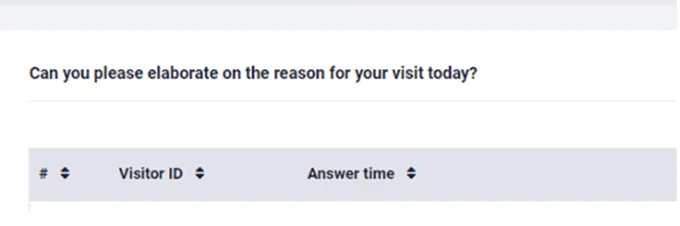
The digital marketing landscape in 2025 has reached a critical juncture where the traditional methods of tracking user behavior are becoming obsolete. As major browsers continue to phase out third-party cookies and privacy regulations like GDPR and CCPA become more stringent, businesses are facing a "data blackout." In this environment, the humble website poll has emerged not as a relic of early web design, but as a sophisticated instrument for gathering zero-party data—information that customers intentionally and proactively share with a brand. While many users still associate polls with intrusive pop-ups that block content with vague inquiries, industry experts at conversion rate optimization (CRO) firms like Invesp argue that a strategically deployed poll is often the only way to bridge the gap between quantitative "what" and qualitative "why."
The shift toward intentional polling represents a move away from "gut-feeling" marketing toward a rigorous, data-driven methodology. Digital marketers are increasingly finding that while tools like Google Analytics 4 (GA4) can show a high exit rate on a checkout page, they cannot explain the psychological barriers preventing a purchase. Whether it is a hidden shipping cost, a lack of trust in payment security, or simply a confusing interface, the specific friction point remains invisible without direct user feedback. By integrating polls into a broader CRO framework, companies are transforming these brief interactions into actionable intelligence that can significantly move the needle on conversion rates.
The Evolution of User Feedback: From Noise to Insight
Historically, website polls were treated as an afterthought, often asking generic questions like “How are we doing today?” at inappropriate times. However, the modern approach to polling is deeply rooted in behavioral science. Khalid Saleh, a prominent figure in the CRO industry, emphasizes that polls are not intended to replace comprehensive qualitative research but to sharpen it. By collecting a few specific data points from a large volume of visitors, businesses can validate hypotheses generated from smaller, more intensive studies such as one-on-one customer interviews or usability tests.
The resurgence of polling in 2025 is largely driven by the necessity of zero-party data. Unlike first-party data, which is gathered through observation (such as click paths and time-on-site), zero-party data is given freely by the user. This distinction is vital for building brand trust. When a user answers a poll about their preferences or challenges, they are engaging in a dialogue with the brand. This dialogue, when handled with respect for the user’s experience, provides a level of accuracy that predictive algorithms often fail to reach.
A Data-Driven Framework for Poll Construction
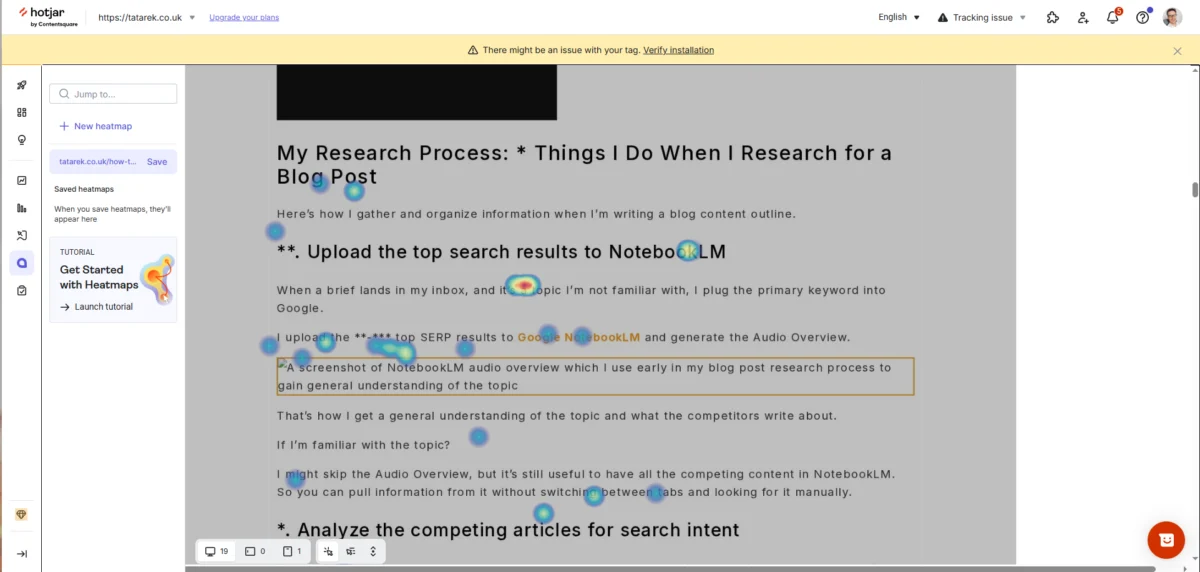
The process of creating an effective poll does not begin with writing questions; it begins with exhaustive research. Professional optimizers suggest that before a poll is even drafted, a company must conduct a "Heuristic Evaluation" and an analysis of existing analytics. This includes reviewing heatmaps, session recordings, and funnel reports to identify where users are struggling.
For example, if session replay videos show users hovering over a specific feature but never clicking it, a poll can be triggered specifically for that behavior. Instead of asking a general question, the poll might ask, "Is there something about this feature that is unclear?" This targeted approach ensures that the feedback is relevant to the specific friction point. The goal is to move beyond assumptions. If ten customer interviews suggest that users are worried about a subscription’s cancellation policy, a site-wide poll can confirm if that concern is shared by the broader 90% of the traffic.
Mapping Polls to the Buyer’s Journey
One of the most common mistakes in digital polling is "casting a wide net." To be effective, a poll must be synchronized with the visitor’s stage in the buyer’s journey. Asking a first-time visitor on a landing page why they haven’t purchased yet is premature and likely to cause irritation. Conversely, asking a returning customer what they think of the brand’s mission might be a missed opportunity to identify a specific conversion barrier.
The five stages of the buyer’s journey—Awareness, Interest, Desire, Action, and Post-Action—require distinct polling strategies:
- Awareness and Interest Stages: Visitors here are often looking for information. Polls should focus on "Motivators." Questions such as "What brought you to our site today?" or "Did you find the information you were looking for?" help marketers understand the intent behind the traffic.
- Desire and Action Stages: These visitors are on product pages or in the checkout funnel. Polls here should focus on "Barriers." This is where "FUDs" (Fears, Uncertainties, and Doubts) are identified. A high exit rate on a funnel page is a prime location for a poll asking, "Is there anything preventing you from completing your order?"
- Post-Action Stage: After a purchase, the focus shifts to "Hooks" and "Satisfaction." Understanding why a customer chose your brand over a competitor provides the "hook" that can be used in future marketing copy.
To accurately deploy these polls, businesses use segmentation tools provided by platforms like HubSpot or GA4. By creating a funnel-type dashboard, marketers can see where their pipeline is segmented and trigger polls based on specific user segments, such as "new visitors" versus "returning customers."
Categorizing Poll Questions for Maximum Impact
To derive the most value from polling, questions are typically categorized into four or five main types, each serving a specific strategic purpose.
Motivator Questions
These questions aim to uncover the underlying reason for a visit. In one case study, an e-commerce client noticed users scrolling aimlessly on their site without clicking any calls-to-action (CTAs). By deploying a motivator poll, they discovered that users were looking for a specific category of product that was buried in the navigation. The data from the poll allowed the company to redesign their menu, leading to a direct increase in engagement.
Barrier Questions
Barrier questions are designed to pinpoint friction. Common barriers include price, lack of information, or technical bugs. If analytics show a high drop-off on a specific page, a barrier poll can ask: "What’s the one thing that nearly stopped you from buying from us today?" The responses often reveal simple fixes, such as adding a "frequently asked questions" section or clarifying shipping times.
Hook Questions
Hooks are the persuasive elements that successfully convert a visitor. By asking successful buyers, "What is the primary reason you chose us over another brand?" companies can identify their true competitive advantage. Often, the reason customers give is different from what the marketing team assumed was their strongest selling point.
Content Discovery Polls
These are used to identify "missing content." Even the most well-designed site can have information gaps. If a usability test shows participants struggling to find specifications, a poll on the product page can ask: "Is there any information missing from this page that you need?" This is particularly useful for category pages where users might feel overwhelmed by choices.
Validating Qualitative Findings through Scale
A critical role of polling is the validation of small-scale qualitative data. In the professional CRO workflow, deep-dive interviews might only involve 10 to 20 participants. While these interviews provide rich, emotional insights, they are not always statistically significant.
For instance, if three out of ten interviewees mention they chose a service because of its "eco-friendly packaging," a company might be tempted to overhaul its branding. However, by running a site-wide poll asking, "How important is eco-friendly packaging to your purchase decision?" the company can determine if that sentiment is shared by the thousands of other visitors. This prevents businesses from making expensive changes based on outlier opinions.
Technical Implementation and the "Annoyance Factor"
The primary argument against website polls is their potential to degrade the user experience (UX). However, the "annoyance factor" is almost always a result of poor timing rather than the poll itself. In 2025, advanced polling software allows for "trigger-based" deployment. Instead of appearing the moment a page loads, polls can be set to trigger when a user shows exit intent (moving the cursor toward the close button), after they have scrolled 70% of a page, or after they have spent a specific amount of time on a high-value page.
Furthermore, the design of the poll matters. Minimalist designs that slide in from the corner are less intrusive than full-screen overlays. Modern best practices also suggest keeping polls to a single question initially, with the option for the user to provide more detail if they choose. This "micro-conversion" approach respects the user’s time while still capturing essential data.
The Broader Impact: Long-term Strategy and LTV
The implications of effective polling extend beyond immediate conversion rate increases. By consistently listening to the customer, companies can improve Lifetime Value (LTV) and customer retention. Satisfaction polls, such as those measuring Net Promoter Score (NPS) or Customer Satisfaction (CSAT), provide a pulse on the brand’s health.
When a poll asks, "How would you feel if we discontinued this service?" it provides a safety net for product development teams. This prevents the "New Coke" syndrome—making changes that alienate a loyal customer base. In the current economic climate, where acquiring a new customer is significantly more expensive than retaining an existing one, these insights are invaluable.
Conclusion: The Mirror of Intentionality
Website polls, when used with intention, become a mirror reflecting the truth behind the raw data. They transform a website from a static storefront into a dynamic, responsive environment. As we move further into 2025, the ability to collect and act upon zero-party data will be a primary differentiator between brands that thrive and those that struggle to understand their audience.
The key takeaway for digital marketers is that polls are not a standalone solution but a component of a larger, research-driven ecosystem. By allowing user behavior to drive the questions and using data to validate the answers, businesses can move away from guesswork. In the end, the most successful polls are those that don’t just ask questions, but provide the answers needed to create a more seamless, user-centric web experience.