rifanmuazin
In an era where differentiation is paramount, the very essence of a business’s identity – its brand personality – has emerged as a critical differentiator. This intrinsic characteristic, akin to human traits, dictates how a company looks, speaks, and behaves, ultimately shaping customer perception and fostering lasting loyalty. For businesses, particularly small enterprises operating with limited budgets, cultivating a distinct brand personality is not merely a marketing tactic but a strategic imperative that can level the playing field and capture consumer attention. This guide delves into the multifaceted nature of brand personality, offering a framework for its development and showcasing exemplary brands that have mastered its art.
Defining Brand Personality: More Than Just a Logo
At its core, brand personality is the ensemble of human qualities that a brand consistently projects. It encompasses every detail that renders a brand recognizable, relatable, and, ideally, cherished by its audience. This personality serves as a compass, guiding decisions in visual design, messaging, and customer interactions, subtly yet effectively communicating the brand’s core values and ethos.

It is crucial to distinguish brand personality from brand voice. While brand personality defines who a brand is – its character, be it confident, playful, thoughtful, or rebellious – brand voice articulates how that personality communicates. Voice is the specific manifestation of personality through language, tone, and word choice. Think of personality as the actor and voice as their dialogue; one is the inherent character, the other its vocal expression.
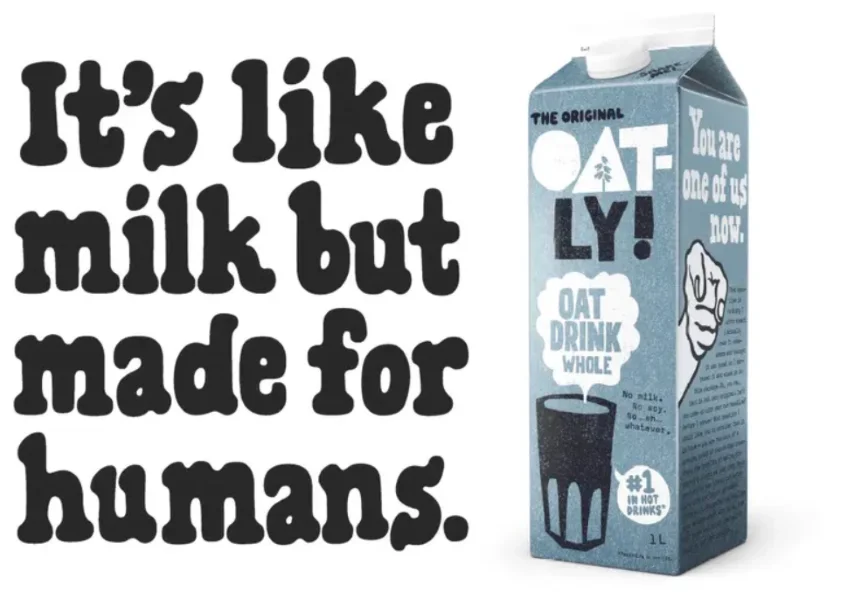
Successful brands, irrespective of their size, exhibit a discernible brand personality. Oatly, for instance, projects an outspoken and somewhat rebellious persona, employing humor and blunt honesty to challenge conventional industry narratives. Olipop embodies an optimistic and modern spirit, making healthier choices feel accessible through its friendly, wellness-centric tone. Airbnb cultivates a warm and human personality, centered on the concepts of belonging and curiosity, inviting users to experience destinations through a local lens. These brands demonstrate that a well-defined personality transcends product or service offerings, forging deeper connections with consumers.
The Indispensable Value of Brand Personality
The significance of brand personality lies in its ability to forge an emotional connection with consumers, often before the functional aspects of a product or service are even considered. It’s the intangible quality that allows a brand to resonate deeply, occupying a memorable space in the consumer’s mind until the point of purchase. This enduring presence, often described as "living rent-free" in the target audience’s head, is a testament to the power of a well-crafted personality.

Brand personality quietly influences how a company presents itself to the world, and this presentation has profound implications:
- Enhanced Memorability: In a saturated market, a distinctive personality makes a brand stand out from the clutter, increasing recall and recognition.
- Deeper Customer Loyalty: When consumers connect with a brand’s personality on an emotional level, they are more likely to develop loyalty, transcending price points and competitive offerings.
- Improved Brand Differentiation: A unique personality sets a brand apart from competitors, even if their products or services are similar.
- Stronger Emotional Resonance: Brands with relatable personalities can evoke specific emotions, creating a powerful bond with their audience.
- Increased Perceived Value: A well-defined and consistently executed brand personality can elevate the perceived value of a product or service, justifying premium pricing.
- Effective Communication: A clear personality provides a consistent framework for all brand communications, ensuring a unified and impactful message.
- Talent Attraction and Retention: A strong brand personality can attract employees who align with the company’s values and culture, fostering a more engaged workforce.
A 7-Step Framework for Cultivating Brand Personality
Developing a compelling brand personality requires a deliberate and strategic approach, moving beyond superficial adjectives. It’s about making intentional choices that authentically reflect a business’s identity, its target audience, and its desired presence. This framework provides a practical roadmap:
1. Rooted in Truth: Unearthing Your Business’s Core Identity
The foundational step involves a deep dive into the intrinsic truths of your business. This means examining why the company exists, how decisions are made, and what principles would remain steadfast even without external observation. The founding story, the tangible manifestation of core values, and the founder’s personal ethos often play a significant role, especially for smaller enterprises. A robust brand personality is inherently grounded in reality, not aspirational ideals.
2. Understanding Audience Emotional Needs: Building a Relatable Connection
Brand personality thrives on the relationship between a business and its audience. To shape this effectively, it’s crucial to understand not only who your audience is but also how they desire to feel when interacting with brands like yours. Are they seeking reassurance, a sense of progress, belonging, confidence, or perhaps an escape from the mundane? Identifying these emotional needs allows your brand personality to serve as a resonant anchor across all touchpoints.
Pandora, the global jewelry brand, exemplifies this by positioning itself as a vehicle for personal storytelling through its customizable charm bracelets. Their tagline, "Mini charms, big meanings," encapsulates a romantic, personal, and emotionally expressive personality that prioritizes sentiment over superficial status.
3. Defining Personality Traits with Precision
With a clear understanding of your brand’s foundation and your audience’s emotional landscape, the next step is to define specific personality traits. Aim for three to five core traits that are distinctive, meaningful, and actionable. Focus on how these traits will be perceived by your audience. For example, "confident" is often more impactful than "professional," and "curious" can resonate more effectively than "innovative." For each trait, articulate precisely what it means in practice and, equally importantly, what it does not signify. This clarity prevents vague interpretations and ensures consistent application.

Apple’s iconic "Think Different" campaign perfectly embodies its essence: calm, confident, and precise, allowing the quality of its craftsmanship to speak for itself.
4. Crafting a Personality Statement and Brand Style Guide
Consolidate your defined traits into a concise personality statement that captures the brand’s essence in a few grounded sentences. This statement should be easily understood by anyone interacting with the brand. Subsequently, translate this personality into a comprehensive brand style guide. This guide should translate abstract traits into practical directives, covering aspects such as voice and tone, visual cues, and clear examples of what to do and what to avoid. In the current digital landscape, incorporating AI brand guidelines is also a crucial consideration. This step transforms abstract concepts into actionable tools for consistent brand expression.
5. Translating Personality into Tangible Behavior
A brand personality is rendered ineffective if it remains confined to documentation. It must permeate real-world decisions and actions. This is where many brands falter. Consider how your brand’s personality influences headline writing, packaging design, customer complaint resolution, onboarding processes, and even the decision to decline opportunities. If your brand is characterized as "bold," where does it demonstrate this boldness? If "caring" is a core tenet, how does this manifest when something goes wrong? The inability to identify these traits in everyday scenarios renders the brand personality a mere decorative label, missing its fundamental purpose.
Duolingo’s iconic green owl mascot, Duo, provides a clear illustration of personality translated into behavior. Duo’s persistent and sometimes chaotic actions reinforce the brand’s playful and relentless personality, consistently reflected in notifications, social media posts, and product copy.
6. Empowering Employees as Brand Ambassadors
Employees are the most potent conduits of a brand’s personality, bringing it to life in everyday conversations and interactions. This necessitates ensuring they understand the brand’s identity and how it should be expressed in practice. When employees are empowered to make decisions through the lens of brand personality, they move beyond scripts and engage with greater confidence. The ultimate aim is to transform routine interactions into consistently on-brand experiences. Encouraging employees to share content that reflects the brand’s personality further amplifies its reach.
7. Rigorous Testing for Consistency and Longevity
Before solidifying your brand personality, subject it to rigorous testing against real-world scenarios. How does it hold up during a crisis? Does it remain consistent across various channels, teams, and stages of growth? Will it maintain its relevance in the long term? A well-designed brand personality should possess the flexibility to evolve while retaining its core recognizability.

Exemplary Brands Mastering Brand Personality
Observing brand personality in action can ignite creative thinking. The following businesses exemplify clarity, consistency, and the seamless integration of personality into every strategic decision:
Heinz: Confident and Iconic
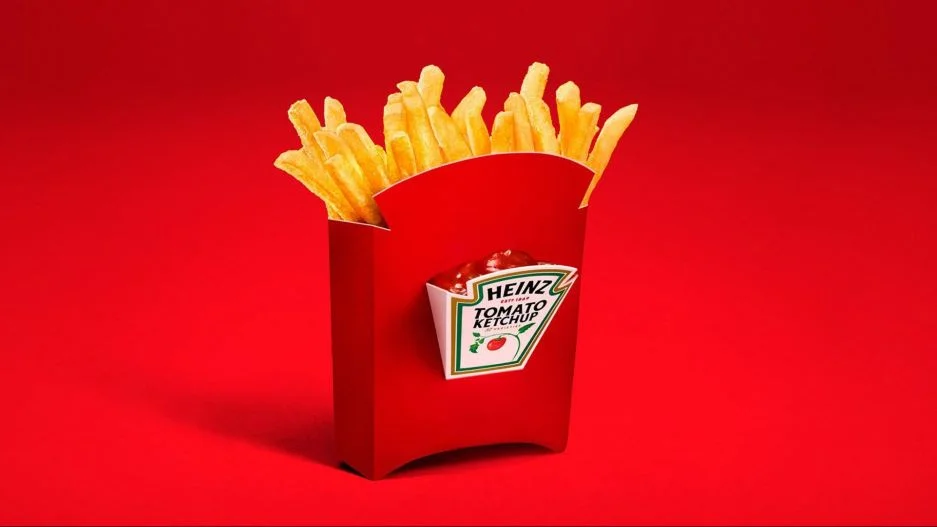
Heinz embodies a brand personality that is confident, dependable, and unapologetically classic. It positions itself as an authority in its category, grounded in heritage and quality rather than fleeting trends. There is an understated confidence in Heinz’s presentation, trusting that consistency, familiarity, and superior taste speak for themselves. The brand adeptly balances this with wit and cultural relevance, reinforcing its iconic status without overt displays. This is exemplified in their recent campaign featuring the Heinz Dipper, a French fry box with an integrated ketchup compartment, merging practicality with playful innovation.
Native: Honest and Reliable
Native stands out with its honest, approachable, and feel-good brand personality. The company communicates with unvarnished clarity about its commitment to creating clean, simple, effective products free from undesirable ingredients. Native consistently foregrounds its brand personality in advertising, projecting reliability and a focus on empowering consumers to feel confident about the products they use.
Headspace: Calm and Supportive
Headspace cultivates a brand personality that is calm, reassuring, and fundamentally human. It positions itself as an accessible guide, demystifying mindfulness and mental health. The brand acknowledges the sensitive nature of mental well-being, employing a warm, simple tone that reduces pressure and encourages individuals to begin their journey at their own pace. Headspace’s empathy is evident in its gentle visuals and clear language, building trust through a supportive approach. Ebb, their AI companion, further reinforces this by offering personalized recommendations based on users’ emotional states.
Petbarn: Caring and Knowledgeable
Petbarn demonstrates a profound understanding of the deep bond between pet owners and their animals. The brand projects a personality that is caring, practical, and intensely pet-focused. This translates into communication that is warm yet grounded in helpful advice and practical solutions. Petbarn highlights the human-animal connection across its messaging while underscoring reliability through education, services, and consistent support. Thoughtful touches, such as personalizing their search bar with a pet’s name after profile completion, exemplify this dedication.
Cherrypick: Helpful and Intuitive
Cherrypick’s brand personality is defined by helpfulness and practicality. It positions itself as an everyday assistant designed to simplify meal planning and grocery shopping without introducing added complexity. Its clear and reassuring voice focuses on saving time and reducing decision fatigue. Cherrypick’s seamless integration into daily routines, by consolidating recipes, meal planning, and grocery ordering into a single platform, communicates ease and efficiency at every touchpoint. Bold design, vibrant visuals, and witty copy underscore its mission to make healthier, more sustainable food choices accessible and affordable by removing friction from the cooking and shopping experience.

The Unifying Force: Brand Personality as the Bedrock of Cohesion
Brand personality serves as the unifying force that holds all aspects of a business together. It shapes how customers recognize a brand, the emotions they experience during interactions, and whether the brand’s presence feels cohesive or fragmented over time. A clearly defined and consistently applied brand personality fosters trust, while its absence can render even the most effective tactics disjointed and forgettable.
In the contemporary business landscape, where authenticity and emotional connection are increasingly valued, a well-articulated brand personality is no longer a luxury but a fundamental necessity for sustained success. It is the intangible asset that builds lasting relationships, drives customer loyalty, and ultimately, fuels enduring growth.