rifanmuazin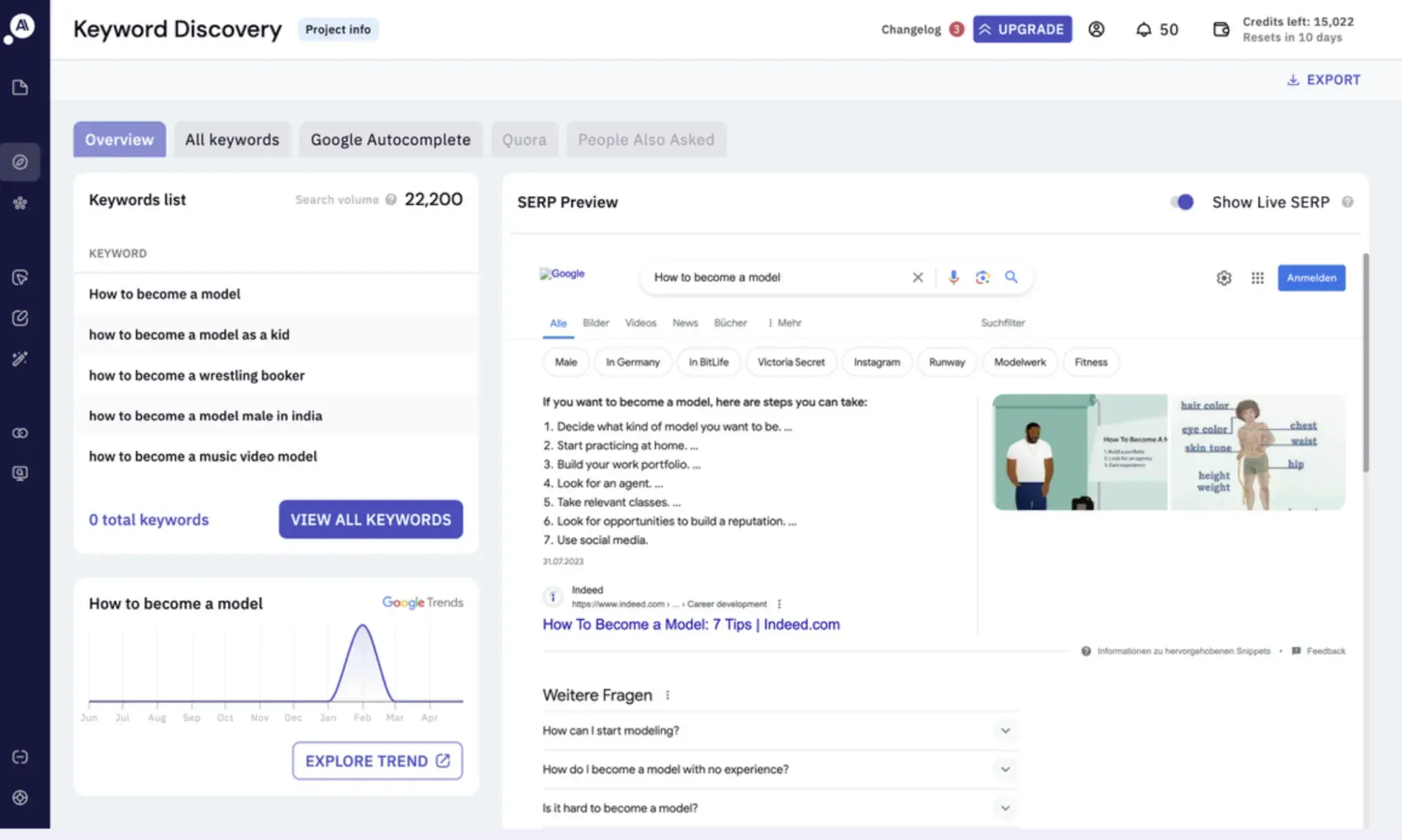
In the rapidly evolving landscape of digital marketing, where search engine algorithms are constantly refined and artificial intelligence increasingly shapes how users find information, keyword clustering has emerged as a non-negotiable technique for establishing online authority and visibility. Far from being a relic of older SEO practices, clustering related keywords with similar search intent on a single page is now recognized as a critical strategy for businesses aiming to enhance their web presence and connect with their audience across the entire buyer’s journey. This approach not only streamlines content creation but also signals comprehensive expertise to sophisticated search and answer engines, securing a competitive edge in an increasingly crowded digital space.
The Evolution of Search: Why Clustering Matters Now
The journey of Search Engine Optimization (SEO) has been marked by continuous adaptation. Early iterations of search engines were relatively simplistic, often prioritizing content based on the sheer volume of keywords present on a page—a practice that led to "keyword stuffing" and often low-quality user experiences. However, a significant shift began with Google’s various algorithm updates, moving towards a more nuanced understanding of user intent and content quality.
Key milestones in this evolution include:

- Hummingbird (2013): This update represented a fundamental shift from keyword matching to understanding the meaning behind queries. It enabled Google to better process natural language and provide more relevant results for complex searches, laying the groundwork for semantic search.
- RankBrain (2015): Google’s first AI-powered component of its core algorithm, RankBrain, further enhanced its ability to interpret ambiguous queries and deliver relevant results, especially for previously unseen search terms.
- BERT (Bidirectional Encoder Representations from Transformers, 2019): A major leap in natural language processing (NLP), BERT allowed Google to understand the context of words in search queries more deeply, improving results for long-tail and conversational searches.
- MUM (Multitask Unified Model, 2021): An even more powerful AI model than BERT, MUM is designed to understand information across different modalities (text, images, video) and languages, enabling Google to answer complex questions that require synthesizing information from multiple sources.
- Search Generative Experience (SGE) / AI Overviews (2023-Present): The introduction of generative AI directly into search results marks the latest paradigm shift. AI Overviews synthesize information from various sources to provide direct answers, requiring content to be structured and authoritative to be selected as a source.
These developments underscore a clear trend: search engines no longer merely match keywords; they interpret intent, understand context, and prioritize comprehensive, authoritative content. In this environment, individual keywords are less effective in isolation. Instead, content strategies must focus on establishing "topical authority"—demonstrating deep knowledge across a subject area, which keyword clustering perfectly facilitates. As industry analysts from BrightEdge and Semrush have highlighted, businesses that adopt a topic cluster model see significant improvements in organic traffic and domain authority compared to those relying on fragmented keyword strategies.
Understanding Keyword Clustering: A Core SEO Technique
At its core, keyword clustering is an advanced SEO technique that involves grouping related keywords that share the same user intent and then strategically targeting them within a single web page or a closely linked content ecosystem. For example, a user searching for "best running shoes for flat feet" and another searching for "supportive running sneakers for pronation" are both looking for essentially the same type of product, indicating a shared commercial intent. A well-clustered page would target both these terms, along with other related long-tail variants and synonyms, ensuring comprehensive coverage.
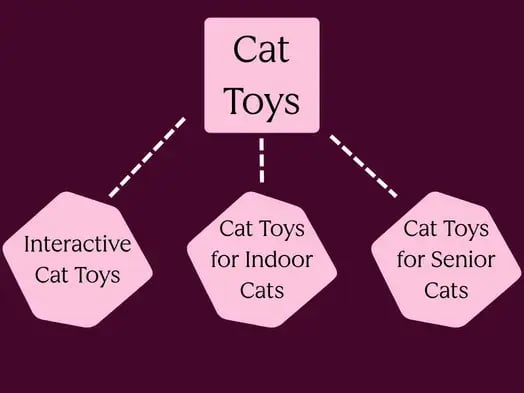
This method typically involves identifying a primary keyword—the main term a page aims to rank for (e.g., "cat toys")—and then integrating secondary keywords. These secondary keywords are often synonyms, long-tail variations, or related phrases (e.g., "toys for cats," "interactive cat playthings," "cat enrichment toys") that address the same core need or topic. By doing so, a single page becomes highly relevant for a broader range of queries, consolidating its ranking power and improving its visibility.
Building Digital Authority Through Strategic Clustering

The benefits of keyword clustering extend beyond mere keyword optimization, fundamentally transforming how search engines perceive a website’s expertise and reliability.
- Comprehensive Coverage and Pillar Pages: One of the most powerful applications of keyword clustering is the development of a "pillar-and-cluster" content model. A pillar page serves as a definitive, broad overview of a core topic (e.g., "Ultimate Guide to Cat Toys"). It is then supported by multiple cluster pages (often called "spoke pages") that delve into specific subtopics or long-tail keywords related to the pillar (e.g., "Interactive Cat Toys for Boredom," "Best Cat Toys for Indoor Cats," "Safe Cat Toys for Senior Felines"). This interconnected structure ensures that a website covers a topic from every conceivable angle, signaling deep expertise to search engines.
- Strong Internal Linking Architecture: Clustered content naturally fosters robust internal linking. Because all pages within a cluster are semantically related, contextual links can be strategically placed between the pillar page and its cluster pages, and even between related cluster pages. This internal linking not only improves user navigation by guiding them through relevant content but also distributes "PageRank" (link equity) across the site, strengthening the authority of all linked pages. Search engines interpret these strong internal links as a clear map of a site’s topical relevance.
- Full Search Journey Coverage: Keywords within a cluster often correspond to different stages of the buyer’s journey—from informational queries (e"what are the benefits of cat toys?") to navigational (e.g., "cheapest cat toys online") to transactional (e.g., "buy premium catnip toys"). By structuring content around clusters, a business can create pages that cater to users at every point in their decision-making process, capturing a wider audience and reinforcing its authority across diverse query types.
- Reduced Keyword Cannibalization: A common pitfall in SEO is "keyword cannibalization," where multiple pages on the same website inadvertently compete for the same keyword. This dilutes authority, splits backlinks, and often leads to lower overall rankings for all competing pages. Keyword clustering directly combats this by ensuring that each keyword, or tightly related group of keywords, is assigned to a single, authoritative URL. This consolidation prevents internal competition and funnels all ranking power to the most relevant page.
Methodologies for Effective Keyword Grouping
Several methods can be employed for keyword clustering, each with its own advantages and ideal use cases.
-
SERP-Based Clustering: This method groups keywords based on shared search engine results pages (SERPs). If multiple keywords consistently trigger a significant overlap (e.g., 3 or more) of the same top-ranking URLs in Google, it suggests that Google itself views these keywords as having similar intent and relevance, and one page can satisfy all queries.
- Pros: Highly accurate reflections of Google’s current understanding of intent, leading to effective content consolidation. Reduces the risk of cannibalization.
- Cons: Can be time-consuming for large keyword sets without automation. Relies on existing SERP data, which might not be ideal for brand-new topics or niches.
- Best-fit Scenarios: Competitive industries, merging existing content, validating URL structures, or when precise intent alignment is crucial to avoid cannibalization.
-
Semantic Keyword Grouping: This approach organizes keywords based on their linguistic and conceptual similarity, using techniques like shared root words, synonyms, and interchangeable terms. The underlying principle is that words with similar meanings belong together, regardless of exact SERP overlap.
- Pros: Excellent for content ideation and mapping out broad topic areas. Useful for identifying new content opportunities and understanding the full semantic breadth of a subject. Can be done without live SERP data.
- Cons: Less precise in reflecting Google’s exact intent interpretation; some semantically similar terms might still warrant separate pages if their SERPs are distinct.
- Best-fit Scenarios: Exploring new niches, initial content planning, structuring a website from scratch, or processing massive raw keyword lists where a quick first pass is needed.
-
Hybrid Clustering: As the name suggests, hybrid clustering combines both SERP-based and semantic methods. Typically, semantic grouping is used as an initial, broad pass to organize large keyword sets quickly. This initial organization is then validated and refined using SERP overlap data, particularly for high-priority or potentially ambiguous clusters. Advanced tools may layer additional signals like cost-per-click (CPC), search volume, and explicit click intent data to further refine clusters.
- Pros: Balances the speed and discovery of semantic grouping with the precision and intent alignment of SERP-based analysis. Provides a comprehensive and robust clustering solution.
- Cons: Can be more complex and require advanced tools or manual oversight to manage the interplay between methods.
- Best-fit Scenarios: Sustained content operations, large-scale content audits, or for businesses that require both strategic planning and tactical, precise execution in their SEO efforts.
Choosing the right method often depends on the specific project goals and scale. For content discovery and mapping new niches, semantic grouping is a strong starting point. For high-stakes decisions like content consolidation or URL restructuring in competitive markets, SERP-based clustering offers critical accuracy. For ongoing, scalable content strategies, a hybrid approach often yields the best long-term results, evolving through different methods as the content workflow progresses.
A Step-by-Step Guide to Implementing Keyword Clustering
Effective keyword clustering follows a structured process, moving from data collection to content architecture and ongoing optimization.
Step 1: Keyword Collection & Data Enrichment
The foundation of any successful clustering effort is a comprehensive and enriched keyword set. Relying on thin or incomplete data will inevitably lead to weak, ineffective clusters.
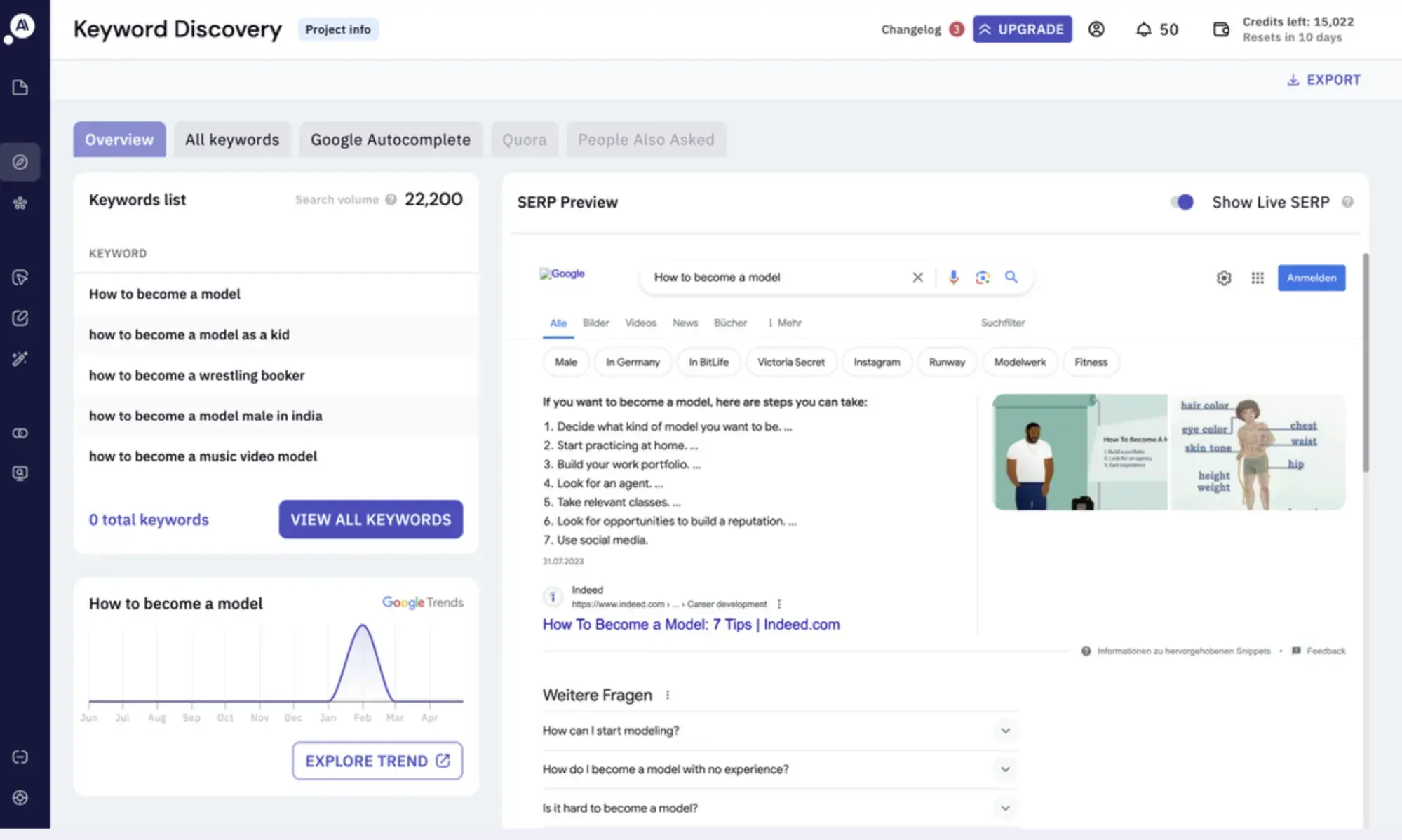
- Sources: Gather keywords from a variety of sources:
- Google Search Console (GSC): Provides actual queries users are searching to find your site.
- Keyword Research Tools: Ahrefs, Semrush, Moz Keyword Explorer, SpyFu, and dedicated clustering tools offer extensive keyword suggestions, search volumes, and difficulty metrics.
- Competitor Analysis: Identify keywords your competitors are ranking for.
- Google Autocomplete & People Also Ask (PAA): Excellent for uncovering long-tail and question-based queries.
- Forums & Q&A Sites: Reddit, Quora, and industry-specific forums reveal real user questions and pain points.
- Enrichment: For every keyword, gather critical data points:
- Monthly Search Volume: Indicates potential traffic.
- Keyword Difficulty: Assesses the effort required to rank.
- Cost Per Click (CPC): Can indicate commercial intent or value.
- Dominant Search Intent: Crucial for initial segmentation (informational, navigational, commercial, transactional).
Step 2: Intent Segmentation
Before applying any clustering logic, segment your raw keyword list by primary search intent. This is paramount to avoid the most common clustering error: grouping keywords that share a topic but cater to fundamentally different user needs. A user asking "how to fix a leaky faucet" (informational) has a different intent than one searching for "best plumbing services near me" (transactional). Combining these on a single page would satisfy neither effectively.
- Intent Categories:
- Informational: Users seeking answers, "how-to" guides, definitions (e.g., "what is keyword clustering?").
- Navigational: Users looking for a specific website or brand (e.g., "HubSpot blog").
- Commercial Investigation: Users researching products or services before buying (e.g., "best keyword clustering software").
- Transactional: Users ready to make a purchase or complete an action (e.g., "buy keyword insights tool").
Once segmented, all subsequent clustering should occur within each intent category, ensuring content is purpose-built for a specific user state.
Step 3: Apply Your Clustering Method
Based on your goals and scale, apply either SERP-based, semantic, or hybrid clustering to your intent-segmented keyword lists.
- SERP-based: For a practical threshold, consider keywords sharing 3 or more common top-10 URLs to belong in the same cluster. If overlap is 0 or 1, separate pages are likely warranted.
- Semantic: Utilize natural language processing (NLP) techniques, often available in tools, to measure the conceptual similarity between keywords. A cosine similarity score between 0.75 and 0.85 typically yields clean clusters without over-merging.
Each resulting cluster should be cohesive, address a distinct subtopic, and ideally be targetable by a single piece of content.
Step 4: Map Clusters to a Pillar Architecture
Once clusters are formed, organize them into a content hierarchy. This transforms clustering from a mere organizational exercise into a foundational structural strategy.
- Tier 1 – Pillar Pages: These are broad, high-volume, high-difficulty topics. A pillar page aims to be the definitive resource on a subject, offering a comprehensive overview. Its primary goal is to establish authority and serve as a central hub, rather than directly ranking for every keyword within its broader topic.
- Tier 2 – Cluster Pages: Each keyword cluster from Step 3 maps directly to one cluster page. These pages delve deep into specific subtopics, targeting the long-tail and supporting keywords identified within their cluster. They draw authority from the pillar page and, in turn, reinforce the pillar’s relevance through internal links.
- Tier 3 – Supporting Content: This tier includes highly specific content like FAQs, glossary entries, case studies, data sheets, or brief definitions. These pages target very narrow queries and funnel authority upwards into their respective cluster pages.
Every piece of content must have a clear understanding of its tier, its parent pillar, and its sibling cluster pages, which directly informs the internal linking strategy.
Step 5: Internal Linking Architecture
Internal linking is the circulatory system of your cluster architecture, passing PageRank and topical relevance signals throughout your site.
- Pillar ↔ Cluster Links (Bidirectional): Every cluster page should link back to its pillar page using keyword-rich anchor text. Conversely, the pillar page must link out to each of its supporting cluster pages. This bidirectional flow creates a robust, closed authority loop, preventing "equity leaks" from the topic silo.
- Cluster ↔ Cluster Links (Contextual): Where genuine contextual relevance exists, related cluster pages should link to each other. For example, a page on "SEO keyword research process" should naturally link to "keyword clustering methods." These links reinforce the semantic neighborhood for search engines.
- Anchor Text Strategy: Use exact or close-variant anchor text for your most important internal links. Google utilizes anchor text as a powerful relevance signal. Avoid vague anchors like "click here" or "learn more." While varying anchors naturally is important to prevent over-optimization flags, ensure they are always descriptive and relevant.
- Link Depth Management: Key cluster pages should be easily discoverable, ideally reachable within 2-3 clicks from the homepage. Pages buried deep within a site (5+ clicks) receive minimal crawl attention and PageRank. A well-designed cluster architecture naturally enforces shallow link depth across topic areas.
- Avoiding Orphan Pages: Every page within your cluster must have at least one inbound internal link. Orphan pages are virtually invisible to search engines, receiving no PageRank and infrequent crawling, regardless of content quality.
- Crawl Budget Efficiency: For large websites, a well-structured internal linking strategy directly influences how efficiently crawlers discover and re-crawl your most important content, while deprioritizing less critical or duplicate pages.
Step 6: AEO – Answer Engine Optimization
With the rise of generative AI in search (e.g., Google’s AI Overviews, Bing Copilot, standalone LLMs), optimizing for "answer engines" (AEO) is paramount. These systems pull content directly into synthesized responses, making content structure and authority more critical than ever.
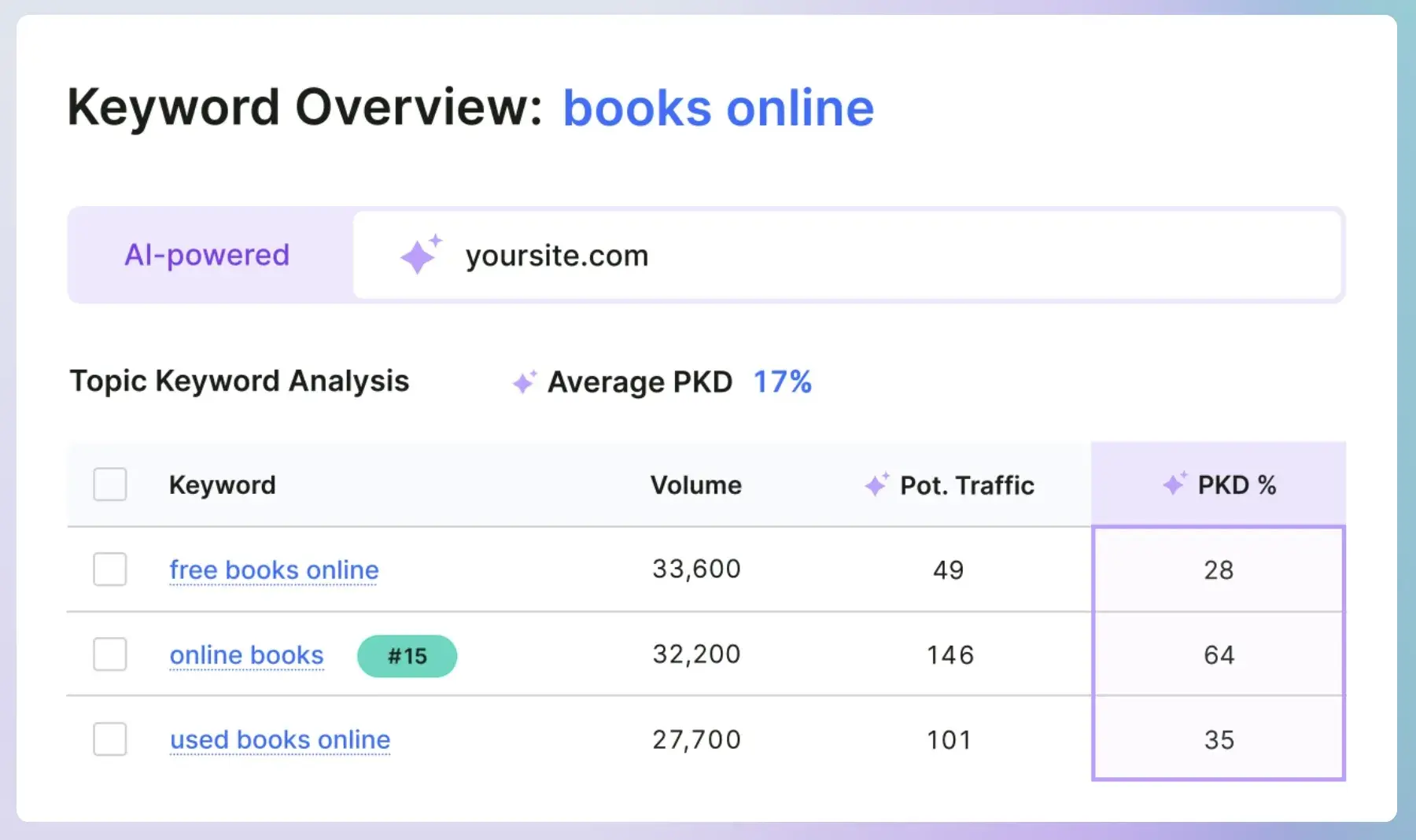
- Why Clustering Enables AEO: Answer engines prioritize sources that demonstrate deep, comprehensive coverage of a topic. A well-clustered content library signals precisely this—that your site possesses an authoritative knowledge base rather than a collection of disparate articles.
- Structural Elements for AEO:
- Direct Answer Formatting: Place a concise, direct answer to the primary question within the first 100 words of any informational page. AI often extracts from introductory paragraphs.
- FAQ and Q&A Blocks: Include structured FAQ sections on cluster pages, addressing secondary questions. These directly map to "People Also Ask" boxes and are prime targets for AI extraction. Implement proper FAQ schema markup.
- Schema Markup at Scale: Implement structured data (Schema.org vocabulary) across your cluster. Use
Articleschema,Aboutproperty for topics, andAuthorfor known entities. Schema provides machine-readable confirmation of content meaning, boosting selection confidence. - Snippet-Optimized Formatting: AI prefers content formatted for quick consumption. Use definition boxes, numbered lists for processes, comparison tables, and short, declarative sentences for factual claims.
- Passage-Level Optimization: Google’s passage indexing means individual sections of a page can rank. Ensure each H2/H3 section in your cluster pages is self-contained and answers a specific question without relying heavily on surrounding context.
Step 7: Semantic Search Optimization
Understanding semantic search, the underlying technology that drives modern clustering, is crucial for writing content that search engines accurately interpret. Modern search engines don’t just match keywords; they map meaning using advanced language models (like BERT and MUM).
- Meaning-Based Ranking: Google converts queries and documents into high-dimensional vectors, finding the closest meaning match. This implies that:
- Context is King: The surrounding words determine the meaning of a keyword.
- Synonyms are Understood: Search engines recognize and treat synonyms similarly.
- Related Concepts Matter: Content covering a topic comprehensively, even without explicit keyword repetition, ranks better.
- Elements for Semantic Depth:
- Entity Coverage: Identify and naturally reference key entities (people, places, concepts, products) relevant to your topic cluster. For "content marketing strategy," entities might include "editorial calendars," "buyer personas," "content distribution channels," and "marketing funnel stages."
- Co-occurrence and LSI Signals: While "LSI keywords" is an outdated term, the principle of co-occurrence remains vital. Content that naturally uses the vocabulary associated with a topic area signals higher semantic relevance. Tools like Clearscope or Surfer SEO can help identify these terms used by top-ranking pages.
- Topic Completeness vs. Keyword Density: Semantic search rewards depth and comprehensive coverage. A page mentioning a keyword repeatedly but only skimming the surface of a topic will be outranked by a page that mentions it less but thoroughly addresses related concepts, common questions, and practical applications.
- Contextual Relevance through Proximity: The semantic relationship between your pages is as important as the content within them. Internal links with descriptive anchor text build a contextual graph that search engines interpret, establishing semantic relationships between pages.
- Structured Data as Semantic Markup: Schema.org vocabulary is a direct semantic signal. Marking up content with structured data provides machine-readable labels that reduce ambiguity in natural language, confirming what your content is about to search engines.
Essential Tools for Keyword Clustering
While manual clustering is possible, specialized tools significantly enhance efficiency and accuracy:
- Keyword Insights: Praised for its accurate SERP-based clustering engine, it groups keywords based on actual URL overlap, reflecting Google’s intent. It also offers content brief generation and GSC integration. Best for SEO professionals needing precision and a full workflow.
- Semrush Keyword Strategy Builder: Offers a visual topic map, ideal for planning content architecture and seeing the relationships between pillar topics and subtopics. Best for marketing teams already integrated into the Semrush ecosystem.
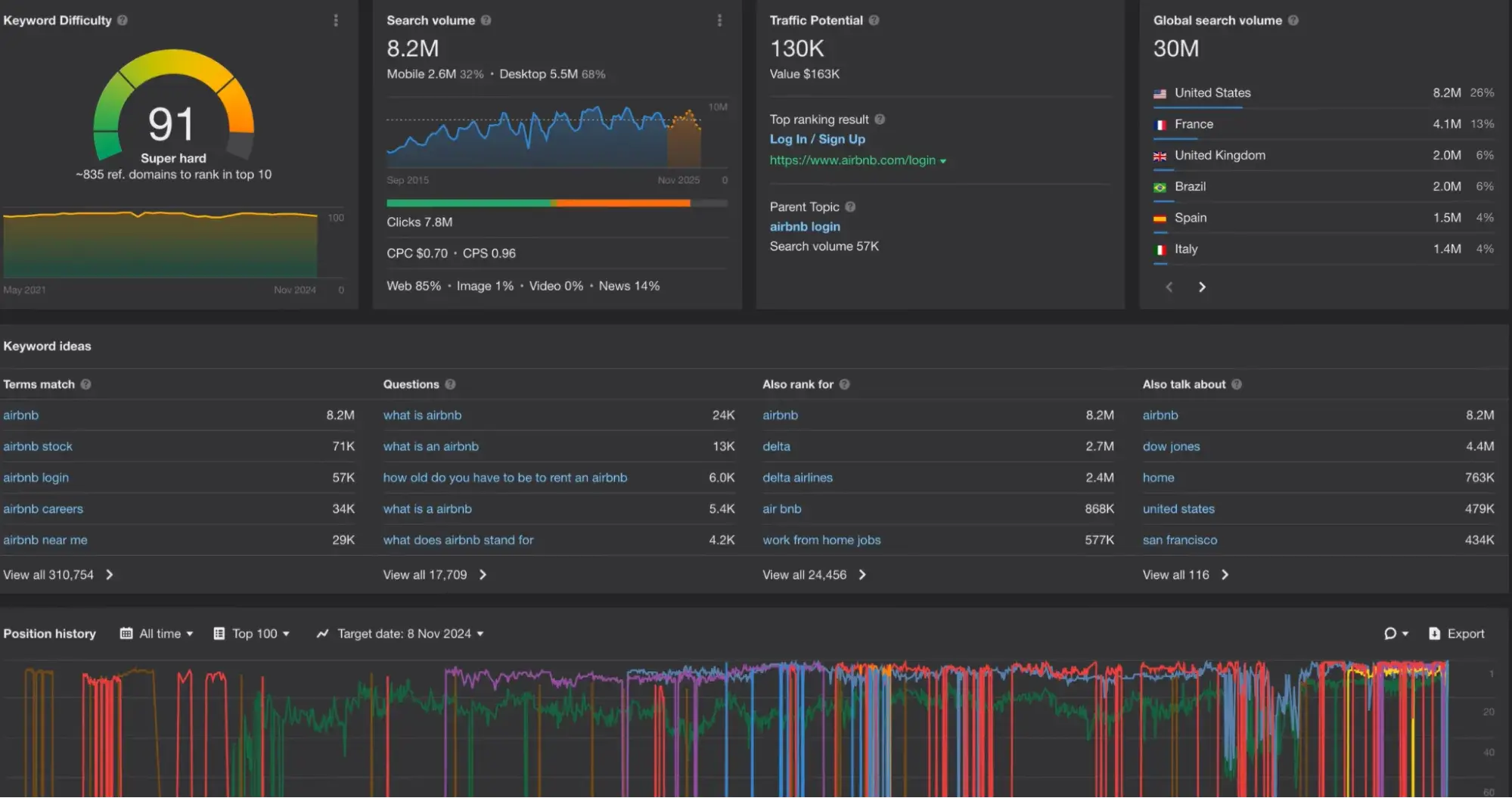
- Ahrefs Keywords Explorer: Its "Parent Topic" methodology is efficient for large-scale keyword research across multiple markets. Best for research-heavy teams needing quick processing of large keyword sets, especially those already using Ahrefs as their primary SEO platform.
- LowFruits: Provides solid SERP-based and semantic clustering with a pay-as-you-go model, making it budget-friendly. Ideal for bloggers, niche site operators, and small teams who need actionable clusters without enterprise-level overhead.
Addressing Common Questions and Misconceptions
- When Not to Use Keyword Clustering: Clustering is less effective for brand-new sites lacking topical authority, where a single, well-targeted pillar page might initially perform better. It’s also counterproductive if keywords haven’t been intent-segmented, leading to pages that satisfy no one. Highly niche sites with a very limited keyword universe might find the overhead of a full cluster architecture outweighs the benefit.
- Keywords Per Cluster: There’s no fixed number, but 5-20 keywords per cluster, targeting a single page, is common. The true measure is whether a single piece of content can naturally address all keywords without diluting its focus.
- Pillar Page for Every Cluster? Not necessarily. The pillar model works best with 6-10+ supporting cluster pages. Smaller clusters might function as standalone assets without a dedicated pillar initially, though they should still map to a broader topic tier for future scalability.
- Preventing Keyword Cannibalization: Assigning clear keyword ownership (one keyword, one URL) during clustering is key. For existing cannibalization, use SERP overlap checks to identify competing pages, then consolidate or use canonical tags. Regular review of the keyword map is essential.
- Validating Cluster Intent: The fastest method is a manual SERP check: search the primary cluster keyword and analyze the top 5 results for format, content type, and language within two minutes. If results are predominantly listicles, it’s informational; if product pages, it’s commercial. "People Also Ask" boxes provide further confirmation. Tools like Semrush’s intent filter or Keyword Insights’ automatic classification can expedite this for large lists.
The Broader Implications and Future Outlook
The strategic implementation of keyword clustering is no longer just an SEO tactic; it’s a foundational content strategy that profoundly impacts a business’s digital footprint. It allows for the efficient allocation of content resources, ensures alignment with evolving search engine capabilities, and positions organizations as authoritative voices in their respective industries. As search continues its trajectory towards increasingly intelligent and conversational interfaces, the ability to present a comprehensive, semantically rich, and internally linked body of knowledge will be the distinguishing factor for online success. Companies that embrace and master keyword clustering will not only navigate the current complexities of SEO but also build resilient, future-proof content strategies capable of adapting to whatever innovations the search landscape brings next.


 Nana
Nana
 Laily UPN