rifanmuazin
As of April 20, 2026, email marketing remains an indispensable cornerstone of digital strategy for businesses of all sizes, evolving from a simple communication tool into a sophisticated revenue driver. The effectiveness of an email program hinges not merely on sending messages, but on cultivating a list of engaged subscribers through meticulous adherence to established best practices. In an increasingly crowded digital landscape, where attention is a scarce commodity, the habits forged early in an email marketing journey dictate whether a subscriber list transforms into a reliable channel for revenue or dissipates into a collection of unengaged contacts. This comprehensive guide outlines 15 critical practices that distinguish high-performing email campaigns from those that languish, providing a roadmap for achieving superior results in the current and future digital ecosystem.
Foundations of Engagement and Readability
1. Create Emails That Are Easy to Scan and Read
Inboxes are more competitive than ever, with users receiving an average of 121 emails daily. To cut through this digital deluge, emails must be designed for rapid comprehension. Research consistently demonstrates that the average human attention span online is shrinking, making scannability paramount. When confronted with dense blocks of text, subscribers are prone to immediate deletion, often without absorbing any information. Conversely, an email designed for scanning allows busy recipients to quickly grasp key messages, increasing the likelihood of engagement and subsequent action.
Tactics to enhance scannability include employing short paragraphs, liberal use of white space, bullet points for lists, bolding key phrases, and clear headings. Eye-tracking studies confirm that readers scan in an F-shaped pattern, focusing on the top and left side of content. Structuring emails to align with this natural reading behavior ensures that crucial information, such as value propositions and calls to action, is readily visible. Data from numerous marketing analytics firms indicates that emails optimized for readability can see click-through rates (CTRs) improve by up to 20% and a significant reduction in bounce rates, as recipients find the content less intimidating and more digestible.
2. Make Your Emails Accessible
Ensuring email accessibility is no longer merely a best practice but a fundamental requirement for inclusive marketing and, increasingly, a legal imperative. Globally, over one billion people live with some form of disability, representing a significant segment of the consumer market. Prioritizing accessibility means designing emails that can be effectively consumed by all recipients, regardless of their abilities or disabilities, including those using screen readers, magnifiers, or alternative input devices.
Key strategies for accessibility include using descriptive alt text for images, maintaining sufficient color contrast for text and backgrounds, structuring content with proper HTML semantics, providing clear and concise language, and ensuring that all interactive elements are keyboard-navigable. Beyond legal compliance (such as the Americans with Disabilities Act in the US or the European Accessibility Act), accessible emails inherently improve the experience for everyone, leading to higher engagement and a broader reach. Reports indicate that companies prioritizing accessibility often experience a positive impact on brand perception and customer loyalty, with an average increase in customer satisfaction by 15-20%.
3. Design for the Phone First
The dominance of mobile devices in email consumption continues unabated. Current statistics show that over 60% of all emails are opened on mobile phones, a trend that has steadily climbed over the past decade. An email that renders flawlessly on a desktop but breaks or displays poorly on a smartphone risks immediate deletion and a permanent loss of subscriber trust. The "mobile-first" design philosophy dictates that emails should be conceived and built for the smallest screen first, then scaled up for larger displays.
Critical design decisions that ensure mobile compatibility include using a single-column layout, large and legible fonts (at least 14px for body text), finger-friendly buttons (at least 44×44 pixels), and optimized images that load quickly. Crucially, the most important information and the primary call to action (CTA) must be positioned "above the fold" – visible without scrolling – as mobile users are less likely to navigate extensively within an email. Rigorous testing across various mobile devices and email clients before deployment is non-negotiable, as desktop previews often fail to accurately represent the mobile user experience. Companies adopting mobile-first design report average mobile CTRs that are 2.5 times higher than those with non-responsive designs.
Strategic Automation and Personalization
4. Set Up Automation Before You Need It
A common misstep for small businesses is viewing email automation as a future task rather than a foundational element. This approach overlooks the critical window of opportunity that arises the moment a new subscriber opts in. A new subscriber’s attention and interest are at their peak immediately after signup, a fleeting opportunity that, once lost, is difficult to reclaim. Proactive automation ensures that this initial engagement is captured and nurtured effectively.
The welcome series stands as the most impactful automation, with studies consistently showing it generates an astounding 320% more revenue per email, boasts open rates four times higher, and click-through rates five times higher than standard promotional emails. Beyond the welcome sequence, three additional automations consistently drive significant results:
- Lead Nurture Sequences: Designed to build relationships and guide prospects through the sales funnel by addressing common questions and concerns, thereby preparing them for purchase.
- Re-engagement Campaigns: Target inactive subscribers (e.g., those who haven’t opened an email in 90 days) with a short sequence aimed at rekindling interest. Non-responders are then removed, improving list quality and deliverability.
- Behavioral Triggers: These context-aware automations respond directly to subscriber actions, such as abandoned cart reminders, post-purchase follow-ups, and milestone emails (birthdays, anniversaries), leveraging relevance for superior performance.
The early implementation of these automated sequences provides a scalable framework for consistent engagement and conversion, allowing businesses to focus on growth while the system works tirelessly in the background.
5. Segment Early
Segmentation, the practice of dividing an email list into smaller, more homogeneous groups based on shared characteristics or behaviors, is a cornerstone of effective email marketing. Sending generic content to an entire list is increasingly ineffective; the right message delivered to the wrong segment will not convert, regardless of its quality. Even basic segmentation significantly outperforms a "send-to-all" approach, leading to higher engagement rates and better ROI.
Three primary segmentation approaches prove effective at any list size:

- Behavioral Segments: Group subscribers based on their actions, such as purchase history, website visits, content downloads, or engagement levels (e.g., frequent openers vs. occasional clickers). This method reflects actual intent and is highly actionable.
- Preference-Based Segments: Allow subscribers to self-select their interests, often through a simple question in a welcome email or a preference center. This empowers subscribers and ensures they receive content most relevant to them.
- Engagement Segments: Distinguish active subscribers from inactive ones. This is crucial for maintaining list health and deliverability, as sending primarily to engaged segments signals positive sender reputation to Internet Service Providers (ISPs).
Implementing even one meaningful segment early can dramatically improve campaign performance, with reports indicating segmented campaigns achieve 14.37% higher open rates and 64.78% higher click-through rates compared to unsegmented campaigns.
6. Personalize Your Emails
The era of generic mass emails is rapidly drawing to a close. In a world saturated with digital communication, personalization is the key to standing out. Consumers are increasingly accustomed to tailored experiences, and email is no exception. An email that acknowledges a subscriber’s city, references a previous purchase, or speaks directly to their specific needs is far more likely to elicit a response than a broad, undifferentiated message.
Personalization extends beyond merely inserting a first name into the subject line or greeting. It encompasses dynamically adjusting content, offers, and even images based on known subscriber data. This can range from basic attributes (name, location, signup source) to more sophisticated behavioral data (browsing history, product interests, lifecycle stage). Advanced email marketing platforms leverage AI and robust tagging systems to facilitate deep personalization without requiring complex setups. The psychological impact of receiving a personalized message fosters a sense of recognition and value, strengthening the bond between brand and subscriber. Studies show that personalized emails generate an average of 6x higher transaction rates and can increase conversion rates by 10% or more.
7. Use AI to Close the Content Gap
For many small business owners, the primary bottleneck in email marketing isn’t a lack of strategy but a chronic shortage of time. They often know what they want to communicate but lack the hours required to consistently produce high-quality, engaging content. Artificial intelligence (AI) writing tools have emerged as a powerful solution to bridge this content gap, streamlining the creation process.
AI tools excel at generating initial drafts, brainstorming ideas, and optimizing existing content. Their value is most pronounced in:
- Drafting Email Copy: Quickly producing starting points for various email types, from newsletters to promotional campaigns.
- Generating Subject Lines: Creating compelling and optimized subject line options to improve open rates.
- Repurposing Content: Transforming existing blog posts or social media updates into email-friendly formats.
- Overcoming Writer’s Block: Providing creative prompts and frameworks to kickstart the writing process.
- Translating and Localizing Content: Expanding reach to diverse audiences by efficiently translating email copy.
It is crucial to understand that AI produces starting points, not finished emails. The authentic voice, specific details, nuanced judgment, and strategic intent still require human input. AI should be viewed as a co-pilot, accelerating the journey from a blank screen to a polished message, freeing marketers to focus on refinement and strategic oversight. Adoption of AI in marketing is growing rapidly, with a recent report indicating 84% of marketers believe AI tools provide a competitive advantage.
Content Excellence and Deliverability Assurance
8. Create Engaging Email Content
The ultimate purpose of every email is to persuade the recipient to read it and take a desired action. This means each message must be compelling enough to earn the recipient’s attention for the next one. A strategic content ratio that has proven highly effective is the 80/20 rule: approximately 80% of emails should deliver pure value without an overt sales pitch, while the remaining 20% can focus on selling. Value-driven content can include information, insights, useful tips, educational material, or engaging stories that resonate with the audience.
This approach builds trust and rapport, positioning the sender as a reliable source of information rather than merely a vendor. Subscribers who trust a brand are significantly more likely to purchase when they are ready. Engaging content also contributes to higher open rates, longer read times, and reduced unsubscribe rates. Effective engagement often involves storytelling, leveraging rich media (where appropriate and accessible), and fostering a sense of community. By consistently providing value, businesses cultivate a loyal subscriber base that is receptive to promotional messages when they do arrive.
9. Keep Your List Healthy So Your Emails Get Delivered
An email campaign, no matter how perfectly crafted, is useless if it never reaches the inbox. Deliverability—the ability of an email to successfully land in the primary inbox—is a critical, often unseen, factor that underpins all email marketing success. Internet Service Providers (ISPs) like Gmail, Outlook, and Yahoo meticulously monitor how subscribers interact with emails. Positive engagement signals (opens, clicks, replies, adding to contacts) boost sender reputation, while negative signals (ignoring, deleting without opening, marking as spam) degrade it, leading to future emails being routed to spam folders or blocked entirely.
Maintaining a healthy list is paramount and largely achievable without deep technical expertise:
- Regular List Cleaning: Systematically remove subscribers who consistently bounce or have shown no engagement over an extended period (e.g., six months). A smaller, highly engaged list invariably performs better and maintains a stronger sender reputation than a large, unengaged one.
- Sender Authentication: Ensure your sending domain is properly authenticated (e.g., SPF, DKIM, DMARC records). This verifies to ISPs that emails genuinely originate from your domain, significantly reducing the likelihood of being flagged as spam. While platforms like AWeber often manage some aspects, understanding these protocols is beneficial.
Proactive list hygiene and authentication are preventative measures that safeguard your email program, ensuring your messages have the best possible chance of reaching their intended audience.
10. Use Confirmed Opt-In
Confirmed opt-in, also known as double opt-in, is a process where subscribers not only sign up via a form but also receive a follow-up email requiring them to click a link to confirm their subscription. This extra step, while adding a minor hurdle, yields substantial benefits for email list quality and deliverability.
By compelling subscribers to verify their address, confirmed opt-in ensures that every contact on your list genuinely wants to receive your emails. This dramatically reduces the likelihood of mistyped email addresses, spam complaints, and the inclusion of bots or malicious sign-ups. The resulting list is composed of highly engaged, interested individuals, leading to superior open rates, click-through rates, and ultimately, conversions. From a legal standpoint, confirmed opt-in provides undeniable proof of consent, which is particularly crucial for compliance with stringent data privacy regulations like GDPR. While single opt-in offers faster list growth, the long-term benefits of a clean, highly engaged, and compliant list cultivated through confirmed opt-in far outweigh the initial friction.
11. Do Not Purchase an Email List
This is an unequivocal rule: never purchase an email list. Engaging in this practice is a direct route to email marketing failure, fraught with legal, ethical, and practical pitfalls. Sending emails to individuals who have not explicitly granted permission constitutes spam, which is illegal under numerous regulations globally (e.g., CAN-SPAM Act in the US, GDPR in Europe).
When a purchased list is used, recipients, who have no prior relationship with your brand, are highly likely to mark your messages as spam. This rapidly damages your sender reputation with ISPs, leading to lower deliverability rates across all your campaigns. Your legitimate emails will increasingly be routed to spam folders, where they will never be seen or opened. Furthermore, reputable email marketing platforms, including AWeber, strictly prohibit the import of purchased lists, often leading to account suspension. The resources wasted on purchased lists—money, time, and irreparable damage to brand reputation and deliverability—far outweigh any perceived short-term gains. Organic list building, though slower, yields a genuinely interested and engaged audience, which is the only sustainable path to email marketing success.
12. Give Every Email One Call to Action
The principle of "less is more" holds profound truth in email marketing, especially concerning calls to action (CTAs). Every email should be designed with one singular, primary call to action. Presenting multiple competing CTAs does not double clicks; instead, it fragments attention, creates decision paralysis, and ultimately reduces overall engagement and conversion rates. Clarity of purpose is paramount.
A compelling CTA is not just about what it says, but also how it looks and where it’s placed. Best practices include:
- Singular Focus: Decide on the single most important action you want the recipient to take (e.g., "Shop Now," "Read More," "Download the Guide," "Register Here").
- Prominence: Use a visually distinct button rather than a text link for your primary CTA. AWeber’s research indicates that businesses using button CTAs achieve click-through rates of 6% or higher 58% of the time, significantly outperforming text links.
- Strategic Placement: Position the CTA logically within the email, often towards the end of the main message, and consider a secondary, identical CTA higher up for mobile users.
- Concise and Action-Oriented Language: Use strong verbs that clearly instruct the reader on the next step.
- Visual Contrast: Ensure the button color stands out from the rest of the email’s design.
A/B testing different CTA wordings, colors, and placements can yield disproportionately significant improvements in conversion rates. The objective is to guide the subscriber effortlessly towards a single, clear next step.
Optimizing for Action and Professionalism
13. Use a Professional Email Address
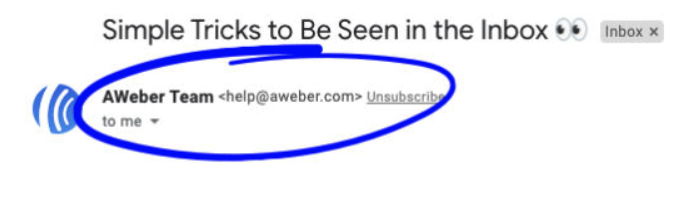
The sender’s email address is a subtle yet powerful signal of professionalism and trustworthiness. An email originating from "[email protected]" instantly conveys a different message than one from "[email protected]." The former projects a legitimate, established business, while the latter can suggest a side project, a less serious venture, or even a potential scam, eroding recipient confidence.
A professional email address, one that matches your website domain (e.g., [email protected]), offers several crucial advantages:
- Brand Identity and Recognition: Reinforces your brand every time an email is sent.
- Trust and Credibility: Signals legitimacy to recipients, increasing the likelihood of opens and clicks. Data suggests emails from professional domains have up to a 10% higher open rate due to perceived trustworthiness.
- Improved Deliverability: ISPs are more likely to trust and deliver emails from professional, authenticated domains, reducing the chance of them being flagged as spam.
- Consistency: Maintains a unified brand image across all digital touchpoints.
Investing in a custom domain and associated professional email addresses is a fundamental step in establishing a credible and effective email marketing presence.
14. Do Not Use a No-Reply Email Address
Sending emails from a "no-reply" address communicates a clear and detrimental message to subscribers: "We don’t want to hear from you." This practice not only creates a barrier to customer engagement and feedback but also actively harms deliverability. ISPs increasingly prioritize signals of two-way communication, viewing them as indicators that an email originates from a real person or business genuinely seeking interaction. A "no-reply" address signals the opposite, often leading to lower sender reputation scores.
The practical consequences of using a "no-reply" address include:
- Blocked Communication: Prevents subscribers from replying with questions, feedback, or support requests, leading to frustration and potentially negative brand perception.
- Reduced Engagement: Discourages dialogue, which is vital for building customer relationships and understanding audience needs.
- Damaged Deliverability: ISPs may flag "no-reply" addresses as less legitimate, routing emails to spam or junk folders.
- Missed Opportunities: Valuable customer insights, support queries, and even sales opportunities can be lost.
Instead, use a monitored email address (e.g., [email protected], [email protected], or [email protected]). If real-time monitoring isn’t feasible, set up an auto-responder to acknowledge receipt and provide a timeframe for a human response. Fostering two-way communication humanizes your brand, builds trust, and provides invaluable feedback loops, ultimately enhancing both engagement and deliverability.
Quality Control and Continuous Improvement
15. Test Every Email Before It Sends
The potential repercussions of a flawed email campaign—a broken link, a formatting error, or incorrect information—can be significant, particularly when sent to a large list. Unlike website content, a deployed email cannot be recalled or edited. A comprehensive pre-send testing protocol is therefore an indispensable safeguard against errors that can damage trust, waste resources, and undermine campaign objectives.
A rigorous testing checklist should encompass:
- Technical Checks: Verify all links are functional and lead to the correct destinations; confirm images load properly and have appropriate alt text; ensure tracking parameters are correctly configured; and validate sender authentication.
- Content Checks: Proofread for typos, grammatical errors, and factual inaccuracies; ensure the tone and message are consistent with brand guidelines; confirm personalization tags are populating correctly; and verify the primary call to action is clear and compelling.
- Experience Checks: Preview the email across multiple email clients (Gmail, Outlook, Apple Mail, etc.) and devices (desktop, mobile, tablet) to catch rendering issues; test interactivity (if applicable); and confirm accessibility features are working as intended.
Tools and features like AWeber’s pre-send checklist can automate many of these checks, flagging issues such as broken links or missing alt text before deployment. This meticulous approach prevents costly mistakes, protects brand integrity, and ensures that every email delivers its intended value. Industry data suggests that a lack of pre-send testing is responsible for up to 30% of email marketing errors, highlighting its critical importance.
The Path Forward: Incremental Implementation and Sustained Growth
The landscape of email marketing in 2026 is one of continuous evolution, demanding adaptability and a commitment to best practices. While the array of recommendations may seem extensive, it is crucial to recognize that success does not hinge on implementing all 15 practices simultaneously. The most effective email marketers are not those who attempt everything on day one, but rather those who strategically select one practice, execute it consistently and flawlessly, and then progressively integrate the next.
For businesses just embarking on their email marketing journey, initiating with a well-structured welcome series offers the highest return on investment. This automated sequence works tirelessly to engage new subscribers, laying a robust foundation while other strategic elements are developed. For established businesses not achieving desired results, a thorough assessment of list health and deliverability should be the immediate priority. A clean, engaged list is the bedrock upon which all other successful email marketing endeavors are built.
Platforms such as AWeber provide the tools and infrastructure necessary to implement these advanced practices without requiring a dedicated marketing team or extensive technical expertise. By embracing these essential principles incrementally and consistently, businesses can transform their email list into a powerful engine for sustained engagement, customer loyalty, and ultimately, significant revenue growth in the competitive digital future.
Sean Tinney, a content marketer at AWeber with over 15 years of experience collaborating directly with small business owners on email strategy, list building, and automation, emphasizes practices that genuinely move the needle for businesses operating without large marketing teams. His insights, provided as of April 20, 2026, underscore the enduring relevance and strategic importance of these foundational email marketing principles.


 Ammar Sabilarrohman
 Asro
Asro