rifanmuazin
The landscape of digital marketing has undergone a fundamental transformation as brands shift away from generalized homepages toward specialized, standalone landing pages designed for singular campaign objectives. In the current attention economy, the distinction between a "polished, professional" landing page and a cluttered interface often dictates the difference between a successful customer acquisition and a wasted advertising spend. Industry data suggests that while the average website conversion rate hovers around 2.35%, the top 10% of landing pages achieve conversion rates of 11.45% or higher. This disparity highlights a critical need for marketers to understand the architectural and psychological triggers that drive user action.

The Strategic Role of Standalone Architecture
A landing page is defined as a standalone web page created specifically for a marketing or advertising campaign. Unlike a homepage, which serves as a central hub for navigation and general brand awareness, a landing page is the destination where visitors "land" after clicking a link in an email, social media ad, or search engine result. The primary objective is conversion—transforming a casual visitor into a lead or a paying customer.

The efficacy of these pages is rooted in the principle of "message match," where the content of the landing page aligns perfectly with the promise made in the preceding advertisement. When this transition is seamless, user friction is minimized, and the likelihood of completion increases. Conversely, a messy or unfocused page can lead to immediate "bounce" rates, compromising the return on investment (ROI) for the entire marketing funnel.
Data-Driven Elements of High-Converting Pages
Modern marketing analytics have identified several fundamental elements that consistently appear in high-performing landing pages. According to research from Unbounce and other industry leaders, certain features provide a quantifiable boost to conversion metrics:

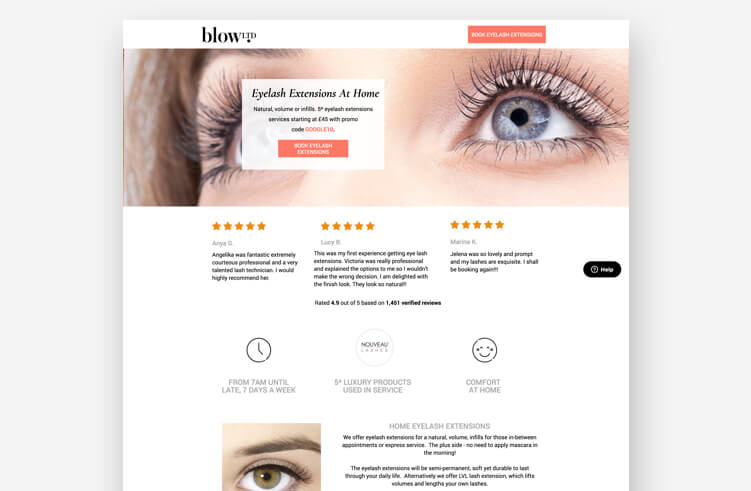
- Video Integration: Incorporating video content on a landing page can increase conversion rates by as much as 86%. Video serves to humanize a brand, demonstrate complex products, and build trust more rapidly than static text.
- Social Proof: The inclusion of testimonials, reviews, and trust badges leverages the psychological phenomenon of social validation. Pages that feature authentic customer feedback often see a 34% increase in conversion lift.
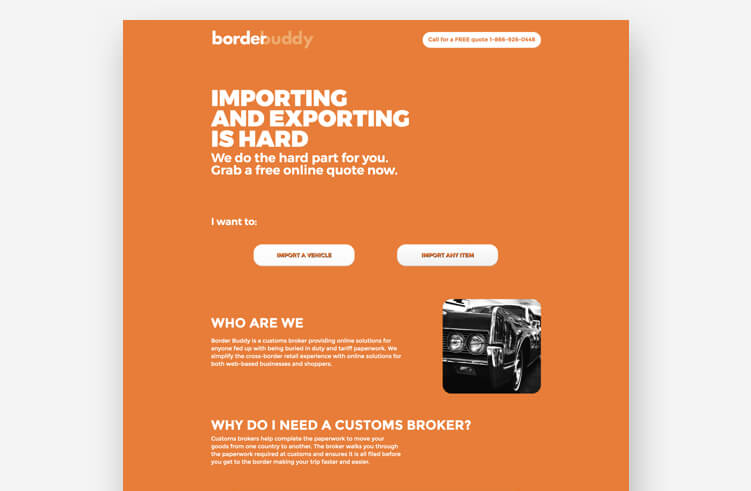
- Single Call to Action (CTA): Data indicates that pages with a single, clear CTA convert at a higher rate than those with multiple competing links. Reducing "decision fatigue" is a cornerstone of conversion-centered design.
- Mobile Optimization: With over 55% of global web traffic originating from mobile devices, a "mobile-first" design approach is no longer optional. High-converting pages must load in under three seconds to prevent user abandonment.
Categorical Analysis of Industry Leaders
To understand the practical application of these principles, a review of 40 leading examples across various sectors reveals distinct strategies tailored to specific audience demographics.

SaaS and Digital Services
In the Software-as-a-Service (SaaS) sector, brands like Netflix and Spotify have mastered the art of minimalism. Netflix, which currently boasts over 300 million subscribers worldwide, utilizes a landing page that focuses entirely on its value proposition: unlimited content for a low monthly price. By removing navigation bars and extraneous links, the company directs all user attention to the "Get Started" field.

Similarly, LinkedIn Premium targets job seekers by highlighting specific benefits—such as standing out in the job market—rather than listing every technical feature of the platform. This benefit-driven copy addresses the user’s "pain point" directly, creating an emotional connection that facilitates the upgrade process.

Health, Wellness, and E-commerce
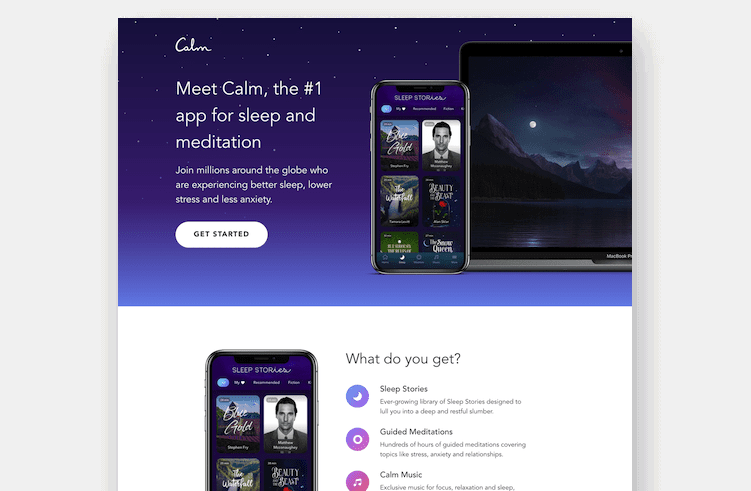
The health and wellness industry, represented by brands such as Calm and Goby, emphasizes tranquility and aesthetic appeal. Calm’s landing page uses a soothing blue palette and minimalist design to mirror the experience of using the meditation app itself. This is an example of "experiential design," where the landing page serves as a preview of the product experience.

In the e-commerce space, Zola has revolutionized the wedding industry by consolidating disparate tasks—registries, invitations, and vendor directories—into a single, streamlined interface. Their landing page acts as a "one-stop-shop," reducing the cognitive load on engaged couples who are often overwhelmed by the planning process.

The Gig Economy and Service Platforms
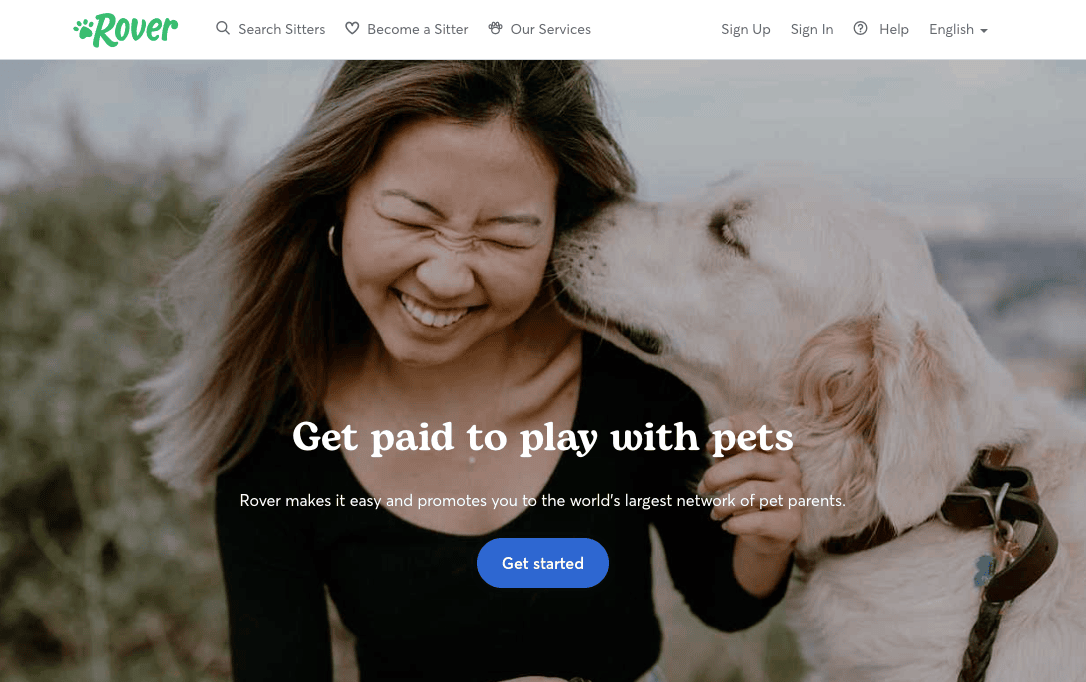
Platforms like DoorDash, Lyft, and Rover utilize landing pages to recruit contractors. These pages must perform a dual role: they must sell the "dream" of financial independence and flexible hours while simultaneously providing enough technical detail to ensure the applicant is qualified. DoorDash, for instance, uses high-resolution imagery to help prospective "Dashers" visualize the work, while clear headers outline the potential earnings for a side hustle.

Chronology of Landing Page Development
The process of creating a high-converting landing page has evolved from a manual coding task into a strategic, multi-step workflow. This evolution has been accelerated by the rise of drag-and-drop builders and AI-driven optimization tools.

- Goal Identification: Marketers begin by defining a single conversion goal (e.g., lead generation, sale, or registration).
- Audience Segmentation: Understanding the specific motivations of the target demographic allows for tailored messaging.
- Copywriting and Visual Design: Developing a "hero shot" (the main visual) and a compelling headline that matches the ad campaign.
- Technical Setup: Integrating tracking pixels, CRM systems, and ensuring fast load times.
- A/B Testing: Launching multiple versions of a page to determine which headlines, colors, or CTAs resonate best with the audience.
Expert Analysis: The "Michael Jordan" of Conversions
Industry experts, including Luke Bailey and Colin Loughran of Unbounce, suggest that the "magical x-factor" in marketing is not found in a single design element, but in the relentless pursuit of optimization. "No page is perfect, but every page can be better," Bailey notes. This philosophy of "continuous improvement" is what separates exceptional marketers from the average.

The integration of AI in 2026 has further refined this process. Modern landing page builders now utilize machine learning to predict which layouts will perform best for specific industries. For example, the "Conversion Benchmark Report" provides real-time data on how a page compares to industry averages, allowing marketers to make data-backed adjustments before a campaign even goes live.
Broader Impact and Market Implications
The shift toward specialized landing pages has profound implications for the digital economy. As the cost of customer acquisition (CAC) continues to rise due to increased competition in PPC (Pay-Per-Click) and social media advertising, the efficiency of the landing page becomes the primary lever for maintaining profitability.
Furthermore, the rise of "social commerce"—as seen with platforms like Snackpass—demonstrates how landing pages are being integrated directly into social media ecosystems. By designing pages that are "buzz-worthy" and shareable on platforms like TikTok and Instagram, brands can leverage organic viral growth to supplement their paid efforts.
Conclusion and Future Outlook
As digital marketing moves toward an era of hyper-personalization, the role of the landing page will only become more central. The data is clear: a professional, focused, and data-driven landing page is the most effective tool for driving conversions in a crowded marketplace. Whether a brand is selling a SaaS subscription, a physical product, or a professional service, the principles of clarity, social proof, and message match remain the bedrock of success.
In the coming years, we can expect to see even greater integration of interactive elements, such as AR (Augmented Reality) previews and AI-driven chatbots, within the landing page environment. However, despite these technological advancements, the core objective will remain the same: providing a clear and compelling path for the user to take action. For businesses looking to compete in 2026 and beyond, mastering the art of the landing page is no longer a luxury—it is a strategic necessity.

 Dwi Wanna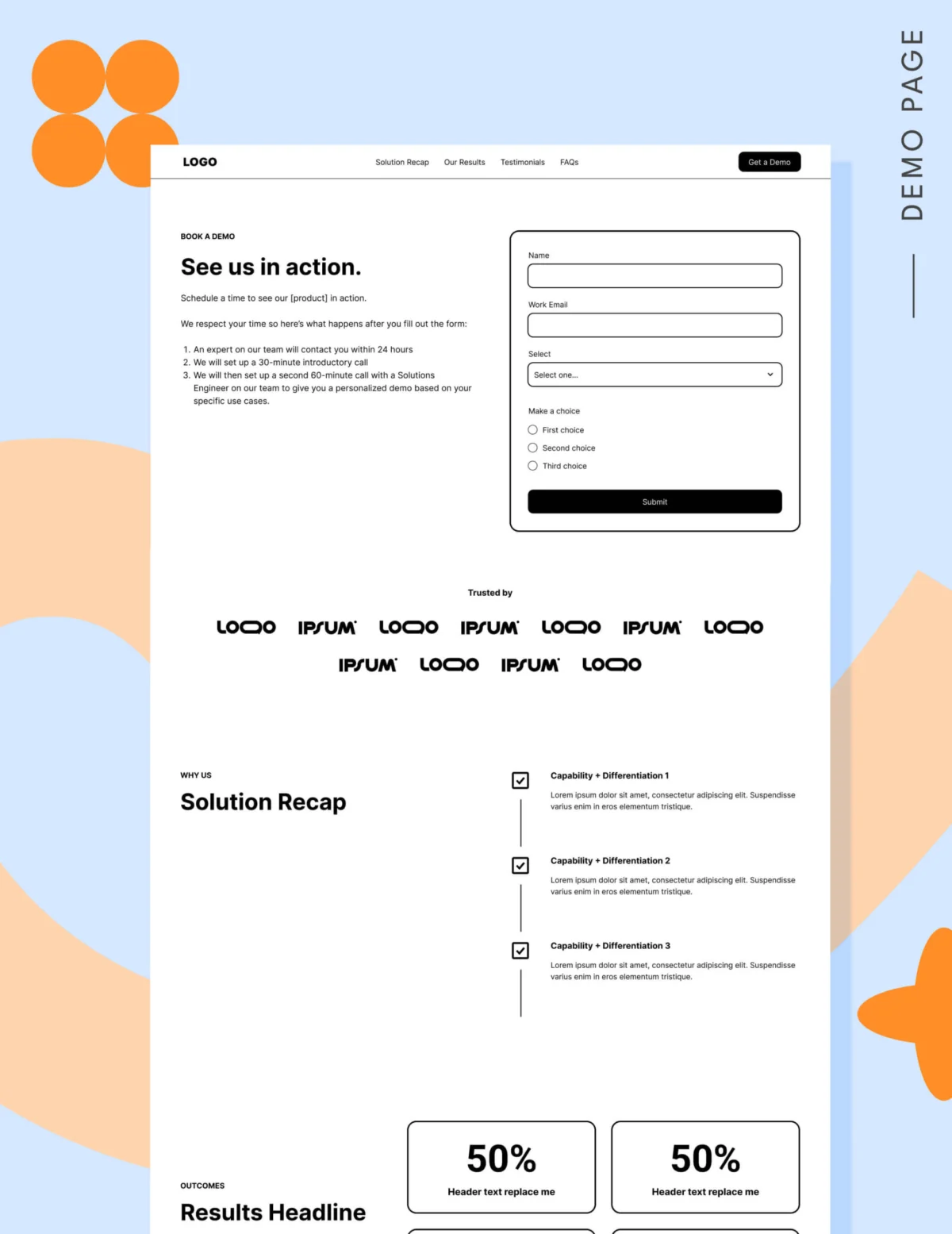
 Reynand Wu