rifanmuazin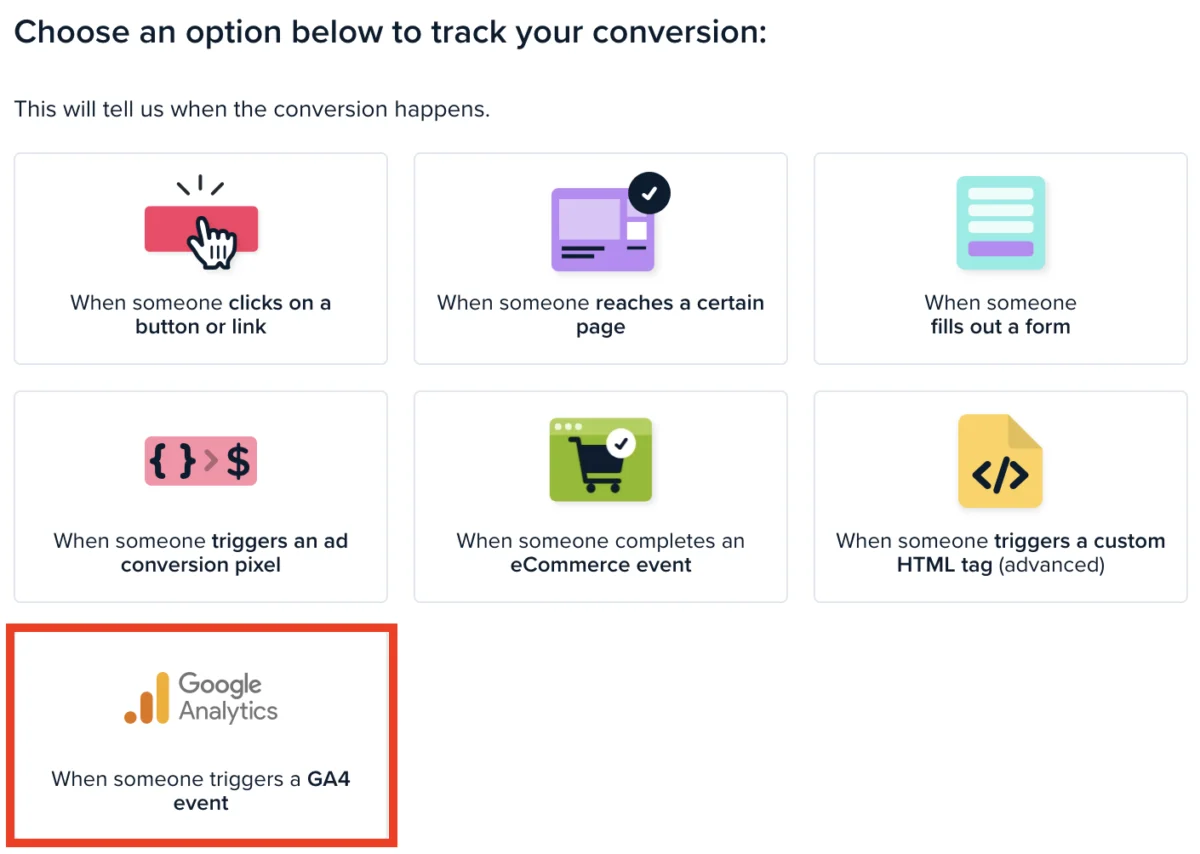
The digital marketing landscape has reached a new milestone in cross-platform interoperability with the announcement that Crazy Egg, a pioneer in heatmapping and visitor behavior analysis, has integrated advanced conversion tracking features specifically designed for Google Analytics 4 (GA4). This update allows users to synchronize "key events" from GA4 directly into the Crazy Egg platform as conversions without the requirement of additional tagging or manual code implementation. This development represents a significant shift toward "no-code" data integration, aiming to provide digital marketers and web analysts with a more streamlined workflow for optimizing user experiences and increasing return on investment (ROI).
By bridging the gap between quantitative analytics and qualitative behavior visualization, Crazy Egg enables businesses to identify not just that a conversion occurred, but exactly how a user navigated the interface to reach that milestone. The integration is designed to leverage existing configurations within the Google ecosystem, ensuring that businesses already utilizing GA4 can maximize their current data architecture without incurring the technical debt of redundant tracking scripts.
The Evolution of Conversion Tracking: From Universal Analytics to GA4
To understand the significance of this integration, it is essential to look at the broader context of the digital analytics industry over the past three years. In July 2023, Google officially sunsetted Universal Analytics (UA), its long-standing tracking platform, in favor of Google Analytics 4. This transition was more than a mere software update; it was a fundamental shift from session-based tracking to an event-based data model.
In the UA era, conversions were often defined by "Goals," which were frequently tied to specific URL destinations or session durations. GA4 replaced this model with "Key Events" (formerly termed conversions within the GA4 interface). This shift allowed for more granular tracking of user interactions, such as button clicks, video views, and scroll depth. However, the complexity of GA4 left many marketers struggling to reconcile their analytics data with their visual behavior tools.
Crazy Egg’s new functionality addresses this friction point directly. By allowing GA4 key events to serve as the trigger for Crazy Egg conversions, the platform ensures that the "source of truth" for what constitutes a successful user action remains consistent across a company’s entire marketing technology stack.
Technical Mechanics and Implementation
The integration functions through a sophisticated detection system that monitors the visitor’s browser for specific event triggers. According to technical specifications provided by Crazy Egg, the platform can detect any GA4 conversion event as long as that event is fired within the client-side environment. This includes setups utilizing the standard Google Tag (gtag.js), Google Tag Manager (GTM), and various third-party Customer Data Platforms (CDPs) that operate within the browser.
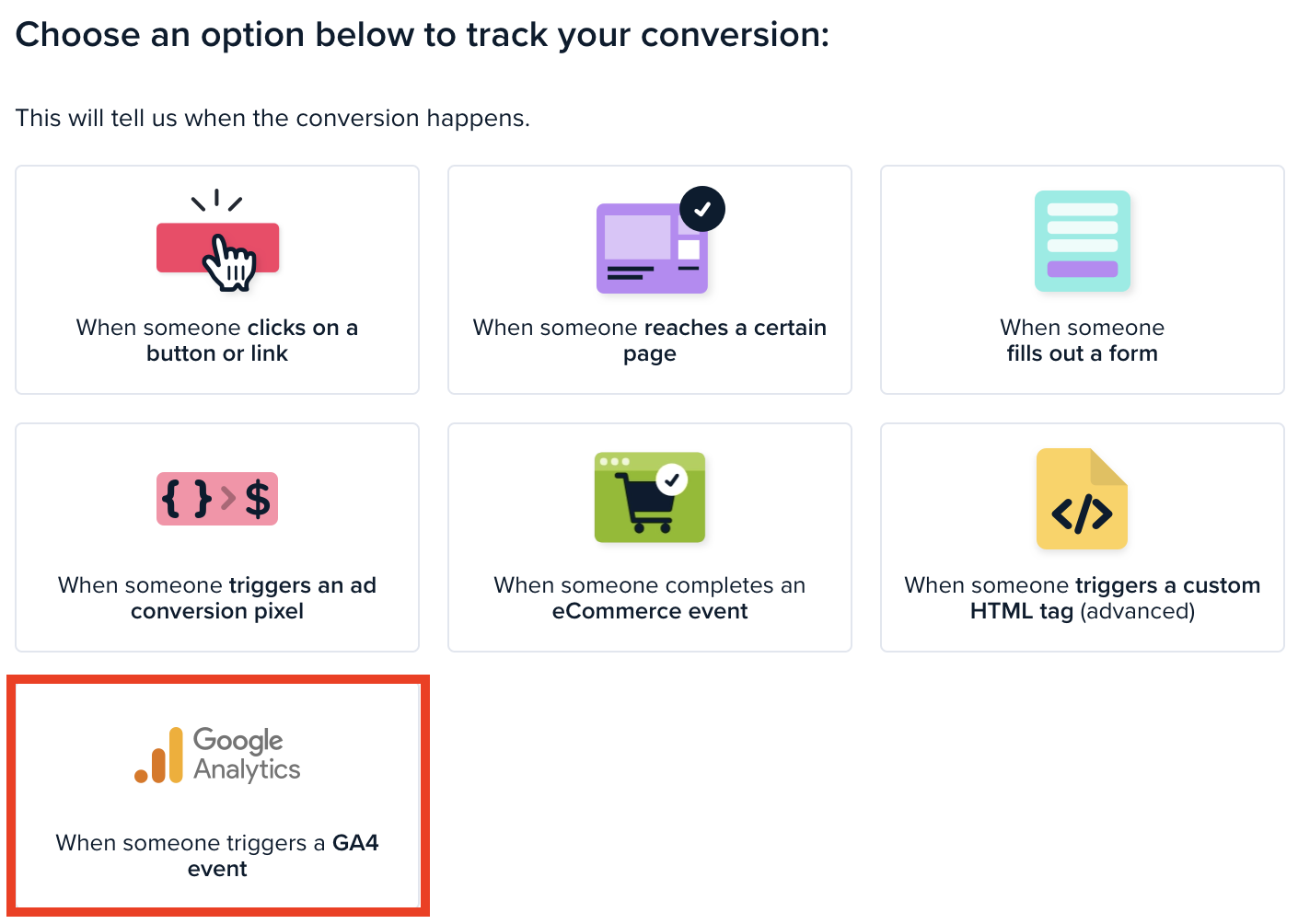
The process of synchronization is designed for simplicity. Users navigate to their Crazy Egg dashboard, select the conversion tracking options, and choose the GA4 trigger. Because the system listens for the event signals already being sent to Google’s servers, there is no need to modify the website’s header or footer code beyond the initial Crazy Egg snippet.
However, the company has clarified a critical technical distinction: the integration is strictly limited to browser-side events. If a business utilizes server-side tagging—where events are sent from the website’s server to Google’s servers without passing through the user’s browser—Crazy Egg will not be able to "hear" the event. This is a standard limitation for client-side behavior tools, which rely on the browser’s Document Object Model (DOM) to correlate user actions with visual heatmaps and session recordings.
Chronology of Integration and Optimization Features
The rollout of this feature follows a series of updates by Crazy Egg aimed at making data more actionable for non-technical users.
- 2022-2023: Crazy Egg expanded its A/B testing suite and revamped its Session Recording engine to handle the increased data loads of modern single-page applications (SPAs).
- Late 2023: Following the UA sunset, Crazy Egg began developing a more robust API-less connector for GA4 to help users who were struggling with the new Google interface.
- Q2 2024: The official launch of the GA4 Key Event trigger, allowing for instantaneous conversion mapping.
This timeline reflects a broader trend in the SaaS industry where tools are moving away from proprietary, isolated data silos and toward an interconnected ecosystem. By aligning with Google’s event-based nomenclature, Crazy Egg is positioning itself as an essential companion to the world’s most used analytics platform.
Supporting Data and Market Implications
The demand for integrated analytics tools is supported by recent industry data. According to a 2023 report on the "State of Conversion Optimization," nearly 68% of digital marketers cited "data silos" as the primary obstacle to improving website conversion rates. Furthermore, companies that use unified data to drive their user experience (UX) decisions see an average 15-20% increase in conversion efficiency compared to those using disconnected tools.
The integration of GA4 events into Crazy Egg provides several measurable advantages:
- Reduced Latency in Decision Making: Marketers no longer need to export CSV files from GA4 and manually compare them with Crazy Egg heatmaps. The data is synchronized in real-time.
- Increased Data Accuracy: By using the same trigger for both platforms, the risk of "data drift"—where two different tools report different conversion numbers—is significantly minimized.
- Enhanced Segmentation: Users can now filter Crazy Egg heatmaps and recordings based on specific GA4 key events. For example, a retailer can view the session recordings of only those users who triggered a "Purchase" event in GA4, providing immediate insight into the checkout experience of high-value customers.
Industry Reactions and Expert Analysis
Industry analysts suggest that this move by Crazy Egg is a strategic response to the growing dominance of all-in-one marketing suites. By making their specialized tool play well with the industry standard (Google), Crazy Egg maintains its relevance for enterprises that prefer a "best-of-breed" approach over a "one-size-fits-all" solution.
"The challenge with GA4 has always been its steep learning curve and its focus on the ‘what’ rather than the ‘why’," says one digital strategy consultant. "Crazy Egg’s decision to ingest GA4 events allows the ‘why’ to be answered almost instantly. When you see a drop-off in a GA4 funnel, you can now jump straight into a Crazy Egg recording triggered by that exact same event logic. It saves hours of manual troubleshooting."
While Crazy Egg has not released official statements from its executive leadership regarding this specific update, the product’s direction aligns with the philosophy of its founders, who have long advocated for "actionable metrics" over "vanity metrics." The focus is clearly on enabling small to medium-sized businesses (SMBs) to perform high-level data analysis without needing a dedicated data science team.
Broader Impact on the Digital Ecosystem and Privacy
The integration also touches upon the evolving landscape of data privacy. As global regulations like GDPR and CCPA become more stringent, the reliance on first-party data has become paramount. Since both GA4 and Crazy Egg function primarily through first-party cookies and direct browser interactions, this integration helps businesses maintain compliance while still gathering the insights necessary for growth.
Furthermore, by focusing on client-side events, the integration respects the boundaries of modern browser privacy features. Because the tools are operating within the same user session, they are less likely to be blocked by aggressive anti-tracking measures that often target third-party data aggregators.
Conclusion and Future Implications
The ability to track GA4 key events as conversions in Crazy Egg marks a significant advancement in the democratization of web analytics. By removing the technical barriers to entry, Crazy Egg is allowing a wider range of professionals—from UX designers to content strategists—to utilize high-level conversion data.
As the digital landscape continues to evolve toward more complex, event-driven architectures, the success of third-party tools will increasingly depend on their ability to integrate with the platforms that businesses already use. Crazy Egg’s latest update is a testament to this reality, providing a blueprint for how specialized optimization tools can coexist and flourish within the Google-dominated analytics environment. Looking forward, it is likely that we will see further integrations involving machine learning and predictive analytics, where GA4’s predictive audiences can be used to trigger specific visual experiments within Crazy Egg, further closing the loop between data collection and user experience improvement.


 Asro
Asro
 Dwi Wanna