
 rifanmuazin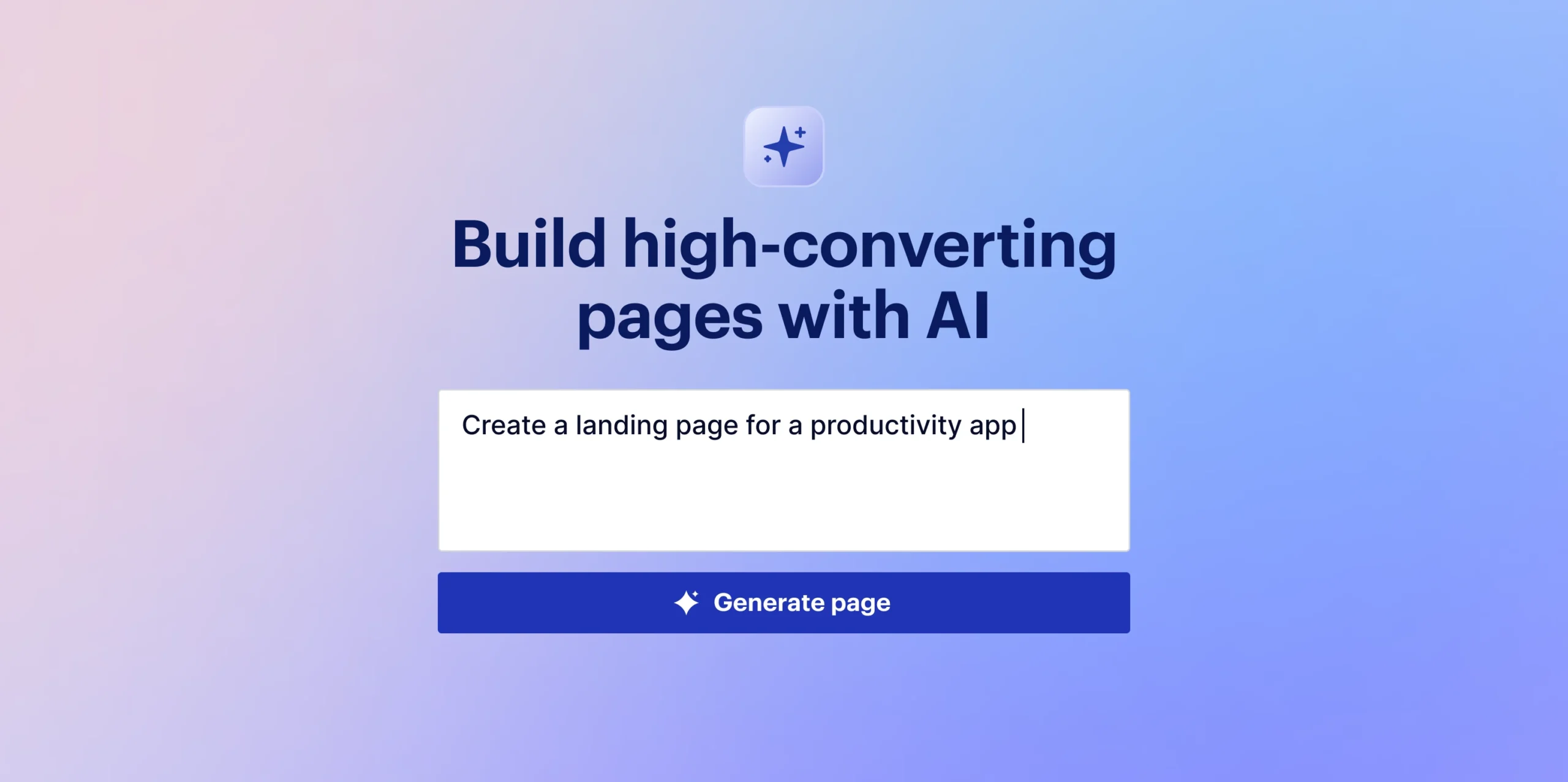
The digital marketing landscape is undergoing a fundamental transformation as Instapage, a long-standing leader in landing page technology, announces the comprehensive integration of generative artificial intelligence across its entire product suite. Since its inception in 2012, Instapage has evolved from a specialized landing page builder into a robust conversion rate optimization (CRO) and marketing ecosystem. This latest strategic shift signals a move toward an "AI-first" philosophy, aiming to consolidate fragmented marketing workflows into a single, cohesive platform that handles everything from initial page design to automated lead nurturing.
By embedding AI into every stage of the creation, testing, and optimization process, Instapage seeks to address the persistent challenges of "tool fatigue" and the high costs associated with scaling digital campaigns. The new suite of features—which includes AI-driven page generation, automated email creation, and AI Collections—is designed to empower lean marketing teams to execute complex, high-performance strategies that previously required significant headcount or an array of disconnected software subscriptions.
The Evolution of Landing Page Technology: A Decade of Innovation
To understand the significance of Instapage’s AI pivot, it is necessary to examine the company’s trajectory within the broader MarTech (Marketing Technology) industry. Launched in 2012, Instapage entered a market where building high-converting landing pages required either deep technical coding knowledge or the use of rigid, template-based systems that offered little in the way of customization or performance data.
Over the subsequent decade, the company pioneered several industry standards, including the first "pixel-perfect" drag-and-drop builder and sophisticated heatmapping tools. As the industry matured, Instapage expanded its offerings to include personalization and experimentation modules, allowing marketers to serve different page versions to various audience segments based on geographic location, device type, or ad spend.
The current transition to an AI-powered platform represents the third major wave in the company’s history. The first wave was focused on democratizing design; the second on data-driven optimization; and this third wave is focused on operational velocity. By automating the most time-consuming aspects of the marketing funnel—copywriting, layout design, and follow-up sequences—the platform aims to reduce the time-to-market for new campaigns from weeks to minutes.
AI Page Generation: Solving the Creative Bottleneck
One of the primary hurdles for digital marketers is the "blank page syndrome." The transition from a strategic concept to a live, conversion-ready landing page often involves multiple stakeholders, including copywriters, graphic designers, and front-end developers. This process is frequently a bottleneck, leading to delayed launches and missed market opportunities.
Instapage’s new AI page generation tool addresses this by utilizing large language models and proprietary design algorithms to build complete pages based on simple text descriptions. Users input their campaign goals, target audience, and key value propositions, and the AI generates a structured layout complete with tailored messaging and optimized visual hierarchies.
Unlike standalone AI generators that often produce static or difficult-to-edit outputs, Instapage has integrated its AI with its legacy drag-and-drop builder. This allows marketers to treat the AI-generated page as a sophisticated starting point rather than a final product. The platform’s architecture ensures that users do not have to "re-prompt" the AI to make minor adjustments—a common pain point in current generative design tools where changing a single element often requires regenerating the entire asset. This hybrid approach maintains the speed of AI while preserving the creative control required by professional brand managers.
Integrating AI-Powered Email for Seamless Lead Nurturing
A critical gap in many marketing workflows is the disconnect between lead capture and lead nurturing. In a traditional setup, a lead generated on a landing page must be exported to an Email Service Provider (ESP) or a Customer Relationship Management (CRM) system, where a separate team or tool handles the follow-up. This fragmentation often results in "lead decay," where the time elapsed between interest and response significantly reduces conversion rates.
Instapage’s latest release bridges this gap by introducing built-in AI email generation and automation. The platform now allows users to create tailored follow-up sequences directly within the same environment where the landing page was built. The AI assistant can draft emails based on the specific context of the landing page the lead interacted with, ensuring a consistent brand voice and relevant messaging.

By centralizing these functions, Instapage eliminates the need for manual handoffs and the "stitching together" of disparate tools. This is particularly relevant for small to mid-sized enterprises (SMEs) that may not have the resources to manage a complex tech stack. The ability to select a goal, audience, and tone—and have the system generate a ready-to-send automation—represents a significant shift toward the democratization of sophisticated lifecycle marketing.
Supporting Data and Market Trends in AI Adoption
The move by Instapage reflects broader trends in the global marketing industry. According to a 2023 report by Gartner, nearly 63% of marketing leaders planned to invest in generative AI in the coming year to improve efficiency and reduce costs. Furthermore, data from Forrester suggests that AI-driven automation can increase marketing productivity by up to 40% in content-heavy roles.
The economic climate of 2024 and 2025 has also played a role in accelerating this shift. With many companies operating with leaner teams and tighter budgets, there is a heightened demand for "all-in-one" platforms that provide a high return on investment (ROI). Instapage’s internal data suggests that businesses using their integrated AI tools can scale their page output by 5x without increasing their internal headcount.
The cost of "token-based" generation in standalone tools is another factor driving users toward integrated platforms. In many external AI design tools, every iteration or redesign consumes credits or tokens, which can become prohibitively expensive during the refining process. Instapage’s model of providing a visual editor for AI-generated content bypasses this inefficiency, offering a more sustainable cost structure for high-volume users.
Strategic Implications and Industry Response
Industry analysts view Instapage’s move as a direct challenge to both specialized landing page builders like Unbounce and broader marketing hubs like HubSpot. By focusing specifically on the "conversion" end of the funnel—where ads meet pages and pages meet leads—Instapage is positioning itself as a specialist in performance marketing that uses AI to maximize the value of every click.
While official statements from competitors have been guarded, the general consensus among MarTech experts is that "bolted-on" AI features—such as simple subject line generators or copy rewriters—are no longer sufficient. The market is moving toward "workflow-integrated" AI, where the technology is woven into the fabric of the software rather than being a secondary add-on.
Reactions from early beta testers of the Instapage AI features have highlighted the reduction in friction. "The ability to go from a campaign brief to a live, multi-channel funnel in one afternoon is a game-changer for agencies," noted one digital marketing consultant. "The integration of the pixel-perfect builder with the AI generator solves the biggest frustration we have with other AI tools: the lack of precise control."
Analysis of Broader Impacts: The Future of Digital Marketing
The implications of an end-to-end AI marketing platform extend beyond mere convenience. This shift represents a move toward "real-time marketing," where campaigns can be adjusted and deployed almost as fast as consumer trends emerge.
- Democratization of High-End CRO: Small businesses can now access conversion optimization techniques—such as multivariate testing and personalized messaging—that were previously the domain of enterprise-level companies with large technical teams.
- Shift in Human Roles: As AI takes over the "heavy lifting" of production and initial drafting, the role of the marketer is shifting toward strategy, prompt engineering, and data interpretation. The focus is moving from "how to build" to "what to build" and "for whom."
- Data Integrity and Privacy: With more functions centralized in one platform, data privacy becomes a paramount concern. Instapage has addressed this by ensuring that its AI integrations comply with modern data protection standards, a critical factor for enterprise clients operating in regulated industries.
- Reduction in Tool Overlap: The consolidation of landing pages, email, and analytics into a single AI-driven platform reduces the "SaaS tax" paid by companies that currently subscribe to five or six different tools to achieve the same result.
Conclusion and Availability
As Instapage rolls out these features, the company has indicated a phased release strategy. Select AI features are currently in beta, with a gradual rollout to the wider user base throughout the coming months. The company continues to offer a 14-day free trial for new users to experience the platform’s capabilities, emphasizing its commitment to proving the value of AI-driven conversion before requiring a long-term commitment.
The transition of Instapage into an end-to-end, AI-powered marketing platform is a landmark event in the evolution of MarTech. It signifies a departure from the era of fragmented tools and a move toward an integrated future where artificial intelligence serves as the connective tissue across the entire customer journey. For businesses looking to navigate an increasingly complex digital landscape with limited resources, this evolution offers a promising path toward sustainable growth and higher efficiency.








