rifanmuazin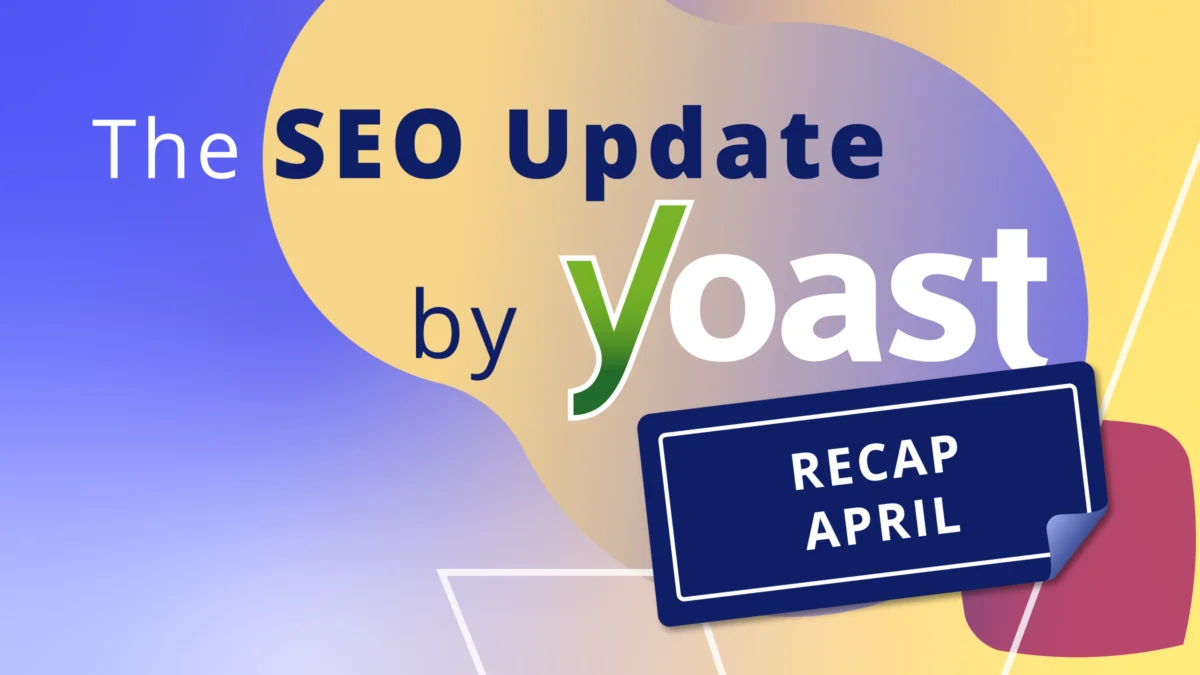
The month of April 2026 marked a pivotal period for search engine optimization, characterized by accelerated advancements in artificial intelligence integration and a reinforced commitment from Google to combat low-quality content. Industry experts Carolyn Shelby and Alex Moss, during their monthly Yoast SEO update, meticulously detailed these shifts, emphasizing a fundamental restructuring of the web around AI agent access and a stricter stance against manipulative SEO tactics. Their analysis underscored a critical paradigm shift: merely publishing more content is no longer a viable strategy and, in many instances, can actively detract from a site’s performance. The discussions highlighted key developments ranging from new AI agent signals and infrastructure to comprehensive updates in Google’s core algorithms and spam policies, alongside the rapid proliferation of AI-driven tools transforming content creation and monetization.
The Dawn of Agentic AI: Google’s Vision for an Autonomous Web
April 2026 cemented Google’s long-signaled trajectory towards an AI-first internet, where search extends far beyond human-initiated queries. A significant development was Google’s introduction of a new "Google-agent user agent," explicitly designed to support AI-driven crawling and interaction with websites. This move, while seemingly technical, represents a foundational change, indicating that Google’s systems are increasingly preparing for a web where autonomous AI agents, rather than solely human users, will be primary interactors. This shift is part of Google’s broader strategy to enhance search capabilities, moving from simply indexing information to actively processing and synthesizing it for complex user tasks.
This infrastructure upgrade is complemented by broader industry initiatives. Proposals such as WebMCP (Web Machine Communication Protocol) are gaining traction, aiming to standardize how these burgeoning AI agents interact with digital content, much like HTTP standardized human-browser communication decades prior. The goal is to create a predictable and secure environment for AI agent operations, preventing chaos and ensuring ethical interactions. Google’s CEO, Sundar Pichai, further articulated this vision, predicting that search will evolve into an "AI agent manager." This implies a future where Google’s primary role isn’t just to provide links, but to orchestrate various AI agents to fulfill complex user tasks, from planning trips to managing personal finances, drawing upon diverse web resources. This foresight suggests a deeper integration of AI into daily digital interactions, fundamentally altering how users discover and engage with online services and information.
Implications for Webmasters: The shift to agent access over traditional human browsing fundamentally alters how websites need to be structured and optimized. Developers and content creators must now consider how their sites will be interpreted and utilized by AI agents, not just human eyes. This includes ensuring semantic clarity, machine-readable data, and explicit permissions for AI access, potentially through new meta tags or protocols. The challenge lies in creating content that is both engaging for humans and efficiently processable by AI, signaling a move beyond mere keyword optimization to semantic optimization for AI understanding. Businesses that fail to adapt to this new paradigm risk being overlooked by the very systems that will increasingly mediate user interaction with the web.
Advancing AI Efficiency and User Experience
Concurrently with infrastructure developments, Google continued to push the boundaries of AI capability and efficiency. The introduction of "TurboQuant," a novel approach to AI model compression, stands out. TurboQuant promises to significantly enhance the efficiency of AI operations, allowing for faster processing, reduced computational costs, and the deployment of more sophisticated AI models across a wider range of applications. This technical breakthrough directly impacts Google’s ability to process vast amounts of web data and deliver AI-powered search results with unprecedented speed and accuracy, thereby improving the overall user experience and enabling more complex AI functionalities.
Furthermore, Google expanded its "AI Mode" with new task-based features, refining how users interact with AI-driven search experiences. These features aim to move users beyond simple information retrieval to accomplishing multi-step tasks directly within the search interface. For example, a user might ask an AI-powered search assistant to "plan a weekend getaway to Paris, including flight options and hotel recommendations within a budget," and the AI would orchestrate the necessary steps, potentially interacting with various websites and services. This transformation signifies a move towards a more proactive and assistive search experience, where AI anticipates user needs and facilitates action.
Broader Impact: As AI becomes faster, more efficient, and deeply integrated into the user journey, expectations for search will inevitably shift. Users will anticipate more proactive, personalized, and task-oriented assistance from search engines. This necessitates that businesses and content creators think about their digital presence not just as a source of information, but as a potential component in an AI-orchestrated workflow. Websites that facilitate easy data extraction and offer clear calls to action for AI agents will likely gain a competitive advantage. The rise of these task-based features underscores the importance of a seamless user journey and the ability of a website to provide structured, actionable information.
Adapting Structured Data for an AI-First Paradigm
In response to the proliferation of AI-generated content and the evolving needs of AI agents, Google made significant updates to its structured data guidelines and documentation. Notably, AI bot labels were added to forum and Q&A structured data. This allows search engines to distinguish between human-generated contributions and those created by AI, a crucial step in maintaining content quality and transparency, particularly in community-driven platforms where authenticity is paramount. The increasing volume of AI-generated text makes such distinctions vital for users seeking reliable information and for Google in evaluating content quality.
Additionally, Google updated its documentation with "read more" deep link best practices. This seemingly minor update carries substantial weight in an AI-first world. Deep links, which allow direct access to specific sections of a page, become vital for AI agents that need to quickly pinpoint and extract relevant information without parsing entire articles. By providing clear guidelines, Google encourages webmasters to facilitate more precise and efficient data retrieval for AI systems, enhancing the utility of their content within AI-generated summaries and responses. This ensures that AI systems can accurately attribute and leverage specific pieces of information, preventing misinterpretations or the dissemination of incomplete data.
Why it Matters: These adjustments underscore Google’s commitment to adapting its systems to better interpret, label, and leverage AI-generated content responsibly. For webmasters, adherence to these updated structured data guidelines is no longer optional but a strategic imperative. Proper implementation ensures that content is not only discoverable by traditional search but also correctly understood and attributed by advanced AI models, thereby enhancing its visibility and influence within the emerging AI-driven search ecosystem. It also helps in combating the potential for AI-generated spam to dilute the quality of information, ensuring a cleaner and more trustworthy digital environment.
Intensified Enforcement: Google’s Stance Against Spam and Low-Value Content
April 2026 also saw Google conclude its March 2026 spam update and core update, which had significant ramifications across the digital landscape. These updates, part of Google’s ongoing efforts to refine its search algorithms, aim to promote higher-quality, more authoritative content while penalizing manipulative tactics. Historically, Google’s core updates are broad algorithmic changes that can lead to noticeable shifts in search rankings, affecting a wide array of websites. These updates typically occur several times a year, reflecting Google’s continuous effort to improve the relevance and quality of its search results. Spam updates, on the other hand, specifically target sites employing practices deemed to be against Google’s Webmaster Guidelines, such as keyword stuffing, cloaking, or link schemes.
Accompanying these updates were new additions to Google’s spam policies, specifically addressing tactics like "back button hijacking." This deceptive practice involves redirecting users to an unwanted page when they attempt to use their browser’s back button, creating a frustrating and potentially harmful user experience. By explicitly targeting such manipulative techniques, Google reinforces its commitment to user safety and a clean search environment. Furthermore, improvements to spam reporting tools empower users and webmasters to more easily flag malicious or low-quality content, contributing to a collective effort in maintaining search integrity. This collaborative approach leverages community vigilance to combat emerging spam tactics more effectively.

Analysis of Impact: The consistent rollout of core and spam updates, coupled with more granular policy enforcement, signals Google’s zero-tolerance approach to low-value content and technical manipulation. Websites that have historically relied on aggressive SEO tactics or the mass production of unoriginal content experienced significant drops in visibility. Conversely, sites prioritizing genuine value, user experience, and adherence to best practices were rewarded. This trend reflects Google’s strategic move to clean up the web ahead of a more pervasive AI integration, ensuring that the data fed to AI agents is reliable and high-quality. The message is clear: the era of simply gaming the system is definitively over, replaced by a focus on authentic value and user-centric design.
The Proliferation of AI Tools and Platforms in Workflows
The rapid integration of AI into digital workflows was another defining characteristic of April 2026. The launch of Elementor’s "Angie," an agentic AI specifically for WordPress, exemplified this trend. Angie aims to empower WordPress users with AI capabilities for content generation, design optimization, and potentially even site management, streamlining workflows for millions of website owners. In a similar vein, Cloudflare introduced "EmDash" as a potential WordPress alternative, focusing on performance, security, and AI readiness, further signaling a competitive landscape where AI integration is a key differentiator for content management systems. Cloudflare’s continued work on agent readiness standards also highlights the industry-wide effort to prepare for the agentic web, ensuring interoperability and secure communication between AI systems.
Beyond CMS platforms, leading AI research companies continued to innovate at an unprecedented pace. Anthropic, a prominent AI developer, released "Claude Design," a tool likely focused on enhancing creative processes through AI, and previewed "Mythos," suggesting advancements in complex reasoning or multi-modal AI capabilities. OpenAI, another industry giant, was observed testing an "AdsBot" and introduced a ChatGPT ad manager interface, indicating a strong push towards integrating AI directly into advertising and monetization strategies. This move has significant implications for how businesses manage their campaigns and target audiences, potentially automating aspects of ad creation, optimization, and targeting based on real-time data and predictive analytics.
Market Dynamics: These developments showcase a robust and highly competitive ecosystem where AI is increasingly embedded directly into content creation, workflow automation, and monetization systems. The availability of sophisticated AI tools democratizes access to advanced capabilities, allowing businesses of all sizes to leverage AI for efficiency and innovation. However, it also raises questions about the ethical use of AI-generated content, the potential for job displacement in certain creative fields, and the need for robust AI governance. The focus shifts from merely using AI to strategically integrating AI to enhance existing processes and create new opportunities, demanding a new skill set from digital professionals.
The Unwavering Primacy of Authority, Trust, and Content Quality
Amidst the rapid advancements in AI, Google unequivocally reinforced the foundational principles of good content: authority, trust, and quality. The company reiterated that "commodity content" – generic, undifferentiated, or mass-produced material lacking unique insights or value – does not perform well in search results. This statement, a consistent refrain from Google, gains new urgency in an era where AI can rapidly generate vast quantities of such content. The implication is that AI-generated content, unless it is meticulously crafted to be highly authoritative, fresh, and backed by first-party signals, will struggle to gain visibility, regardless of its volume.
Broader industry analysis further highlighted the critical importance of authority, freshness, and first-party signals. Authority, often linked to the E-E-A-T framework (Experience, Expertise, Authoritativeness, Trustworthiness), signifies content created by verifiable experts or established organizations. Freshness ensures information is up-to-date and relevant, especially crucial in fast-evolving fields like technology and finance. First-party signals, such as direct customer interactions, proprietary data, and unique insights from a business’s own operations, become invaluable differentiators. These elements collectively signal trustworthiness and uniqueness to search engines, making content stand out in an increasingly crowded digital space.
Strategic Imperative: As AI systems become more adept at synthesizing answers and generating summaries, they will rely even more heavily on trusted, differentiated sources. Websites that invest in genuine expertise, original research, and build a strong brand reputation will be the ones that AI models choose to cite and integrate into their responses. This means content strategies must pivot towards deep specialization, thought leadership, and the cultivation of unique perspectives that AI cannot easily replicate or synthesize from existing data. The emphasis is on creating "un-commodifiable" content that provides real value and stands as a beacon of reliability, moving beyond the superficiality of generic information.
Shifting Paradigms in Measurement and Reporting for AI Visibility
The profound changes in search necessitated a re-evaluation of how success is measured in SEO. The traditional focus on organic rankings, while still relevant, is increasingly insufficient. The conversation began shifting toward "AI visibility," encompassing metrics beyond mere position in a list of ten blue links. This new paradigm emphasizes citation, inclusion, and influence within AI-generated responses, summaries, and task completions, reflecting the evolving nature of user interaction with search.
New Metrics for a New Era: In an AI-first world, success might be measured by how often a website’s content is directly quoted or referenced by an AI assistant, how frequently it contributes to an AI-orchestrated task, or its presence in AI-generated knowledge panels. This requires a different approach to analytics, potentially involving tools that track content usage by AI models, analyze semantic contributions to AI summaries, and monitor brand mentions within AI conversations. Webmasters will need to understand not just if they rank, but if their content is trusted and utilized by AI systems to deliver value to users. This shift demands a deeper understanding of natural language processing and semantic relevance, moving beyond keyword matching to concept matching and contextual understanding. New reporting frameworks will need to emerge to provide actionable insights into these new dimensions of visibility.
Expert Commentary and Industry Outlook
The rapid pace of change articulated in April 2026’s SEO update generated significant discussion within the digital marketing community. "We are witnessing a fundamental redefinition of search," commented Dr. Lena Petrova, a leading AI ethicist and digital strategist. "The transition from a link-based web to an agent-based web is perhaps the most significant shift since the advent of mobile. Businesses that fail to adapt their content strategies and technical infrastructure for AI agents will find themselves increasingly invisible. This isn’t just an SEO update; it’s a call for digital transformation."
SEO consultant Mark Jensen added, "Google’s intensified crackdown on spam and low-quality content isn’t just about cleaning up the index; it’s about preparing a pristine dataset for AI. If AI is going to manage our lives, the information it draws from must be impeccable. The emphasis on E-E-A-T and first-party signals will only grow stronger, making authenticity and demonstrable expertise non-negotiable for online success."
The general sentiment among industry observers is one of cautious optimism tempered with a call for urgent adaptation. While AI presents unprecedented opportunities for efficiency and innovation, it also demands a higher standard of digital stewardship and strategic foresight. The consensus is that proactive engagement with these changes will determine future relevance.
Strategic Implications and Future Directions
For businesses and content creators, the insights from April 2026’s SEO update necessitate a comprehensive review of their digital strategies. The actionable takeaways are clear:
- Prioritize Semantic Clarity and Machine Readability: Optimize content not just for human comprehension but for efficient processing by AI agents. This involves meticulous use of structured data, clear hierarchical organization, and precise language.
- Invest in Genuine Authority and First-Party Content: Focus on creating unique, expert-driven content that offers proprietary insights. Differentiate through original research, unique perspectives, and direct experience that AI cannot easily replicate.
- Embrace AI Tools Strategically: Leverage AI for workflow efficiency, content ideation, and personalization, but always with human oversight and a focus


 Jia Lissa
 Siti Muinah