
 rifanmuazin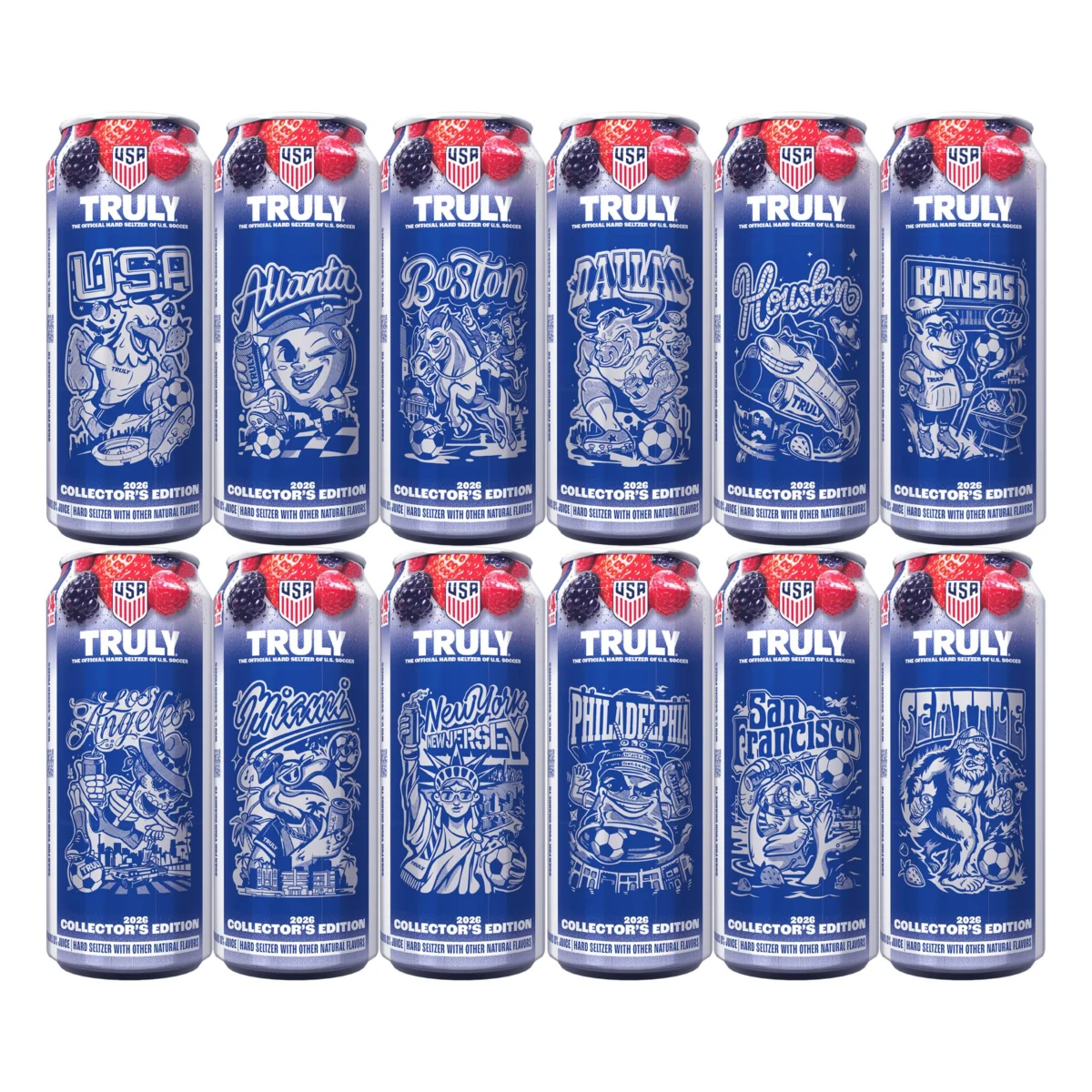
The 2026 FIFA World Cup represents a monumental shift in the global sporting calendar, serving not merely as a series of soccer matches but as a massive cultural and commercial nexus. As the first tournament to be hosted by three nations—the United States, Mexico, and Canada—and the first to feature an expanded field of 48 teams, the event is poised to become the largest sporting spectacle in history. For brands, public relations agencies, and marketing executives, the tournament offers a rare opportunity to reach a fragmented global audience through a unified platform. However, the strategies required to capture attention in 2026 differ significantly from previous iterations of the games, driven by shifts in consumer behavior, technological advancements, and a unique geopolitical backdrop.
The Cultural Gravitational Pull of 2026
The upcoming FIFA World Cup, scheduled to run from June 11 to July 19, 2026, arrives at a time when traditional mass-media moments are increasingly rare. In an era of niche content and personalized algorithms, the World Cup remains one of the few events capable of commanding the attention of billions simultaneously. For North American brands, the stakes are particularly high. This is the first time the tournament has returned to the continent since 1994, a year that many credit with the birth of modern professional soccer in the United States.
Despite the magnitude of the event, market data reveals a curious paradox regarding American interest in the sport. According to research from YouGov, only 12% of U.S. adults identify as active fans of soccer, a figure that sits well below the global average of 26%. Under normal circumstances, such a statistic might deter non-sports brands from investing in the space. However, experts argue that for an event of this scale, traditional fandom metrics are secondary to the "spectacle" factor.
Nicole Pike, the global head of YouGov Sport, notes that the 2026 World Cup is "bigger than soccer itself." In a recent industry report, Pike characterized the tournament as a cultural event with a "gravitational pull" that extends into music, travel, fashion, and national identity. This sentiment is echoed by Jenna Guarneri, CEO of JMG Public Relations and author of "You Need PR." Guarneri emphasizes that the event creates an inclusive environment where even casual observers or non-fans become engaged. This inclusivity allows businesses of all sizes—not just official FIFA partners—to participate in the cultural conversation. From local influencer partnerships to community-based watch parties, the barrier to entry for meaningful engagement has lowered, provided the brand can offer a unique value proposition.
A Chronology of the 2026 Expansion
The road to 2026 has been marked by significant structural changes to the tournament format. In January 2017, the FIFA Council voted unanimously to expand the World Cup from 32 to 48 teams. This change increases the number of matches from 64 to 104, providing more "inventory" for broadcasters and more touchpoints for advertisers.
The timeline for the 2026 event is as follows:
- June 11, 2026: The opening match will take place at the iconic Estadio Azteca in Mexico City, making it the first stadium to host three World Cup opening matches.
- June 12, 2026: The first matches in the United States (Los Angeles) and Canada (Toronto) will occur.
- July 4, 2026: Round-of-16 matches coincide with the 250th anniversary of the United States, creating a unique intersection of sport and national celebration.
- July 19, 2026: The final match will be held at MetLife Stadium in East Rutherford, New Jersey.
The tournament will be spread across 16 host cities: 11 in the U.S. (Atlanta, Boston, Dallas, Houston, Kansas City, Los Angeles, Miami, New York/New Jersey, Philadelphia, San Francisco, and Seattle), three in Mexico (Guadalajara, Mexico City, and Monterrey), and two in Canada (Toronto and Vancouver). This geographic spread necessitates localized PR strategies that account for regional pride and diverse demographics.
Leveraging National Pride and the Semiquincentennial
One of the most potent drivers for marketing success in 2026 is the convergence of the World Cup with the United States’ 250th anniversary, known as the Semiquincentennial. The July 4th holiday will fall during the knockout stages of the tournament, providing a "generational opportunity" for brands to align with themes of patriotism, shared history, and optimism.
Jacqueline Babb, an associate professor at Northwestern University’s Medill School, suggests that brands can capitalize on this by celebrating "local heroes and shared narratives." This strategy moves beyond the pitch, focusing instead on the American spirit and the collective experience of hosting the world.
A prime example of this localized approach is being executed by Truly Hard Seltzer. Owned by The Boston Beer Company, the brand has launched a comprehensive campaign that includes limited-edition cans inspired by the host cities. Their "Believe, USA" initiative allows consumers to nominate their towns for a temporary name change and a branded makeover, complete with pop-up bars and ribbon-cutting ceremonies. Taylor Jette, senior manager of communications at The Boston Beer Company, explains that the goal is to give the passion of American soccer fans a "tangible home." By rooting the campaign in a genuine cultural moment rather than "manufactured hype," the brand aims to foster organic participation.
The Digital Shift: Social Media vs. Traditional Broadcast
The media landscape has evolved drastically since the 2022 World Cup in Qatar. Fragmentation has increased, and the influence of short-form video platforms like TikTok and Instagram Reels has surpassed traditional linear television for younger demographics.
Recent YouGov surveys indicate that 49% of shoppers aged 18-34 recalled seeing World Cup sponsorship branding on social media, compared to only 39% who noticed it during television broadcasts. This 10-point gap highlights a critical shift in how brands must allocate their budgets. While the "big game" commercial remains a prestigious asset, the real-time, interactive nature of social media is where the highest levels of engagement are found.
The surge in AI-generated content also presents new opportunities and challenges. Brands are now able to produce personalized, localized content at scale, but they must also navigate a landscape where "deepfakes" and misinformation can spread rapidly. The speed of social media requires brands to be agile, but experts warn against sacrificing strategy for the sake of velocity.
Jenna Guarneri advises that while moving quickly is essential for capitalizing on viral moments or "meme-worthy" events during the tournament, brands must ensure their reactions align with their core identity. "It’s important to act quickly, but also have a clear strategy," Guarneri states. "You don’t want to dilute your brand by not thinking before you react."
Ambush Marketing and the "Non-Sponsor" Advantage
Historically, FIFA has been protective of its official sponsors—companies like Coca-Cola, Adidas, and Visa that pay hundreds of millions of dollars for exclusive rights. However, the 2026 tournament is expected to see a rise in sophisticated "ambush marketing" or "guerrilla PR." These are strategies used by companies that are not official sponsors but want to associate themselves with the event’s energy.
Because the 2026 tournament is so geographically dispersed, local businesses can engage with fans in ways that official global sponsors cannot. A local brewery in Kansas City or a tech startup in San Francisco can create "World Cup-adjacent" content that focuses on the city’s role as a host, avoiding the use of trademarked FIFA logos while still capturing the local excitement.
Industry analysts suggest that the most successful non-sponsor campaigns will be those that focus on the fan experience rather than the tournament results. By providing utility—such as travel guides, viewing location maps, or commemorative merchandise that celebrates the host city’s culture—brands can earn a seat at the table without the official FIFA price tag.
Economic Implications and Long-term Brand Impact
The economic impact of the 2026 World Cup is projected to be staggering. Estimates suggest that the tournament could generate upwards of $5 billion in short-term economic activity across the 16 host cities. For brands, the long-term impact is equally significant. The tournament serves as a massive "top-of-funnel" acquisition tool, introducing international brands to North American consumers and vice versa.
Furthermore, the 2026 World Cup is expected to be a catalyst for infrastructure development and tourism growth. PR firms are already working with municipal governments to position host cities as premier global destinations. This "place branding" is a critical component of the tournament’s legacy, ensuring that the impact of the event is felt long after the final whistle in New Jersey.
Conclusion: A Strategy for the Next Era of Sports PR
As the countdown to June 2026 continues, the blueprint for PR and marketing success is becoming clear. It is a strategy built on three pillars: cultural relevance, localized storytelling, and digital-first engagement. Brands that treat the World Cup as a mere sporting event will likely miss the mark. Instead, the most successful organizations will be those that recognize the tournament as a multifaceted cultural phenomenon.
Whether through a national campaign like Truly’s "Believe, USA" or a localized social media strategy that leverages the 250th anniversary of the United States, the goal remains the same: to connect with consumers through shared pride and collective experience. In the words of Taylor Jette, when a campaign is rooted in a "genuine cultural moment," consumers don’t just observe it—they want to be a part of it. For the 2026 FIFA World Cup, that participation will be the ultimate measure of marketing success.










