rifanmuazin
In today’s rapidly evolving digital marketing arena, the traditional "show the ad, book the call, close the deal" approach is increasingly being complemented by a more foundational strategy: brand awareness. This isn’t about immediate transactions, but about cultivating a deep-seated familiarity and trust with a target audience that pays dividends over time. As consumers navigate an information-rich environment, often aided by artificial intelligence, the brands that consistently appear across various touchpoints – from social feeds and online forums to email inboxes and articles – are not starting from scratch when a purchase decision arises. Instead, they are the pre-established, top-of-mind choices. This fundamental shift is amplified by the rise of AI-powered search, where online mentions and references serve as crucial authority and trust signals, directly impacting a brand’s visibility on platforms like ChatGPT and Claude.

Understanding Brand Awareness: More Than Just Recognition
At its core, brand awareness signifies the degree to which a target audience recognizes and is familiar with a business, its offerings, its reputation, and what distinguishes it from competitors. It represents the initial touchpoint in any consumer’s purchasing journey and is a significant driver of customer trust. This familiarity can manifest in subtle ways: recalling a specific font associated with a brand, humming a memorable advertising jingle, instinctively reaching for a familiar product on a store shelf, or recognizing a helpful video from a local service provider. For instance, the iconic golden arches of McDonald’s, when presented in their signature font and color, evoke immediate recognition and associations with their products, a testament to decades of deliberate brand building.
The Spectrum of Brand Awareness: From Recall to Dominance
Brand awareness exists on a continuum, ranging from a consumer’s ability to recall a brand when prompted to becoming the undisputed leader that consumers automatically consider within a specific product category. This spectrum can be broadly categorized into four distinct levels:

- Brand Recognition: Consumers can identify a brand when presented with its name or logo, even if they haven’t actively sought it out.
- Brand Recall: Consumers can retrieve a brand from memory when prompted with a product category or need.
- Top-of-Mind Awareness: The brand is the first one that comes to mind when a consumer thinks of a particular product or service category.
- Brand Dominance: The brand is the only one consumers consider within its category, often becoming synonymous with the product itself.
The Compounding Benefits of Cultivating Brand Awareness
Building robust brand awareness yields significant, compounding returns, making customer acquisition, engagement, and conversion more efficient and cost-effective over time. The benefits extend across the entire marketing ecosystem:
Building Foundational Trust
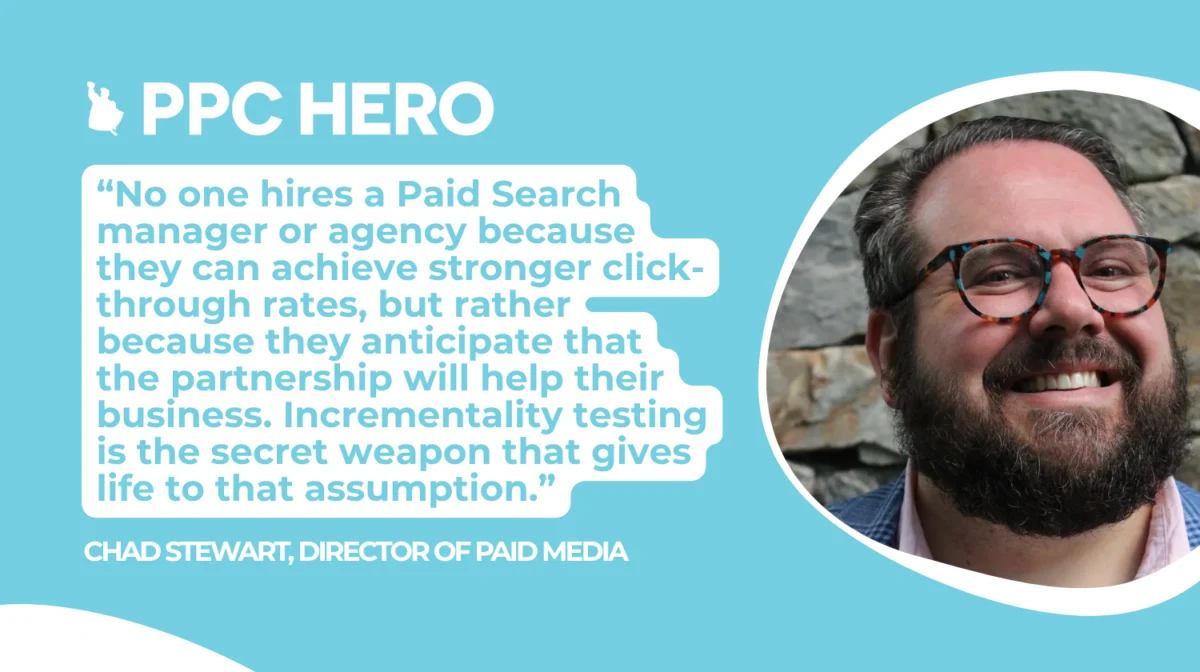
Consumer behavior data consistently highlights the critical role of trust in purchasing decisions. Reports indicate that a substantial majority of consumers state they need to trust a brand before making a purchase. Brand awareness plays a pivotal role in establishing this credibility long before direct interaction. By consistently appearing in relevant contexts, brands pre-emptively build familiarity, which can shorten decision cycles and ensure they remain a primary consideration for potential customers. As Andrew Chernoff, Vice President of Sales and Strategy at LocaliQ, notes, "Performance without awareness is fragile. Short-term performance tactics degrade quickly without awareness upstream. Intentional awareness campaigns build mental availability, so when consumers (or AI agents) need an answer, your brand is already known, trusted, and preferred."
Amplifying All Marketing Channels
A strong brand awareness acts as a rising tide, elevating the performance of all marketing initiatives. Whether it’s Search Engine Optimization (SEO), paid advertising, email marketing, or social media engagement, a pre-existing familiarity with a brand encourages consumers to pay closer attention and engage more readily. For example, studies on email open rates reveal that company familiarity is a significant factor, often ranking higher than even compelling subject lines. This suggests that when recipients recognize the sender, they are more inclined to open the message, thereby increasing the effectiveness of email campaigns. Stephanie Asrymbetov, a Senior Product Manager for Media Products at LocaliQ, emphasizes this point: "Signal loss from privacy changes, AI-driven auction dynamics, crowded feeds—they all create significant barriers to building a brand in the current landscape. The brands winning right now built familiarity before the click. Your brand awareness is what makes every downstream dollar work harder."
Enhancing Search and AI Visibility
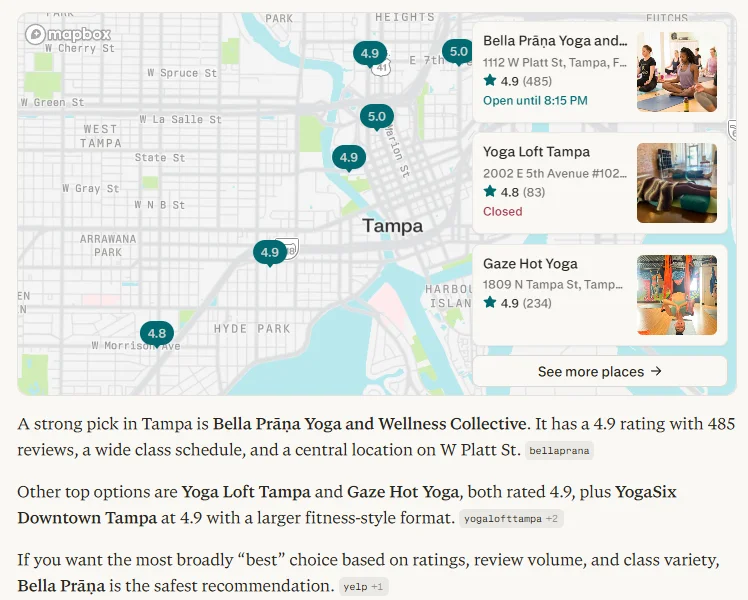
The increasing sophistication of search engines and AI tools means that brands with a strong online presence, frequent mentions, and organic discussions are favored. As Generative Engine Optimization (GEO) gains prominence, positive brand discussions across platforms like Reddit and social media are becoming critical trust signals that can influence how AI platforms like ChatGPT and Google’s AI Overviews cite and recommend businesses. Dennis Wilson, VP of Product Management at LocaliQ, observes, "Brand awareness matters more today because discovery is changing. Users are getting answers without clicks; AI is summarizing options before people ever visit a website. If your brand isn’t trusted, it may never be considered at all." This shift underscores the need for brands to actively foster online conversations and positive sentiment to ensure their inclusion in AI-generated responses.
Mitigating Pricing Pressure
A well-executed brand awareness strategy, one that effectively communicates a unique selling proposition (USP) and establishes the brand as a trusted solution, can also position it as a premium offering. This strategic positioning can help to insulate the brand from intense price competition. Consumers are often willing to pay a premium for brands they know, trust, and perceive as high-quality. This psychological pricing advantage is a direct result of consistent and effective brand building.
Thirteen Proven Techniques for Building Brand Awareness
The art of making a brand known is not a new phenomenon; historical evidence suggests that businesses have employed strategies to signal their presence and offerings for millennia. Modern marketing leverages a sophisticated array of tactics to achieve the same goal:

1. Cultivate Consistent Branding
Before launching any outward-facing promotional efforts, it is paramount to establish a cohesive and distinctive brand identity. This involves defining key elements that make the brand unique and memorable. A thorough branding exercise should encompass:
- Mission and Vision: The core purpose and long-term aspirations of the business.
- Brand Values: The guiding principles that inform the brand’s actions and communications.
- Brand Voice and Tone: The personality and style of communication that resonates with the target audience.
- Visual Identity: Logo, color palette, typography, and imagery that create a recognizable look and feel.
A strong, differentiated brand identity makes it easier for consumers to distinguish a brand from its competitors and to recall it. For example, Liquid Death, a canned water brand, has carved out a unique niche through its aggressively humorous and distinct branding, allowing it to stand out in a crowded beverage market.
2. Optimize for SEO and GEO
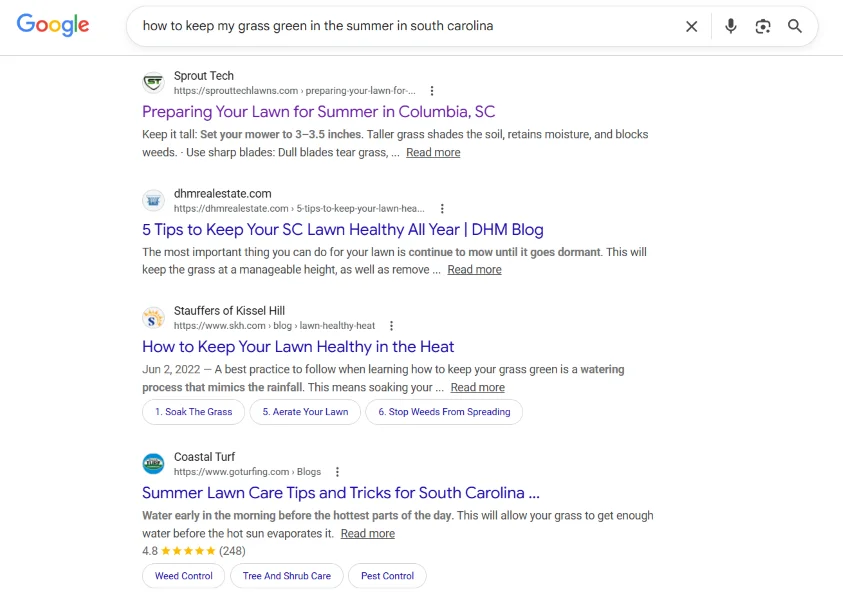
Search Engine Optimization (SEO) is a potent tool for brand awareness, offering compounding returns with a relatively modest budget. By appearing in search results for informational queries, brands introduce themselves to potential customers who may not yet be in a buying mindset. This organic visibility is crucial. Similarly, Generative Engine Optimization (GEO) is emerging as a critical factor. When AI tools like ChatGPT cite a brand as a source, it significantly increases the likelihood of that brand being recognized as a solution provider for future customer needs.
3. Implement a Referral Program
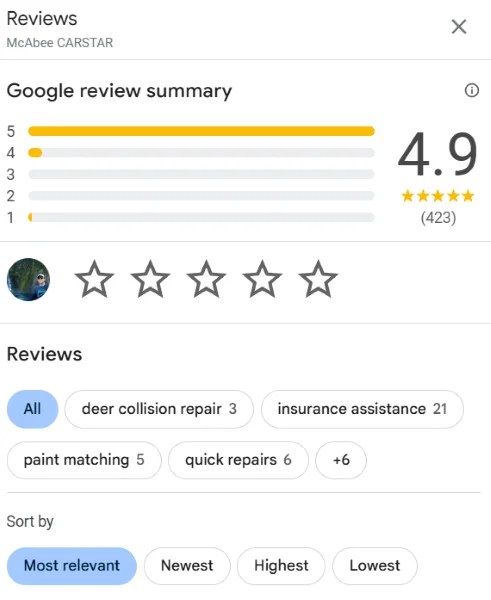
Customer referral programs are highly effective for brand awareness. They not only introduce a brand to new potential customers but do so through a trusted source – an existing satisfied customer. Encouraging customers to leave reviews and implementing structured referral campaigns with incentives can rapidly scale brand reach and foster genuine trust.

4. Offer Value Through Freebies
"Free" is a powerful motivator. Offering freebies, such as samples, trials, or exclusive content, can generate brand awareness as recipients are likely to share their positive experiences and introduce the brand to their networks. This can take the form of branded merchandise, free consultations, or downloadable resources.
5. Forge Strategic Brand Partnerships
Collaborating with complementary, non-competing brands can exponentially expand an audience. Co-hosted events, joint promotions, and cross-marketing initiatives allow brands to tap into each other’s customer bases. For instance, a yoga studio might partner with a health food store, reaching a shared demographic interested in wellness. Similarly, co-branded content or social media shout-outs can introduce brands to new, relevant audiences.

6. Leverage Influencer Collaborations
Influencer marketing, while often associated with direct sales, is also an excellent strategy for introducing a brand to an established audience. Selecting influencers whose values and audience align with the brand’s target demographic is crucial. This ensures that the endorsement feels authentic and resonates with potential customers.
7. Engage Actively on Social Media
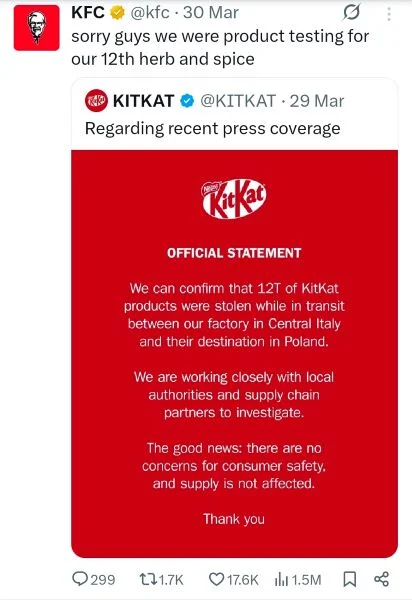
Social media platforms are vital for driving website traffic, generating leads, and ultimately, making sales. More importantly, they serve as a powerful channel to showcase a brand’s personality and values to a broad audience. Brands that infuse their social media presence with personality, like KFC’s witty and engaging posts, often garner more attention and build stronger connections. Consistency in brand voice across platforms is essential to avoid diluting the brand’s identity.
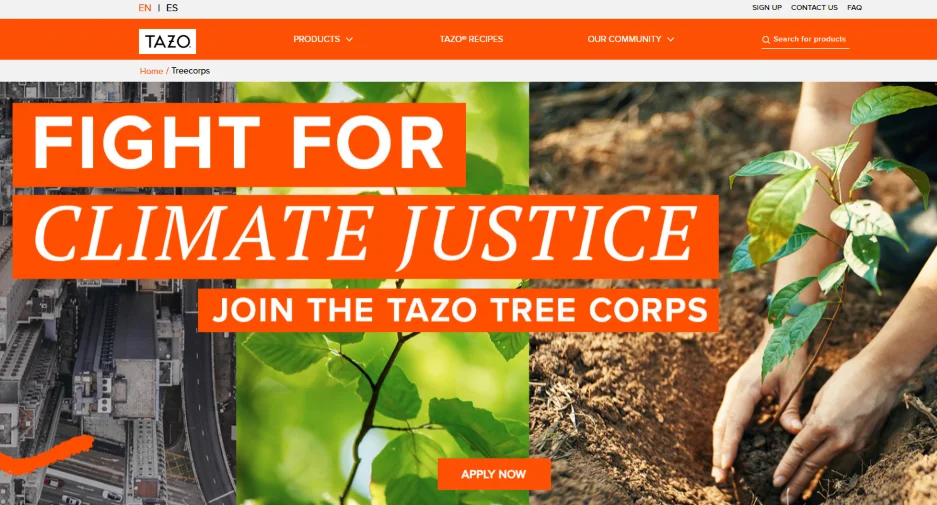
8. Invest in Display Advertising Strategically
While often used for direct response, display ads can be highly effective for brand awareness when strategically deployed. By focusing on clear brand messaging and category association, such as "Brand X, your local HVAC expert," and maintaining consistent language across all ad units and website content, brands can help AI search engines and ranking systems better understand and categorize their offerings, leading to improved visibility in relevant queries.
9. Run Engaging Social Media Contests
Opt-in social media contests, which often require participants to tag friends or like a post, can amplify brand visibility through network effects. These contests not only foster engagement with existing followers but also leverage their social circles to introduce the brand to new potential customers, thereby boosting its reach and algorithmic visibility.

10. Share Valuable, Helpful Content
Content marketing remains a cornerstone of brand awareness. Brands that provide valuable, informative content, whether through blog posts, guides, or videos, establish themselves as authorities in their field. This approach, exemplified by historical examples like John Deere’s agricultural advice, builds trust and positions the brand as a helpful resource, irrespective of the channel through which it’s delivered.
11. Manage Remarketing Campaigns Effectively
Remarketing plays a crucial role in reinforcing brand awareness through consistent exposure. By targeting individuals who have previously interacted with the brand, remarketing campaigns keep the brand top-of-mind. A cross-channel remarketing strategy, utilizing social media, display ads, and email, can effectively reinforce brand recognition without incurring the cost of reaching a completely cold audience. This data can also be used to build lookalike audiences, expanding reach to individuals with similar characteristics to existing customers.
12. Curate and Utilize User-Generated Content (UGC)
User-generated content (UGC) offers authentic, cost-effective marketing. When customers create and share content featuring a brand’s products or services, it serves as a powerful endorsement. This content, whether in the form of videos, images, or blog posts, is often perceived as more credible than brand-created material.
13. Distribute Thoughtful Business Cards
Business cards, though seemingly traditional, remain an inexpensive and versatile tool for brand awareness, particularly for service-based businesses. Incorporating QR codes that link to digital profiles or contact information can enhance their utility and facilitate easy connection with potential clients.

Creative Approaches to Brand Awareness
Beyond the established methods, several creative strategies can help brands stand out:
14. Publish Branded Content
Branded content merges the narrative power of content marketing with the reach and targeting capabilities of paid advertising. By embedding brand messaging within trusted editorial environments, brands can achieve higher levels of attention and credibility than through traditional ad placements. This approach allows brands to own the context in which their story is told, fostering deeper engagement.

15. Implement Modern Direct Mail Campaigns
Direct mail offers a tangible way to reach audiences. Modern direct mail campaigns can effectively blend offline and online tactics, personalizing outreach and engaging local communities directly in their homes. This can be particularly effective for businesses seeking to build local brand recognition.
16. Place Strategic Print Advertisements
Print advertising continues to hold value due to the inherent credibility associated with trusted publications. When a brand’s advertisement appears within familiar and respected content, it borrows that credibility, enhancing its own perceived trustworthiness. Partnering with publishers who possess extensive audience data and broad reach is key to maximizing impact.
17. Pursue Guest Posting Opportunities
Guest posting on relevant websites allows brands to share their expertise, build authority, and gain exposure to new audiences. This strategy is particularly effective for establishing a brand as a thought leader within its industry. Identifying niche publications that accept guest contributions can unlock significant awareness opportunities.
18. Feature on Podcasts
The growing popularity of podcasts presents a significant avenue for brand awareness. Listeners often engage deeply with podcast content, making it an effective medium for brand introductions. The sheer breadth of topics covered means there are likely podcasts relevant to almost any niche. For brands with a strong point of view or unique expertise, even launching their own podcast can be a viable strategy.

19. Engage in Online Communities
Participating authentically in online communities, such as subreddits or specialized forums, allows brands to demonstrate expertise and provide value without overtly selling. By offering helpful advice, answering questions, and engaging in discussions, brands can build a strong foundation of awareness and trust within passionate communities.
Landmark Brand Awareness Campaigns: Lessons for Today
Examining successful brand awareness campaigns provides actionable insights:

Lean Cuisine: #WeighThis
In 2015, Lean Cuisine initiated the #WeighThis campaign as part of a rebrand, shifting from an exclusively "diet food" image to a more holistic lifestyle brand. This initiative involved engaging consumers in a dialogue about what truly matters beyond weight, utilizing experiential marketing and a branded hashtag to encourage sharing and user-generated content. The campaign demonstrated how a brand can pivot its perception by focusing on relatable consumer experiences and fostering open conversations.
Spotify: Wrapped
Spotify Wrapped, an annual personalized recap of users’ listening habits, has become a viral phenomenon. By transforming user data into shareable, engaging content, Spotify effectively turns millions of users into unpaid brand ambassadors. This strategy highlights the power of leveraging existing customer data to create highly personalized and shareable brand experiences.

M&M’s: Flavor Room
M&M’s utilized a pop-up "Flavor Room" where consumers could sample and vote on new flavor candidates. This experiential marketing tactic generated significant buzz, provided direct consumer interaction, and gathered valuable market research. It illustrates how immersive, interactive brand experiences can drive awareness and engagement.
Staples: Social Media Poll
Office supply retailer Staples demonstrated that impactful awareness campaigns don’t always require large budgets. A simple social media poll questioning the correct orientation of toilet paper rolls sparked widespread debate and engagement, highlighting the effectiveness of tapping into relatable, everyday conversations to generate brand visibility and participation.

Crafting Your Brand Awareness Strategy
Developing an effective brand awareness strategy involves a systematic approach:
- Define Your Target Audience: Clearly identify who you are trying to reach.
- Set SMART Goals: Establish specific, measurable, achievable, relevant, and time-bound objectives for your awareness campaigns.
- Identify Key Messaging: Determine the core messages that will resonate with your target audience and differentiate your brand.
- Choose Your Channels: Select the platforms and tactics that best align with your audience and goals.
- Allocate Budget: Determine the financial resources available for your awareness initiatives.
- Develop Content Strategy: Plan the types of content you will create and distribute.
- Implement and Monitor: Launch your campaigns and continuously track their performance.
- Measure and Optimize: Analyze results, identify what’s working, and refine your strategy accordingly.
Measuring the Impact of Brand Awareness
A comprehensive measurement plan is crucial for assessing the effectiveness of brand awareness efforts. Key metrics include:

Tracking Search Behavior
An increase in branded search volume, where consumers unprompted type a brand’s name into search engines, is a direct indicator of successful recall. Tools like Ahrefs or SEMrush can monitor these trends, providing insights into how awareness campaigns influence consumer search behavior. As Stephanie Asrymbetov advises, "Track brand lift by monitoring branded search volume. When someone types your brand name into Google unprompted, that’s real recall, not a vanity metric. Watch how that volume moves in response to your campaigns over time."
Analyzing Audience Engagement
Changes in audience behavior, such as increased website traffic, higher social media engagement rates (likes, shares, comments), and longer time spent on site, can signal growing brand awareness. Analyzing these engagement metrics provides a qualitative understanding of how audiences are interacting with the brand.

Monitoring Online Conversations
The volume and sentiment of online discussions surrounding a brand are vital indicators of awareness. Social listening tools can track brand mentions, analyze sentiment (positive, negative, neutral), and identify key conversation themes, providing a real-time pulse on public perception.
Direct Customer Feedback
Directly asking new customers how they heard about the business is a simple yet effective way to gauge the impact of different awareness tactics. This qualitative data can reveal which channels are most influential in driving initial customer contact. As Jeff Book, VP of Sales Operations at USA TODAY Co., notes, "On the USA TODAY Network, we can measure brand awareness by asking readers via an online survey whether they are aware of a particular brand where we know we delivered them media. Additionally, we further measure their preference, consideration, and intent to call, visit, or purchase from the brand."

Generating Sustainable Brand Awareness
In the current marketing landscape, brand awareness is not merely an optional add-on; it is fundamental to being discovered and considered by consumers, especially in the era of AI-driven information retrieval. The optimal brand awareness strategy is one that is appropriately scaled to the business’s size and reach, whether it’s a local painter leveraging yard signs or a national entity focusing on broad digital campaigns. Consistency in execution and a proactive approach to creating audience buzz are paramount. By continuously appearing and engaging with the target audience, brands can build the familiarity and trust necessary to thrive. Marketing solutions designed to accelerate brand awareness, lead generation, and customer conversion can play a vital role in achieving these objectives.