rifanmuazin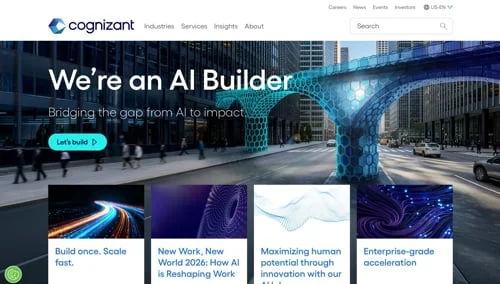
The landscape of e-commerce and business operations is undergoing a rapid transformation, driven by advancements in artificial intelligence and a growing demand for integrated, efficient solutions. This week’s rundown of new services for merchants highlights a significant surge in AI-powered tools across various sectors, from B2B commerce and advertising to fraud prevention and customer support. Merchants are now presented with an array of innovative solutions designed to streamline operations, enhance customer experiences, and boost revenue.
Unifying B2B Commerce and Fulfillment
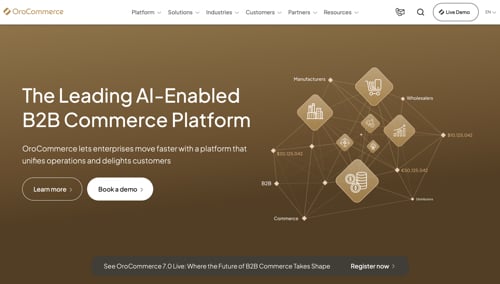
In a move to bridge the gap between online sales and supply chain efficiency, OroCommerce, a prominent B2B e-commerce platform, has announced a strategic partnership with Blue Yonder, a leading supply chain enabler. This collaboration aims to provide manufacturers, distributors, and wholesalers with unprecedented real-time visibility into inventory availability, pricing, and delivery information. This integration is crucial for the B2B sector, where complex order fulfillment and accurate data are paramount. Historically, B2B transactions have been hampered by disconnected systems, leading to stockouts, inaccurate quotes, and delays. The OroCommerce and Blue Yonder partnership seeks to eliminate these friction points by synchronizing e-commerce data with Blue Yonder’s robust supply chain management capabilities.
This unification is expected to empower B2B businesses to make more informed decisions throughout the entire sales cycle, from pre-purchase inquiries to post-sale support. The ability to access precise inventory and pricing data in real-time can significantly reduce the administrative burden on sales teams and improve customer satisfaction by setting accurate expectations. The timeline for the full integration of these systems has not been detailed, but the announcement signals a proactive approach to addressing long-standing challenges in B2B operations. Industry analysts suggest that such integrated solutions are becoming increasingly vital as B2B buyers, mirroring their B2C counterparts, expect more seamless and personalized digital experiences.
The Rise of Agentic Discovery and Advertising
The concept of "agentic" systems, powered by AI agents that can autonomously perform tasks, is rapidly permeating the e-commerce sector. Commerce, the parent company of BigCommerce and the data feed platform Feedonomics, has introduced Agentic Catalog Exports. This new service allows merchants to syndicate their product catalog data to agentic discovery channels, including prominent AI platforms like OpenAI, Gemini, Copilot, and Perplexity. This capability is set to revolutionize how products are found and recommended online.

Historically, product discoverability relied on search engine optimization (SEO) and manual catalog management. However, with the advent of sophisticated AI models, the ability to present product information in a format that these agents can understand and utilize becomes critical. Feedonomics’ offering addresses this by ensuring that merchant data is not only accurate but also accessible to the next generation of AI-powered search and recommendation engines. The implication is that products listed by merchants using this service will have a higher chance of being surfaced in AI-driven search results and personalized recommendations, potentially leading to significant increases in organic traffic and sales.
Complementing this, AdRoll, a multichannel advertising platform, has partnered with PubMatic, an ad performance company, to enable agent-powered troubleshooting. This integration leverages the Model Context Protocol (MCP) to allow AdRoll’s AI agents to query PubMatic’s diagnostic tools. This enables real-time evaluation of campaign configurations and immediate identification of performance issues. By querying PubMatic’s deal diagnostics, AdRoll’s agents can pinpoint the root causes of performance problems and recommend corrective actions, a process that previously required significant manual effort and expertise. This development signifies a shift towards more autonomous and proactive ad campaign management, where AI agents act as virtual campaign managers, optimizing performance with minimal human intervention. The ability to diagnose and resolve campaign issues in real-time is a substantial advancement, potentially leading to more efficient ad spend and improved return on investment for advertisers.
Enhancing Video Commerce and Customer Reach
Video content has become an indispensable part of the online shopping experience. WooCommerce, a popular e-commerce platform, has launched the Google for WooCommerce extension, which connects a merchant’s store directly to their YouTube channel. This integration allows businesses to tag products from their catalog within videos and shorts. These tagged items then appear as shoppable cards during video playback and are also featured in a dedicated Channel Shopping tab on the merchant’s YouTube presence. Furthermore, product feeds are automatically synchronized with Google’s Merchant Center, ensuring real-time updates for product titles, descriptions, prices, and availability.
This move capitalizes on the burgeoning trend of shoppable video, where content directly translates into sales. YouTube’s vast user base and its increasing focus on e-commerce integration make this a powerful channel for merchants. The automatic synchronization of product feeds minimizes the manual effort required to keep product listings up-to-date, reducing the risk of errors and improving the customer experience by ensuring accurate information.
In parallel, Amazon Ads has expanded its AI-powered Video Generator tool to Australia. This innovative service allows advertisers to create up to six different video ad variations from a single product image, existing video, or an Amazon product detail page. The generator incorporates multi-scene storytelling, transitions, and background music, offering a sophisticated yet accessible way to produce professional-looking video ads. Available through the Creative Studio within Amazon’s Ad Console at no additional cost for Sponsored Brands video campaigns, this tool democratizes video ad creation, making it more accessible to businesses of all sizes. The ability to quickly generate multiple video assets can significantly boost campaign creativity and effectiveness, allowing advertisers to test different creative approaches and optimize for various audience segments.
Bolstering Fraud Prevention and Digital Presence
Combating online fraud remains a top priority for e-commerce businesses. iDenfy, a provider of identity verification and fraud prevention solutions, has launched an application specifically for WooCommerce merchants. This integration enables businesses to mandate identity verification for shoppers before completing a purchase. The service employs a combination of biometric face recognition and verification against a database of over 3,000 identity documents from 200 countries and territories.
This advanced fraud prevention measure is particularly relevant in an era where sophisticated fraudulent activities are on the rise. By verifying customer identities, merchants can significantly reduce chargebacks, protect themselves from account takeovers, and ensure a more secure transaction environment. The comprehensive nature of iDenfy’s verification process, spanning biometrics and document checks, offers a robust defense against various forms of online fraud.
Ensuring accurate and consistent business information across the digital ecosystem is also crucial for small businesses. TransUnion, a credit reporting agency, has introduced Digital Business Profile. This service helps small businesses manage and maintain accurate information, such as business name, location, contact details, operating hours, accepted payment methods, and service areas, all through a single TransUnion portal. Updates made through this portal are automatically distributed to over 80 online directories, maps, apps, and social platforms.
In an increasingly fragmented digital marketplace, maintaining consistent business information can be a significant challenge for small and medium-sized enterprises. TransUnion’s Digital Business Profile streamlines this process, ensuring that potential customers can easily find and engage with businesses online. This improved discoverability and accuracy can lead to increased foot traffic, online inquiries, and ultimately, sales.
Innovations in Customer Loyalty and Support
Customer loyalty programs are evolving with the integration of technology to offer more personalized and engaging experiences. SumUp, a global payment technology company, has launched Loyalty, a digital rewards program for small businesses in the UK, France, Germany, Ireland, Spain, and Italy. This program allows merchants to convert card payments into points and stamps without requiring new hardware, integrating seamlessly with existing SumUp infrastructure. Key features include push notifications for customers, targeted promotions, and an autopilot function that identifies lapsed customers and automatically sends personalized win-back offers.

The emphasis on personalized outreach and automated win-back campaigns signifies a more sophisticated approach to customer retention. By leveraging transaction data, SumUp’s Loyalty program enables businesses to foster stronger relationships with their customers and encourage repeat purchases, a critical factor for sustained growth.
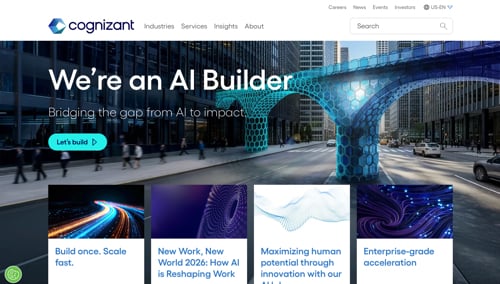
In the realm of customer support, Cognizant, an AI technology provider, has launched Agentic Retail CX, a contact center platform developed in collaboration with Google Cloud. This platform combines Google’s Gemini Enterprise for Customer Experience with Cognizant’s retail expertise to deliver personalized, omnichannel customer experiences while aiming to reduce operational costs. The platform is designed to empower retail brands to handle customer inquiries more efficiently and effectively, leveraging AI to provide more human-like and context-aware support across various channels.
This development is particularly significant for the retail sector, which often faces high volumes of customer interactions. By integrating advanced AI capabilities, Cognizant aims to enhance customer satisfaction through faster response times, more accurate problem resolution, and a more consistent brand experience, all while optimizing the cost structure of contact center operations.
Evolving Fraud Detection and AI Assistants
Google has introduced Cloud Fraud Defense, an evolution of its reCAPTCHA technology. This agentic web platform is designed to verify the legitimacy of bots, humans, and AI agents interacting with websites. Its policy engine allows website owners to configure rules for allowing or blocking agents and users based on risk scores, automation types, and agent identity. Notably, Fraud Defense operates invisibly for most users, replacing disruptive puzzles with silent background verification.
This advancement represents a significant improvement in bot detection and fraud prevention, moving away from user-impacting challenges towards a more seamless security experience. The ability to granularly control which agents and users are allowed access based on sophisticated risk assessments is crucial for protecting online businesses from malicious activity and ensuring a smooth experience for legitimate users.
Meta is also expanding its AI business assistant globally, making it available to advertisers and agencies of all sizes across major markets. The assistant, which supports multiple languages, is integrated into existing Meta tools such as Ads Manager, Business Suite, and Business Support Home. It is designed to optimize campaigns and provide guidance to users.
The global rollout of Meta’s AI business assistant signifies the platform’s commitment to leveraging AI to enhance the advertiser experience. By embedding AI capabilities directly into the tools advertisers use daily, Meta aims to simplify campaign management, improve performance, and offer more intelligent recommendations. This expansion is particularly timely as advertisers increasingly seek ways to navigate complex digital advertising landscapes and maximize their return on investment.
Streamlining Returns and Product Syndication
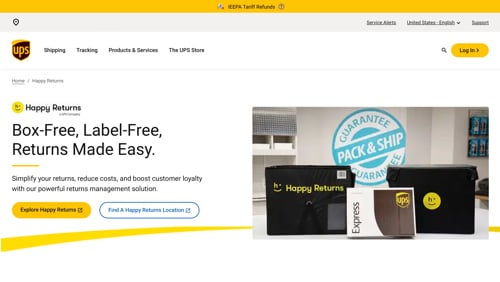
UPS-owned Happy Returns has significantly expanded its U.S. Return Bar network, reaching 10,000 drop-off locations nationwide. This expansion, largely achieved through partnerships with Annex Brands and PackageHub Business Centers, solidifies Happy Returns’ position as a leading consolidated return network offering box-free and label-free returns.
The growth of this network addresses a key pain point for e-commerce consumers: the hassle of returning items. By providing a widespread, convenient return infrastructure, Happy Returns aims to enhance the post-purchase experience, thereby fostering customer loyalty and reducing the operational burden on merchants. The focus on box-free and label-free returns further streamlines the process for both consumers and businesses.
In a move that could redefine product syndication, Zendrop has launched AI Ad Generator in beta. This tool, integrated into the Zendrop dropshipping platform, allows dropshippers to create user-generated-style video ads quickly and affordably. Each ad is optimized for popular platforms like TikTok, Meta’s Reels, and YouTube Shorts, and saved to a personal Video Library for easy deployment across various ad channels.
The ability to generate professional-looking video ads for under $20 is a game-changer for dropshippers, who often operate with tight marketing budgets. By leveraging AI to produce content optimized for short-form video platforms, Zendrop is enabling smaller businesses to compete more effectively in the digital advertising space, driving engagement and sales through visually compelling content.
The AI Imperative for Modern Merchants
This week’s flurry of new service releases underscores a clear trend: artificial intelligence is no longer a futuristic concept but a present-day necessity for businesses aiming to thrive in the digital economy. From optimizing B2B transactions and personalizing advertising to enhancing customer service and preventing fraud, AI is reshaping every facet of merchant operations. The integration of agentic systems, the rise of shoppable video, and the continuous evolution of fraud detection and customer engagement tools all point towards a future where intelligent automation is key to efficiency, customer satisfaction, and ultimately, profitability. Merchants who embrace these advancements are positioning themselves to navigate the complexities of the modern market with greater agility and effectiveness.

 Raul Delapena Setiawan
 Ammar Sabilarrohman