rifanmuazin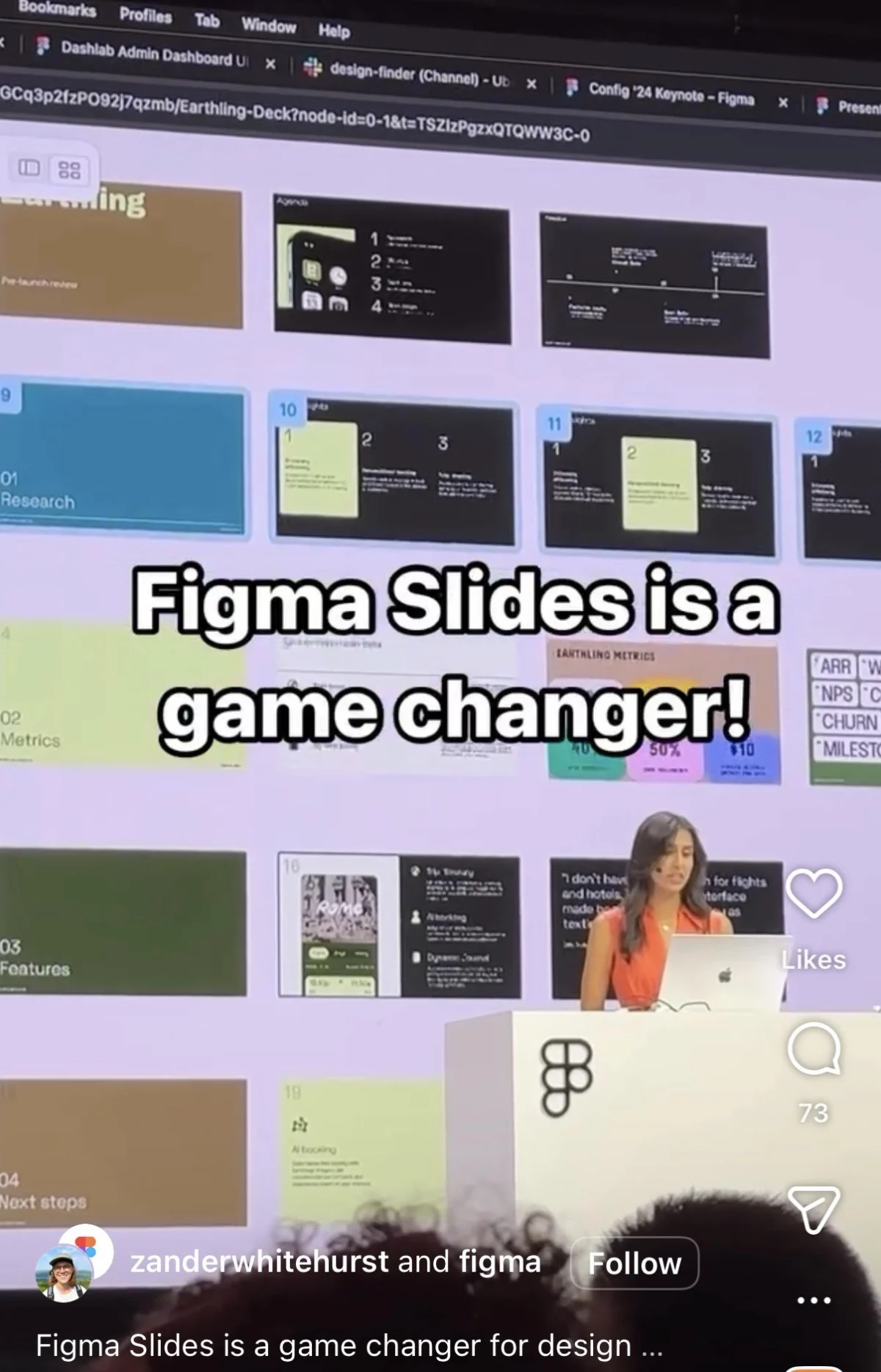
Figma, the collaborative interface design platform, has carved a distinct path in the competitive tech landscape by moving beyond the conventional wisdom of "listening to your audience" to actively building with them. This philosophy, championed by figures like Yosub Kim, Director of Brand Marketing, fundamentally intertwines community engagement with product development and marketing strategy, yielding a robust ecosystem of user loyalty and continuous innovation. This approach is not merely a marketing tactic; it is the bedrock of Figma’s business model, demonstrating how a deeply integrated community can drive growth, foster product evolution, and establish an unshakeable brand identity.
The Genesis of a Collaborative Ecosystem

Figma’s journey began with a clear vision to disrupt the traditional desktop-centric design software market. Launched in 2016, it quickly distinguished itself with its browser-based, real-time collaborative capabilities, a stark contrast to the siloed workflows prevalent with tools like Adobe Photoshop or Sketch. This inherent collaborative nature fostered a natural inclination towards community from its inception. Unlike many companies that bolt on community efforts later, Figma’s founders, including CEO Dylan Field, embedded direct user interaction into the company’s DNA. Early anecdotes recount Field and co-founder Evan Wallace, along with early marketing hires like Claire Butler, engaging in "customer drop-ins" and even driving to users’ offices to debug issues. This hands-on, almost grassroots approach, characterized by "doing things that don’t necessarily scale," was crucial in forging strong, personal connections with the nascent user base. These early, intimate interactions laid the groundwork for a culture where user feedback was not just collected but deeply valued and acted upon, establishing trust and a sense of co-ownership.
Social Media: The Pulse of Figma’s Community
From these humble beginnings, social media emerged as a pivotal channel for Figma’s community engagement. Yosub Kim highlights its role as "a huge part of Figma since the very beginning," serving as a dynamic, real-time forum where users actively share their creations, requests, feedback, and even ingenious "hacks" of the platform. This organic, user-generated content (UGC) provides an invaluable stream of insights that far surpasses traditional market research. Figma’s leadership reinforces this commitment, with CEO Dylan Field himself frequently engaging directly with users on social platforms, troubleshooting issues, and soliciting feedback. This top-down, bottoms-up prioritization ensures that social media is not merely a broadcast channel but a critical two-way street for communication.

Figma’s social media strategy is structured around three core pillars:
- Product Launches and Announcements: These are opportunities to not only inform but also to connect new features with existing user requests, often directly referencing prior user feedback.
- Community Highlights: Showcasing user work, tutorials, and innovative applications of Figma. This celebrates the community’s creativity and provides inspiration to others.
- Always-on Content: This includes memes, jokes, and trending topics relevant to designers and the wider tech community. Critically, Figma ensures this content is contextualized and avoids shallow trend-hopping, aiming for genuine resonance rather than fleeting virality.
To ensure this strategy is effective, Figma employs robust social listening practices, with a cross-functional team spanning brand marketing, customer support, and product development. This integrated approach ensures that major questions, highly-voted forum discussions, and feature requests are consistently monitored and addressed. By maintaining this constant vigilance and responsiveness, Figma transforms social media from a marketing expense into an operational intelligence hub, directly influencing product iterations and fostering a sense of being heard among its users.
Community as the Core Business Driver

For Figma, community is not an auxiliary function; it is fundamentally intertwined with its business objectives. Kim succinctly states, "Community is the business goal." This profound integration means that when users globally coalesce around Figma – whether through hundreds of "Friends of Figma" chapters spanning from Singapore to Portugal, South Africa to Peru, or virtually – it represents the deepest form of product loyalty imaginable. These chapters facilitate local meetups, workshops, and skill-sharing sessions, creating tangible networks that reinforce Figma’s presence and utility in diverse markets.
This deep loyalty translates into concrete business advantages:
- Enhanced Product Development: The open lines of communication provide an unfiltered, real-world feedback loop, allowing Figma to build more relevant and user-centric products.
- Accelerated Adoption: A pre-existing, engaged community acts as an immediate adoption engine for new features and products, ready to experiment, integrate, and evangelize.
- Organic Growth and Advocacy: Community members become powerful brand advocates, driving organic growth through word-of-mouth and shared enthusiasm, reducing reliance on traditional, costly marketing channels.
- Competitive Moat: Such a loyal and active community creates a significant barrier to entry for competitors, as the value derived from collective knowledge and support is difficult to replicate.
The annual Config conference, launched in 2020, stands as a testament to this philosophy. Bringing together thousands of designers, Config is not just a showcase for Figma’s latest offerings but a celebration of user ingenuity. Attendees present real business use cases, demonstrating applications and "hacks" that often surprise even Figma’s internal teams, further enriching the product’s potential and reinforcing the symbiotic relationship between the company and its users.

User Innovation: Shaping Figma’s Product Roadmap
Perhaps the most compelling evidence of Figma’s community-led strategy is its direct impact on product development. The company has a remarkable track record of observing user behavior and transforming "unintended uses" into official, integral parts of its product suite.
- Figma Slides: Designers were creatively leveraging Figma Design’s frames and prototyping features to create presentations. Recognizing this organic behavior, Figma developed and launched Figma Slides, a dedicated tool that streamlines this process within the Figma ecosystem, meeting an undeniable user need.
- FigJam: Users were employing comments and cursor chat within Figma Design for brainstorming and collaborative discussions. This emergent communication pattern led to the creation of FigJam, a dedicated online whiteboard tool designed specifically for brainstorming and real-time collaboration, expanding Figma’s utility beyond traditional design.
- Figma Draw: Observing designers pushing the boundaries of Figma Design to create intricate illustrations and artwork, Figma responded by developing Figma Draw. This extension caters to the artistic community, showcasing the platform’s versatility and demonstrating Figma’s commitment to supporting diverse creative workflows.
These examples underscore a profound principle: users are not just consumers; they are co-creators and innovators. By paying close attention to how the product is used in the wild, Figma effectively decentralizes a portion of its R&D, allowing the collective intelligence of its community to guide its strategic product expansions. This continuous feedback loop ensures that Figma remains agile and relevant, consistently building features that address genuine user pain points and unlock new creative possibilities.

Amplifying User Creativity: The "Made in Figma" Campaigns
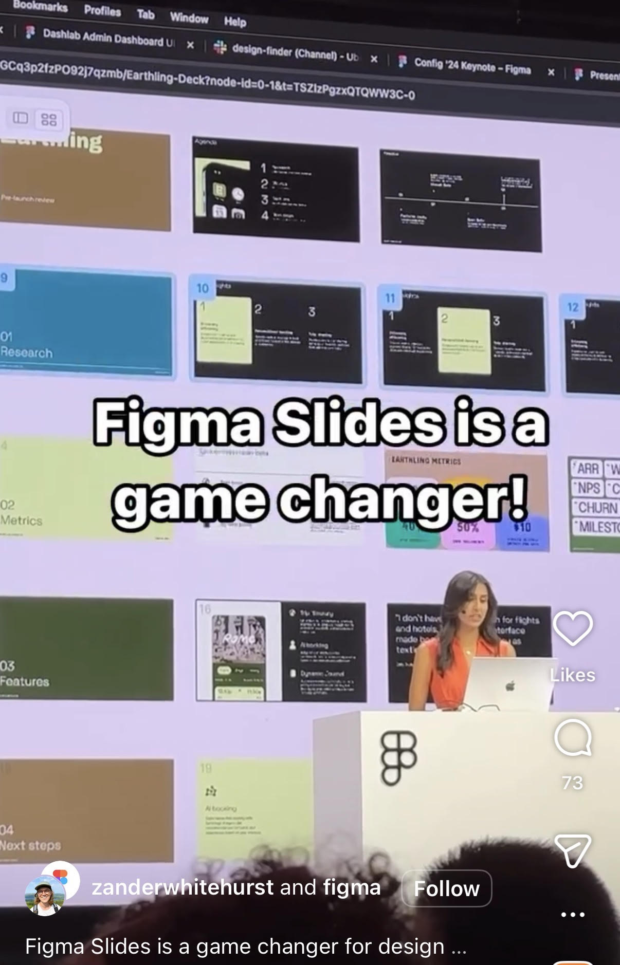
Figma’s strategy for encouraging user sharing is largely self-sustaining. Designers, developers, and product builders instinctively share their work for feedback, collaboration, or simply to showcase their craft. Figma’s role, then, shifts from merely encouraging sharing to actively amplifying it. This amplification is evident in its high-profile "Made in Figma" campaigns. These initiatives take user-generated content – speedruns, UI/UX designs, illustrations – and elevate it to mainstream visibility, such as featuring it on prominent billboards in Times Square and San Francisco.
These campaigns serve multiple purposes:
- Validation and Recognition: They provide significant recognition to individual creators, validating their work and fostering a deeper sense of belonging and pride within the community.
- Inspiration and Aspiration: Seeing fellow users’ work celebrated on such grand stages inspires others, creating a virtuous cycle where more users are motivated to create and share, hoping for similar recognition.
- Powerful Social Proof: These campaigns act as authentic social proof, demonstrating the incredible capabilities of Figma through real, user-created examples, far more compelling than any internal marketing collateral.
By consistently showcasing its community’s talent, Figma not only strengthens its brand but also cultivates an aspirational environment. This strategy transforms everyday users into passionate brand advocates, organically expanding Figma’s reach and enhancing its reputation as a platform that truly champions creativity.
Strategic Engagement: Balancing Authenticity and Brand Voice
Maintaining a consistent brand voice while allowing the community to organically shape conversations is a delicate balance. Figma achieves this by establishing a clear foundational voice and set of values, which then guides its engagement strategy. This involves extensive internal debate on how to frame responses, what conversations to participate in, and how to differentiate Figma’s voice from other brands.

Figma’s multi-platform social listening efforts, spanning Reddit, X (formerly Twitter), Threads, Instagram, and YouTube, are crucial for this. They gather a comprehensive understanding of how people are discussing the product and the design world at large. With this data, the brand team can ensure that their responses are not just timely but also thoughtful and aligned with Figma’s core identity.
Yosub Kim emphasizes that speed must be balanced with thoughtfulness. Brands often fall into the trap of chasing virality by jumping into every trending conversation, regardless of relevance. While this might temporarily boost brand awareness, it can dilute brand identity and fail to contribute to long-term business goals. Figma, in contrast, prioritizes meaningful engagement that resonates with its community and reinforces its unique value proposition, avoiding the generic, "everyone tries to be Wendy’s" trap. This discerning approach ensures that every interaction, whether a meme response or a product announcement, strengthens the brand’s connection with its audience.
The Future Landscape: AI and Community
Looking ahead, Figma is acutely aware of the transformative potential of artificial intelligence (AI) and its implications for social media and product development. Kim advises marketing leaders to adopt a highly detailed and specific approach to AI integration, considering how it manifests in workflows, and critically, how the community perceives and interacts with it.
For Figma, AI is not merely a buzzword to be leveraged for fleeting social media attention. Instead, it is seen as a tool to further empower its creative community. The focus is on thoughtfully integrating AI capabilities that enhance the user experience, streamline design processes, and unlock new creative avenues, all while maintaining a dialogue with users about its ethical and practical implications. This thoughtful integration ensures that AI serves the user, rather than overwhelming them or detracting from the core collaborative experience. By staying true to its community-first ethos, Figma aims to ensure that its AI advancements align with its users’ needs and aspirations, solidifying its position as the go-to platform where any idea, regardless of complexity or technological frontier, can be brought to life.
In conclusion, Figma’s success story offers a powerful masterclass in community-led growth. By deeply integrating user feedback into product development, amplifying user creativity through strategic campaigns, and fostering authentic, meaningful engagement across social platforms, Figma has cultivated not just a customer base, but a passionate global community. This blueprint for building trust, fostering loyalty, and driving innovation through genuine co-creation serves as a compelling model for any brand aiming for sustainable growth and an enduring connection with its audience.